British Longhair Cat Breed Info: Pictures, Temperament & Traits
In this article
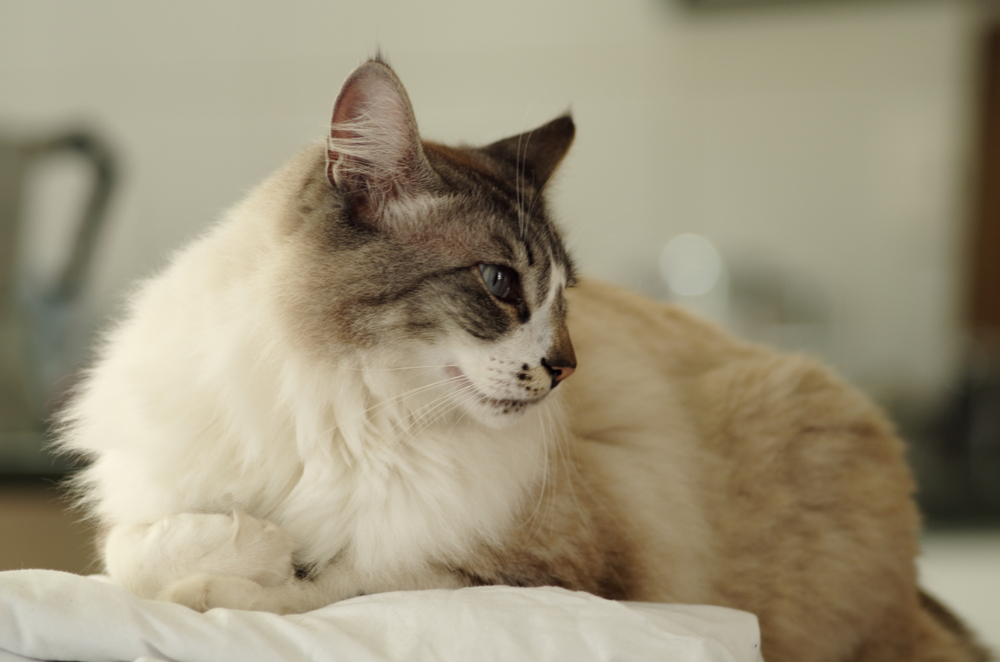
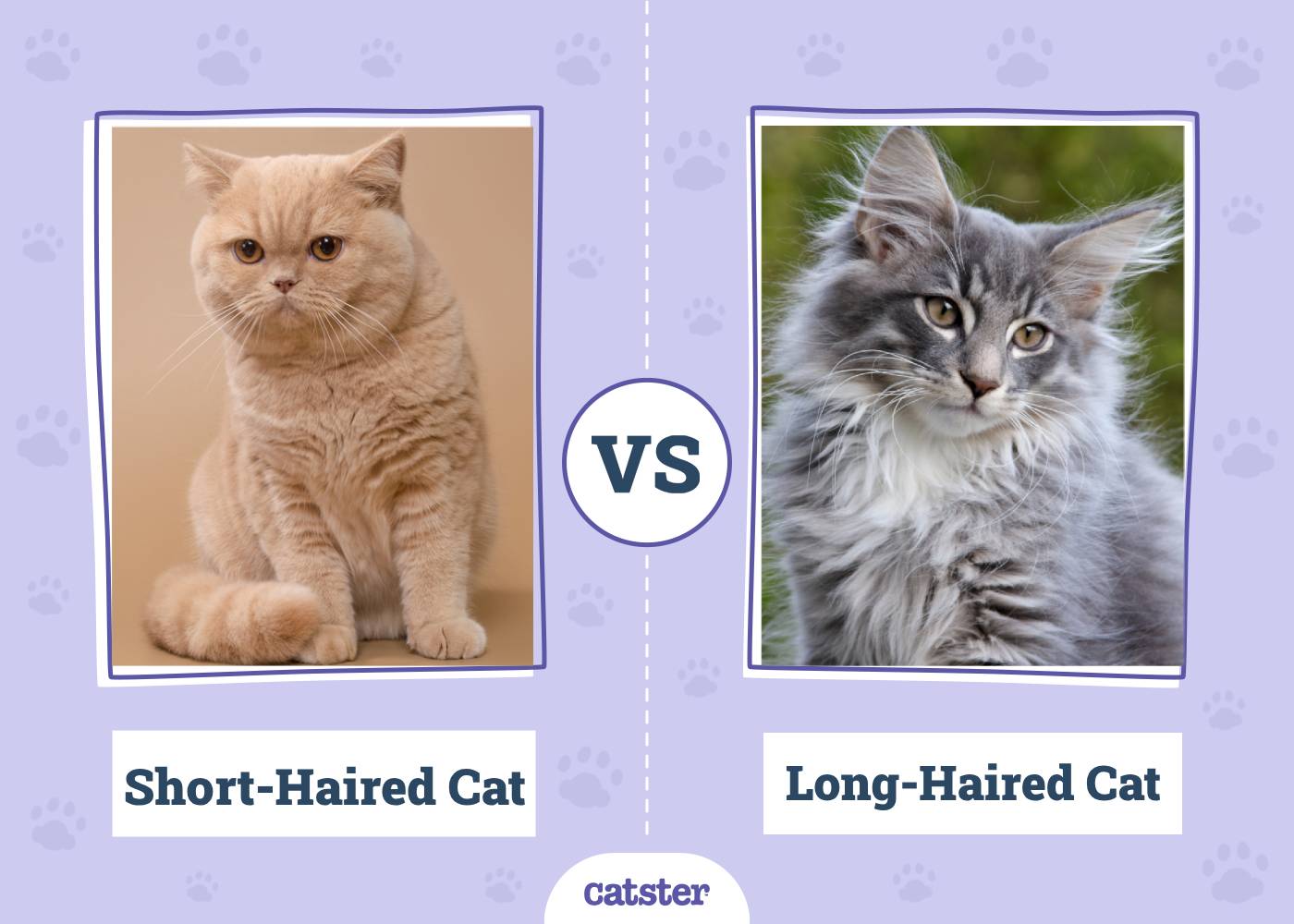
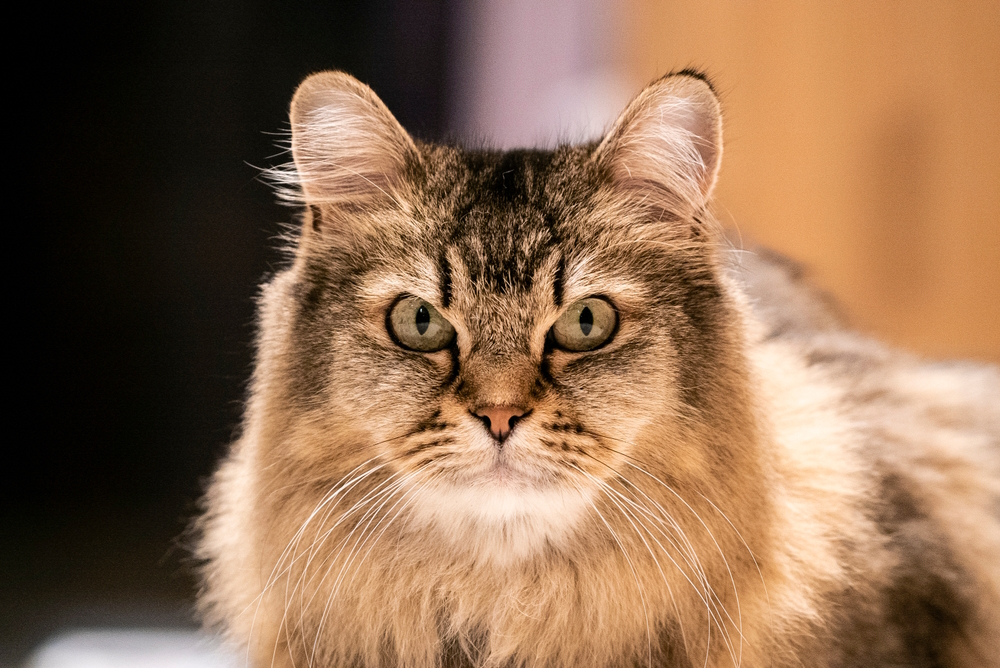
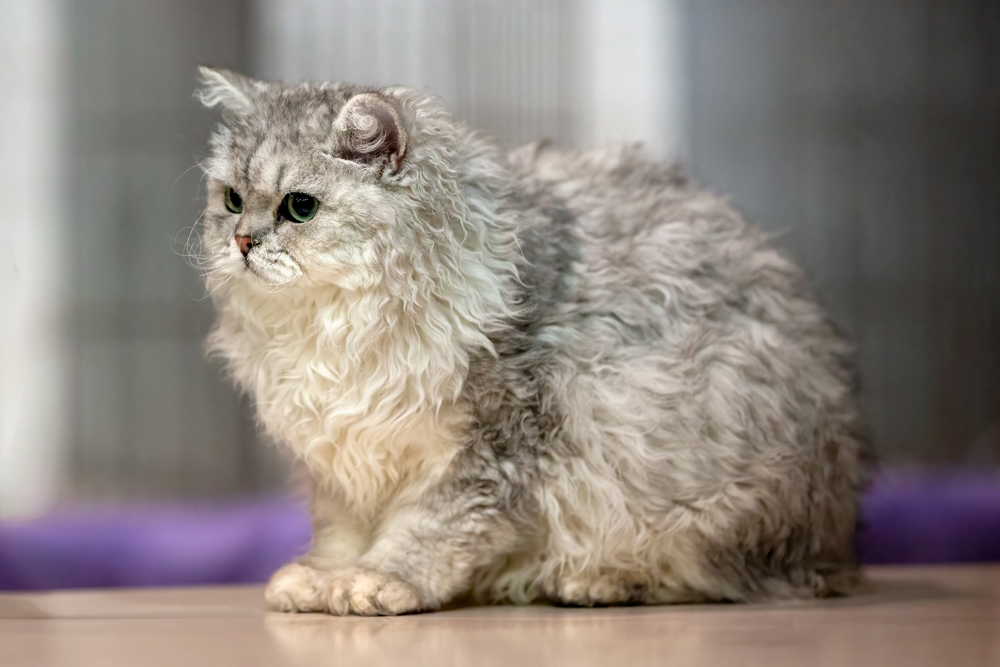
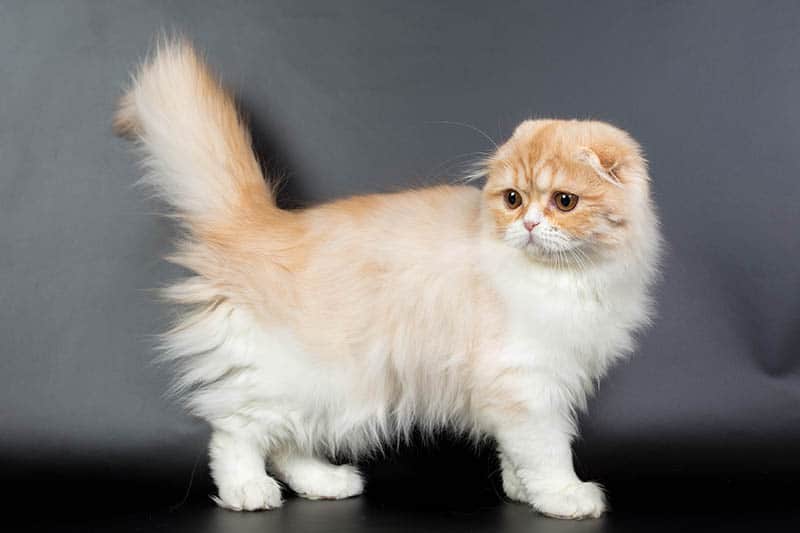
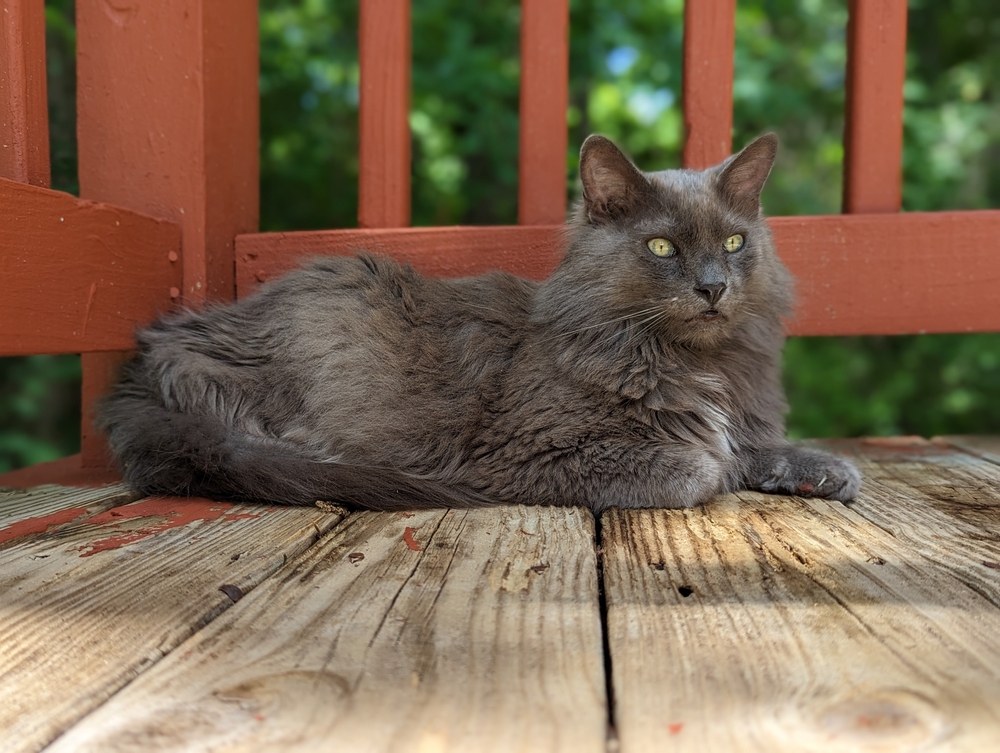
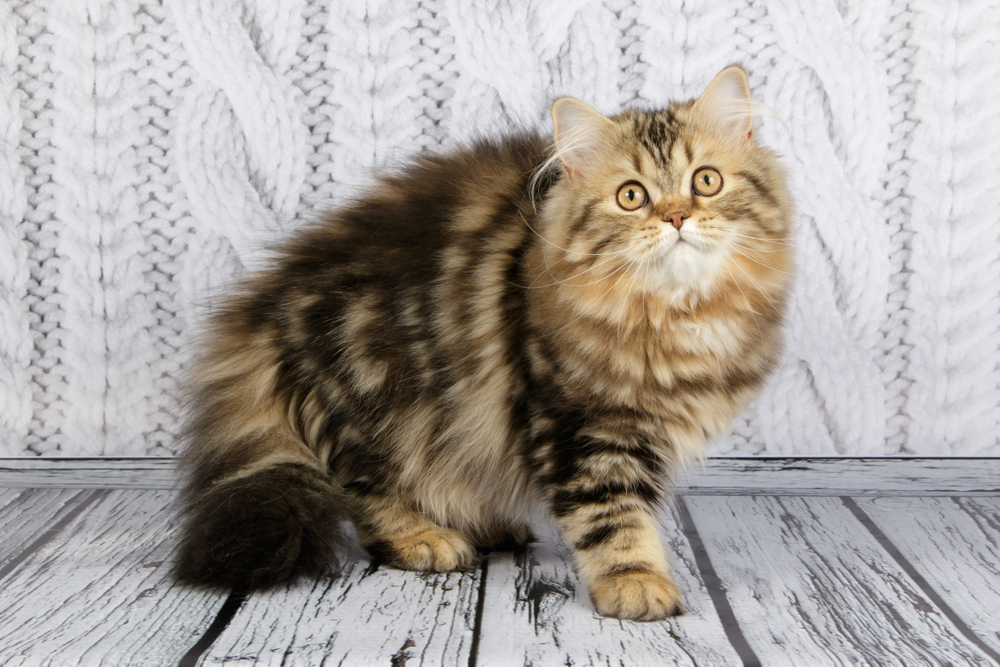
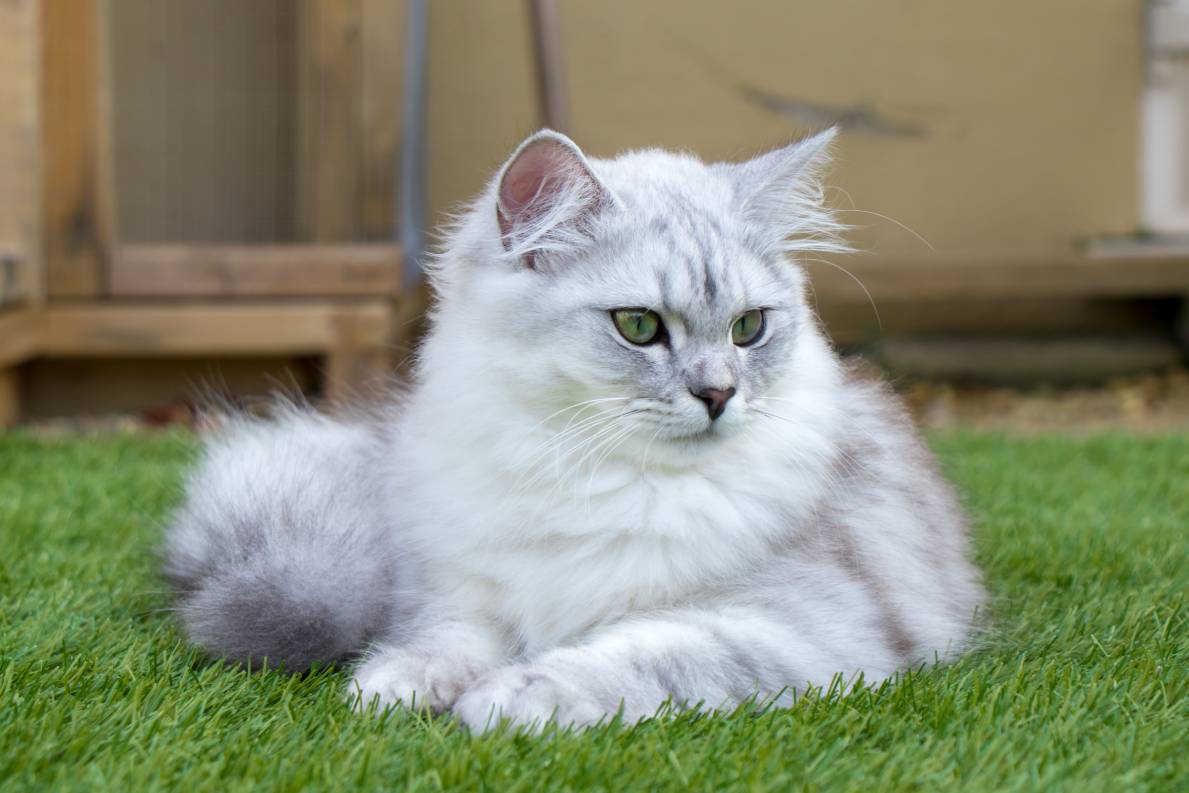
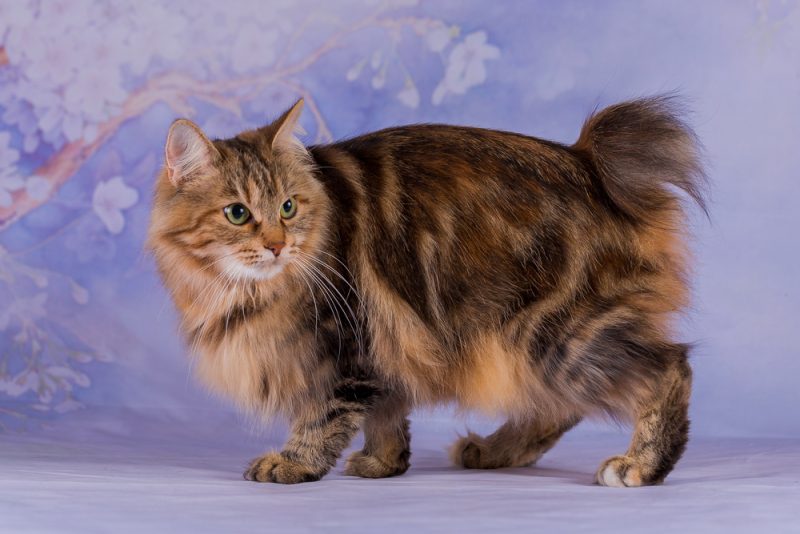
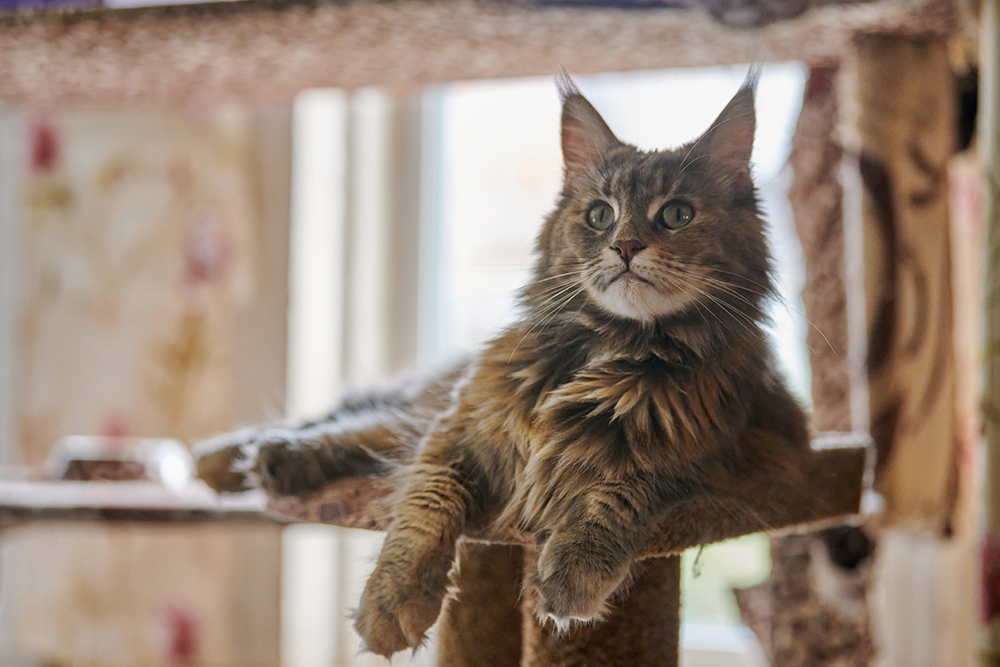
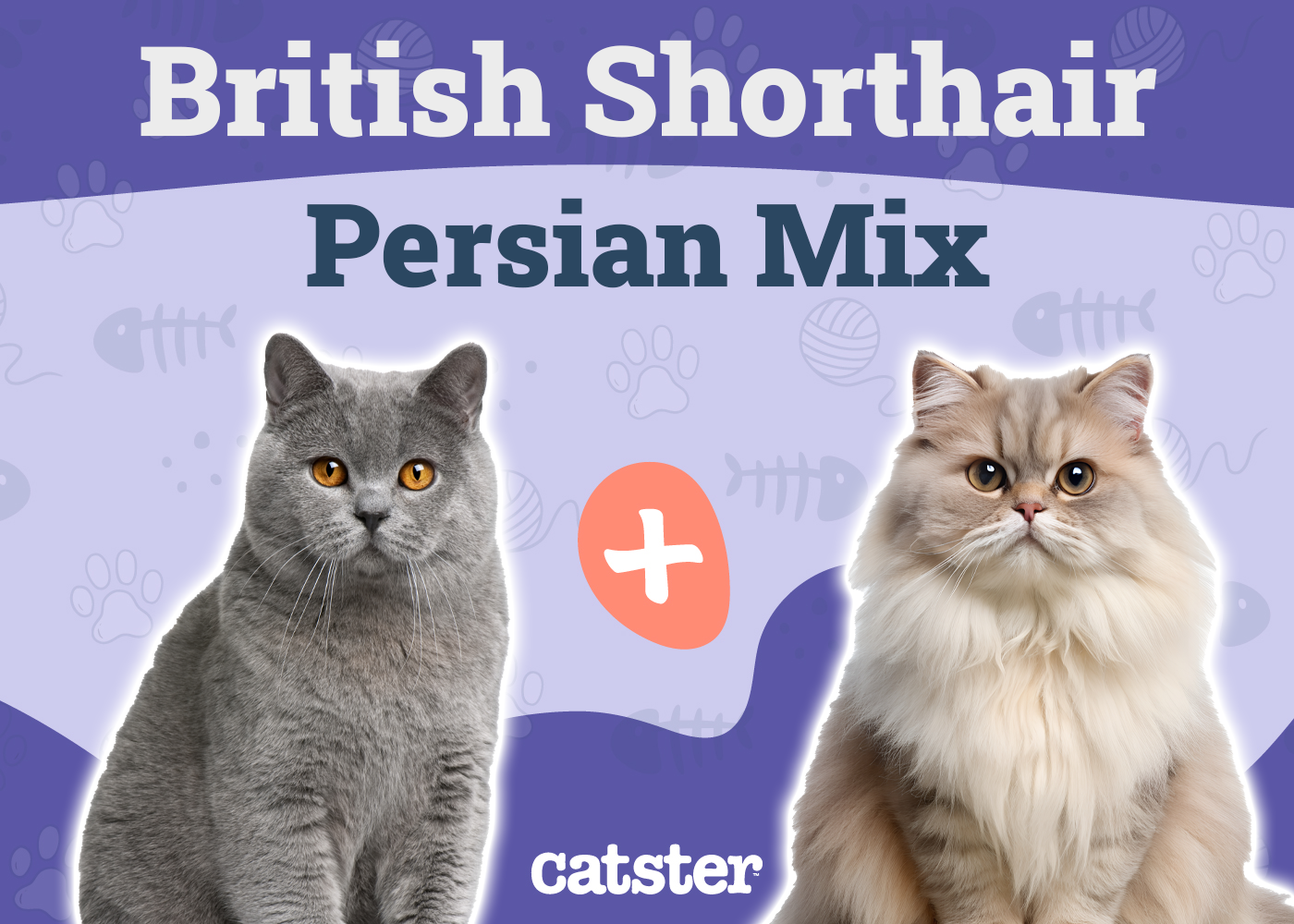
The British Longhair cat is sometimes called the Lowlander, Highlander, or Britannica. These friendly and affectionate cats are very similar to the British Shorthair, apart from the fact they have stunning longhaired coats. The British Longhair was created by crossing the British Shorthair with longhaired breeds like the Persian and Turkish Angora.
Breed Overview
Height:
Weight:
Lifespan:
Colors:
Suitable for:
Temperament:
The British Longhair can be the perfect choice if you’re looking for an affectionate pet that is happy hanging out at home while you’re at work or the kids are at school. Their laid-back attitude also allows them to thrive in a multi-pet household.
These cats are a relatively new breed and aren’t yet accepted by all breed associations. You might not know as much about them as some of their more popular cousins, but that is about to change! We’ll tell you all the details about the British Longhair, from health to temperament and everything in between.
British Longhair Cat Characteristics

British Longhair Kittens

All kittens are adorable, and while the British Longhair is a pretty laid-back breed, you still need to be 100% sure that you and your family can meet their needs. Buying a British Longhair kitten is a commitment to keep that cat safe for their entire life. So, as well as your initial outlay, consider the day-to-day costs of owning a cat, as well as the occasional veterinary expenses, including annual vaccinations and neutering or spaying your kitten once they’re old enough.
British Longhairs are pretty content to be left alone for some of the day but you’ll still need to make sure you can dedicate plenty of time to interacting with them once you’re home. These affectionate cats love hanging out with their owners after a long day!


Temperament & Intelligence of the British Longhair Cat 🧠
British Longhair cats are gentle, friendly, and intelligent. They love human companionship but are undemanding and will happily wait for you to shower them with affection rather than demanding it from you.
They generally prefer to sit next to you (rather than on your lap) and prefer not to be carried around if possible. They’re powerfully built with plenty of muscle, so you may not want to carry them around for too long!
Are These Cats Good for Families? 👪
British Longhairs make a great choice for an all-around family cat. They enjoy spending time with children as long as they aren’t picked up frequently. Some of them can be persuaded to play with toys and get rid of some energy, but they may need some persuasion!
Does This Breed Get Along With Other Pets? 🐶🐱
British Longhair cats can adapt very well to life in a multi-pet household. They’re not overly territorial, so they can happily coexist with other cats in the same house. As long as you carefully introduce new cats and make sure there’s no need for them to compete for resources, then you should find they all get along happily.
The same goes for dogs! British Longhairs are laid back enough to find life with a dog in the house pretty free from stress. They may not want to play with a puppy, but they generally don’t mind sharing their home with a canine friend.
British Longhairs don’t have an overly active prey drive, so you can usually keep them in the same house as smaller pets like rodents and guinea pigs without any problems. We wouldn’t recommend leaving them in the same part of the house unattended, but they’re unlikely to spend too much time trying to break into cages or worry small pets. That’s a bit too energetic for a British Longhair, especially if they can have a nap or see if there’s any food in their bowl instead!


Things to Know When Owning a British Longhair Cat
British Longhair cats are laidback and easy to care for daily, but that doesn’t mean you shouldn’t carefully consider whether you and your family can provide for your new cat’s needs over their entire life.
Before you decide, here’s some more information to help you make up your mind.
Food & Diet Requirements 🐡
British Longhair cats aren’t fussy eaters, so you’ll need to keep a close eye on their weight to make sure they maintain a healthy body condition score. If your cat lives indoors and is less active than average, consider feeding them cat food with fewer calories.
Exercise 🐈
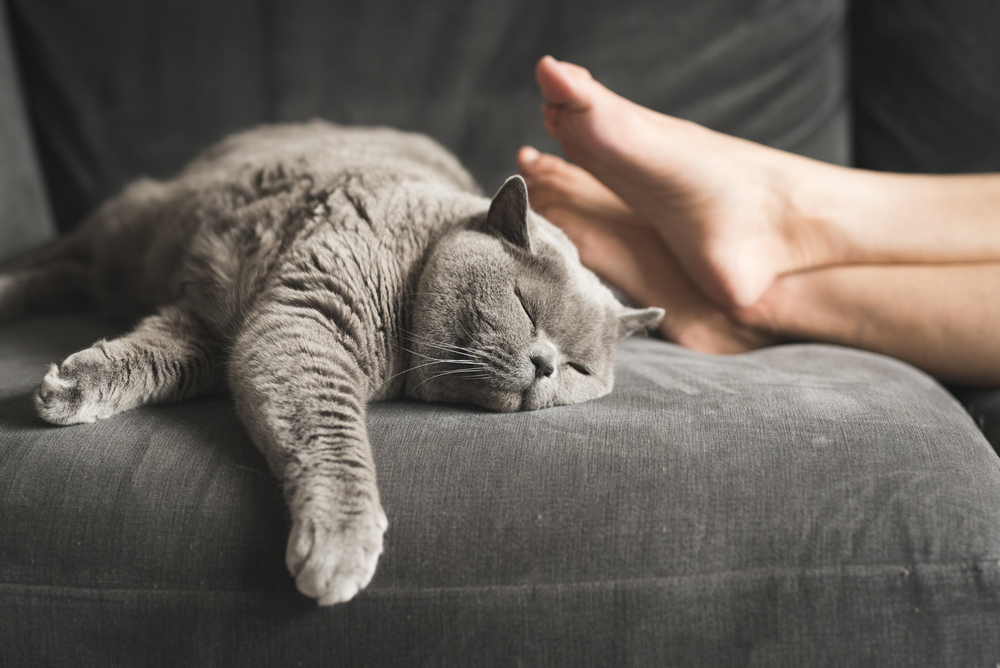
You may need to encourage your British Longhair cat to get exercise, as they will happily laze around and nap the day away in between their meals! This can put them at a higher risk of becoming obese. Obesity can lead to joint problems, diabetes, and other serious health concerns.
Finding a range of toys your cat enjoys playing with and spending some time persuading them to chase the toys can help your cat maintain a healthy weight. You can buy treat dispenser toys, place some of their daily rations in them, and make your cat work for their dinner!
Some cats will enjoy going for short walks outside on a harness and leash, which can be a good way to ensure your cat gets exercise.
Training 🧶
British Longhair cats may need some persuasion in the form of treats, but some will be happy to learn the odd trick or two. Granted, they may lose interest and head off for a nap, but if you keep your training sessions short and sweet, there’s no reason you can’t teach your cat to high-five, sit, or lie down.
They don’t particularly enjoy jumping, so don’t expect them to be enthusiastic about tricks that involve jumping onto a chair or platform.
Grooming ✂️
As with any longhaired cat breed, you’ll need to dedicate some time each day to keep your cat’s coat looking in great condition. British Longhair cats will usually shed a small amount all through the year and then more during twice-yearly seasonal coat changes.
For most of the year, a short daily brushing session will be all that’s needed, but during their seasonal sheds, you may need to spend longer removing shed hairs and brush them more than once a day.
Longhaired cats can suffer from more hairballs, especially if their shed hair isn’t removed through brushing. You can use hairball control treats, cat food, and supplements on top of regular grooming.
You can also give British Longhair cats the occasional bath to help remove loose hairs and keep their coats looking healthy. It’s best to acclimatize your cat to these while they’re still a kitten, which will make it easier as they grow up.

Health and Conditions 🏥
British Longhair cats are a fairly healthy breed, but they can be prone to certain health conditions. We’ve summarized these below, but any reputable breeder will be able to outline these in more detail.
Male vs. Female
If you’re captivated by the sound of the British Longhair breed so far, then the next step is to start researching breeders in your area. You might already be thinking about whether you’d prefer a male or female kitten, but we recommend waiting until you’ve met the litter of kittens you’re interested in before making any choices (or picking out names!).
The personality of each kitten won’t be completely dependent on their sex, so it’s always best to choose your kitten based on their character first and consider their sex second. We’ve written a whole article on the differences between male and female cats, but males can often be larger and a little more affectionate, with females smaller and more independent. Of course, there’s always going to be exceptions to those rules!
3 Little-Known Facts About the British Longhair Cat
1. They have a few different nicknames.
British Longhairs are sometimes also called Lowlanders or Britannica, depending on where you are! In the Netherlands and the USA, they’re known as Lowlanders. In most of Europe, they’re called the Britannica. The TICA breed standard includes them as the British Shorthair in one category, the British Breed Group.
Confusingly, the Feline Federation Europe (FEE) also calls them the British Longhair Variant, Highlander, and Highlander Straight. The Highlander and Highlander Straight names also refer to two other completely different breeds that bear no relation to the British Longhair!
2. They can be found in over 300 color combinations.
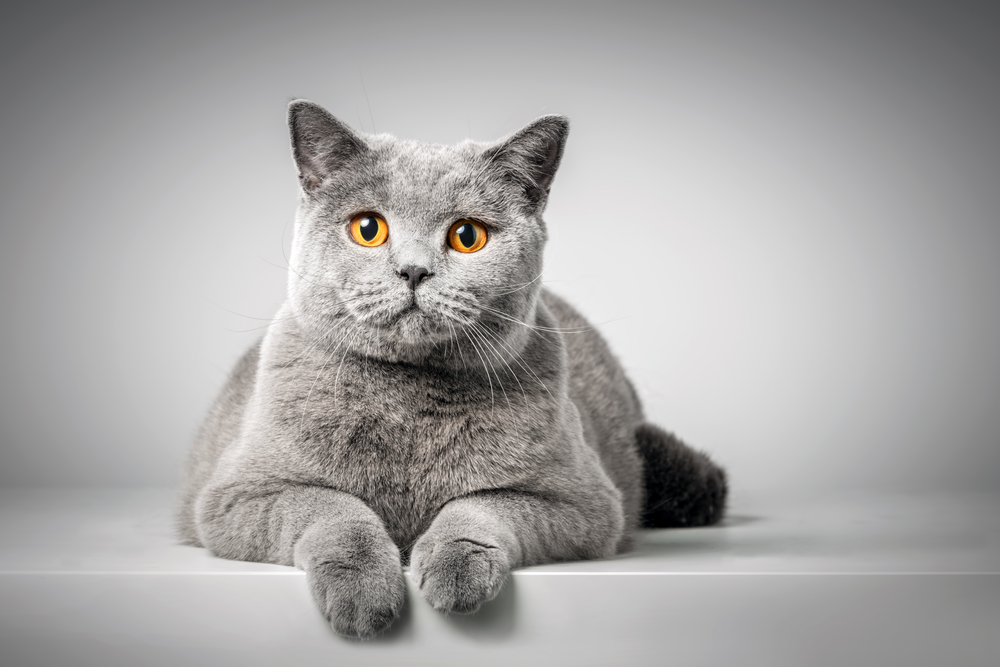
While a slate blue coat is one of the classic colors you’ll see the British Longhair cat in, they also come in a rainbow of other shades. The TICA breed standard accepts all colors, so you’ll find plenty of variety to choose from.
They can have a range of eye colors, from copper to gold, green, and even blue, in cats with pointed coat colors.
3. They’re a fairly recent breed.
The inception of this breed can be traced back as recently as 1914, when British Shorthair cats were crossed with Persian cats in an attempt to create a longhaired variant of the British Shorthair. British Longhairs gained their TICA championship status in 2009.
Final Thoughts
If you’ve been looking for a chunky and laidback longhaired cat breed that’s affectionate yet also independent, the British Longhair could be the perfect breed for you! These cats adore their owners, but they’re also happy to keep themselves occupied while you’re out of the house. In all honesty, they may well sleep the entire time you’re not home!
They get along well with other pets and children but don’t particularly enjoy being carried around. They’ll happily come and sit next to you but won’t always sit on your lap. You may need to encourage a British Longhair to indulge in more exercise than they might want to, as otherwise, they can be at risk of becoming obese.
Having a British Longhair cat in the house means there will always be a friendly face to welcome you home, but they won’t be too demanding in terms of seeking you out for attention. They’re chilled out and always up for a cuddle but are also independent enough to be happy at home on their own.
If you’re the proud owner of a charismatic British Longhair, we’d love to hear more about them in the comments below!
See Also:
British Shorthair Cat Breed Info: Pictures, Temperament & Traits
Domestic Longhair Cat Breed Info: Pictures, Temperament & Traits
Persian Cat Breed: Info, Pictures, Temperament, Traits & Facts
Featured Image Credit: Oleksandr Volchanskyi, Shutterstock

Expert cat care, straight to your inbox
Vet-reviewed advice, behavior tips, and the best of Catster. Free, and you can unsubscribe anytime.
By signing up, you agree to our Terms & Conditions and Privacy & Cookies Policy.

Christian started writing for a local newspaper as a teenager, and he's been involved in the publishing industry for most of his adult life. Combining his love of writing with a passion for animals, he is currently the Director of Editorial at Pangolia and the Editor-in-Chief at Catster.
Christian lives in the Philippines with his wife, son, and four rescue cats: Trixie, Chloe, Sparky, and Chopper.
Join the conversation
Ask a question, share your story, or send private feedback.