How Long Do Bombay Cats Live? Vet-Verified Facts & Data


In this article
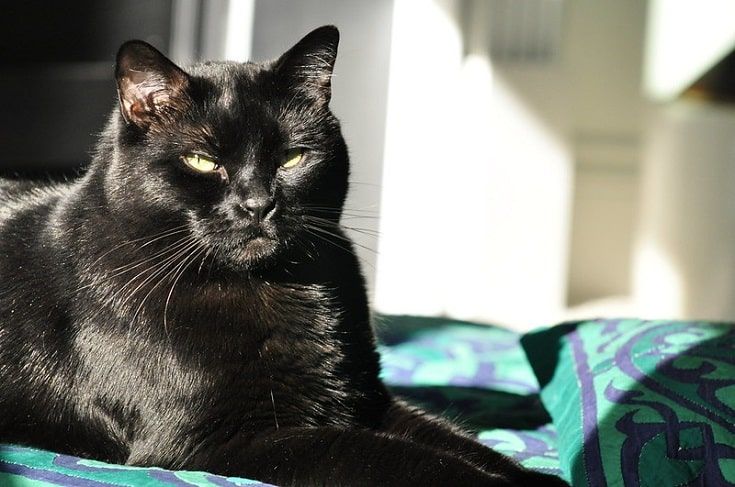
The medium-sized and short-haired Bombay cat has an intriguing personality and striking appearance, which makes it an excellent companion for any pet parent. For such a human attention-craving kitty, you'll want to give your furry friend all the loving care so that they’ll stay by your side forever or at least for a long time.
Factors like diet, overall health, and genetics determine your Bombay cat’s length of life, but on average the life expectancy is from 12–16 years.

What’s the Average Lifespan of a Bombay Cat?
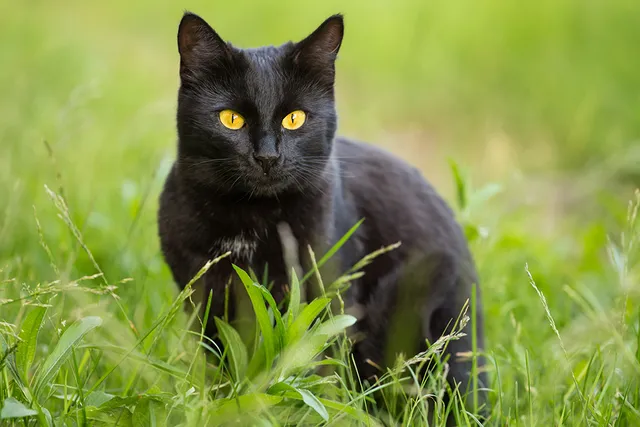
The all-black Bombay cat has an overall life expectancy of 12 to 16 years, but there are instances of this feline living up to 20 years. Cats generally live longer today, thanks to advances in veterinary medicine and cat-informed or community-educated owners.
Life enrichment, activity and exercise levels, access to preventative medical care, and diet play a role in prolonging a Bombay's lifespan.

Why Do Some Bombay Cats Live Longer Than Others?
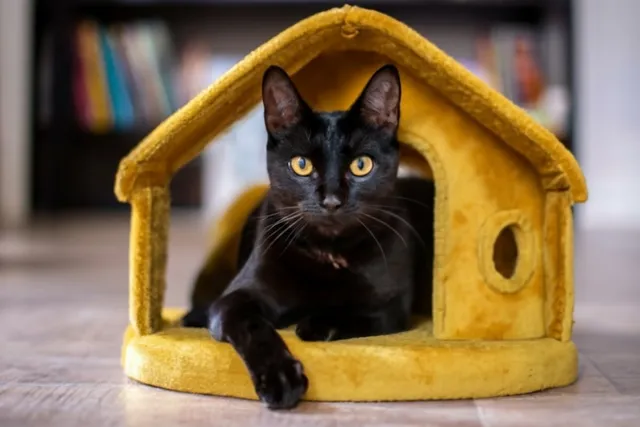
At first glance, the Bombay cat may look like any other black cat, but you'll quickly tell the difference in appearance and temperament. The extroverted cat enjoys a moderately long lifespan, but some live longer than others.
Several factors will influence the lifespan of your Bombay cat, including:
1. Nutrition
Bombays are food lovers, so you'll need to monitor their intake since they can become overweight or obese, which puts them at risk of several health issues, such as feline diabetes. To keep your Bombay cat healthy, give them a diet that includes plenty of animal protein but is low in carbohydrates.
2. Environment and Conditions
Like all cats, your Bombay needs a safe environment to thrive in. The best way to keep a cat safe is to have them stay indoors. However, if you want your cat to explore the outside, make sure that they have been vaccinated, spayed/neutered, and close by. If you live near a road or other dangerous areas, your Bombay could be at risk.

3. Living Quarters
Making sure that your home is cat-proof and comfortable will help make your Bombay feel like a part of the family. The Bombay cat is an agile climber and jumper, a naturally active feline that's playful but restrained. They will do well in close-quarter living due to their people-loving, gregarious, and outgoing nature.
Many Bombays may also thrive in multi-cat households where they’ll quickly establish a pecking order, but they don’t fare well when left alone for long periods.
4. Sex
There aren't known variations between how long male and female Bombay cats will live, but you can improve their lifespan and general well-being with neutering or spaying. Ensure that your cat visits a veterinary clinic regularly and keep updated on vaccinations along with providing suitable nutrition.
5. Genes
There are no major genetic dispositions for the Bombay cat breed, besides the few health conditions recognized in parents breeds of the Burmese and American Shorthair cat, although respiratory issues may arise from the inherited round-faced skull structure.
Bombays tend to be hardy thanks to their Burmese heritage, and while the average lifespan is 15 years, they can live up to 20 years if well-tended. However, their dental alignment is compressed, which puts them at risk of gingivitis, periodontal disease, and other teeth ailments.

6. Breeding History
Knowing the breed history of your Bombay cat helps to foresee any life-threatening issues, and you can catch them early with preventative medical care. Sourcing your kittens from a reputable breeder or seeking information regarding parentage if your cat is adopted allows you to anticipate congenital disorders or a predisposition for certain health issues.
Tests are also available from veterinary medicine practitioners that detect hereditary conditions in breeding pairs and juveniles. Your Bombay will have a better chance at a long life if the breeder had consulted with their veterinarian and performed recommended health and genetic testing.
7. Healthcare
As an offspring of the brachycephalic or flat-faced Burmese breed, the Bombay cat may be more prone to craniofacial issues, respiratory problems, dental diseases, eye discharge, hypokalemia, and diabetes, along with hypertrophic cardiomyopathy, which causes heart wall thickening.
American Shorthairs, which make up the other half of a Bombay cat's genetic heritage, are also prone to hip dysplasia, which can be managed with surgery in some cases.
Due to these genetic risks for Bombay cats, regular vet checks will ensure that any health issues get picked up early on and your cat lives a long healthy life as much as possible.
The 6 Life Stages of a Bombay Cat
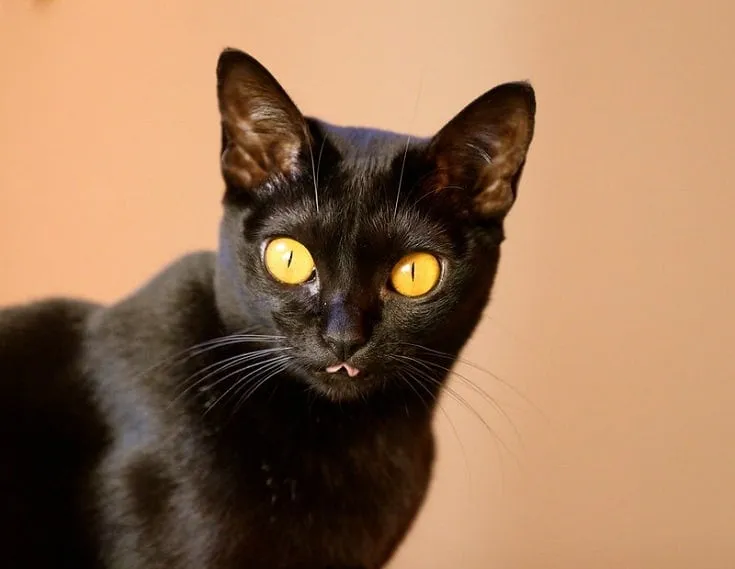
1. Kittens (Birth Up to 6 Months)
Bombay kittens are small and frail. They're blind in the first few days after birth but soon become bright-eyed and have a high drive that puts them at risk of accidents.
The kitten stage of a Bombay cat is the best time to house train them and make introductions to family members and other pets. It’s also essential to have your cat get used to grooming techniques and sessions with a veterinary professional.

2. Junior (7 Months to 2 Years)
Junior Bombay cats are extremely playful, curious, and do not shy from boundaries. At this stage, it’s recommended that you keep your Bombay junior indoors as much as possible to prevent accidents.
Maintain training and good behavior reinforcement throughout this phase as it's when your cat's highly trainable and will have formed a bond with you, their owner.
3. Adult (3 to 6 Years)
Even as a young adult, your Bombay cat will maintain kitten-like behavior with lots of activity that includes jumping, play, and exploration with heightened curiosity and random bursts of playful energy.
4. Mature (7 to 10 Years)
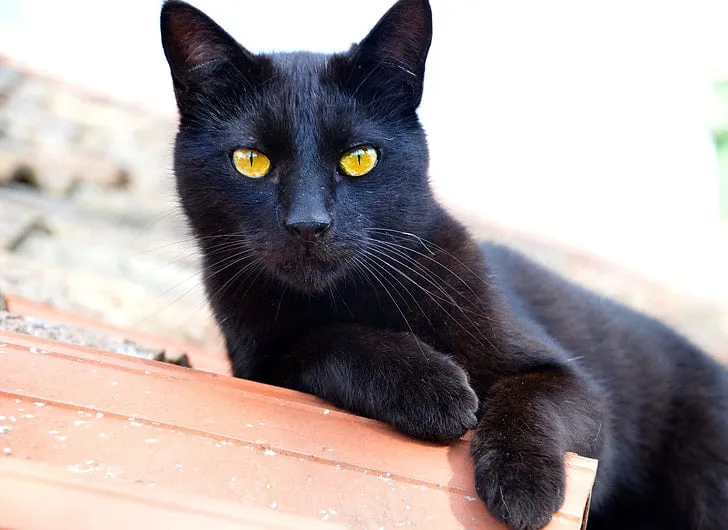
At this age your Bombay may not be as playful as before, although they will still be active and have times of heightened activity.
At this stage in life, it's essential to keep up with regular medical checkups while maintaining a healthy diet.
5. Senior (11 to 14 Years)
Senior cats are equivalent to 60-year-old humans with less activity, lower play drive, and somewhat reduced interest in activities they used to love.
Ensure you take your senior Bombay cat to the vet at least twice a year and more if they suffer from health ailments.

6. Super Senior (15 Years +)
At this age, ensuring your Bombay is comfortable and still enjoying their everyday life is crucial. Keep up with regular vet checks and any treatments or recommendations provided.
How to Tell Your Bombay Cat’s Age
Studying aspects of your cat's behavior, energy levels and physical traits such as their weight, teeth condition, and playfulness, will tell you an estimated age of your Bombay cat. You can consult a vet, who'll make a more accurate estimate using markers like the feline's eye health.
A Bombay kitten will have deciduous teeth, which get replaced when the cat is around 6 to 7 months old. It's not uncommon for older Bombays to have discolored teeth, although a diligent dental care regimen can help to hide such age markers.
Throughout their prime years, a Bombay is more likely to maintain optimal weight due to their kitten-like behavioral traits until middle age. If overfed, adult and mature cats are prone to obesity as they slow down and become calmer.
The older a cat is, they may groom less often so an older Bombay's coat may have coarser and thicker fur. If you notice signs of cloudiness in your cat's eyes, there's a likelihood they’re 9 to 10 years or older, although it can also point to an underlying health issue in younger cats.

Conclusion
Bombay cats have an average lifespan of 12 to 16 years. While factors like genetic and health predispositions, nutrition, and healthcare may influence their longevity, your cat's charming, attentive, and human-loving personality will hopefully keep you company for quite a few years.
See also: Bombay Cat Price: How Much Do They Cost
Featured Image Credit: Steven Reynolds, Flickr
Expert cat care, straight to your inbox
News, insights, and useful advice, delivered to you.

No spam — unsubscribe anytime.
By signing up, you agree to our Terms & Conditions and Privacy & Cookies Policy.
How useful was this post?
Click a star to rate. You can leave written feedback afterwards. (We read all feedback.)
Christian started writing for a local newspaper as a teenager, and he's been involved in the publishing industry for most of his adult life. Combining his love of writing with a passion for animals, he is currently the Director of Editorial at Pangolia and the Editor-in-Chief at Catster.
Christian lives in the Philippines with his wife, son, and four rescue cats: Trixie, Chloe, Sparky, and Chopper.