


Cats are particular about where they sleep. Not just a little particular, but obsessively, methodically particular. They’ll test seventeen surfaces, circle a spot four times, and reject a $200 cat bed in favor of a cardboard box. Where a cat chooses to sleep isn’t random. It’s information.
And when that choice changes—suddenly or gradually— it usually means something in their world has shifted. Sometimes it’s minor. Sometimes it’s worth paying attention to.
Now, if your cat has recently stopped sleeping with you, you may be taking it personally and wondering why. It’s a question that puzzles cat owners everywhere. Your once-loyal bedtime companion now prefers the couch, the closet, or literally anywhere else. While there are common explanations for this behavior shift, some reasons might surprise you.
The truth is, cats are creatures of comfort and routine. When they change their sleeping habits, something in their world has shifted. Let’s explore what might be going on and what you can actually do about it.

The Stress Connection

Cats hide stress better than they hide from the vacuum cleaner, but it shows up in their sleep patterns. Environmental changes hit them hard: a new roommate, rearranged furniture, a different work schedule, or persistent loud noises from construction next door.
What actually helps: Create predictable calm. Spend more time with them during the day, especially if your schedule changed. Make sure multi-cat households have enough resources. Separate food bowls, water stations, and litter boxes prevent territorial anxiety. Give them hiding spots like cardboard boxes where they can decompress. If the behavior persists alongside other changes, your vet can rule out anxiety disorders.
When Pain Changes Everything
A cat in pain becomes a master of disguise, but their sleep gives them away. They’ll shift positions constantly, avoid jumping up to their usual spots, or seek out different surfaces depending on what hurts.
This could stem from arthritis in older cats, dental pain, urinary tract issues, or injuries you didn’t witness.
What actually helps: Book a vet appointment, especially if you notice other subtle changes like reluctance to jump, different walking patterns, reduced grooming, or new vocalizations. Treatment ranges from medication and dietary changes to physical therapy, laser therapy, or acupuncture, depending on the diagnosis.

The Boredom Factor
An under-stimulated cat is a restless cat. If your indoor cat spends 16 hours a day staring at the same four walls with nothing to hunt or investigate, they might relocate to a more “interesting” sleeping spot like the windowsill with the bird view.
What actually helps: Puzzle feeders turn mealtime into mental work. Rotate toys instead of leaving the same ones out indefinitely. Install cat shelves near windows for vertical territory and entertainment. Even 10 minutes of interactive play before bed can tire them out enough to return to old sleeping patterns.
Temperature Troubles
Cats seek out their comfort zone obsessively. If you recently started blasting the AC, your fluffy cat might abandon your bed for the warm laundry pile. Conversely, if you’re a furnace sleeper and summer hit, your shorthair might relocate to the cool bathroom tiles.
What actually helps: Keep your home temperature consistent where possible. Provide options: a heated bed in winter, access to cooler rooms in summer. If your cat seems excessively hot or cold despite normal temperatures, that’s a vet visit.

Health Issues Lurking Underneath
Sometimes the reason is medical, but not painful. Think thyroid issues, kidney disease, or urinary problems. These conditions can cause restlessness, increased thirst (meaning more bathroom trips at night), or general malaise that makes them seek different sleeping arrangements.
What actually helps: Watch for accompanying symptoms like increased water consumption, litter box changes, weight loss, or decreased grooming. Annual vet checkups catch these issues early. Treatment varies depending on diagnosis and may include medication, surgery, or specialized diets.

You’re the Problem (Sorry!)
If you snore loudly or thrash around at night, your cat may get tired of the disturbance. Cats are light sleepers who wake easily, and if your sleep patterns make you an unreliable bed partner, they’ll find somewhere quieter.
What actually helps: For your cat, provide a cozy alternative bed in a peaceful room. For you, consider seeing a doctor about sleep apnea or allergies. Treatments range from medication to CPAP machines for severe sleep apnea.
Outside Interference
Other cats prowling outside your bedroom window can turn your cat’s favorite sleep spot into a stress zone. The sounds, scents, and visual stimulation of outdoor cats can trigger territorial anxiety.
What actually helps: Heavy blackout curtains block both the sight and sound of outdoor cats. Pheromone diffusers create a calming environment that counteracts anxiety from outside threats.
New Additions to the Family
A baby or new pet changes everything for a resident cat. Unfamiliar sounds and new scents can make your bedroom feel like foreign territory. Some cats adapt quickly; others need time and space.
What actually helps: Give your cat a separate, quiet room during the adjustment period. Gradually reintroduce them to shared spaces. Make sure they still get one-on-one attention so they don’t feel replaced.

Final Thoughts
Most sleep location changes aren’t emergencies. Cats are independent, and their preferences shift. If your cat seems healthy otherwise (eating normally, playing, grooming, using the litter box consistently), they probably just found a new favorite spot.
The time to worry is when the behavior change comes with other red flags: hiding constantly, appetite changes, litter box issues, or visible discomfort.
Set up a comfortable alternative sleeping area with their favorite blanket or an unwashed shirt that smells like you. Give them time. Most cats eventually cycle back to their old spots once they’ve worked through whatever prompted the change.
And if they don’t? They’re still your cat, just a more independent roommate than you thought.
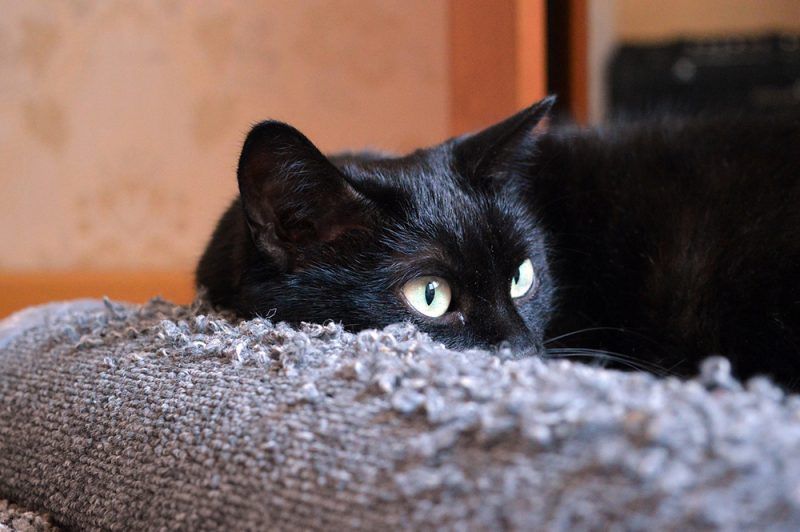
Feature Image Credit: Alex Zotov, Shutterstock
Did You Know?
 The Stress Connection









2 Responses
Dan,
Thank you for your interesting articles in This Caster Publication. Are you a free-lance writer or in some other way connected to this publication? How do you know so much about cats?
How do you keep up to date on cat behaviors, etc. with so much travel and no pets at home?
thanks, again, for your input.
Best,
Ceciley
Hi Ceciley, thanks for reading! I work for Catster and keep up to date through my genuine love of cats, and by chatting about all things cat with my cat-obsessed colleagues (cat parents, experts, and veterinarians). I also get to meet other peoples cats everywhere I go!
Dan