Dealing With an Aggressive Cat? 7 Vet-Verified Reasons Why Cats Become Aggressive



Even the most experienced cat caretakers can find themselves charged up on adrenalin when having to face a cat in the midst of a fit of aggression. But encountering a hissing, growling, screaming, and possibly even scratching and biting cat can strike terror into the hearts of people who don't know how to handle an aggressive cat.
But cats don't just suddenly go crazy: There are almost always warning signs and there's almost always a good reason for cat aggression. Here are seven reasons why cats become aggressive and how to handle an aggressive cat.

The 7 Main Reasons Cats Become Aggressive
1. Cats Become Aggressive Because They're in Pain
Cats who are in pain will respond with hisses and swats when sensitive areas are touched. My cat, Siouxsie, does this if I accidentally put pressure on her sore hips. A hard yank on the tail, for example, can be quite painful. Ignore the warning signs and a scratch and possibly even a bite may follow. This is especially true if the pain is a result of physical abuse such as being kicked or hit.
2. Fear Can Cause Cat Aggressive Behaviors
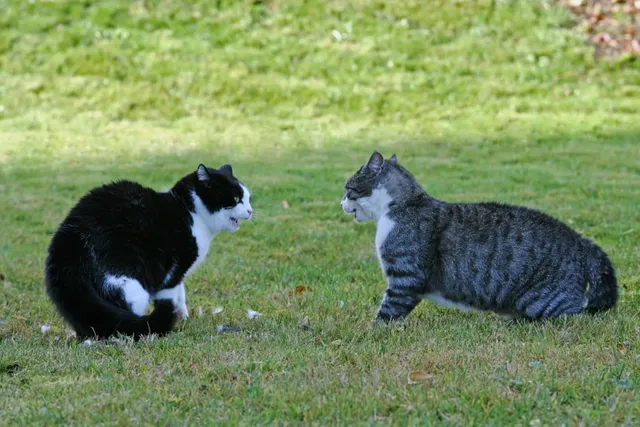
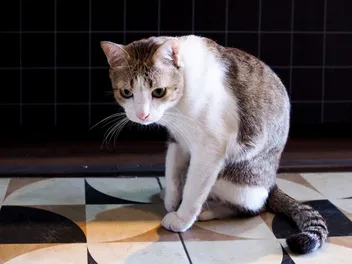
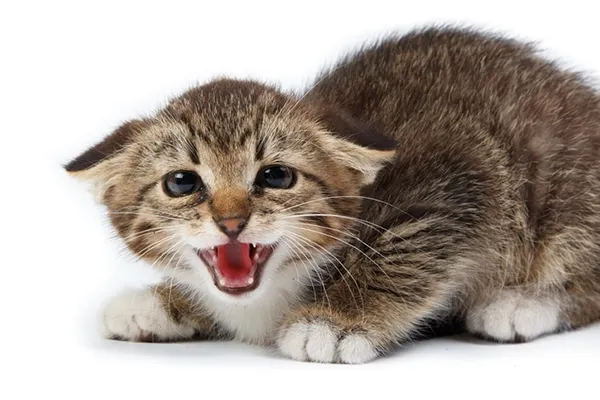
A terrified cat will respond with body language that's obvious to an experienced cat caretaker: She will turn sideways and puff up her tail and fur in order to look larger. Her ears will flatten backward, she will hiss and her pupils will dilate. Attempting to approach a cat in this state is risking an aggressive reaction, not because the cat dislikes you but because she's in the middle of a panic reaction.
3. Hormones May Contribute to Aggressive Behavior
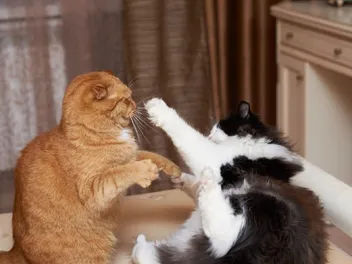
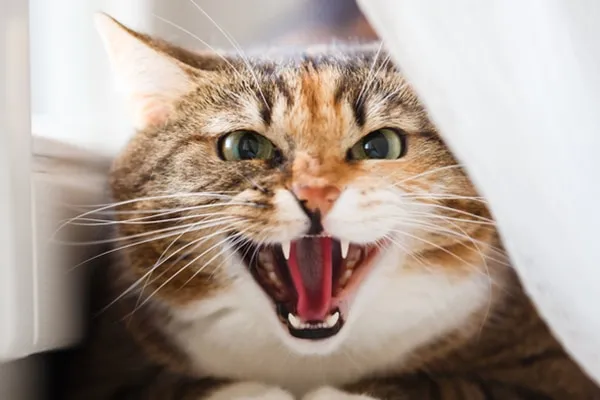
Cats who haven’t been spayed or neutered can display hormone-driven behaviors, including certain behaviors perceived as aggressive. Intact males, in particular, may fight with other males when a female in heat is nearby, as they naturally compete for mating opportunities. If you witness two cats fighting, avoid stepping in physically—there’s a high risk of being scratched or bitten. Instead, use loud noises or another safe distraction to break up the conflict from a distance.
4. Cats Can Get Aggressive Due to Frustration
"Redirected aggression" is the term used when cats behave aggressively towards other pets or humans because they can't reach the object of their predatory passion. For example, an indoor cat who sees another cat walking by or marking his territory in "his" turf may get into a highly reactive state. At that point, anyone unfortunate enough to be nearby, whether that's another cat, a dog or a person, may end up on the receiving end of the cat's aggression.
5. Cat Aggression Happens Due to Stress
If a cat lives in a highly stressful environment -- for example, a home in which people are fighting or a home with too many cats -- it's quite possible for that cat to be quick to respond aggressively. Like children who live in homes with a lot of verbal and physical violence, or a lot of unspoken anger, cats often act out the dynamics of their human families.
6. An Aggressive Cat Might Be Responding to Trauma
Don't laugh: Cats can suffer from post-traumatic stress. Their brains are wired similarly to ours, and the effects of chronic anxiety from past human violence or struggling to survive on the streets can lead cats to become aggressive. To resolve this issue, a short course of anti-anxiety medication (prescribed by a vet, of course; don't give your cat your antidepressants, please), homeopathic remedies or flower essences can help make a cat less reactive to triggers. Ask a veterinarian for more options on how to successfully and naturally calm your cat.
7. Hyperthyroidism Can Contribute to Aggressive Behaviours
Although it’s not the most common cause of aggression, medical conditions like hyperthyroidism can lead to noticeable changes in a cat’s behavior. When thyroid hormone levels are elevated, some cats may become unusually irritable, restless, or reactive. In these cases, treating the underlying thyroid disorder is essential, as behavior often improves once hormone levels are properly controlled.
Related: Do You Have an Aggressive Cat — or Just a Brat?!
The bottom line on handling an aggressive cat
No matter what the cause of the aggression, there are almost always warning signs. If you understand feline body language, you will be able to see that your furry friend is getting wound up before the situation escalates to a crisis point. If you have a highly reactive cat and you want to help him or her, be aware that it will take time and patience -- but take it from a person who has rehabilitated traumatized cats: The reward is so worth the effort!
Related Reads:
Feline Non-Recognition Aggression: 4 Tips for Reintroducing Your Cats After One Returns From the Vet
5 Signs of Aggression in Cats: Vet-Reviewed Behavior Problems to Watch For
Featured Image Credit: Anna Kraynova, Shutterstock

Expert cat care, straight to your inbox
Vet-reviewed advice, behavior tips, and the best of Catster. Free, and you can unsubscribe anytime.
By signing up, you agree to our Terms & Conditions and Privacy & Cookies Policy.
JaneA is the webmaster and chief cat slave for Paws and Effect, an award-winning cat advice blog written by her cats, for cats and their people. She is a professional member of the Cat Writers’ Association, and has been a speaker at the BlogPaws and Cat Writers’ Association conferences. In addition to blogging about cats, JaneA writes contemporary urban fantasy, and whatever else strikes her fancy.
Join the conversation
Ask a question, share your story, or send private feedback.