Why Is My Cat Quiet Suddenly? 4 Vet-Reviewed Reasons


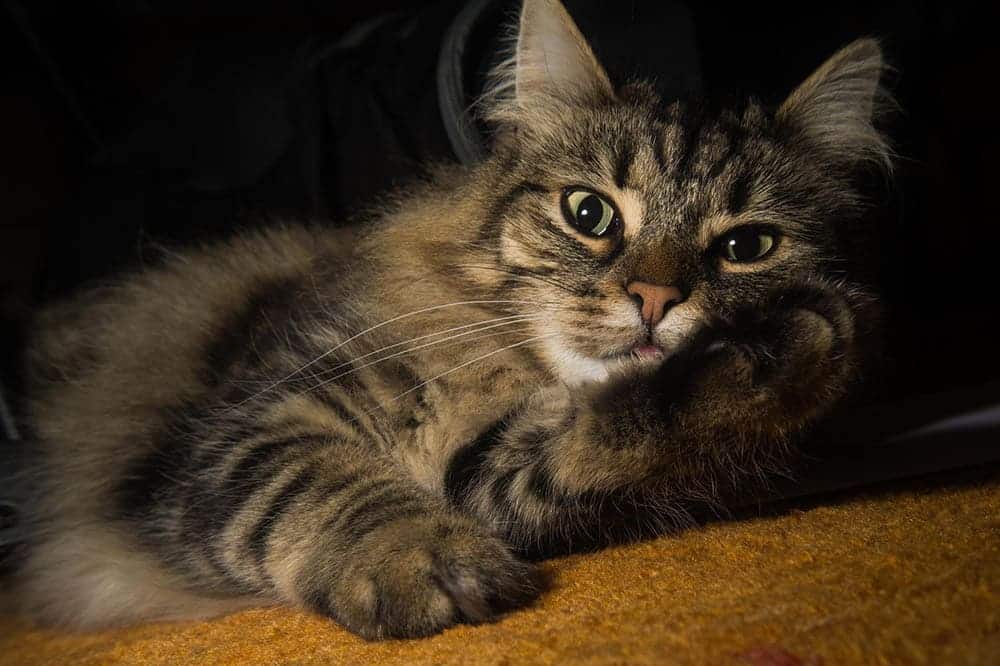
Any change in feline behavior is potentially troublesome. Usually, changes in behavior are associated with illnesses and stress. These underlying causes range from mild to serious. For instance, many cats experience changes in vocalizations when they are ill.
However, determining if the condition is serious or minor can be difficult and always requires veterinary attention. Often, you have to look at other signs and your cat’s environment to make a judgment.
A cat can suddenly become silent for a variety of reasons. Below, we’ve listed some of the most common reasons to help you determine which is probably behind your cat’s zipped lips.

The 4 Reasons Why Your Cat is Quiet Suddenly
1. Changes in Life Circumstances
When cats are first adopted, they can sometimes barely meow. Often, this is a sign of stress. The cat isn’t sure what’s going on or where they are. Cats may feel unsure and frightened due to all the new scents and people, and even unfamiliar pets. They may hide and avoid interaction as they feel overwhelmed and need time to get familiar with their new living circumstances. Similar may happen if there is a big change in their living situation, such as the loss of a pet or person they had a close bond with, the arrival of a new pet or baby, the owner's absence due to work commitments, and others.
As whatever change they were exposed to subsides and they slowly settle into a new routine, they’ll start to behave more like themselves and go back to their normal meowing patterns. After a few weeks, most newly adopted cats settle down and may be more laidback than they were during the first week. As they come out of their shell or accept a new family member, they may again start becoming more vocal in their demands for food and attention.
Furthermore, kittens and adolescent cats often go through growth changes. During this period, they can be more or less noisy, since they’re experiencing physical changes.

2. Stress
Cats can also become quiet if they are stressed. Usually, when a cat is stressed, they won’t want to draw attention to themselves. Instead, they’ll want to hide and remain out of sight. Therefore, they may quit vocalizing as much and spend quite a bit of time hiding.
If something new has occurred in your cat’s environment, this is likely to be the case. Even small changes like furniture rearrangements can cause some cats to stress. If your cat is upset, they may not meow. Just like humans, cats may not feel very sociable if they are sad or stressed. Often, this occurs when cats experience some sort of change, such as a move or the loss of a companion. Usually, cats adapt to smaller changes quickly if they are exposed to them gradually and will be back to their old self in a few days.
Sometimes, cats may only quit meowing and perhaps sleep a bit more—but not show other signs of stress. While this is typically still “stress”, cat owners are more likely to identify it as sadness or depression.
However, larger changes often take longer for them to adapt, if unprepared and sudden. Introducing a new cat to the house can stress out your current cat for weeks or even months, especially if introductions are rushed. There are some ways to limit this stress, such as by using pheromones and introducing new family members slowly. In some cases of more profound stress or anxiety, medication may be necessary. Often, time and patience are all that is needed, though.
3. Illnesses
In the wild, cats are constantly under threat of larger predators. While cats are predators themselves, there are many larger predators out there that may hunt them. Therefore, cats are extremely good at hiding their illnesses. In the wild, showing signs of an illness can make them a prime target for other predators.
Cats are extremely good at hiding signs of illness. Often, owners don’t even notice their cat is sick before the cat is very sick and in need of emergency care. If your feline is sick, they may start by acting reserved and quiet. They’ll likely be stressed and not want to draw attention to themselves. Therefore, they may quit meowing and spend more time being quiet.
Often, there are very few signs that your cat will show at this stage. However, any sort of apathy, changes in appetite, drinking, urination, defecation, or other behavioral changes may signal that your cat is sick. If you don’t think your cat is experiencing one of the other problems on this list, a trip to the vet is probably in order. Even if you think the lack of vocalization is caused by something else, you may want to contact a vet, anyway.
4. Injuries and Pain
Some injuries and painful conditions can prevent your cat from meowing, including those that may affect the throat. However, because cats are so good at hiding their discomfort, you may never know that they are injured or ill, to begin with.
Therefore, the only sign that they are injured may be their decreased or sometimes abnormal-sounding vocalization. Usually, injuries that affect meowing involve the throat. Just like a person with strep doesn’t want to talk much, a cat with a throat issue may not meow much, either. Foreign bodies, polyps, inflammation, infection, and tumors can also cause problems with meowing, as they may prevent the larynx from working properly.
Some of these conditions can be quite serious, and all will require a check-up at the vet. For instance, your cat may have eaten something they weren't supposed to which damaged their throat or ended up being stuck there. Not only can these injuries get infected and cause all sorts of problems, but the foreign object when swallowed can also damage the digestive tract.
When your cat gets injured, the best option is to visit the vet. It is impossible to know for sure what the injury is at home. Therefore, you should visit the vet to ensure that it isn’t something serious.

Conclusion
There are many reasons why a cat may stop meowing. On the more serious end, illnesses and injuries can lead to your cat’s inability to meow. Therefore, if your cat suddenly stops meowing, you should contact a vet.
With that said, changes in life circumstances and stress can cause excessive quietness, as well. Some cats may meow more when they are stressed, though, while others will resort to staying quiet and hiding. Speak to your vet in order to rule out medical causes for the change in your cat’s meowing and if it’s down to stress, ensure they have a safe quiet place to withdraw to without being disturbed and use pheromone diffusers to provide them with comfort and reassurance.
Featured Image Credit: Pklaschka, Pixabay

Expert cat care, straight to your inbox
Vet-reviewed advice, behavior tips, and the best of Catster. Free, and you can unsubscribe anytime.
By signing up, you agree to our Terms & Conditions and Privacy & Cookies Policy.
Kristin is passionate about helping pet parents create a fulfilling life with their pets by informing them on the latest scientific research and helping them choose the best products for their pets. She currently resides in Tennessee with four dogs, three cats, two fish, and a lizard, though she has dreams of owning chickens one-day!
Join the conversation
Ask a question, share your story, or send private feedback.