What Is a Cat Kiss? Feline Affection Explained
In this article
Scientists have come far in understanding cat body language, but there is still a lot we don’t know. We cannot know what goes on inside a cat’s head. They don’t exactly talk, which means we typically have to use roundabout methods to figure out what they mean.
Cats do have a lot to say despite not speaking like we do. They constantly use body language to talk to their owners and communicate with them.
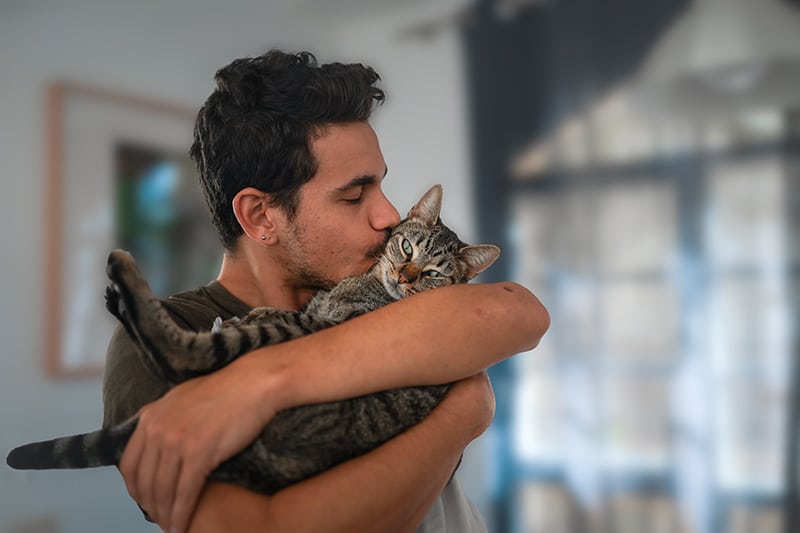
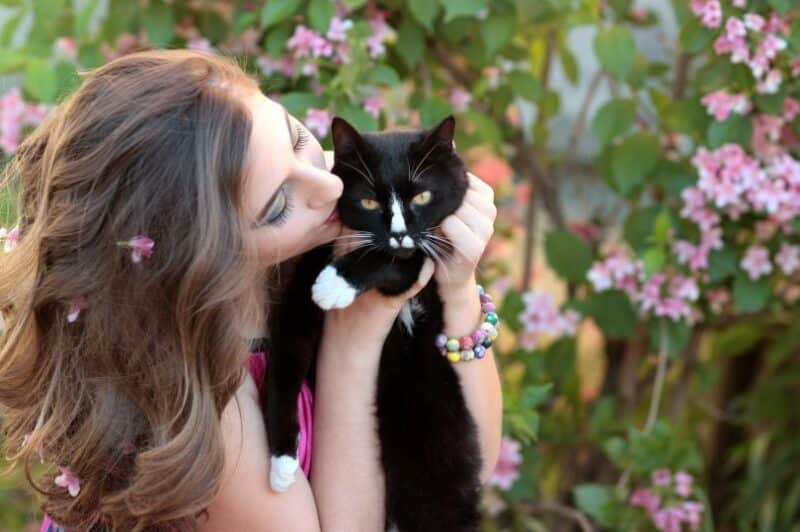
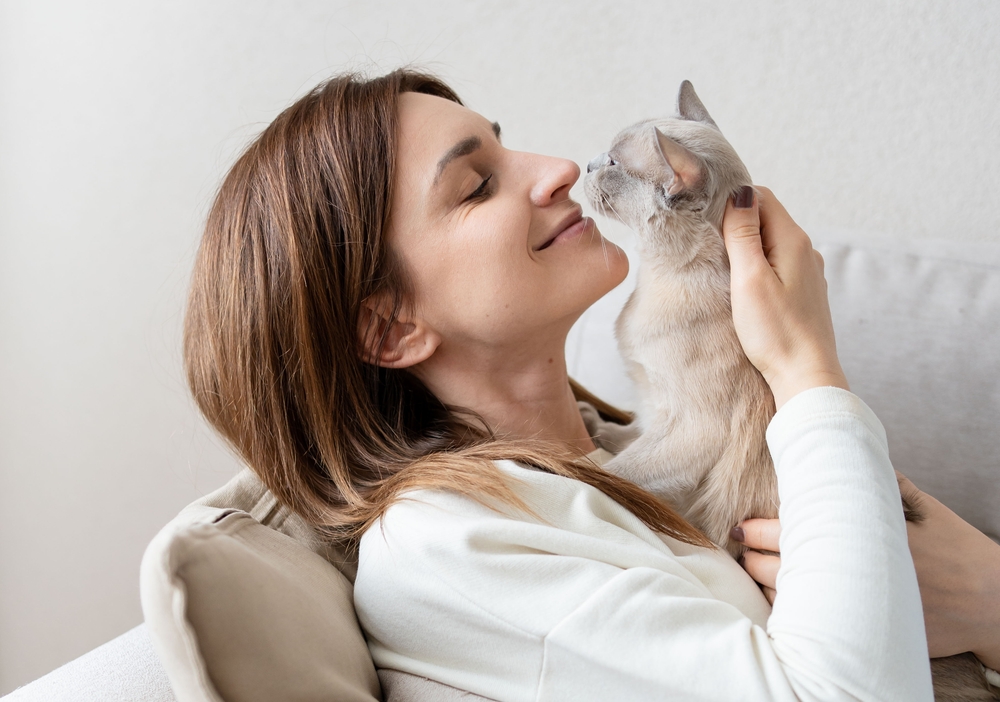
Cats may not kiss the way humans do, but they do have several ways they show affection. We’ll review some of these ways below, including the lowdown on cat kisses.

What Is a Cat Kiss?
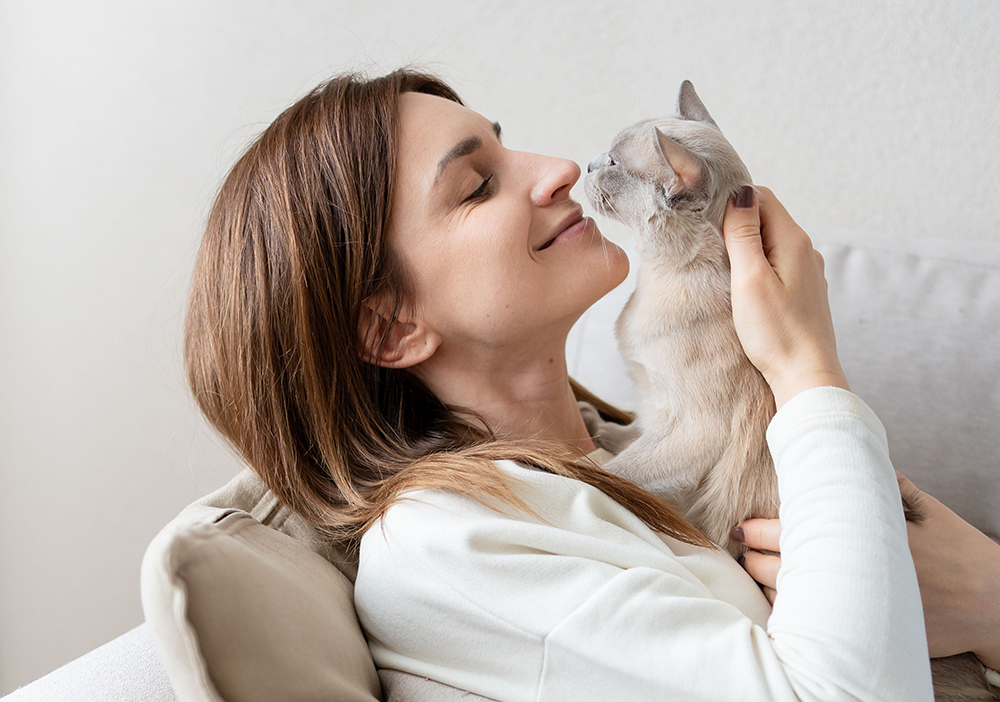
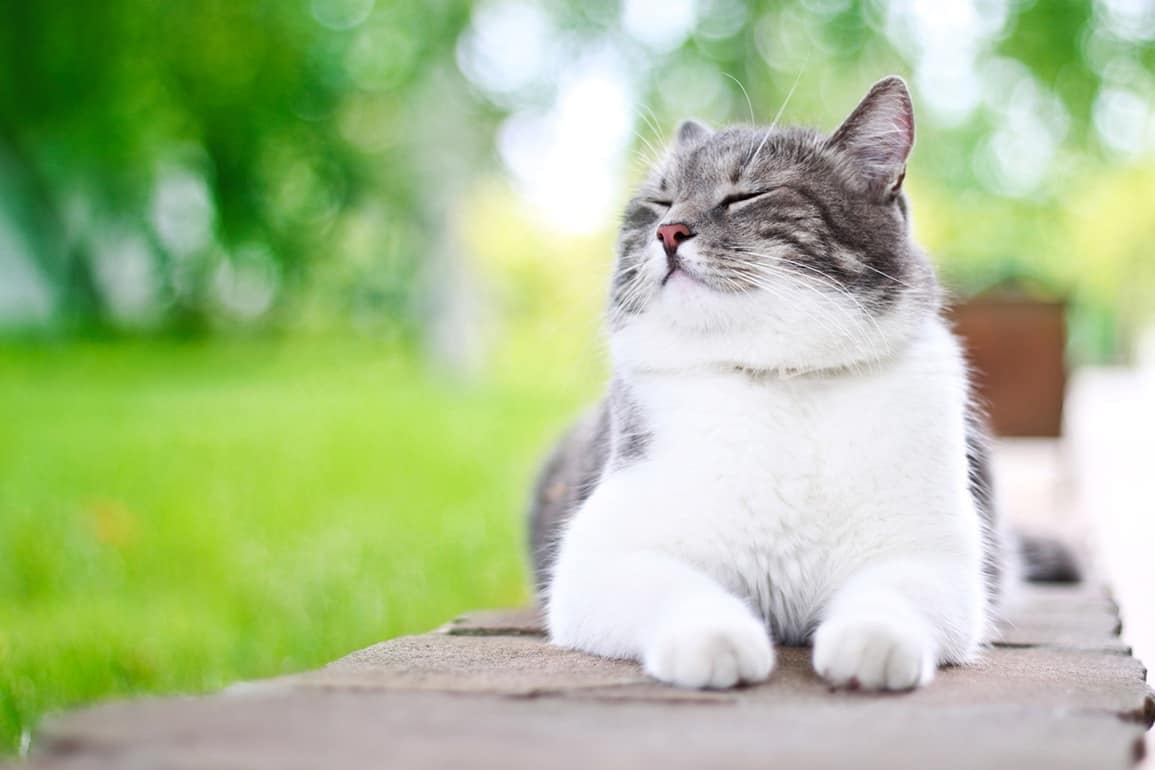
One of the most unique ways that cats show affection is through the “slow blink,” which functions as an invitation for attention—this is what’s commonly referred to as a “cat kiss”. Simply put, the slow blink is just like any other blink. However, it is extra slow and relaxed. It’s a sign of trust and affection. Some cats will do it when they want their owners to pet them.
Your cat may also understand the slow blink if you do it. It’s one of the few ways humans can try to communicate back to cats on their own terms, but whether they fully understand it, we cannot be sure.

Other Ways Cats Show Affection
While the slow blink or cat kiss is one of the most endearing ways cats show affection, there are also several others, including:
- Purring: Most people know what a cat purr is, and it’s one of the most common body language signs associated with contentment and happiness. However, cats can also purr for other reasons, including pain. It’s important to look at other signs of them, too.
- Bunting: Most people also know what “bunting” is. This occurs when the cat rubs their head, body, or cheeks against you. It’s a way of transferring their scent to you, which signals you as part of their “colony.”
- Kneading: Some cats knead all the time, while other cats may not knead at all. Usually, this is accompanied by purring, and it resembles how a kitten nurses. Some cats may even suck on whatever they are kneading on.
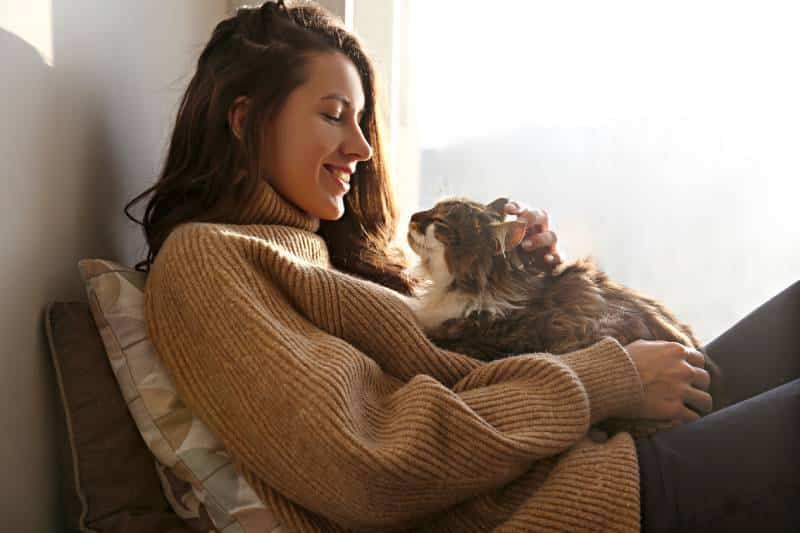
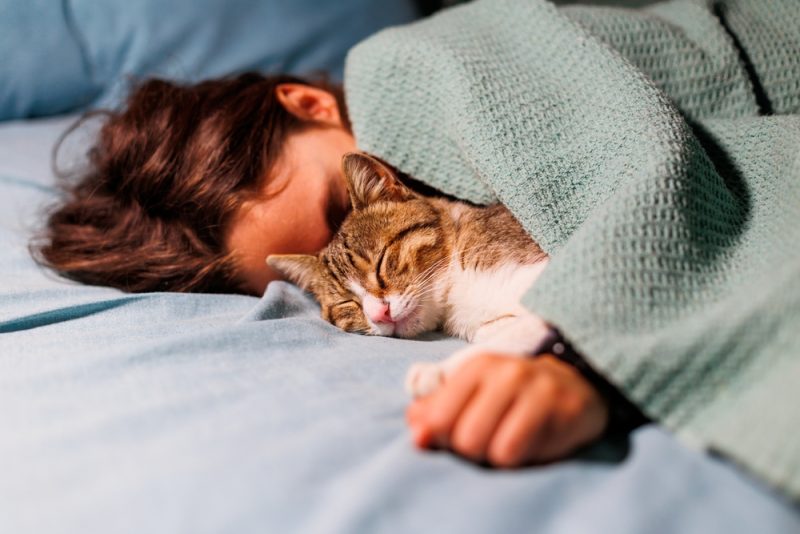
- Sleeping on or near you: Cats that feel safe in your presence will often choose to curl up in your lap or near you. Some cats like sitting in laps, while others do not. Often, this is a personal preference, not a sign of whether or not your cat likes you.
- Tail language: You can tell a lot about your cat’s feelings through their tail. A relaxed, slightly upright tail signals that your cat is content and happy. Often, the tip will be slightly curved. A gently swaying tail can also indicate excitement or playfulness.
- Grooming you: If your cat licks your hands or hair, they’re likely trying to groom you. This behavior is a traditional way cats build relationships, so it’s a signal that they like you.
It’s important to remember that cats are individuals, and some may use these behaviors more than others. Some cats may never slowly blink and instead spend their time licking you, while others may hardly ever knead.

Why Are Some Cats More Aloof than Others?
Interacting with a very affectionate cat and then a very aloof cat can be a bit nerve-wracking. It’s easy to think that your cat doesn’t like you if they aren’t as affectionate as other people’s cats. However, this is often far from the truth. Cats are naturally independent creatures, and their behaviors depend a lot on their temperament and character.
Some cats may be shyer, which makes them naturally less open in their communication. Other cats may be hesitant to show affection due to a poor past experience, particularly in a new home in the very beginning. They are likely to become more affectionate as more time passes and they settle in. Cats that aren’t properly socialized may always be a little less open about their feelings.
However, patience and positive reinforcement can help bring these cats out of their shells. Still, you shouldn’t expect every cat to be very affectionate and constantly show the behaviors we described above. We highly recommend that you learn to be open and accepting of your cat’s personality.

How Can I Encourage My Cat to Show Me More Affection?
The most important thing you should do is create a safe, loving environment. It’s important not to push your cat to have temperament traits they just don’t have. You should be open to how your cat acts, even if they aren’t as affectionate as you would like them to be.
However, there are some things you can do to encourage your cat to be more affectionate. Spend quality time with your cat every day. This may include playing, petting, and simply sitting together. Your cat won’t bond with you if you aren’t around very much.
Always respect your cat’s boundaries. Don’t force your cat to interact with you if they don’t want to. If they seem uncomfortable, back off a bit. Use positive reinforcement and show your cat that playing together is a joyful and relaxed experience. Petting, praise, and treats all work well as your cat is comfortable with them.
Of course, all of this takes time. It’s important to be patient and let your cat warm up to you slowly. Cats do not like being pushed into interactions, as it can make them feel threatened. Not all cats are as people-oriented as most dogs are, so it’s important to enjoy your relationship with them on their terms.

Final Thoughts
Cats may not show their affection like we do, but they do still feel and show it. It just takes some understanding on our part to figure out their body language. Cats can feel six basic emotions. However, these are sadly not yet very fully understood by science. Often, problem behaviors develop when we do not understand exactly how our cats are feeling, if their needs are not fulfilled, or if they are stressed, bored, frustrated, or scared.
Cats show affection through many different types of body language. The slow blink or “cat kiss” is one of the most common and can be copied by humans to try and communicate with their feline.
Sources
Featured Image Credit: Julija Sulkovska, Shutterstock

Expert cat care, straight to your inbox
Vet-reviewed advice, behavior tips, and the best of Catster. Free, and you can unsubscribe anytime.
By signing up, you agree to our Terms & Conditions and Privacy & Cookies Policy.

Kristin is passionate about helping pet parents create a fulfilling life with their pets by informing them on the latest scientific research and helping them choose the best products for their pets. She currently resides in Tennessee with four dogs, three cats, two fish, and a lizard, though she has dreams of owning chickens one-day!
Join the conversation
Ask a question, share your story, or send private feedback.