History of Tuxedo Cats - Taking a Look at Their Past
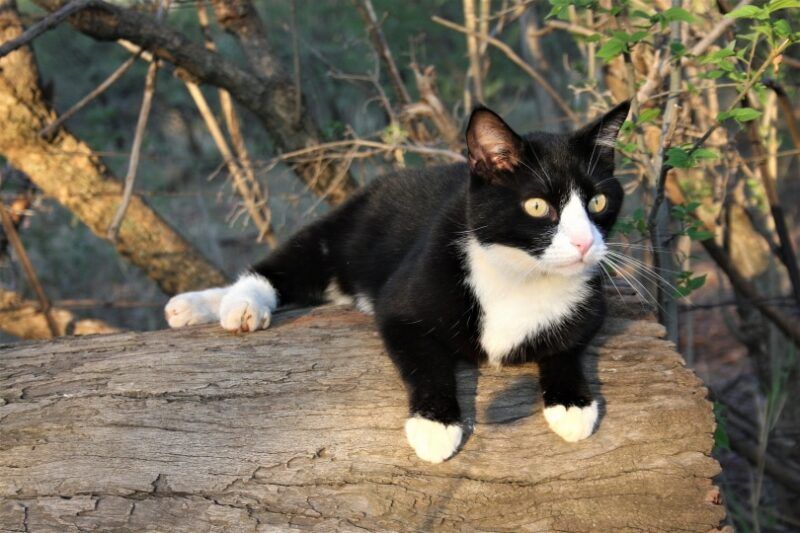
With their gorgeous black and white coats, tuxedo cats appear ready for a night on the town. Anyone can recognize a tuxedo cat when they see one, but few realize they're not a breed. Still, tuxedo cats have a place of honor among cat lovers. Their refined, aristocratic appearances, intelligence, and loving natures make them popular cats throughout history. Below, we discuss the fascinating history of tuxedo cats.

What Are Tuxedo Cats?
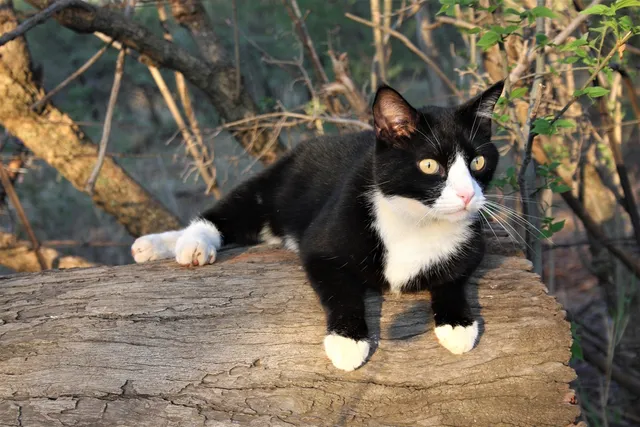
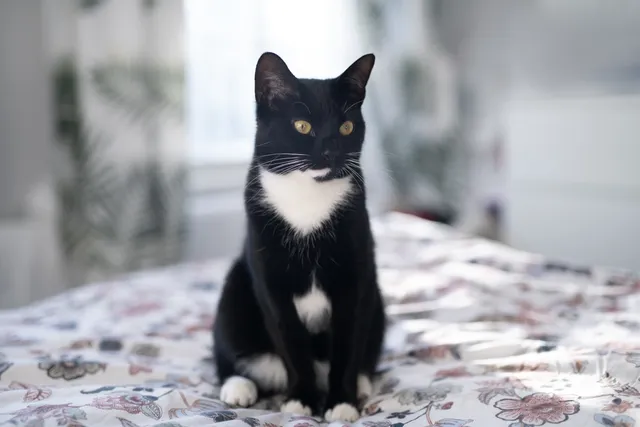
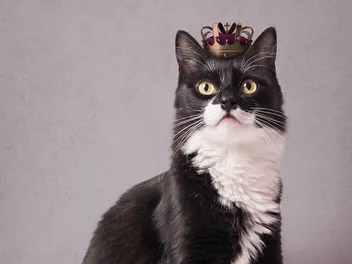
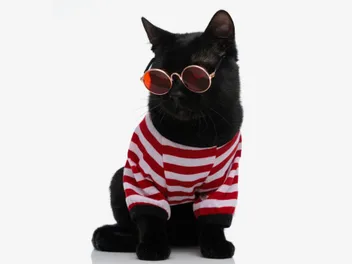
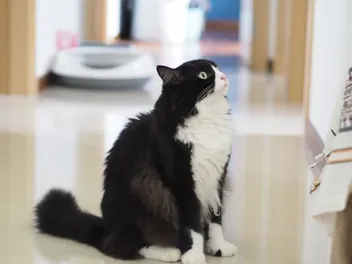
Tuxedo cats are recognizable by their distinct coloring. With their black fur and white chests mimicking the appearance of a tuxedo, the cats always look like they’re dressed to impress.
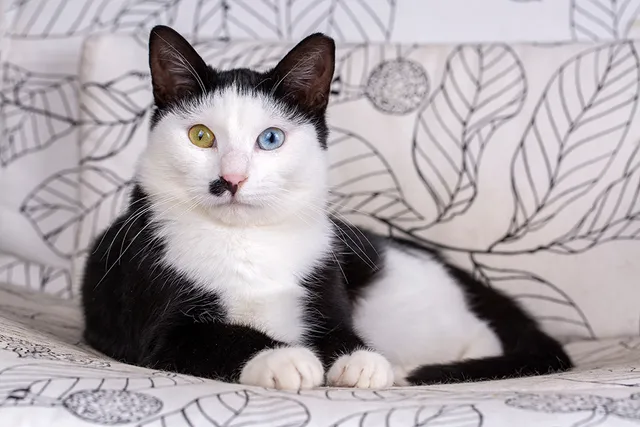
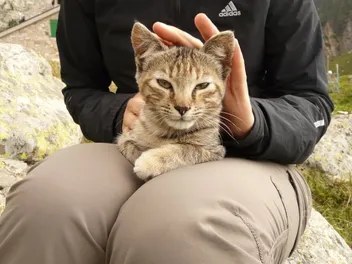
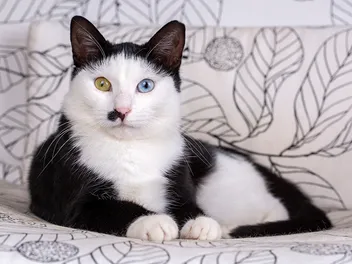
Tuxedo cats are not a breed, but their name refers to the specific patterning of their fur. While the traditional black and white colors of formal wear are more recognized as the coloring for tuxedo cats, not all black and white cats are tuxedo cats.
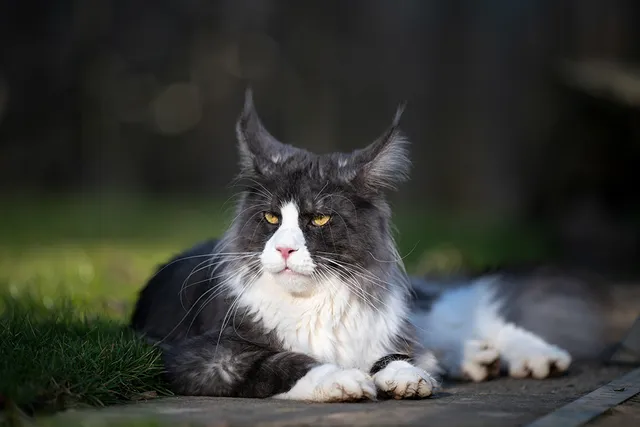
The same can be said for tuxedo cats. Breeders don’t limit the patterning to black and white fur but allow a range of gray and white or ginger tuxedo cats to join the ranks. There are even a few white tuxedo cats that have black undercarriages.
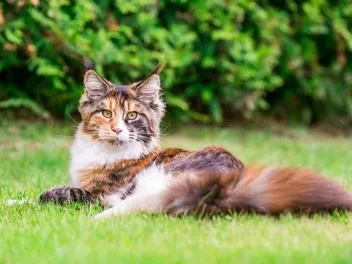
Since what makes a tuxedo cat is a specific pattern of color, the cats can be various breeds. A few cats that display this patterning include:
- Maine Coon
- American Shorthair
- Scottish Folds
- Norwegian Forest cats
Unlike calicos and tortoiseshells, which are primarily female, tuxedo cats are equally likely to be male or female.

Where Did Tuxedo Cats Originate?
Since they’re not a breed, it isn’t easy to know precisely where tuxedo cats originated. The earliest depictions of tuxedo cats date back to Ancient Egypt. The Ancient Egyptians loved cats. Considered "mutually beneficial companions," they were allowed to take shelter from the heat inside households in exchange for handling pests like rats, snakes, and even scorpions.
The relationship didn’t end there. Many cats were entombed alongside their human companions so they could continue their relationship even after death. They were also depicted in paintings and believed to be vessels for gods and goddesses like Bastet. Many paintings depicted in Egyptian tombs, particularly those for royalty, and hieroglyphics show tuxedo cats.
While all cats were held in high regard among the Egyptians, tuxedo cats had a particular place of honor. They were believed to bring fortune and good luck. Due to that, most felines in tomb paintings are tuxedo cats.

Famous Tuxedo Cats
The Ancient Egyptians weren’t the only ones who found tuxedo cats fascinating. Beethoven, Shakespeare, and Sir Isaac Newton all owned tuxedo cats, too. Although the cats didn’t become famous, their relationships with these familiar names show how popular tuxedo cats have been as companions.
Even without being a separate breed, they’ve played their part throughout history. Over the years, tuxedo cats have done everything from accompanying famous artists to appearing in TV shows.
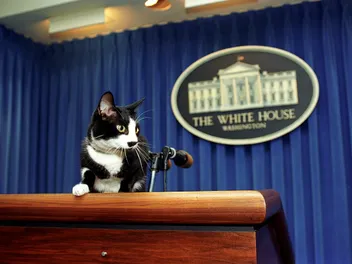
There are too many tuxedo cats that have achieved great things over the years to mention all of them. Here are a few examples to show how awesome these cats are.

Final Thoughts
Not being a breed doesn't make tuxedo cats any less interesting. Since ancient Egyptian times, they helped reduce the rodent population in their environments and became beloved pets. Their stylish looks, intelligence, and regality lead many to believe they bring good luck. Considering how many tuxedo cats have made their names known throughout history, their "good luck charm" nature only seems fitting.
Related Reads:
100+ Movie-Inspired Cat Names & Disney, Famous, & Colored Cat Names
History of Cats in the White House: A Look Over the Last Centuries
Featured Image Credit: Bettina Calder, Shutterstock
Expert cat care, straight to your inbox
News, insights, and useful advice, delivered to you.

No spam — unsubscribe anytime.
By signing up, you agree to our Terms & Conditions and Privacy & Cookies Policy.
How useful was this post?
Click a star to rate. You can leave written feedback afterwards. (We read all feedback.)

Christian started writing for a local newspaper as a teenager, and he's been involved in the publishing industry for most of his adult life. Combining his love of writing with a passion for animals, he is currently the Director of Editorial at Pangolia and the Editor-in-Chief at Catster.
Christian lives in the Philippines with his wife, son, and four rescue cats: Trixie, Chloe, Sparky, and Chopper.