Is Baking Soda Safe for Cats? Our Vet Explains Dangers & Safe Uses

In this article
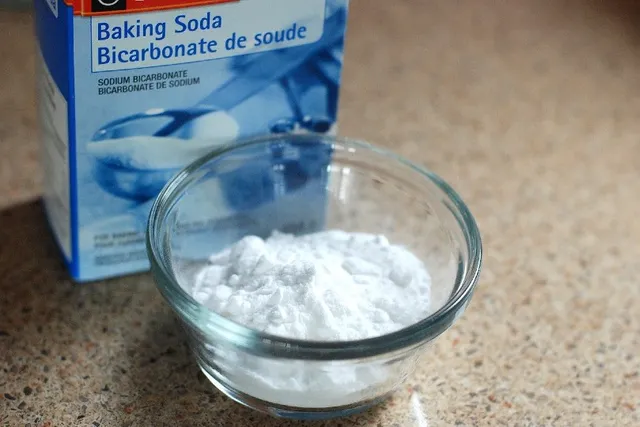
Baking soda is a common product that most people keep in their kitchen, and it can be used for a multitude of things, from baking to homemade cleaning supplies. Because of its ability to absorb and reduce bad odors, many people use it in places like stinky refrigerators and litter boxes to help contain odors.
It is safe for you to use baking soda around your cat, though? Is baking soda safe for cats if your cat consumes or they get a hold of some? Baking soda is the common name of sodium bicarbonate. Therefore, ingesting baking soda means consuming a large amount of sodium as well as bicarbonate, which can lower potassium levels in the body. The short answer is that baking soda is not strictly poisonous to your cat, but it can be dangerous if ingested, especially in large amounts. Here’s what you need to know.

Is Baking Soda Safe for Cats?
Although baking soda can be used around your cat for normal household duties, it can cause problems if they ingest it in large amounts. Generally speaking, if your cat licks off some baking soda from the floor or from a carpet, they should be fine. However, if for some reason your cat manages to get into a box of baking soda and eats a large amount, they should immediately see a vet. Toxicity is estimated to occur with baking soda at around 2 tablespoons per an average 8.8 pound cat. Regardless of this data, if your cat is young, elderly, or, for example, suffers from kidney disease, the risk of toxicity is much higher.
Signs of baking soda toxicity include vomiting, which is usually the first notable sign, drooling, diarrhea, abdominal pain, lethargy, excessive thirst, and depression. In severe cases, seizures, tremors, and shortness of breath can also be seen.


Safe Uses for Baking Soda
While baking soda is toxic to cats in large quantities, there are multiple uses for baking soda that can be beneficial in a home with cats. Some people sprinkle a small amount of baking soda in their litter boxes and mix it in with the cat litter. You should not let your cat use the litter box immediately since they could breath in some of the powder. Because baking soda is basic and cat urine is acidic, the baking soda neutralizes the acid in the cat urine, reducing or eliminating the foul odor altogether.

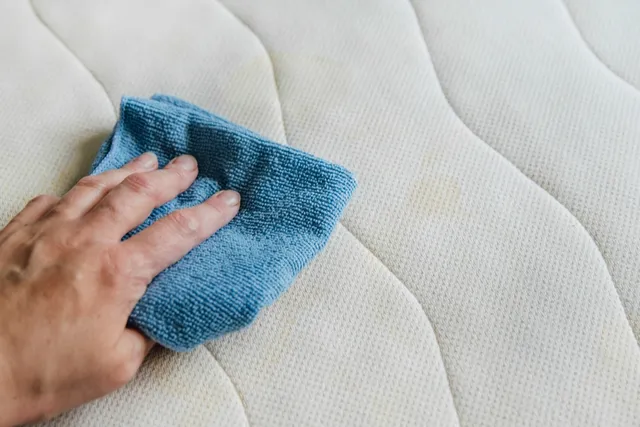
Since it’s highly effective at absorbing yucky smells, it can also be sprinkled on carpets to help reduce pet smells. Sprinkle baking soda on your carpet or rug, allow it to sit for 20–30 minutes, and then vacuum it up. Using baking soda on the furniture or floor where your cat had an accident can help absorb the leftover smell, reducing the likelihood of your cat pottying there again in the future. Keep your kitty out of the room while the baking soda sits, though. You can add baking soda to your laundry at ½–1 cup per load. This can help absorb some of the pet odors in your bedding, as well as your cat’s bedding.
Baking soda should not be used directly on your cat. Due to their grooming habits, the risk of ingestion is too high, and the product could also be accidentally inhaled. These risks outweigh any possible benefits baking soda may have on your cat.
Seek veterinary advice if you’re concerned about your pet’s well-being.
Conclusion
You should always avoid letting your cat consume baking soda simply because it is toxic in large enough amounts and it provides no nutritional value. Baking soda can safely be used around your cat for certain household tasks, though. There are multiple uses for this beneficial ingredient but always use it with caution to keep your pets safe.
See also:
Featured Image Credit: Dragon Images, Shutterstock
Expert cat care, straight to your inbox
News, insights, and useful advice, delivered to you.

No spam — unsubscribe anytime.
By signing up, you agree to our Terms & Conditions and Privacy & Cookies Policy.
How useful was this post?
Click a star to rate. You can leave written feedback afterwards. (We read all feedback.)
Dr. Marta Vidal-Abarca BVSc GPCert (Ophthal) MRCVS (Veterinarian)
Dr. Marta has over 16 years of veterinary experience, working across the UK and Spain as a remote veterinary consultant and in the clinic. She graduated from Cardenal Herrera-CEU University in Valencia, Spain. She holds two Ophthalmology Certificates, GPCert Ophthal from ESVPS and UAB. She has wide experience in small animal internal medicine and surgery with a soft spot for cats. Marta is a member of the Royal College of Veterinary Surgeons, and her main fields of interest are ophthalmology and critical care medicine. Dr. Marta loves being able to share the most helpful information with pet parents across the world as one of Catster's in-house veterinarians. She wants to provide details that can help in all aspects of pets' lives with their beloved ones. She loves knowing that she can support our readers and communicate about any medical topic that might be relevant to their pet's health and well-being.