How to Put Weight on Your Cat: Our Vets Answer

Perhaps you have just adopted a cat or rescued one that is malnourished or suffering from a medical condition that has made them lose weight. In any case, there are a few tricks that you can try to help your cat safely gain weight. Here is what you can do.

The 7 Steps to Safely Put Weight on Your Cat
1. Choose the Right Cat Food

If you want to put weight on your cat, you know that they will need additional calories. To achieve this goal, you must consider the following two aspects:
- Find a type of food that your cat likes.
- Make sure the food that you have chosen meets your cat's nutritional needs.
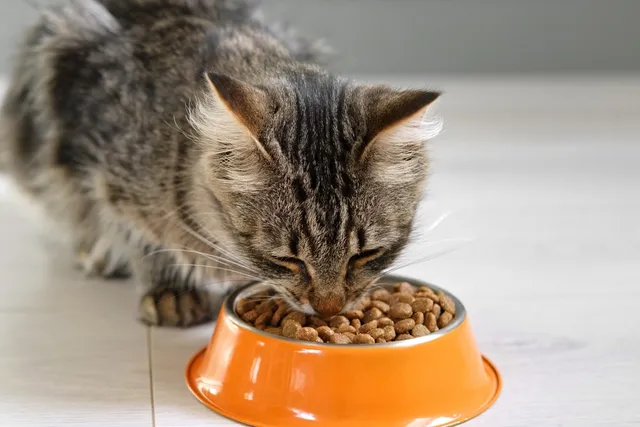
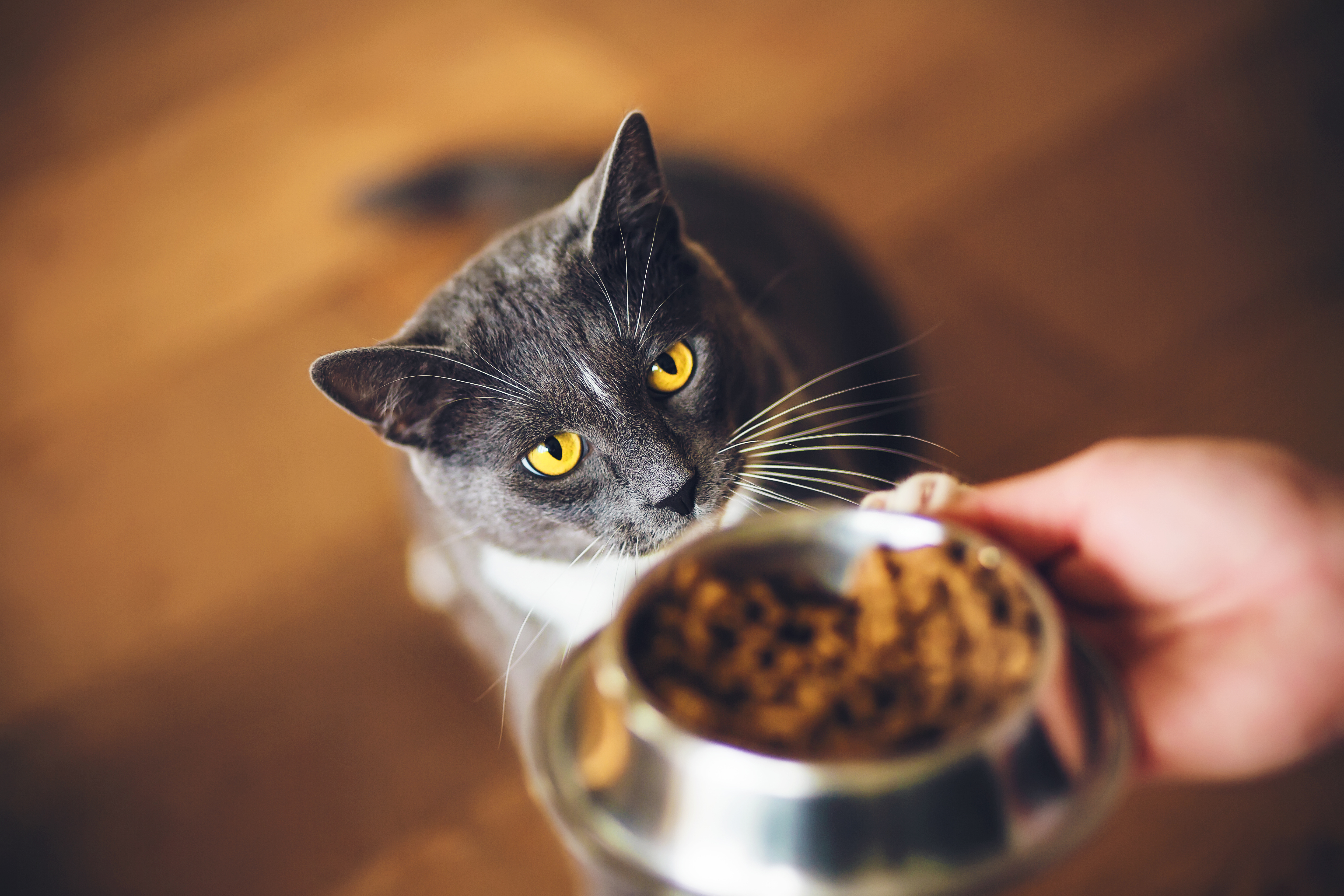
It is always recommended to choose balanced and nutritionally complete diets. Premium cat foods with high-quality protein sources are pricey but meet feline nutritional requirements. Another great tip is to feed kitten food to your cat. Most adult cats like it because it’s tastier and richer in nutrients and calories. A calorie-dense diet will ensure that your cat gets more calories even if ingesting a smaller portion.
If you do not know what food to choose for your cat or if they have certain health problems, it is best to talk to a vet who can prescribe veterinary diets.
Cat Calorie Calculator
Recommended Daily Calories

Our recommended product
Smalls Fresh Bird Human-Grade Cat Food
The exact amount of calories an individual animal needs to maintain a healthy weight is variable and influenced by many factors including genetics, age, breed, and activity level. This tool is meant to be used only as a guideline for healthy individuals and does not substitute veterinary advice
2. Create a Stress-Free Mealtime
For your cat to start eating well again so they can gain weight, it is vital that they do not feel any stress during their meals. This way, it is more likely that your cat will start eating regularly and implicitly, gain weight. So, if you have other pets that like to stick their snouts in your cat's food bowl, take steps to ensure that your cat's mealtime is free of those stressors. Offer your cat their meal in another room where the other pets do not have access, or you can close the other pets in another room so your cat can eat in peace.
If you live in a noisy area, you can’t do much about this stress factor, but you can try using a pheromone diffuser to help calm your cats.
Also, avoid monitoring/watching your cat while they are eating. It can stress your pet and make them no longer want to eat.
3. Provide Several Small Portions
Small and frequent meals work best to help your cat gain weight. Therefore, divide your cat's daily portion into multiple small meals that you will offer at regular intervals.
You can also offer them more food than normal, just to help them gain weight faster. Pet food packaging typically states how many grams of food to give a cat depending on their weight (or the weight that you want your cat to reach). So, if your cat weighs 4 pounds and needs to be at least 8 pounds, feed them the amount of food that is written for 8 pounds on the label.
However, for some cats, that might be too ambitious, so you can aim to gradually increase the amount of food that they need to become 5 pounds, 6 pounds, 7 pounds, and so on. Alternatively, you can use a cat calorie calculator to figure out the best amount of food to offer your cat for weight gain. Try also giving them a high-value treat the moment that they finish their meal. With time and patience, small weight gain goals can be reached.

4. Heat Your Cat’s Food
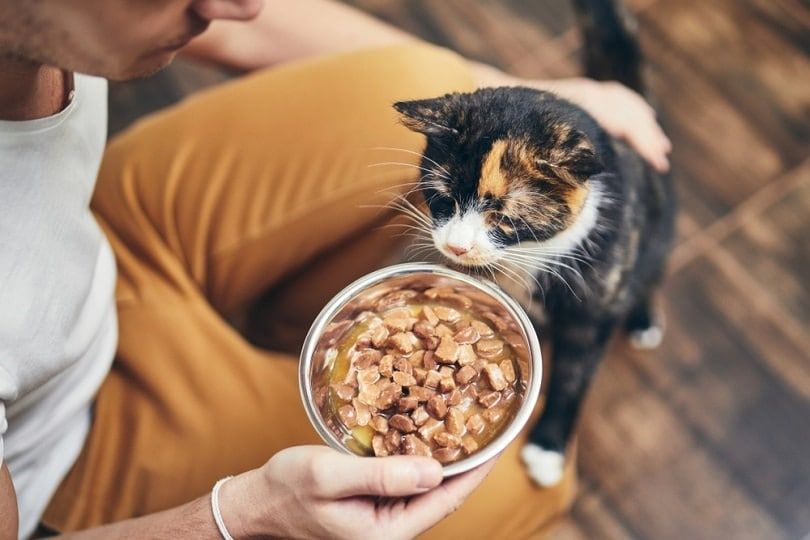
Heated food helps release the food’s delicious aromas, which will encourage your cat to eat. Wet food is easy to heat. Test it on the back of your hand before giving it to your cat to avoid burns. If it burns you, it will also burn your cat's mouth. The same goes for any other warmed-up liquids that you want to give your cat.
If you use dry food, you can use the following tricks to enhance its flavors and make it more appetizing:
- Mix dry food with heated wet food.
- Add heated chicken broth (without salt, garlic, or onion).
- Add warm water.
- Let the kibble soften for 10–15 minutes before feeding it to your cat.
5. Use the Same Food Bowl
If your cat has a favorite food bowl, use that one. As a rule, it is recommended to use food and water bowls that are not made of plastic to prevent the multiplication of bacteria. The same can be said about ceramic ones. The most recommended products are stainless-steel bowls because they are more sanitary and durable and easier to clean than the other two types.
Moreover, the food or water bowls must be wide enough so the cat’s whiskers do not get crushed/cramped when they eat or drink. This is crucial because in many situations, cats do not consume food simply because they do not feel comfortable when they eat.
Something else that you can do is to make sure the food bowl is easily reached by your cat. Place it in an accessible area with as few stressors around as possible to ensure that your cat has a quiet meal.

6. Separate the Meal Area
To create an environment similar to your cat's territory in the wild, separate the meal area from the litter box and play area. Cats normally will not eat where they defecate and vice versa. By creating an environment similar to how they would distribute their territory in the wild, you will make them feel relaxed and safe, which can promote their appetite.
7. Contact the Vet
If none of these tricks help, contact the veterinarian because they can recommend medication that will promote your cat's appetite.
Do not allow your cat to go without food for more than 24–48 hours because they can develop hepatic lipidosis (fatty liver), which is a life-threatening condition. It’s manifested by the inability of the liver to cope with the mobilization of peripheral fat and redistribute it or use it to produce energy.

Conclusion
For various reasons, whether they are sick or don't like the food that they are eating, cats can lose weight, and in some cases, it can be quite difficult for them to return to their initial weight. To help your cat safely gain weight, the most recommended thing is to talk to a veterinarian who can advise you on this matter. If you can't get to a vet, you can try certain tricks, such as feeding your cat in a stress-free area, heating their food, giving them small and frequent portions, and delimiting the feeding area.
Of course, if none of these tricks work, it's time to call the vet, as they can recommend medication that stimulates your cat's appetite. Do not allow your cat to go without food for more than 24 hours and a maximum of 48 hours because they can develop a condition (hepatic lipidosis) that can put their life in danger.
Featured Image Credit: Jaromir Chalabala, Shutterstock
Expert cat care, straight to your inbox
News, insights, and useful advice, delivered to you.

No spam — unsubscribe anytime.
By signing up, you agree to our Terms & Conditions and Privacy & Cookies Policy.
How useful was this post?
Click a star to rate. You can leave written feedback afterwards. (We read all feedback.)
Dr. Iulia Mihai, DVM MSc (Veterinarian)
Dr. Mihai is a vet with over 13 years of experience in laboratory, pet pathology, and cancer. She studied at the University of Agronomical Sciences and Veterinary Medicine of Bucharest, Romania (EAEVE member), where she worked in the laboratory of the faculty clinic after graduation. She has a master’s degree in equine and pet pathology and studied epithelial cancer for her Ph.D. Iulia has a passion for internal medicine and parasitology and started volunteering at the faculty’s clinic in her third year of college. She has worked in a couple of veterinary clinics over the years as an internal medicine specialist. She enjoys writing and teaching people about cat disease prevention, nutrition, behavior, and treatment.