Haws Syndrome in Cats: Causes, Signs & Treatments (Vet Answer)

In this article
Seeing an obvious change in your cat’s appearance can be concerning, especially when the abnormality is associated with the eye. Concerns of vision impairment and pain often arise when visible changes are noted. Fortunately, cats with Haws syndrome do not appear to be in discomfort, and the eye itself still functions normally. Continue reading below to learn more about this mysterious syndrome that occurs in cats.

What Is Haws Syndrome in Cats?
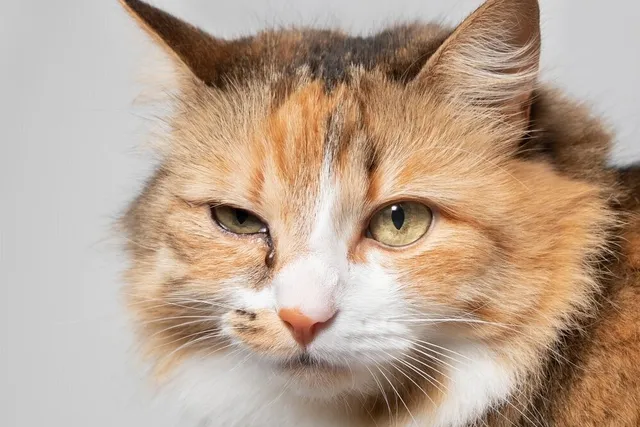
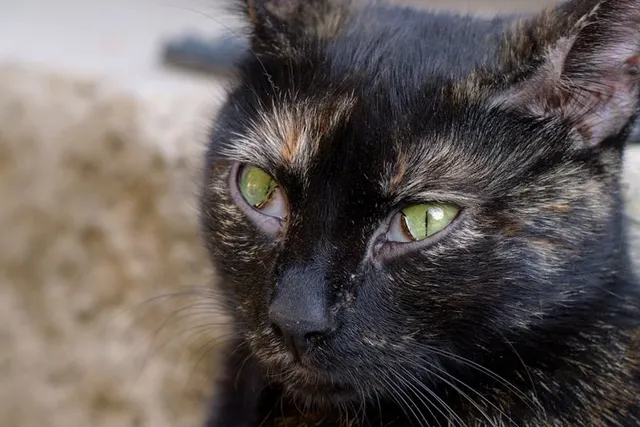
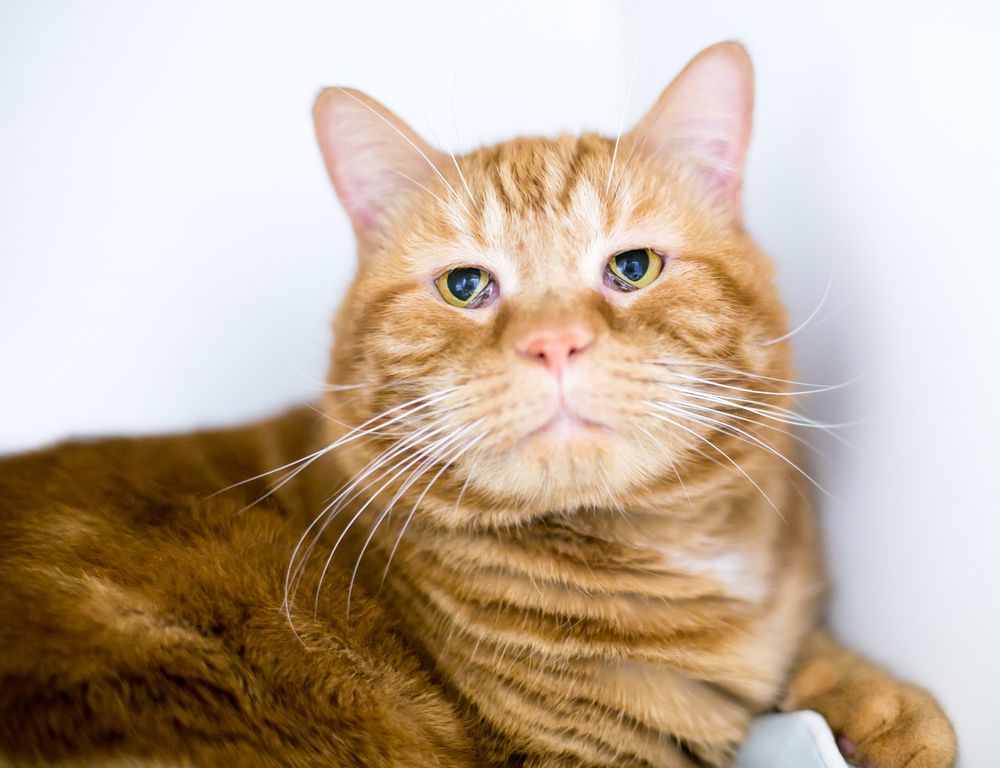
Haws syndrome in cats is a condition in which the third eyelid protrudes or is easily visible. Generally, both eyes are impacted. This condition is not reported in dogs.
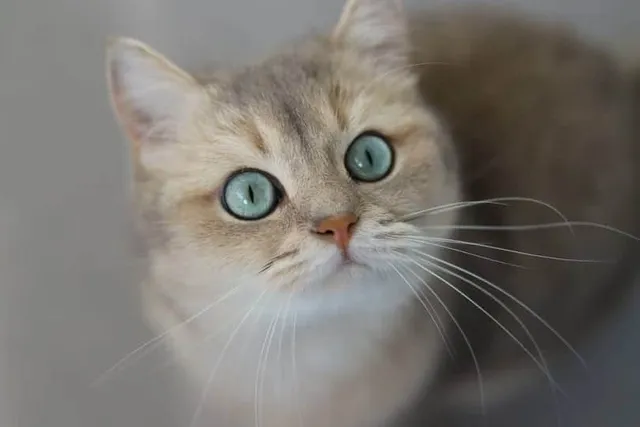
The third eyelid in cats and in other species is a critical component in keeping the eye protected. The third eyelid, otherwise known as the nictitating membrane, will become raised to physically protect the eye and help distribute tears across the globe. The third eyelid is most commonly visualized in the medial canthus, or the junction of the eye closest to the nose. Usually, the membrane is white or pink in coloration and appears thin.

What Causes Haws Syndrome in Cats?
The protrusion or prolapse of the lid is thought to be due to decreased sympathetic nerve innervation, although the underlying reason as to why this occurs is unknown. This syndrome is commonly reported alongside inflammatory gastrointestinal illness, so a link is suspected.
Signs of Haws Syndrome in Cats
Cats experiencing Haws will have visibly raised third eyelids. Sometimes patients may have recently experienced or have concurrent diarrhea. Cats with Haws do not appear to experience pain and their vision is intact. Vision impairment may be present due to the physical blockage of the globe by the nictitating membrane.
Haws syndrome most often is seen in young adult cats, although cats of any age can be impacted.

Diagnosing Haws Syndrome
Haws syndrome in cats can be diagnosed with a physical examination and a phenylephrine test. This test involves placing a drop of phenylephrine into each eye and waiting to see if the third eyelids return to their normal position within 20 minutes. If this occurs, Haws can be confidently diagnosed, as this proves a decrease in sympathetic nerve influence.
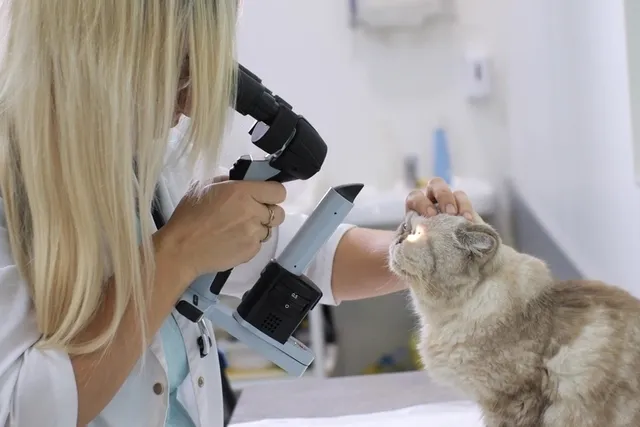
A thorough ophthalmic examination is critical. The eye in affected cats is normal, and no other eye abnormalities are present. It is important to note this, as there are other diseases or illnesses that can cause the nictitating eyelids to become prominent or visible, including conjunctivitis and ulcerations.
Treatment of Haws Syndrome
Haws syndrome in cats does not require treatment, as it is self-limiting and typically resolves quickly. Concurrent diarrhea should be appropriately addressed. It can take several weeks for the appearance of the eyes to return to normal. If the eyelids are raised for several weeks, it may be necessary to perform additional diagnostics to look for other explanations.

Caring for a Cat With Haws Syndrome
Cats with Haws syndrome do not typically require significant intervention or care. Close monitoring should be done to ensure favorable progress in their condition. If the condition doesn’t improve within 6 weeks, the eye should be reexamined.
Frequently Asked Questions (FAQ)
My Cat’s Third Eyelid Is Raised. Is This Due to Pain?
Some conditions resulting in third eyelid elevation can be painful. Patients with Haws have bilaterally elevated third eyelids and the condition is not associated with discomfort.
Will My Cat Require Eye Drops if Haws Is Diagnosed?
Fortunately, no! Typically, this condition is self-limiting and resolves on its own. Your pet may require other types of supportive care if concurrent gastrointestinal illness is present.

Conclusion
Although aesthetically concerning, cats with Haws do well, as the condition is self-limiting. Concurrent gastrointestinal illnesses may require intervention. Resolution of signs can take several weeks to occur, so do not feel discouraged if your pet is diagnosed with Haws. If the third eyelids appear protruded for 6 weeks or longer, the eyes should be reevaluated. Fortunately, this condition is not painful to your companion, and cats with Haws syndrome have a good prognosis. See Also:
Featured Image Credit: Mary Swift, Shutterstock
Expert cat care, straight to your inbox
News, insights, and useful advice, delivered to you.

No spam — unsubscribe anytime.
By signing up, you agree to our Terms & Conditions and Privacy & Cookies Policy.
How useful was this post?
Click a star to rate. You can leave written feedback afterwards. (We read all feedback.)
Dr. Marti Dudley is a small animal veterinarian with a passion for preventative medicine and pet parent education. She enjoys being a resource for pet owners as she believes that having a team approach leads to the best possible care of pets. Dr. Dudley enjoys writing and has been able to use this skill as another avenue to educate pet owners outside of the traditional office setting.
Dr. Dudley has been practicing veterinary medicine since 2014. She has an interest in preventative care and emphasizes the importance of pet owner education. Dr. Dudley’s experience in veterinary medicine is broad, as she has worked as a general practitioner, which has allowed her to see and treat many different types of conditions.
Dr. Dudley received her bachelor’s degree in biology from Longwood University in Virginia. She earned her Doctor of Veterinary Medicine (DVM) degree from Ross University.