Dinovite for Cats: Vet-Approved Nutritional Supplement (2026 Review)

In this article
Is your cat itchy? Is his stool softer than it should be? There are many reasons why your cat might benefit from a nutritional supplement. One product to consider is Dinovite for Cats. Let's take a look at what this product can reportedly do for your feline.

What Is Dinovite for Cats?
Dinovite is a nutritional supplement with several compounds many cats can reap benefits.
- Taurine: an essential amino acid that supports heart function and other metabolic processes
- Zinc methionine complex: added to ensure cats get enough zinc, which helps with coat and skin health and the immune system
- Vitamin E: included to enhance your cat's skin and coat health
Dinovite for Cats should be given daily. While several compounds are added to enhance your cat's immune system and skin health, its primary function is that it contains probiotics and prebiotics.
Some of the benefits of using Dinovite for Cats include:
The company that makes Dinovite for Cats has other products, including ones for your canine family members. Some of these products for cats include:
- SqueezOble for Cats
- Lickochops

How Is Dinovite for Cats Given?
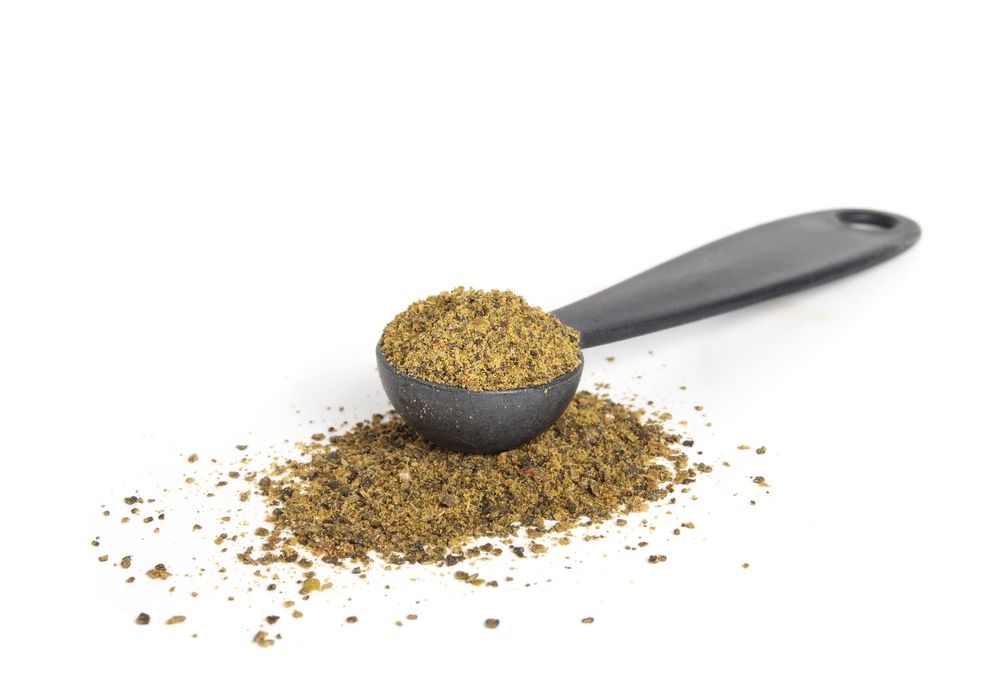
Dinovite for Cats is a powder supplement. The goal is to give your cat one scoop each day. The company recommends that you start by adding approximately a 1/4 of a scoop to the bottom of your cat's food bowl for a week or two. Doing so will gradually get your cat used to the taste and smell. As your kitty gets used to the supplement, mix it with their food and increase it until you give a full scoop daily.
To increase palatability, the company that makes Dinovite for Cats suggests adding another of its products, such as Lickochops, to the bowl.
What Happens if You Miss a Dose?
We all know that things happen, and you might miss giving your cat a dose of Dinovite to your kitty occasionally. If you skip a dose, there shouldn't be an issue; just try to resume it the next time you can.
Potential Side Effects of Dinovite for Cats
The main potential side effect of Dinovite is gastrointestinal signs. Some cats develop vomiting or diarrhea, particularly when starting the product.
Many cats are finicky eaters, and some don't enjoy the taste of Dinovite. The company recommends introducing the product gradually to minimize the possibility of GI signs and to decrease the likelihood of your cat not eating it.
An allergy to one or more ingredients in Dinovite for Cats is less likely but still possible. Allergic reactions can lead to itching skin, vomiting, and more.


Frequently Asked Questions
Why is my cat still itchy after being on Dinovite for Cats?
While Dinovite is designed to help improve your cat's immune system and skin health, your cat could be allergic to food or things in the environment that overwhelm what even this product can do. A common allergy is an allergy to fleas. If your cat is itchy, ensure it is on a reliable flea prevention program and speak to your veterinarian about other possible allergy control measures.
How long does it take for Dinovite to start working?
Dinovite takes several weeks to reach the maximum benefits for your cat, usually about six weeks.
Does Dinovite for Cats need to be refrigerated?
Dinovite does not need to be kept in the fridge, but it does need to be stored in a cool, dry place. In many houses, the pantry is a great place to keep the product.
What can I do if my cat doesn't want to eat Dinovite?
As the manufacturer recommends, gradually introduce it to your cat, putting it in the bottom of their food bowl with their food on top. If that doesn't work, try one of the toppers like Lickochops added to the food to give some extra flavor (as well as fish oils and bacterial cultures to support gut health). You could even try Lickochops or SqueezOble for Cats without using Dinovite.

Conclusion
Dinovite for Cats can be an added part of your cat's health care routine. It provides several nutrients, as well as probiotics and prebiotics, to help maintain a healthy digestive tract and support the immune system, coat, and skin.
Sources
Featured Image Credit: sophiecat, Shutterstock
Expert cat care, straight to your inbox
News, insights, and useful advice, delivered to you.

No spam — unsubscribe anytime.
By signing up, you agree to our Terms & Conditions and Privacy & Cookies Policy.
How useful was this post?
Click a star to rate. You can leave written feedback afterwards. (We read all feedback.)
Dr. Samantha Devine DVM (Veterinarian)
Samantha Devine is a practicing veterinarian who loves to share her experience with animal species and their health. Whether it's a guinea pig question or a pressing matter about something your cat ingested, she strives to provide clear answers. She is passionate about preventative care and firmly believes in the old adage, "An ounce of prevention is worth a pound of cure."
Dr. Devine has been practicing veterinary medicine for over 12 years and has spent a great deal of that time writing online to educate pet owners. In addition to general practice small animal medicine, she has worked with horses. zoo animals and aquatic species. She enjoys all aspects of preventative medicine, from nutrition to vaccines.
Dr. Devine received her degree from the Virginia Maryland Regional College of Veterinary Medicine.