Can the Vet Take My Cat Away? Our Vet Answers

In this article
Taking our cats to the vet can be stressful, even if it’s just for a vaccination. In most cases, it’s not our cat’s favorite place to be, and it’s horrible when you feel like you’re forcing your cat to do something they don’t enjoy. Of course, we know that vet visits are an essential part of taking care of a pet, but that doesn’t necessarily make it any less stressful!
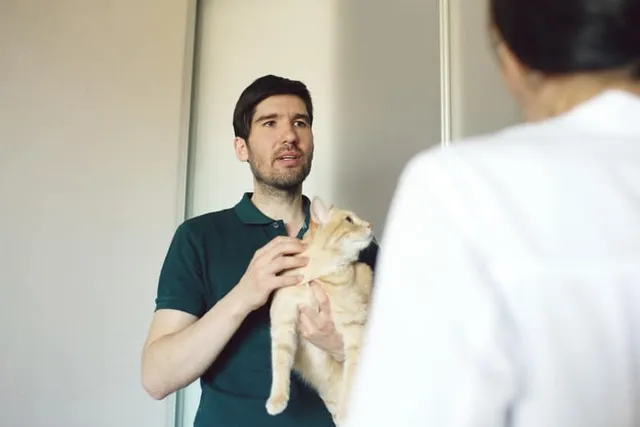
Something that may cause cat owners additional anxiety is when their vet needs to take their cat “to the back.” Immediately your mind is filled with frightening images of giant needles and medieval restraints, but this couldn’t be further from the truth. When your vet takes your cat to the back, it is to make an examination or procedure safer, more efficient, and less stressful for your pet. Even so, you might find yourself wondering if your vet is allowed to take your cat away without you.
The answer is yes; your vet can take your cat to the back without you. Although it may sound daunting, it’s not bad for your cat to be taken “to the back.”
For some pet owners, every trip to the vet is plagued by the worry that their vet might want to take their cat away from them - for good. In most cases, this fear is completely unfounded, but in some cases, there is cause to be concerned. If someone is unable to keep up with their cat’s medical or nutritional needs, if their cat needs treatment that they cannot or will not pay for, or if there is concern for the safety and welfare of a pet, you might wonder if a vet has the right to take the cat away from the owner.
A vet cannot legally seize a cat, but if neglect or cruelty are suspected, they are legally obligated to report it. They may, however, recommend that an owner voluntarily give up ownership of a pet they are no longer able to care for.
In this article, we’ll talk about what happens “out the back” and how you can manage your anxiety while your cat is away from you. We will also discuss the reasons why a vet may request that an owner surrender a cat into their care, taking into account the rights of the pet owner, as well as the vet’s legal obligation to prevent suffering and/or cruelty to an animal.

When Can the Vet Take My Cat Away From Me?
You might be surprised to learn that many pet owners put off going to the vet because they are worried about being judged, or that the vet will want to euthanize or take away their cat. In most cases, this couldn’t be further from the truth, and all this does is delay treatment, making the problem so much worse.
The reality is that no vet will recommend or try to pressure you to put your cat to sleep unless they feel that it is the best and only option for your pet.
Sadly, pets are still regarded as property. For several reasons - including the safety of the vet and their team - a vet cannot legally take possession of a pet, even if there are clear signs of cruelty and neglect. However, there are steps they can - and must - take to ensure the welfare of the animal.
1. Owner Education
The vast majority of neglect or cruelty cases seen in veterinary practice are the result of ignorance or a lack of education. Helping pet owners understand the importance of providing the right food, shelter, and healthcare for their pets is a key part of veterinary care, and is often the only step needed to improve a cat’s wellbeing.

2. Voluntary Surrender
When a vet is concerned that an owner is unable to provide their pet with the appropriate level of care, whether that be due to financial, personal, or logistical reasons, they may offer, even strongly recommend, that the owner surrender their pet into the care of the veterinary practice. The owner needs to be aware that if they do surrender their pet, they will no longer have any access to the animal or any influence over their future care or placement.
3. Reporting to Local Authorities
If a vet believes that a pet is being subjected to cruelty, neglect, or abuse, they are obligated to keep detailed records of the case and report it to local animal authorities, such as the Humane Society or ASPCA.

4. Contacting Law Enforcement
In cases where there is an urgent need for intervention to prevent cruelty or suffering, a vet may need to contact law enforcement agencies to remove an animal from a dangerous situation.
Fortunately, these latter steps are very rarely needed, and pet owners should never delay seeking veterinary treatment for their cat for fear that they may lose their pet. Avoiding a trip to the vet is a form of neglect, so don’t put it off - your vet only wants your cat to be happy and healthy, preferably at home with you.
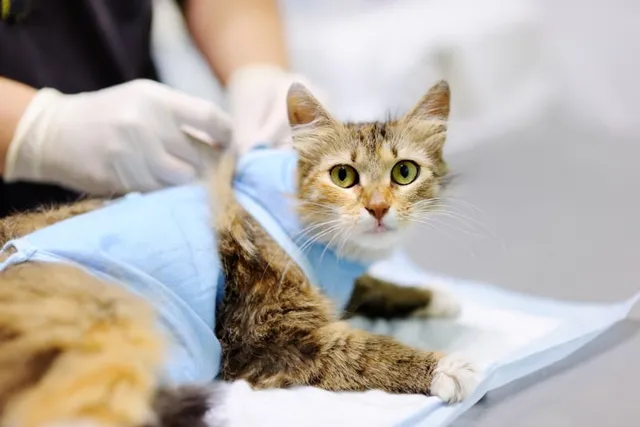
Another, less worrying way a vet may need to take a cat away from an owner is when they need to go “out the back” for a procedure or examination. This may feel like the worst thing in the world, but rest assured, it’s not as scary as you might think.
What Happens When the Vet Takes My Cat to the Back?
Under the guidelines set by the American Veterinary Medical Association (AVMA), veterinarians have the right to choose the environment where they provide veterinary medical care.
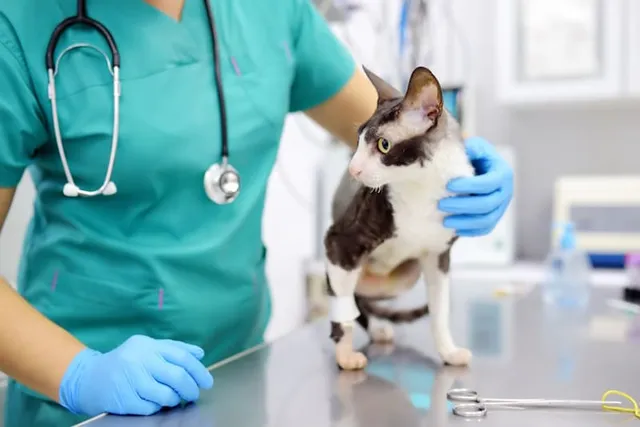
It can be easy to fall into the trap of believing that “the back” is an unsettling place where our cats experience constant terror. But that’s not the case at all, and it isn’t a scary place. It simply refers to a part of the clinic designed for procedures or treatments.
It has essential pieces of equipment that a typical examination room might not have room for. It’s a lot like the examination room that you share with your cat, only bigger and better.
The 3 Reasons Why Are Cats Taken to “The Back?”
What makes “the back” so important? Why can’t vets treat pets in the examination room? “The back” is an essential place for your vet, as it enables them to provide your pet with sufficient treatment in a space with minimal stress and vital tools.
1. It Reduces Stress for You, Your Cat, and Your Vet
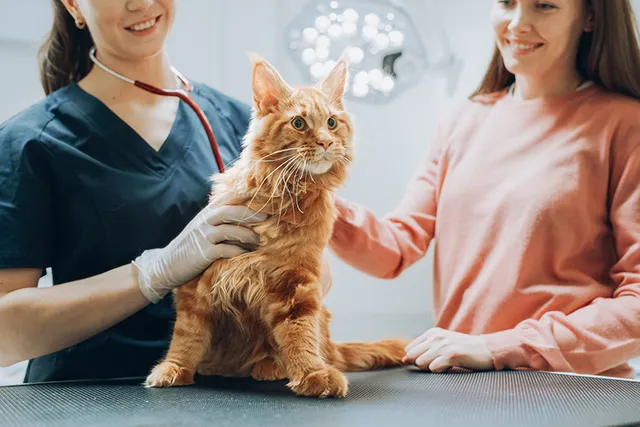
Your vet takes your cat to the back room because it reduces stress for everyone involved. Seeing your cat receiving treatment may be stressful for you, and your cat can pick up on that. That will only add to the stress they already have, and they may attack to escape or even protect you from the vet.
Removing your cat from your presence is the best solution for your vet; they will be able to do their job effectively without added difficulty.

2. Your Vet Has More Room and Assistance
Other important features of “the back” are that it has more room and that there is often a technician or another vet to help make your cat as comfortable as possible during the procedure. “The back” of most veterinary clinics is an open area with multiple tables and plenty of space for examining pets and staff to help each other. Examination rooms are smaller, which limits your vet’s ability to carry out the treatment your cat needs.
3. All of Your Vet’s Needed Equipment Is Back There
Finally, and perhaps most importantly, your vet needs to take your cat to “the back” because that’s where their equipment is. The examination room in the clinic can’t hold every piece of essential equipment. Therefore, the back room is necessary for your cat’s treatment.

Can You Go to “The Back” With Your Cat?
Being separated from your cat in an unfamiliar environment is a distressful experience. You may think it would be much easier to follow your vet and cat to “the back.” You are free to ask your vet if you can accompany them to the back, but you must be prepared to accept “no” for an answer.
The vet is not obligated to allow you into the back room. Some clinics even have policies that prohibit pet owners from entering the room. It is important to remember that your cat is not the only patient being treated, and bringing you into a room full of other patients could be a huge liability for the vet clinic.
You, your cat, your vet, or another patient could be seriously hurt if any animals became startled by your presence. An alternative to going in “the back” with your cat is requesting a tour of “the back” before your cat’s appointment.
Some vet clinics invite pet owners to see the treatment rooms in controlled environments so that they can feel more comfortable when their cat is taken to “the back.”

Managing Your Anxiety While Your Cat Is in “The Back”
Even if you know what to expect, it can be nerve-wracking to be separated from your cat during a vet appointment. Thankfully, there are ways to manage your anxiety. Most importantly, you should strive to have a good relationship with your vet. If your vet is someone you respect and trust, it is much easier to rely on them to provide the proper care for your cat.
Another way is to ask for details about the treatment. This helps you understand the care your cat is receiving so the procedures in “the back” don’t feel as mysterious and ominous. For example, if your cat is having blood drawn, you may ask where the sample will be taken from, and the same goes for if hair needs to be clipped or even how they will hold your cat to take the sample.
Getting a glimpse of “the back” can also quiet your anxieties. Again, asking for a tour before your appointment is an excellent idea so that the back room seems less intimidating.
Final Thoughts
Vets cannot legally take a cat away from an owner, even if they suspect cruelty or neglect. However, they are legally obligated to take steps to prevent suffering, which may simply involve providing education to owners or may require contacting animal welfare authorities or law enforcement.
When your vet tells you it’s time for your cat to go to “the back,” you may feel your heart skip a beat. But there’s no need to worry. The room is a safe, essential place where your vet provides the best treatment possible for your cat.
Although you likely won’t be able to join your cat in “the back,” you can prepare yourself by building a trusting relationship with your vet and understanding the details of your cat’s treatment. The more accustomed you are to the process, the easier it will be to handle.
Featured Image Credit: mojo cp, Shutterstock
Expert cat care, straight to your inbox
News, insights, and useful advice, delivered to you.

No spam — unsubscribe anytime.
By signing up, you agree to our Terms & Conditions and Privacy & Cookies Policy.
How useful was this post?
Click a star to rate. You can leave written feedback afterwards. (We read all feedback.)
Dr. Karyn Kanowski BVSc MRCVS (Veterinarian)
Dr. Karyn comes from Queensland, Australia, and has lived in the UK for the past 10 years. In 2010, she graduated from The University of Queensland School of Veterinary Science and also has a Bachelor’s degree in Zoology. She is passionate about using evidence, experience, and owner collaboration to provide the best solutions for pets, and believes in making reliable information about animal health accessible to all. Dr. Karyn shares her home with five cats, four dogs, and one husband. When she is not in the scrubs, she spends her time writing, gardening, and cleaning up pet hair!