Can Cats Have Alzheimer's? Feline Health Facts (Vet Answer)
In this article
Cats experience deterioration of the brain tissue, just as humans do. Progressive cognitive decline eventually results in dementia. When this occurs in cats, it is called Feline Senile Dementia which is also known as Cognitive Dysfunction Syndrome.
Cognitive dysfunction syndrome is a condition commonly seen in elderly cats that affects different parts of their brain. The clinical signs displayed by cats with cognitive dysfunction are very similar to the ones displayed by humans with Alzheimer's.
Senior cats of any breed can experience dementia. Cats suffering from cognitive dysfunction syndrome display behavioral abnormalities such as disorientation, excessive vocalization, disrupted sleep cycles, house soiling, and memory deficits.

What is Alzheimer's (Dementia) in Cats?
Alzheimer's disease is the most common type of dementia in humans. It is a debilitating condition that affects the brain. There are specific disorders described in cats very similar to Alzheimer's, however, cats are not capable of developing Alzheimer's. Alzheimer's is a specific neurodegenerative disease that is caused by an abnormal buildup of proteins that form tau tangles and beta-amyloid plaques in the brain. This particular phenomenon has not been observed in cats.
Cats instead, can develop feline cognitive dysfunction syndrome. This is also known as dementia. It is nearly always seen in senior cats and clinical signs in cats are very similar to those reported to be seen in humans with Alzheimer's.
Dementia caused by degeneration of the brain tissue is brought about by age-related changes. There are many neurons in the brain which are required for different vital functions. When dementia occurs these neurons in the brain start to die off. The neurons are responsible for attention span, spatial awareness, regular sleep cycles, memory, and learning, amongst other things. As the neurons start to die, there is a rapid decline in cognitive abilities caused by age-related changes in the brain.
There are lots of other conditions that can be seen in elderly cats that cause similar clinical signs. It is very important that if you notice any behavioral or physical changes, you visit your vet.

What Are the Signs of Dementia in Cats?
Cat dementia typically has a slow onset. Changes in spatial awareness and memory gradually get worse over time.
The early signs of cat dementia are often mistaken for other health problems. Some health issues can cause similar clinical signs, so it is always good practice to have your cat examined by a vet if you see any suspicious signs. For example, hyperthyroidism and arthritis can cause behavioral changes in cats as well as physical changes. It is important to be able to distinguish between signs of dementia and signs of other illnesses.
Typical signs of dementia include:
- Disruption of sleeping patterns: You may notice your cat suddenly is awake when they would usually be sleeping or vice versa. Circadian rhythms are controlled by the brain therefore sleep patterns are often disrupted. Your cat may become distressed at night and vocalize more. They may stop going out if they are an outdoor cat or stay out for days on end.
- Changes in relationships with owners and other pets: You may notice your cat is suddenly aggressive towards family members or starts to avoid them. Equally, they may suddenly latch onto an individual, follow them around, and become more clingy.
- Unkempt appearance: You may notice that your cat, who was once a meticulous groomer, stops looking after their coat as well. They may also start to overgroom and pull hair out.
- Disorientation: The memory is often affected. Your cat may suddenly seem to forget their way around their home. Cats can struggle to find their bed or food bowl. You might spot them wandering around in circles aimlessly. They may go missing for days as they are unable to find their way home.
- Changes in appetite: You may notice your cat is suddenly ravenous or keeps asking for food when they have just been fed. Alternatively, they may go off their food completely.
- Accidents in the house: Your cat may suddenly appear to forget where their litter tray is or forget how to use the cat flap to go outside. They may have accidents in strange places around the house. Bear in mind, other problems cause similar clinical signs, so it is very important to get your cat examined by a vet to rule these out.
- Increased vocalization: You may notice your cat starts to yowl or meow incessantly. Again, there are many other causes of increased vocalization, so it is always worth getting your cat examined by a vet.
What Are the Causes of Dementia in Cats?
The exact cause of feline cognitive dysfunction syndrome is not fully understood. It is thought to be a combination of factors such as oxidative stress, genetics, age-related changes, and inflammatory changes.
The reason clinical signs are seen is down to the death of neurons in the brain. Neurons send and receive vital pieces of information in the brain. When specific neurons die, this affects how the cat thinks and behaves.
The process behind cognitive dysfunction is as follows. As the brain ages, there is a build-up of a protein called beta-amyloid. The build-up of this protein causes damage to the tissue of the brain. In the areas that become damaged, blood flow is compromised. The lack of blood supply causes neuron death.
Diagnosis of Dementia in Cats
Unfortunately, there is not a definite test for diagnosing dementia in cats. A vet will assess your cat using various methods to evaluate their cognitive function.
This is due to the fact that lots of the clinical signs seen with dementia are also commonly witnessed with other diseases seen in older cats. Often it is a process of ruling out these other diseases first.
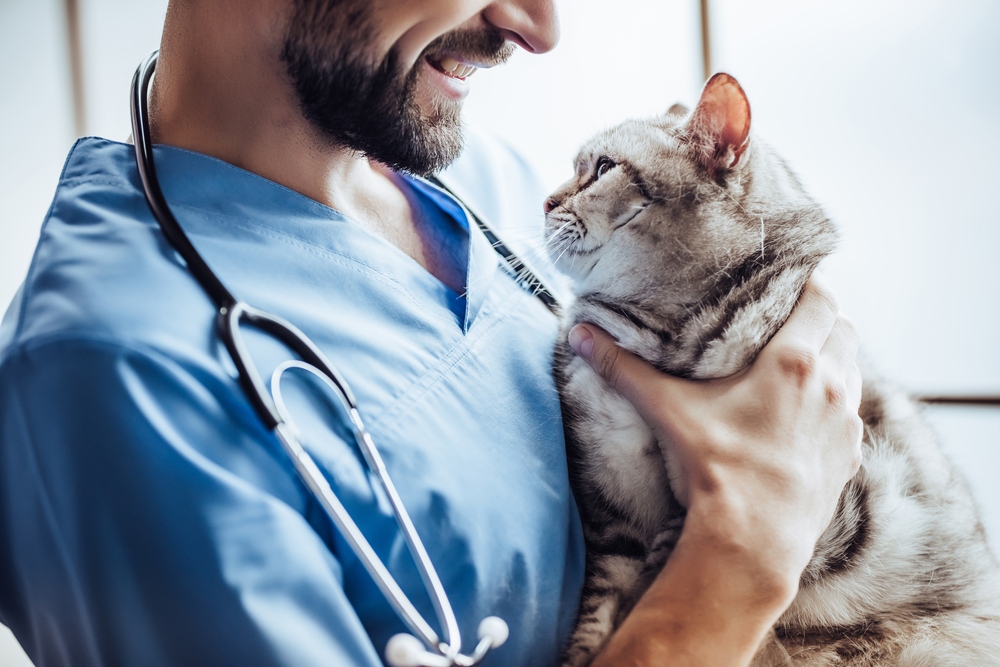
A vet will need to take a full history from you. They need to know if there have been any changes in behavior recently. They will carry out a thorough physical exam to rule out other conditions commonly seen in elderly cats such as hyperthyroidism, arthritis, neurological disease, and loss of vision and hearing amongst other things.
Blood tests and urinalysis can help to rule out other medical conditions such as infections, hyperthyroidism, and liver or kidney disease.
X-rays can be carried out to assess changes in bones and joints to rule out arthritis. In some cases, advanced imaging modalities such as CT and MRI can be used. These are usually only indicated if a neurological issue is suspected. It is important to remember that early diagnosis is vital for improving your cat's quality of life. If you see any of the signs mentioned above, contact a vet as soon as possible.
It can help to video your cat to show a vet any strange behavior you have noticed that may not be apparent in the consulting room.

How Do I Care for a Cat with Dementia?
Sadly, there is no definite cure for dementia in cats. The good news is there are ways to manage clinical signs and improve your cat's quality of life.
Ways owners can improve their cat's environment at home include:
- Keeping a consistent and familiar routine. This helps your cat to navigate their way around and reduces confusion. Feeding times must be the same every day. Beds, litter boxes, and food/water bowls must be kept in the same place and not moved about.
- Mental stimulation. Ensure that you play with your cat every day. Use interactive toys and puzzle feeders to keep them occupied and mentally stimulated.
- Environment enrichment. If possible in your home, provide cat trees, scratch posts, climbing frames, shelves, and cat perches for your cat to explore. Cats enjoy climbing and exploring in the wild and this will provide exercise and mental stimulation for them.
- Focused attention. Make sure you spend quality time with your cat every day.
- Sound and light. Leaving the radio on a low level and putting on a night light can help to calm a cat that has disrupted sleeping patterns.
- Plug-in diffusers. These can be bought that release synthetic pheromones to calm cats.
Medications can be used in more severe cases:
- Selegiline and propentofylline can be prescribed for cats with cognitive dysfunction.
- Gabapentin can be used for pain and anxiety.
It is believed that some supplements can have benefits for cats with dementia. These include:
- CoQ10
- Omega fatty acids
- SAMe
- Vitamin E
There are also prescription diets that are thought to be beneficial.

Frequently Asked Questions (FAQ)
How long do cats live with dementia?
The life expectancy of cats with dementia does vary depending on the circumstances and if there are any concurrent health issues. If caught early and managed well, cats can go on to live long after their diagnosis.
What other conditions can mimic dementia?
Elderly cats suffering from hyperthyroidism, arthritis, chronic pain, neurological disorders, stress, anxiety, hearing and vision problems, and kidney and liver disease can all show similar signs to cats suffering from dementia.
How can I help my cat adjust to dementia?
It can be a distressing time for both owners and their cats when they are diagnosed with dementia. Owners need to be patient, compassionate, and understanding about keeping routines consistent. Quiet and gentle reassurance, lots of focused attention, and affection will help your cat. Avoid punishing them for bad behavior as this may be out of their control.
Conclusion
Dementia in cats can be stressful and upsetting for all parties involved. While there is no definite cure, early diagnosis and prompt treatment can make a huge difference to your cat's quality of life. If you notice your cat is showing any signs of dementia, take them to a vet straight away.
See also: Neurological Disorders in Cats: Our Vet Explains Signs, Causes & Treatments
Sources
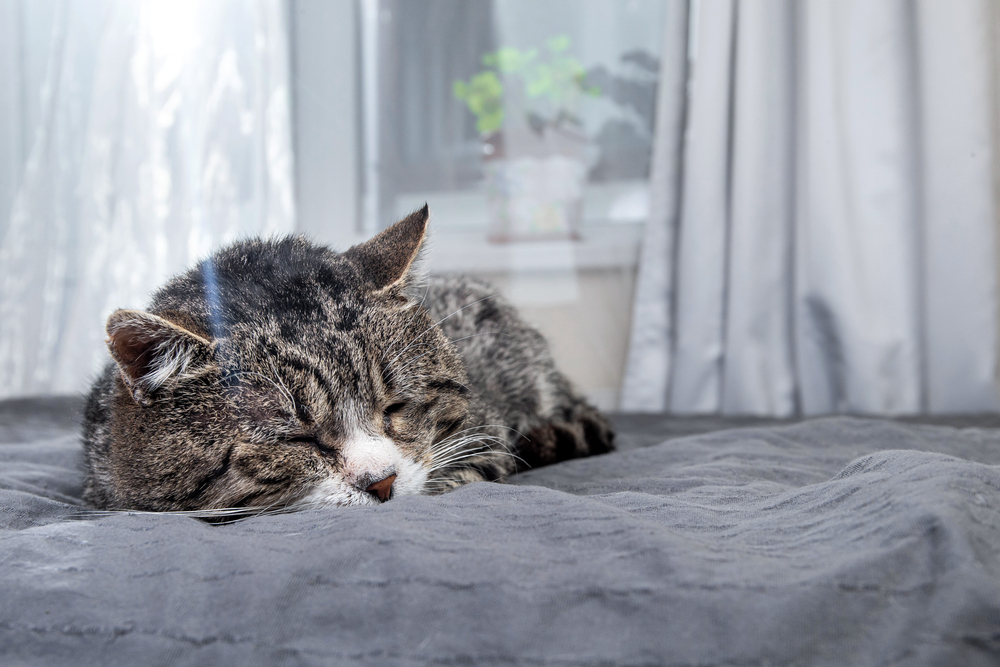
Featured Image Credit: evrymmnt, Shutterstock

Expert cat care, straight to your inbox
Vet-reviewed advice, behavior tips, and the best of Catster. Free, and you can unsubscribe anytime.
By signing up, you agree to our Terms & Conditions and Privacy & Cookies Policy.
Dr. Emma Chandley, BVM MRCVS (Veterinarian)
Dr. Emma is an experienced vet who is happy to share her expertise and knowledge about cats with readers. Her passion is surgery but she will happily talk about anything animal-related. Dr. Chandley graduated from The Royal Vet College and since then she has worked in general practice in Great Britain. Dr Chandley has completed a postgraduate certificate in Small Animal Surgery and has also gained Advanced Practitioner status in the same discipline. She enjoys developing her skills in animal behavior, nutrition, and clinical pathology as well.
Join the conversation
Ask a question, share your story, or send private feedback.