Get

In Your Inbox

Catster is reader-supported. When you buy via links on our site, we may earn an affiliate commission at no cost to you. Learn more.

Why Your Cat’s Vet Records Are So Important (Vet-Reviewed)

Share

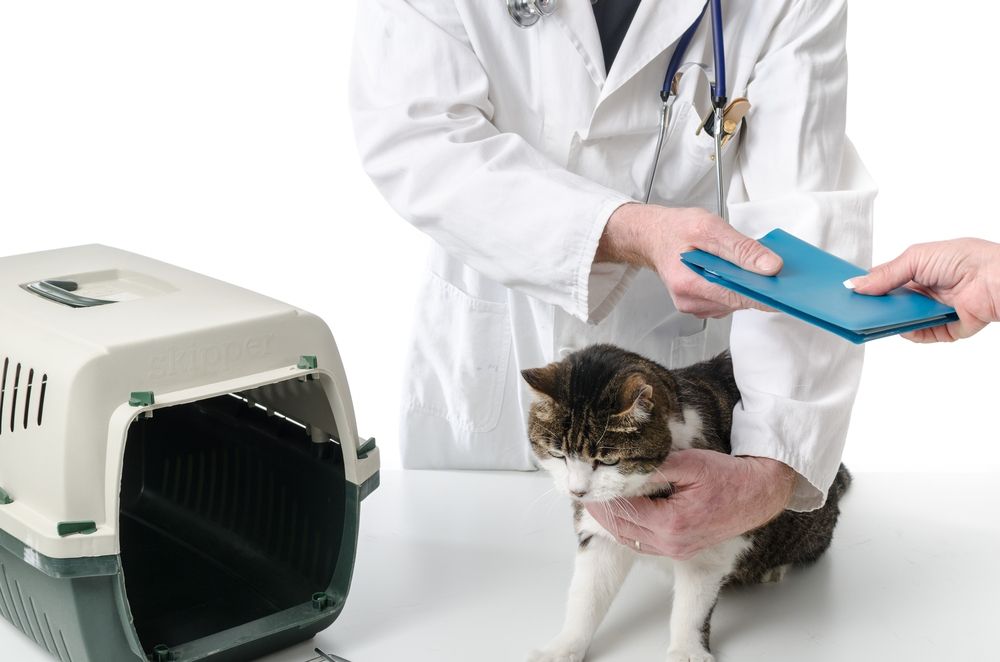
vet-giving-cat-health-record

Whether you’re looking to move your cat to a new vet, are signing up for pet insurance, or just want to take a look at your cat’s medical records for yourself, there’s a lot of valuable information in their vet records.

Vet records are a quick and easy way for a vet to see exactly what’s going on with your cat and make informed and accurate medical decisions for them. But what exactly do these include and why do you need to keep them? Let’s find out.

divider 1 paws

What Does a Cat’s Vet Record Include?

The exact information in your cat’s vet records will vary depending on their medical history, but there are a few standard things you should expect.

These things include:
  • Breed, weight, height, and age
  • Drug and food allergies
  • Vaccine history
  • Information on any vaccine reactions
  • Medication history
  • Surgery history
  • Laboratory reports
  • Flea, tick, and heartworm prevention and history
  • Potential handling instructions
  • Any current or previous medical conditions

If your cat has any other relevant information surrounding their health or care you should be able to find this information in their vet records too.

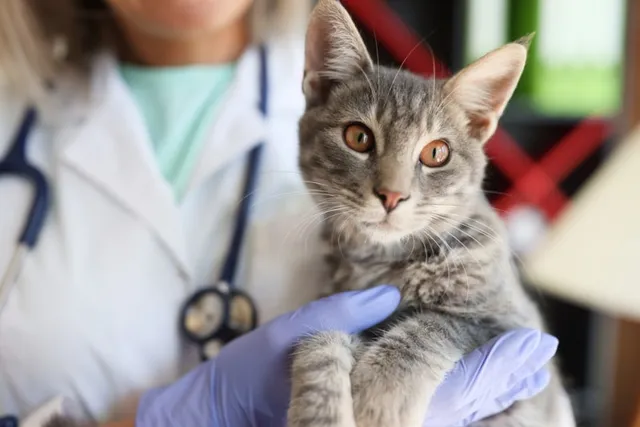
scottish-fold-kitten-in-vet-clinic
Image By: Ground Picture, Shutterstock

Should You Keep a Copy of Your Cat’s Vet Records?

Yes! A licensed vet should keep a history of your cat’s vet records, but that doesn’t mean you shouldn’t keep your own copies at home. Your copies won’t look like exactly what your vet has on hand unless you request them, but by keeping all the documentation they hand over, you should have a pretty comprehensive guide of your cat’s entire medical history.

Are Pet Vet Records Confidential?

Yes, pet records are confidential, and your vet cannot share them with the public or with other vet clinics without your consent. Other reasons a vet might need to share your cat’s record include a court order or a subpoena.

It’s also important to note that HIPAA (which protects the rights of people’s medical records) does not apply to vets. However, many states have passed their own laws, so you’ll need to dive into the exact laws of your state to see what a vet can and can’t legally share.

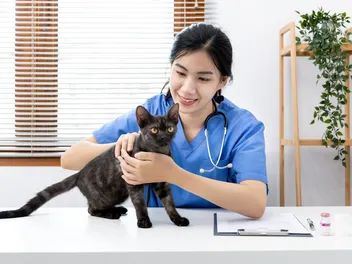
woman working in a veterinary clinic sitting in front of a cat filling out a medical form
Image By: Pressmaster, Shutterstock


divider 1 paws

Do Pet Insurance Companies Require Vet Records?

It depends on the pet insurance company you go with, but it’s common for pet insurance companies to request your cat’s pet insurance records before insuring them. If you are unable to provide the necessary vet records, the insurance company might require a visit to a vet before insuring them.

What to Do if You Don’t Have Your Cat’s Vet Records

If you don’t have your cat’s current vet records and you need them, there are a few things you can do. Start by reaching out to their vet to see if they can provide you with any of the information.

If you don’t have access to the vet, speak with their previous owner or shelter to try and track down any information they might have about their previous veterinary care or if they have any of the records.

If you can’t track down any additional information, don’t panic. You’ll need to schedule a new patient appointment for your cat at the vet, and then you’ll need to provide them with any information you have.

If you don’t have any information to give them, they’ll start building their new vet records from the first appointment!

vet getting the kitten out from the carrier
Image Credit: VGstockstudio, Shutterstock

divider 1 paws

Final Thoughts

Just like it’s important to keep track of your medical records, it’s important for you to keep track of your cat’s. It’s not the end of the world if you don’t have anything to work with right now, but start keeping track of their records for future appointments. That way, you’re not spending extra money on repeat blood work, vaccines, or other treatments in the future.


Featured Image Credit: thodonal88, Shutterstock

Want content like this delivered to you?

Sign Up For Our Newsletter

News, insights, expert advice, and everything cat

* By submitting, you agree to our Terms & Conditions and Privacy & Cookies Policy.


How useful was this post?

Click on a star to rate (you can leave written feedback after clicking submit)

Help us improve Catster for pet parents!

Your feedback really matters.

What did you like about this post? Also how can we improve it?

Join the conversation

Leave a Reply

You’re very welcome to leave a comment or question. Please know that all comments must meet our community guidelines, and your email address will NOT be published. Let’s have a positive and constructive conversation.


Catster's Digital Magazine is Back!

Vet-approved health & behavior advice

Real cat stories & community features

Chatting About the Importance of Spaying/Neutering, Cat Retail Shopping Ban & Red-Level Storms | Chatty Cattys, Episode 30

In this episode of Catster’s Chatty Cattys podcast, Nicole and Dr. Karyn are celebrating a major legal win for pets before diving into...

Is Your Cat Happy? Here’s How You Can Tell

Cats have a reputation for being indifferent, even inscrutable. But despite their seemingly ambivalent appearance, cats experience many emotions, including happiness, and they...

Human Brains Age Like Cats – New Study Debunks the 7-Year Rule

If you’ve ever caught your senior cat staring blankly at a wall, wandering the halls at 3 am, calling out for no clear...

Chatting with Devin About Here! Have a Kitten, Fostering, & Why Two Are Better Than One | Chatty Cattys, Episode 29

In this episode of Catster’s Chatty Cattys podcast, Nicole & Dr. Karyn sit down with Devin, the founder and one-woman show behind “Here...

More related

Is Pine-Sol Safe for Cats? Vet-Reviewed Health Facts

Most cat owners are aware of the harmful effects that pine oil can have on cats and avoid using products that contain it....

Are Lightning Bugs Poisonous to Cats? Vet-Reviewed Facts & FAQ

Lightning bugs, or fireflies (family Lampyridae), can be fun to watch and relatively easy to find on a summer evening. Your cat also...

Cat Ears Drooping: Signs, Causes & What to Do (Vet Answer)

Did you know that, unlike dogs, there’s only one breed of cat with ears that aren’t fully upright? That’s right, and those are...

Shy Cats Explained: Possible Causes & Vet-Approved Tips to Help

Whether you have a traumatized adult cat or you've rescued a feral kitten, here are some ways to help your shy cat come...

Keep reading

Caring For a 1-Year-Old Cat: Vet-Reviewed Health & Wellness Tips

Now that your kitten has hit their 1-year milestone, you’re likely wondering how things will change, since at 12 months, most cats are officially adult cats. It’s important to keep up with your cat’s different life stages, as this will...

bengal cat walking

Why Is My Cat Attacking The Mailman? Possible Reasons & Prevention Tips

There are several reasons that your cat may decide to attack the mailman. In many cases, cats attack them for the same reasons that dogs do: out of territorial instincts or playful curiosity. In this article, we go over all...

Mailman delivering mail

Can Cats Eat Nuts? Vet Approved Facts & Safety Guide

Cats can enjoy eating many different kinds of foods. With that being said, cat owners must still be mindful of what types of food and treats their cats eat because certain foods can still be bad for cats, even if...

Can Cats Eat Nuts

How Long Can a Cat Go Without Peeing? Vet Reviewed Facts & FAQ

As a living being, a healthy cat’s urinary system is always functioning and constantly producing urine. On average, healthy cats urinate two to four times daily, however, it depends on how much water and food they had in the previous...

cat outside the litter box

How Do Cats Walk? Our Vet Explains

Any cat owner whose ankles have fallen victim to a sneak attack from a playful kitty knows that sometimes you can’t hear them coming! But have you ever wondered precisely how cats walk and how they are so stealthy about...

cat walking

9 Best Medication for Cat Allergies (2026) – Reviews & Top Picks

Allergies occur when the immune system is sensitive to a particular substance. The allergens may not affect your other pets, you, or human members in your household, but signs for your cat include sneezing, coughing, runny eyes, and even vomiting...

vet giving drugs to cat

Can Cats Eat Cranberry Sauce? Vet Reviewed Health Risks & Alternatives

Cranberry sauce is a tasty condiment or side dish that goes well with many kinds of meals. However, if you’re a cat owner, you’ll want to think twice about feeding this sweet dish to your pet. While cranberry sauce isn’t...

Can Cats Eat Cranberry Sauce

My Cat Ate a Fly: Vet-Verified Dangers & Tips

Cats will chase after and pounce on anything that moves, including small insects. Grasshoppers and flies are popular targets, and they flutter and glide with unpredictable grace full of starts and stops that are the definition of perfect feline entertainment....

My Cat Ate a Fly

Love Cats? So Do We! Join the Catster Community

Stay informed with expert pet care insights delivered straight to your inbox! Discover professional guidance on animal behavior, feeding tips, trusted product picks, and much more.


Sign up for the Catster Email Newsletter

Stay informed with expert pet care insights delivered straight to your inbox! Discover professional guidance on animal behavior, feeding tips, trusted product picks, and much more.