Ask Dr. Paola - Refusal to Eat, Over-Grooming, & Dog Medicine (February 24, 2025)
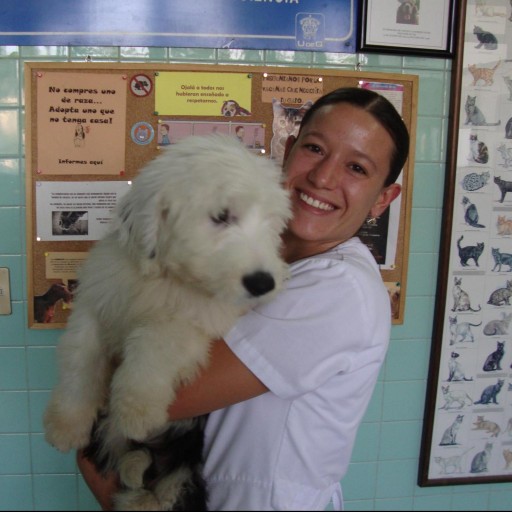
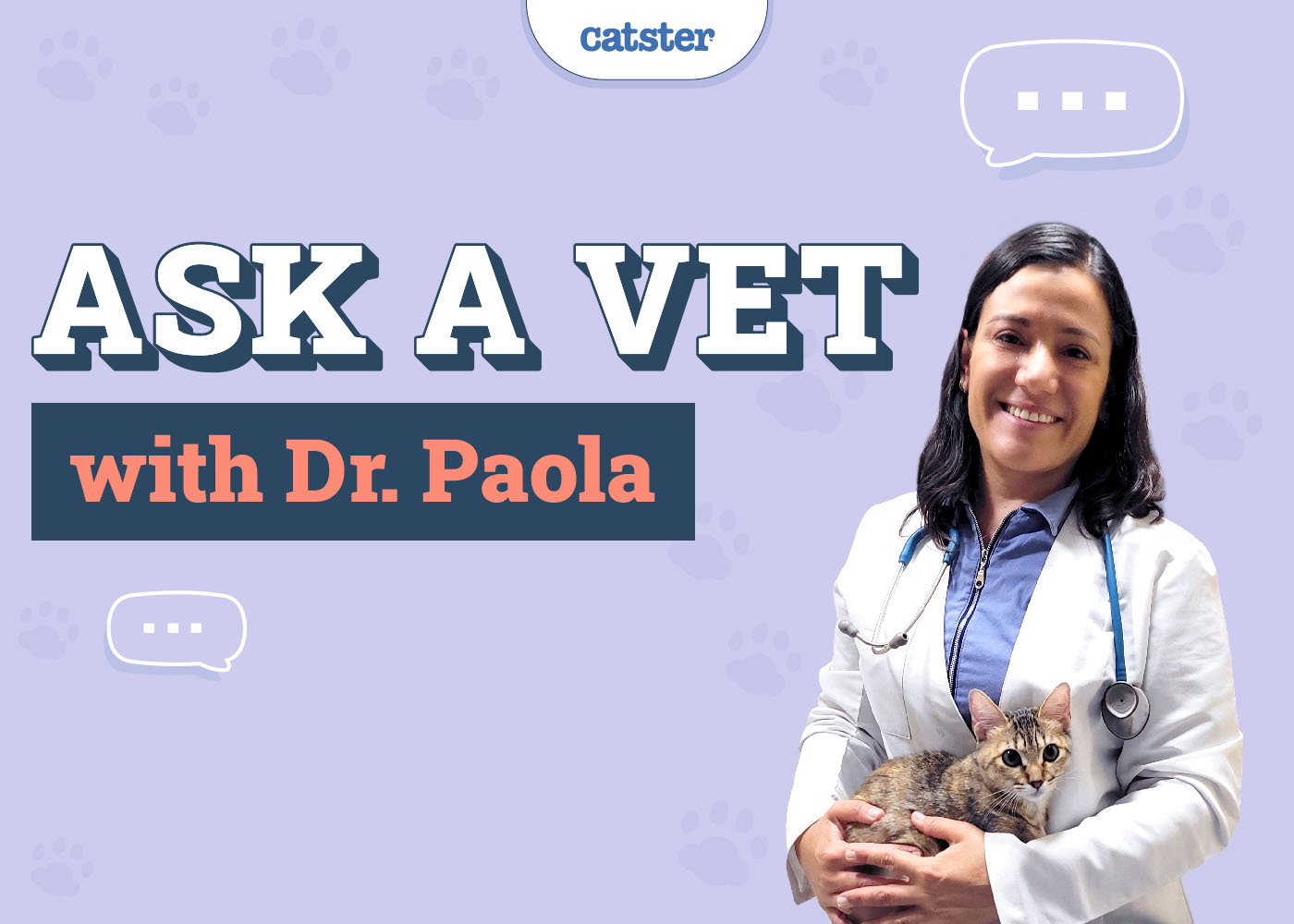
Welcome to our "Ask Dr. Paola" series, where every Monday we bring expert advice straight from Dr. Paola Cuevas (MVZ) to help our readers better understand their cat's health and well-being.
Whether you're a new pet parent or a seasoned cat lover, Dr. Paola is here to provide answers to your most pressing questions. From nutrition tips and preventive care to troubleshooting common behavioral issues, Dr. Paola is ready to offer insights that will keep your kitty happy, healthy, and feline fine. Stay tuned for expert guidance on a range of topics that matter most to you and your cat, so you can make informed decisions and provide the best possible care for your furry companion.
Have a question? Send it in here!

Help! My Cat Refuses to Eat!
“Dear Dr. Paola,
I have an almost 4-year-old black cat, and she refuses to eat any cat food. I offer her every day except for these “Lil’ Soups” made by Friskies. She will want to eat that and only that every day, but those aren’t cheap! I cannot afford to give them to her every day. She otherwise is healthy, drinks water, and is very active particularly late at night. She is not overweight and has no problems with her stool or in her mouth. I don’t know what to do, Please help me" - Barbara
Hi Barbara, I understand how stressful it can be when a cat refuses to eat anything except one specific food, especially when it's not a balanced and complete diet. Cats can be incredibly picky about their food preferences, often becoming fixated on certain textures or flavors, making transitions challenging (but not impossible). The Friskies Lil’ Soups are more of a treat than a nutritionally complete formula, so it's very important to help her accept a balanced diet while also considering your budget. First, you need to look for a “complete and balanced” statement on the food's label.
Since by your description, she appears otherwise healthy, this is likely a behavioral or preference-based issue rather than a medical one. However, before assuming it's just plain preference, it's always good to rule out discrete health concerns like nausea, dental sensitivity, or gastrointestinal discomfort. If she's drinking well, maintaining weight, and has normal stools, that’s good news. The key now is to transition her to a complete diet by gradually mixing small amounts of wet or dry cat food into her Lil’ Soups, start small and work towards increasing the proportion slowly over time. Warming the food slightly or adding a bit of water or cat-safe bone broth to improve texture may make it more appealing, especially since we know she prefers a more liquid consistency. If she still resists, offering food for a set time and then removing it rather than catering to her preference will help reset her expectations. Cats can be tricky, but with patience and consistency, she can learn to eat a more appropriate diet.
If she completely refuses food for more than 24 hours, that becomes a concern, as cats can develop hepatic lipidosis (fatty liver disease) if they go too long without eating. In that case, I suggest consulting directly with an online teletriage service to help you determine the best next steps before it becomes a medical problem. Catster is partnered with PangoVet’s teletriage service, you can learn more about them here and book a consult with our vet team. Stay patient and be persistent—cats are clever, but with time, you can guide her toward healthier eating habits.
Dr. Paola


Help! My Cats is Over Grooming!
"Hi Dr. Paola,
My cat Tommy has recently developed a bad habit of over-grooming. He’s constantly licking and scratching, and his coat has noticeably thinned. Our vet discovered he has numerous environmental allergies, but his medication hasn’t seemed to make a difference. We’re not sure where to go from here and how to break this habit. The only thing that’s helped is putting him in a cone of shame, but he doesn’t like it and it’s not a permanent solution. What can we do to get him to stop over-grooming?" - Keith
Hi Keith, Tommy’s over-grooming is likely a sign of persistent irritation and discomfort, and since environmental allergies are involved, finding the right approach to managing them is key. Allergies can weaken the skin barrier, making it more reactive to irritants, which can lead to excessive licking and scratching. If his current treatment hasn’t brought noticeable relief, exploring additional options such as different anti-inflammatory therapies, antihistamines, or even immunotherapy may help.
Supporting his skin health can also make a big difference. Omega-3 fatty acids help strengthen the skin barrier and reduce inflammation, much like a protective moisturizer for sensitive skin. Regular baths with a mild, hypoallergenic shampoo can remove allergens from his coat, reducing irritation. Since allergens can accumulate in the home, frequent vacuuming, washing his bedding, and using HEPA filters may help limit his exposure. The other part of this equation would be to work on reducing his stress or anxiety since over-grooming can become a self-soothing habit. I recommend trying calming synthetic pheromone diffusers, engaging in more playtime, and setting up a variety of novel environmental enrichment devices to try to redirect his focus.
While the cone prevents further irritation, it is not a fix. Imagine feeling itchy but having your hands cuffed. Addressing the root cause is essential for a long-term solution. A combination of medication adjustments, skin support, and environmental changes can often break the cycle. It may be helpful to revisit his treatment plan and explore additional strategies to keep him comfortable.
Sincerely,
Dr. Paola

Help! My Cat Ate Praziquantel!
“My cat Milo ate a small amount of Praziquantel for dogs what should I do? Thanks in advance – Chavonne
Chavonne, I understand how concerning it can be when a pet accidentally ingests medication not meant for them. The good news is that Praziquantel is commonly used to treat tapeworms in both dogs and cats, but the dosage and formulation can vary between species. If Milo consumed a small amount of the dog version of only Praziquantel he is likely safe. The main concern here would be the potential toxicity from a high dose. According to a study published in the Parasitology International Journal, a dose of up to 40mg per kg (18.14mg per lb) is safe for cats and while we typically work with lower dosages to treat susceptible parasites, this is a good reference for Milo’s case. If Milo ingested significantly more than that there is an increased risk of adverse effects such as vomiting, diarrhea, lethargy, excessive salivation, or, in high doses, neurological issues like tremors or incoordination. If you are unsure how much he ingested or if he shows any of these concerning signs, it is best to seek veterinary guidance immediately.
Likewise, if there is other drug mixed in with the Praziquantel for dog formulation, you need to consult a vet. If the product contained additional drugs know that several of the commonly used multidrug formulations have drugs that are considered toxic to cats, if that is the case, urgent veterinary care may be necessary—even if Milo seems fine now. If you’re unsure about the formulation, checking the packaging or calling a tele-triage veterinary service can help assess the risk. If Milo develops any concerning signs, please don't wait, in-person veterinary care is your safest option. I hope Milo is doing well.
This article is a part of our weekly Ask Dr. Paola series

Expert cat care, straight to your inbox
Vet-reviewed advice, behavior tips, and the best of Catster. Free, and you can unsubscribe anytime.
By signing up, you agree to our Terms & Conditions and Privacy & Cookies Policy.
Dr. Paola Cuevas MVZ (Veterinarian)
Dr. Paola Cuevas is the Senior In-House Veterinarian at Pangolia, the parent company of Catster. She has over 18 years of experience as a veterinarian and animal behaviorist. Paola's focus is on preventive medicine and animal welfare. Paola has a large range of skills in from diagnostic imaging to nutrition and clinical pathology. Paola enjoys sharing her extensive knowledge of animal training with our Catster readers and is always happy to answer reader questions as our in-house veterinarian.
Join the conversation
Ask a question, share your story, or send private feedback.