Get

In Your Inbox

Catster is reader-supported. When you buy via links on our site, we may earn an affiliate commission at no cost to you. Learn more.

9 Holiday Plants That Pose a Danger to Cats (With Pictures)

Share

mistletoe with ribbon hanging on the door

Other than the baking and gift-purchasing aspects, part of gearing up for the holidays is decorating. Some decorating involves trees and plants, but when you have a cat running around, you must ensure your pet’s safety.

Unfortunately, some of the popular decorative holiday plants are toxic to cats. Here’s a list of nine plants that must be kept away from your feline. There’s also information about plants that are safe near your cat.

divider cat faces oct 2024

The 6 Dangerously Toxic Holiday Plants

1. Christmas Lily

white lillies
Image Credit: Vladnik55, Shutterstock

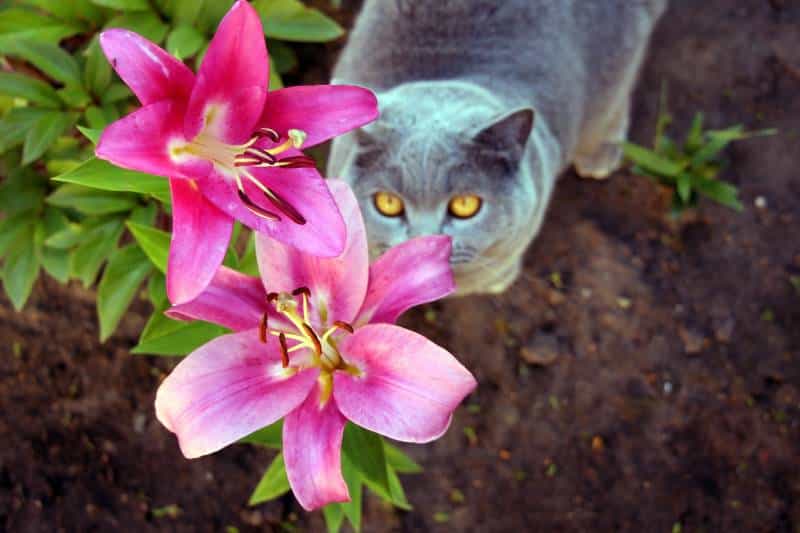
All lilies are toxic to cats to a certain degree. True lilies are the most toxic, which include Easter, Japanese show, tiger, and stargazer lilies. Christmas lilies aren’t as toxic as true lilies but are toxic nonetheless. Every part of the lily is toxic, and with the day and true lilies, kidney failure can occur within 72 hours after ingestion.


2. Holly

holly branch as holiday decor with christmas tree and lights in background
Image Credit: Marie C Fields, Shutterstock

Holly contains toxic saponins. The leaves are also spiny, which can injure the cat’s mouth and esophagus when ingested. If injured by the holly, your cat might shake their head excessively, smack their lips, and drool.

If a cat eats holly, they can suffer from severe gastrointestinal irritation, including:

  • Abdominal pain
  • Vomiting
  • Diarrhea

3. Mistletoe

hanging mistletoe branches
Image Credit: Oleksandr Rybitskiy, Shutterstock

Most of us are familiar with the kissing-under-the-mistletoe tradition. Unfortunately for cats, the American (Phoradendron serotinum) and European mistletoe (Viscum album) are toxic, with the European variety being the most toxic. Mistletoe and cats don’t mix so keep them away!

When cats eat the berries, they’ll likely experience:
  • Drooling
  • Abdominal pain
  • Vomiting
  • Diarrhea
If too many berries are eaten, it can result in:
  • Abnormal heart rate
  • Low blood pressure
  • Uncoordinated
  • Collapse
  • Seizures
  • Death

4. Cyclamen

cyclamen flowers
Image Credit: Photology1971, Shutterstock

The cyclamen grows around the holidays and is typically bright pink, red, or white. Every part of the plant contains saponins, but the roots (tubers) have the highest concentration.

Signs of cyclamen poisoning include:
  • Drooling
  • Vomiting
  • Diarrhea
If your cat eats a large amount, the following signs can result:
  • Abnormal heart rate
  • Seizures
  • Death

5. Christmas Rose

Christmas Rose flowers
Image Credit: weintel, Shutterstock

The Christmas rose contains toxic bufadienolides and glycosides, which cause:
  • Electrolyte imbalances
  • Changes in heart rate and rhythm
  • Low pulse
The sap in the Christmas rose can cause:
  • Drooling
  • Excessive vomiting
  • Persistent diarrhea containing blood

6. Amaryllis

Red Amaryllis flowers
Image Credit: fon.tepsoda, Shutterstock

The Amaryllis is not a true lily but is still toxic. It contains alkaloids, which are found in all parts of the plant.

Eating a few leaves can cause mild gastrointestinal upset, like vomiting.

However, if too many leaves or roots are ingested, it can lead to:
  • Low blood pressure
  • Weakness
  • Excess salivation
  • Low blood pressure

divider cat faces oct 2024

The 3 Mildly Toxic Holiday Plants

7. Poinsettia

Poinsettia flowers at flower shop
Image Credit: John de la Bastide, Shutterstock

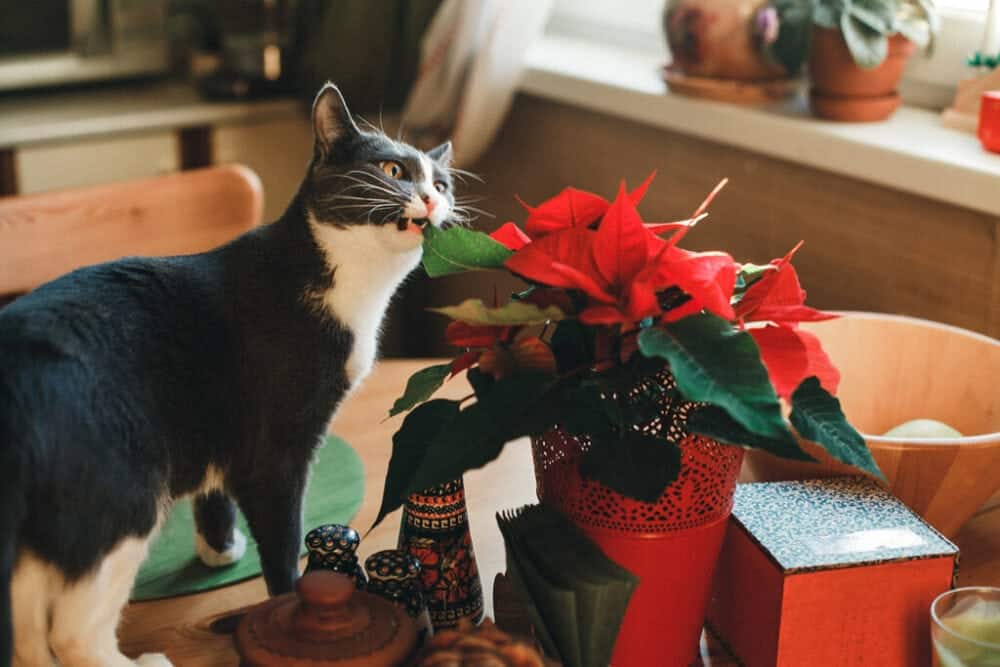
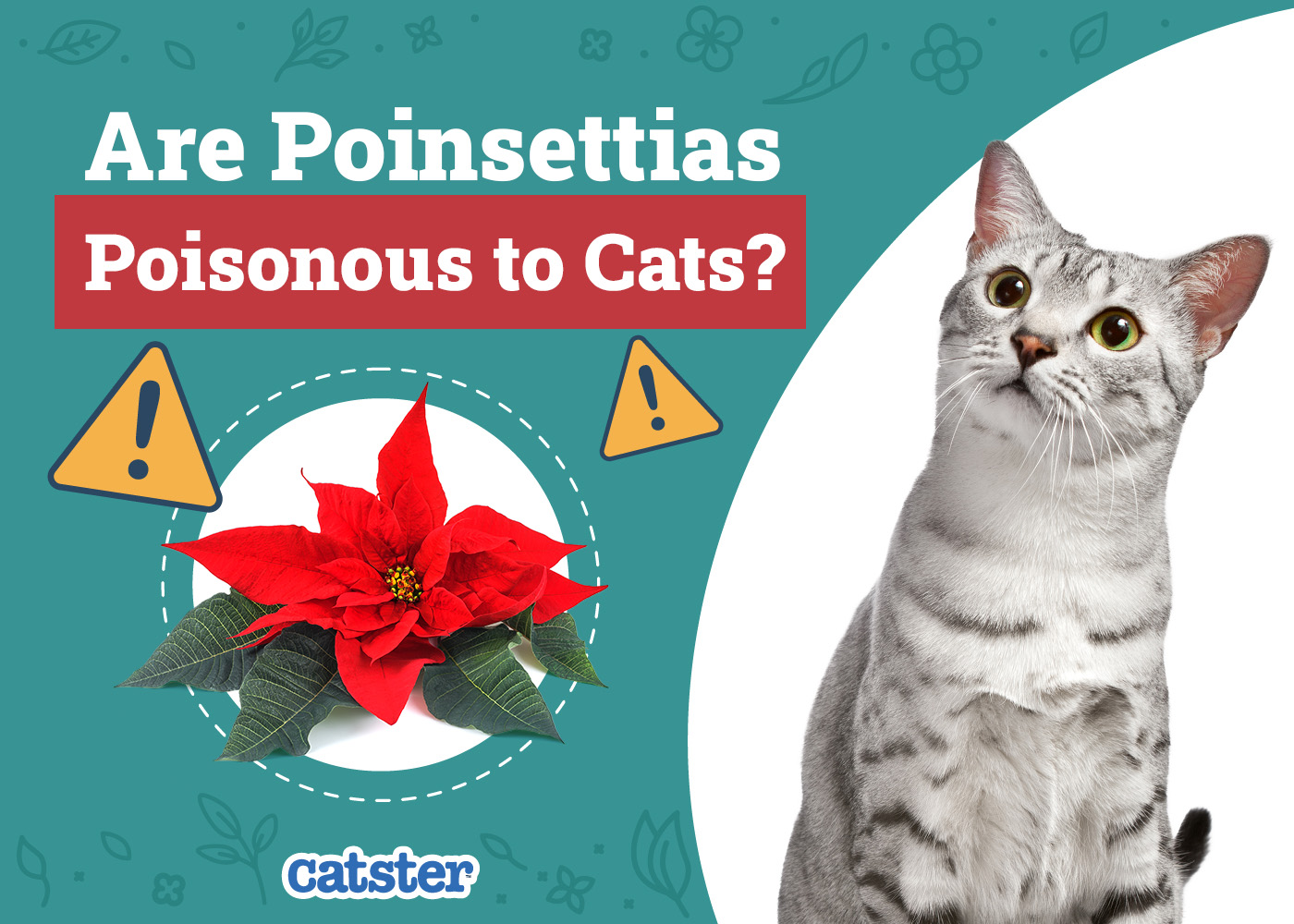
The poinsettia is the most well-known plant people associate with Christmas; unfortunately, it is not safe for cats. However, it’s only mildly toxic to felines. Poinsettias have a white sap containing saponin-like detergents and diterpenoid euphorbol esters.

When the sap is chewed or comes into direct contact with the skin, it could cause irritation, including:
  • Redness
  • Itchiness
  • Swelling
The sap can also cause irritation if exposed to the skin, along with:
  • Redness
  • Itchiness
  • Swelling

Your cat would need to eat a large amount of the sap to come down with poinsettia poisoning. Most likely, cats will have an irritated mouth and esophagus after chewing a poinsettia. Poinsettias aren’t overly dangerous, but if your cat is prone to chewing on plants, put them out of your cat’s reach or avoid having them in the home altogether. They can still make your cat sick.


8. Christmas Tree

christmas tree farm
Image Credit: Happy Hirtzel, Shutterstock

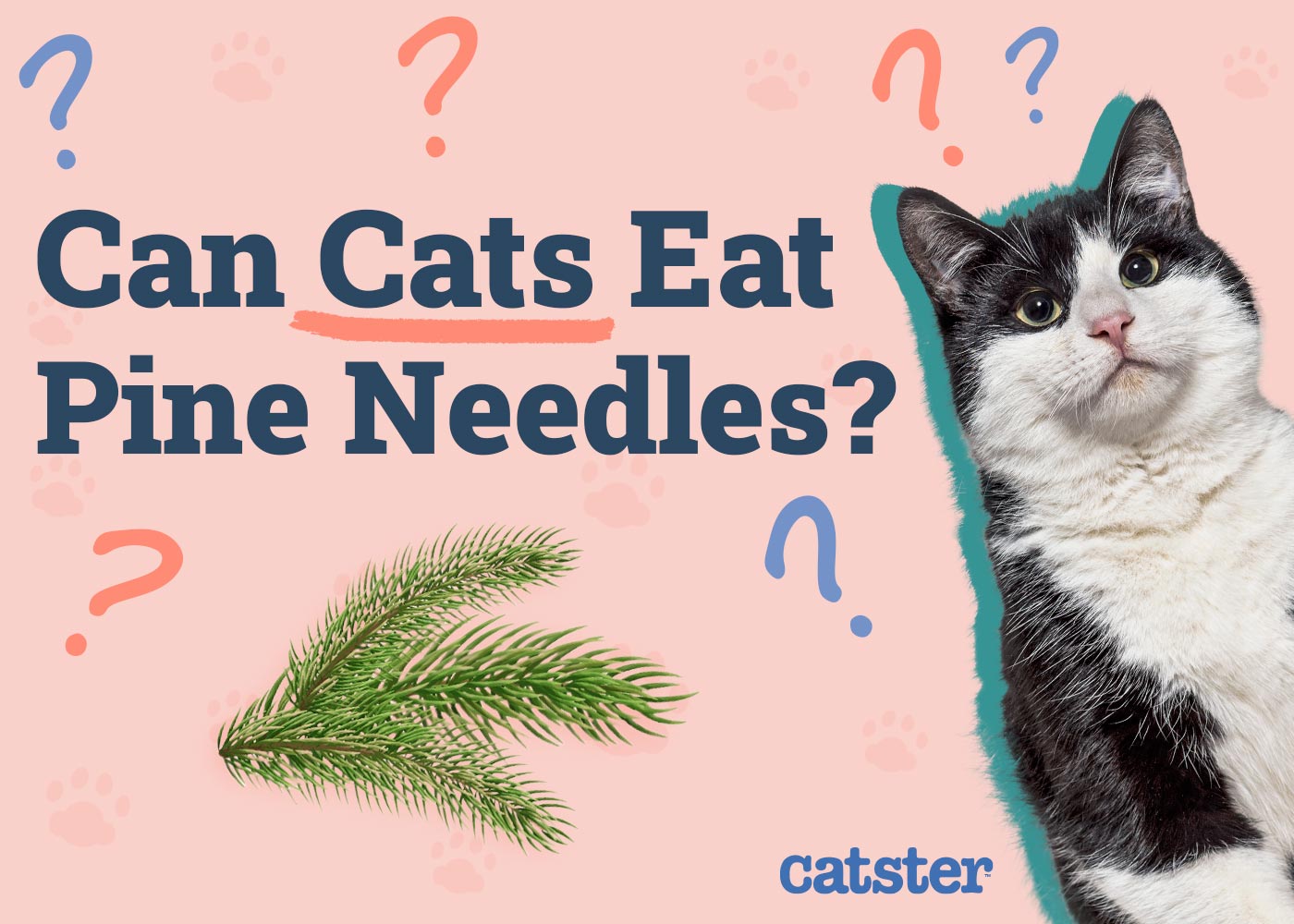
Most Christmas trees are fir, pine, and spruce, and while they aren’t necessarily toxic, the needles can injure a cat’s mouth when eaten.

If your cat eats too many needles, it can cause gastrointestinal problems, including:
  • Vomiting
  • Diarrhea
  • Drooling
  • Abdominal pain

The tree water can also cause problems if your cat drinks it. Artificial trees have the same issue. If your cat eats the plastic “needles,” they will experience gastrointestinal issues. The decorations and electrical lights also pose a risk.

You can try cat-proofing your Christmas tree. The risks are minor, but you’ll also need to judge how your cat will act around it to decide if it’s worth it.


9. Christmas Cactus

potted Christmas cactus on the windowsill
Image Credit: Nadezhda Nesterova, Shutterstock

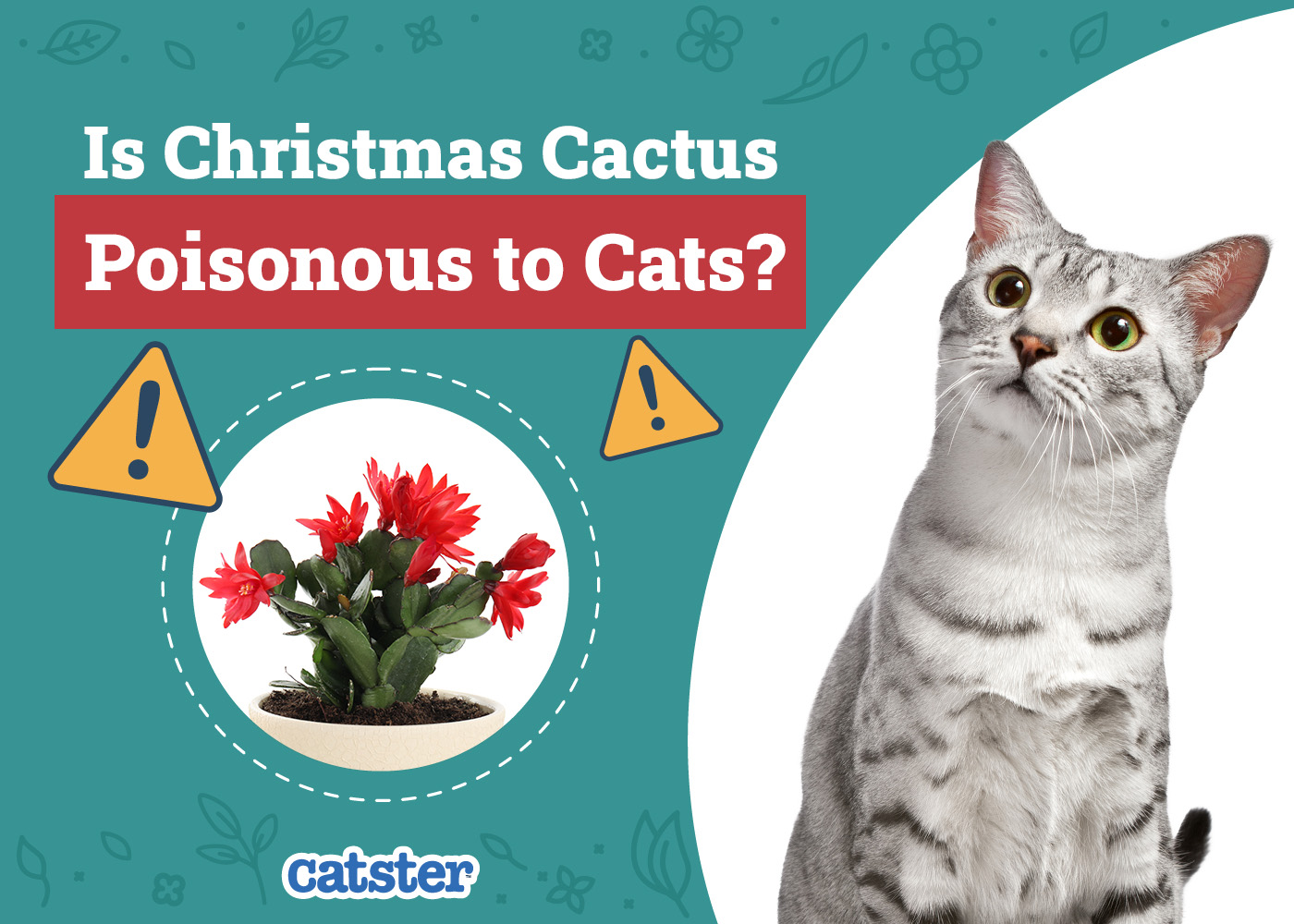
The Christmas cactus is not toxic to cats, but it has tiny spines that can injure the mouth and irritate the stomach and intestines. It’s also highly fibrous, which can cause vomiting and diarrhea. This should all resolve within a few hours, but see a vet if the irritation persists.

Like the poinsettia, having a Christmas cactus in the house should be okay, but try to keep it out of your cat’s reach.

divider cat faces oct 2024

What You Should Do if Your Cat Ingested a Toxic Plant

If you know that your cat ate a toxic plant, you should take them to a vet or the closest emergency clinic. If you’re not entirely sure what kind of plant it is, take a photo or bring it with you so the vet will know the source of the problem and, thus, how to treat it.

Mild nausea and vomiting that get better after a few hours aren’t signs of poisoning, but you should still call a vet to be on the safe side. If you’re unsure what to do, call the ASPCA Animal Poison Control at (888) 426-4435 or Pet Poison Helpline at (855) 764-7661. There is a charge for calling either.

If you need to speak with a vet but can't get to one, head over to PangoVet. It's an online service where you can talk to a vet online and get the advice you need for your pet — all at an affordable price!

PangoVet_Mention-in-Content for PangoVet2 save money

Safe Plants for Cats

No plant is entirely safe, and if your cat eats too much of what is considered a harmless plant, they are still likely to get an upset stomach. However, the following plants are generally safe for felines, but we still recommend keeping them out of your cat’s reach, particularly if your kitty loves to chew on everything!

Safe Succulents:
  • Burros tail
  • Hens and chickens
  • Ghost plant
  • Living stone plant
  • Mexican firecracker
  • Mexican rose
  • Money plant
Safe Houseplants:
  • African violet
  • Bottle palm
  • Bromeliad
  • Bamboo palm
  • Hibiscus
  • Orchids
  • Peperomia
  • Polka dot plant
  • Prayer plant
  • Rose
  • Spider plant
  • Swedish ivy

divider cat faces oct 2024

Conclusion

The holidays are full of fun but also might expose your cats to some dangers, which is especially true if you have a cat that tries everything.

As a responsible pet parent, you must familiarize yourself with the toxic and potentially dangerous plants, foods, and other holiday items. Avoid highly toxic plants at all costs! All it takes is your cat ingesting pollen off a lily while grooming themselves, and you then have to rush your pet to the veterinarian. Cats are sneaky, and it isn’t difficult for a determined cat to reach what you think is an out-of-reach location. Please keep the holidays safe for your kitty!


Featured Image Credit: marilyn barbone, Shutterstock

Want content like this delivered to you?

Sign Up For Our Newsletter

News, insights, expert advice, and everything cat

* By submitting, you agree to our Terms & Conditions and Privacy & Cookies Policy.


How useful was this post?

Click on a star to rate (you can leave written feedback after clicking submit)

Help us improve Catster for pet parents!

Your feedback really matters.

What did you like about this post? Also how can we improve it?

Join the conversation

Leave a Reply

You’re very welcome to leave a comment or question. Please know that all comments must meet our community guidelines, and your email address will NOT be published. Let’s have a positive and constructive conversation.


Talk With A Vet Online

Peace of mind,
anywhere, anytime

Affordable vet advice

The 10 Common Causes of Sudden Death in Cats (And Which Ones Are Preventable)

Most cat owners don’t think much about heart disease, internal hemorrhage, or viral infections until they’re staring at an empty bed. Sudden death...

Ask Dr. Paola – Help! My Cat Suddenly Has Dandruff! (March 30, 2026)

Welcome to our “Ask Dr. Paola” series, where every Monday we bring expert advice straight from Dr. Paola Cuevas (MVZ) to help our...

Your Cat Keeps Vomiting After Eating: Here’s What’s Going On

Cats vomit. It’s one of the less glamorous facts of life with a feline, and most cat owners have cleaned up more than...

Ask Dr. Paola – Help! My Cat Gets Diarrhea from Wet Food! (March 23, 2026)

Welcome to our “Ask Dr. Paola” series, where every Monday we bring expert advice straight from Dr. Paola Cuevas (MVZ) to help our...

More related

How Does Cat Allergy Testing Work? Vet-Reviewed Test Types, Signs & FAQ

Whether your cat is displaying signs of allergies or you just want to get ahead of things, you might wonder how exactly allergy...

Cats Flying in Cargo: A Nightmare For the Cat & Owner

Welcome to the Wednesday Cats of Catster! Every week, we share a story from one of our cat-loving Catsters. This week is about...

10 Pet-Friendly Hotels in Flagstaff, AZ (2026 Update)

Flagstaff, Arizona, is a wonderful place to visit, with many attractions, including the Lowell Observatory, Museum of Northern Arizona, and Lava River Cave....

American Longhair Cat Breed: Info, Care, Pictures, & Facts

The American Longhair cat was developed from crossing a Persian with an American Shorthair. The resulting cat is a playful, easygoing, and friendly...

Keep reading

Do Maine Coons Get Along With Dogs? Our Vet Explains Cat Dog Socialization

If you haven’t met a Maine Coon, I can highly recommend it. Not only is their impressive size and stature hard to ignore, but their laid-back confidence makes them very easy to get along with. As one of the breeds...

Dogs and Maine Coon get along

Can Cats Eat Ramen Noodles? Vet-Reviewed Facts & FAQ

After leaving your ramen noodles on the table, when you answer the door, you may have noticed that your cat had sampled your meal. Should you rush them to the ER? Are ramen noodles safe for cats to eat? A...

Can Cats Eat Ramen Noodles

Scottish Fold Cat Health Problems: 7 Vet-Reviewed Issues

Scottish Fold cats have found their way into many pet lovers’ hearts with their unique folded ears and sweet personalities. As with any breed of cat, the Scottish Fold cat has its own set of health issues you need to...

Catster_Health Problems of Scottish Fold

Why Do Cats Sit on Squares, Even If It’s Just Tape? 8 Vet-Reviewed Reasons

For some odd reason, cats seem to enjoy sitting on squares. They’ll even sit on pieces of tape that look like tiny squares, which can be quite comical. But why do cats love sitting on squares so much? Here are...

Cat inside a square made of tape

Why Does My Cat’s Breath Stink? 9 Vet Reviewed Reasons & Solutions

If your cat’s breath seems to stink when you lift them up for a cuddle, there can be a few reasons. A healthy cat’s breath shouldn’t smell unpleasant, so if you find yourself wincing when you smell your cat’s breath,...

man holding cat with bad smell

Manx Cat Health Problems: 8 Vet-Reviewed Issues

It’s an easy task to fall in love with the Manx cat—their bouncy personalities, communication skills, easygoing temperament, and enjoyment of pets and children make them wonderful additions to most homes. Let’s not forget that tail—or lack of tail—that makes...

Catster_Health Problems of Manx

Living In a Multi-Pet Household: Which Pets to Choose & How to Get Along

A multi-pet household is one with multiple pets, but typically refers to pets of different species and not just breeds. Most multi-species households combine cats and dogs because these are the two most common pets, but they can also incorporate...

multiple cats eating from a bowl at home

Why Are Some Cats Lap Cats While Others Aren’t? Vet-Reviewed Reasons

Every cat has their own unique personality and preferences. This is why some end up being natural lap cats, others will learn to be lap cats, and still others will never be lap cats. More research on feline behavior has...

young man sitting on couch with his cat on his lap

Love Cats? So Do We! Join the Catster Community

Stay informed with expert pet care insights delivered straight to your inbox! Discover professional guidance on animal behavior, feeding tips, trusted product picks, and much more.


Sign up for the Catster Email Newsletter

Stay informed with expert pet care insights delivered straight to your inbox! Discover professional guidance on animal behavior, feeding tips, trusted product picks, and much more.