How to Introduce a Cat to a Baby: Vet-Approved Tips & Tricks

In this article
Bringing home a baby from the hospital is going to be a new experience for everyone. You and possibly your partner have a lot on the mind right now. There will be a lot of visitors, household changes, and sleep schedule disruptions.
When you have a cat at home, you know very well that their lives are about to change, too. If you have never had a baby around the cat before, they might not know how to feel or what to expect—especially when they realize this is a forever-staying family member and not just a visitor.
The good news is that most cats adjust well and very quickly—and some are over the moon about the baby right away. In this article, we aim to give you some pointers on how to introduce cats and babies – the two future best friends.

The 6 Tips on How to Introduce Your Cat to a Baby
1. Don’t Make It a Thing
As a proud parent of both pets and children, it’s very tempting to call all the shots. But understand that your cat will acclimate to the baby without peer pressure and could take a while to warm up.
Instead of panicking about your furry friend around the baby, try to relax a little bit. If your energy is tense, it might really change the mood for them. This is the opposite of what you want.
You want your cat to know that you are perfectly fine with both them and the baby being there, so they feel a little more apt to welcome this peculiar miniature human.

2. Have a Helper on Standby
It might work in your favor to have someone close by who can help you keep an eye on the situation. One of you can hold the baby while the other one calms the cat or vice versa.
You never know exactly how your cat will respond to the newcomer, so it is important to make them feel comfortable in whatever way you can.
Often, it’s easier if they are around people that they feel totally comfortable with. So, make sure that it is someone your cat knows very well so it doesn't have the opposite effect.
3. Make Sure the Baby Is Stationary and Secure
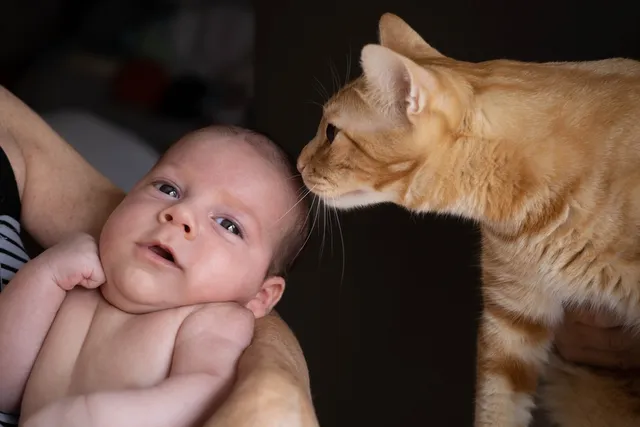
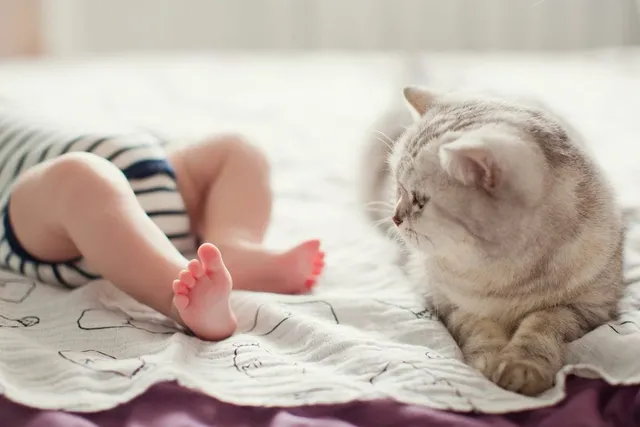
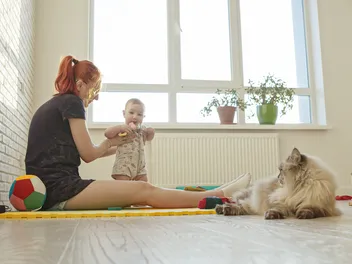
Your baby should be secure and comfortable so that way you can put a lot of focus on your cat’s reaction. You can hold the baby in your arms and coax your cat over by using treats or offerings of affection. You can also put the baby on a Boppy pillow or bassinet, so your cat can check them out.
Any way you want to play it, just make sure your baby is safe and secure. If they are disgruntled, crying, or unhappy, your cat will probably be much too scared.
4. Let Your Cat Nose Around
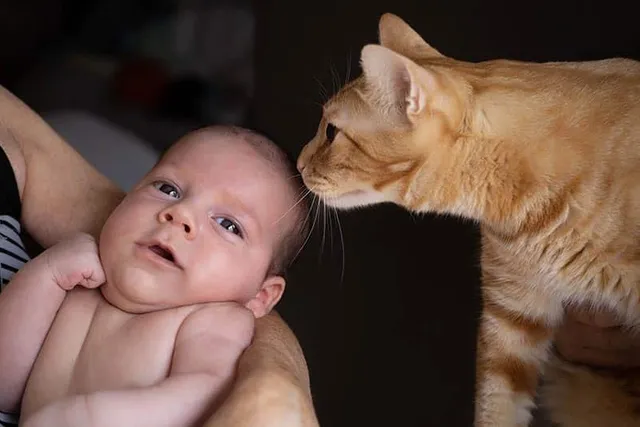
Put less emphasis on what your cat is doing at this time. If they want to smell the baby, let them. If they get spooked about it and turn them back away, don’t make a fuss. Just let them respond how they see fit and don’t try to push the situation.
If you find that you’ve introduced them, and your cat has booked it for the hills, let them go for now. You can always try the introduction later when it seems more appropriate. Your cat might not like your baby for a very long time.
But the fastest way they will get to know one another is if you let your cat smell the baby to get used to their environment.

5. Keep the Environment Quiet
Your cat isn’t going to acclimate very well to your baby if there’s a lot of chaos going on. Wait to introduce them until the home is quiet and relaxed. This way, they don’t feel like there’s a lot of extra pressure around.
They're likely to feel uncomfortable about the new baby at first, although some might go straight to feeling curious. You never know exactly how a cat will react if they've never been around a baby before. So, err on the side of caution, and keep things quiet.
6. Show Your Cat It’s Okay
If you can tell your cat is insecure, you can reassure them that everything is just fine. Try to get them to come up to you while you're holding the baby. Pat them on the head, talk sweet to them, do whatever you can to make them feel more relaxed. Your cat will warm up eventually, or at the very least, remain indifferent.

Dangers of Cats Around Babies
As cat owners, we can get quite sensitive when folks suggest there is anything wrong with cats being around our babies. It is quite annoying to hear unsolicited advice from people about our babies in general, especially when it gets that personal.
Even though cats and babies can match perfectly fine, there are a few things to consider for safety’s sake. If you want to learn more about the dangers of cats around babies, here are a few things that might raise a little concern.
Don’t worry; each of these problems is completely manageable with routine care and careful observation.
Litter Box
If you were keeping up with regular parasite prevention, this won’t necessarily apply to you. However, cats can have parasites throughout their body, which can transmit to humans in some circumstances.
A few of these examples include:
Soon enough, you will have a scooting baby that moves quickly and puts everything in their mouth! To reduce the risk of exposure, make sure your cat’s litter box is scooped daily and any debris is cleaned from the floors.
Many find it is even easier to have the litter box in a totally inaccessible room to prevent exposure to your child. You will find some dividing line that works best for your household.

Cat Scratch Fever
Cat scratch fever is uncommon but can be pretty nasty! It is an illness transmitting a bacteria called Bartonella henselae through a cat scratch breaking the skin. If your cat has scratched your baby, it is imperative to look for signs of infection, such as:
A few of these examples include:
Most cats with this bacterium have no signs of illness and up to 30% of all household cats can carry it! So, be mindful. This problem requires antibiotics to treat and needs immediate medical attention—especially for a delicate baby.
Do Cats Really Take a Baby’s Breath?
You might have heard the old wives’ tale that a cat will steal a baby's breath. But is there any truth in that? Luckily, it is as silly as it sounds. Of course, cats have no magical superpower to suck all your baby's free air leaving them breathless—so there is no danger there.
However, what can happen is that your cat can get very curious about your baby. They might lay on top of them, which can put a lot of extra weight on the baby’s belly, making it harder to breathe. Or they might love the smell of milk around the baby’s mouth and try to get a taste.
If the baby grabs hold of your cat, they might even bite or scratch out of fear. We have all had our hair pulled by a sweet, innocent baby, and we know how bad it hurts! Your cat doesn't have the same level of distinction and shouldn't be put into that situation.
It is important to supervise any interactions between your baby and cat to make sure everyone is safe and sound. Your cat would likely never intend to hurt the baby, but accidents happen and prevention is key.

Rehoming Your Cat After Baby Comes
Unfortunately, one of the saddest realities is that many cat owners decide to let their feline go once the baby comes. This could be due to overloaded stress, poor advice from doctors or family members, and a myriad of other reasons. Rehoming your cat may not be the answer. There are so many alternatives that will simply take minor adjustments and long-term focus. You can certainly make room in your heart for both.
However, in some incredibly rare situations, you might be at a crossroads without another option. Some of these circumstances may include your baby having very severe allergic reactions to your cat, for example. If you ever find yourself here, and only you can decide if you are really in this predicament, you should work very closely with a rescue or shelter to have your cat rehomed properly.
It might take a little while for your cat to find a foster family or be accepted into the shelter, but it is a far better option for them in the long run than trusting strangers on social media marketplaces or online ad services. Often, our cats wind up in worse situations with people who can’t properly commit to or care for them. We can’t usually screen potential adoptees and someone might look great on paper, but not in the real world.
Many people try to find free or very cheap cats but don’t really have the financial means to take care of them. Or, worse, they might even use them as bait for fighting dogs or other sinister tricks. So, we urge you instead to work alongside a reputable rescue or shelter. These facilities will be able to empathize with your situation and get you on the appropriate waiting list if necessary.

Conclusion
So, now you understand a little more about how to acclimate your cat to the precious little baby. Remember, this is going to be a taxing time for you, new mom or dad, so don’t get discouraged easily! Everyone has some adjusting to do.
Just worry about getting sleep when you can and bond with your kitty and baby as you are able to. Try not to push the envelope too much! You’re doing great.
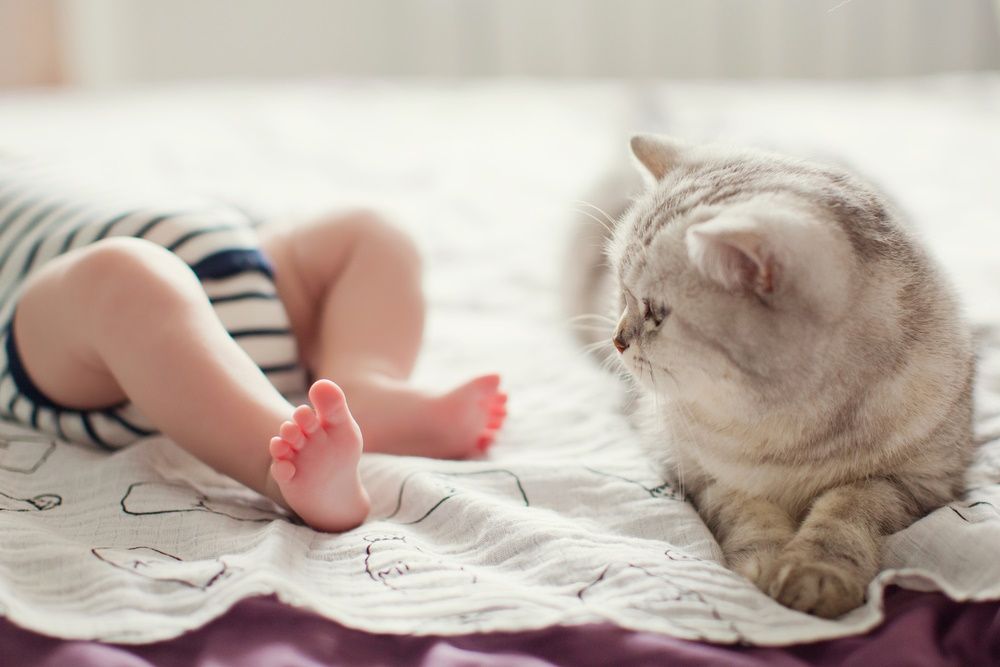
Featured Image Credit: aprilante, Shutterstock

Expert cat care, straight to your inbox
Vet-reviewed advice, behavior tips, and the best of Catster. Free, and you can unsubscribe anytime.
By signing up, you agree to our Terms & Conditions and Privacy & Cookies Policy.
As a freelance dog writer and passionate pet enthusiast, Ashley Bates is pursuing studies in animal therapy. A mother to four human children and 23 animal companions, Ashley is dedicated to volunteering at shelters, advocating for animal rights, and rescuing animals in need. Her goal is to spread awareness, provide education, and offer entertainment about pets to reduce homelessness. Ashley's specialties include dogs and cats.
Join the conversation
Ask a question, share your story, or send private feedback.