FIV in Cats (Feline Immunodeficiency Virus): Vet Explained Causes, Signs & Care

In this article
It is always a bit concerning when your cat seems ill, so you might feel more comfortable if you took them to the vet’s office to get checked out. Your veterinarian will likely want to run several tests if your cat feels under the weather. One test, a feline leukemia and FIV test, checks for certain viral infections. You hope the test comes back negative, but then you get the bad news: your cat tests positive for FIV.
What does that ultimately mean for its care?

What Is FIV?
Feline immunodeficiency virus, or FIV, is a viral infection in cats, affecting roughly 1% to 5% percent of cats.1 It is relatively similar to the human immunodeficiency virus (HIV), although these viruses are species-specific. That means you don't have to worry about catching FIV from your cat. When cats get exposed to FIV, the virus attacks their immune system. Without a fully functioning immune system, your cat is at risk for developing a host of different infections and may even be at a higher risk for certain cancers.

What Are the Signs of FIV In Cats?
FIV occurs in three main stages, according to the Cornell Feline Health Center:2
- Acute phase
- Latent phase
- Progressive phase
The Acute Phase
During the initial stage of infection, cats are in the acute phase. The virus reproduces within T-lymphocytes, a type of white blood cell. While the virus spreads throughout your cat's body, initially, you might see lymph node swelling or enlargement. Your cat might show other signs at this time, including:
- Depression
- Anorexia
- Fever
If you are concerned about the health and well-being of your pet, seek veterinary advice for the best course of action.
The Latent Phase
The latent phase is also called the asymptomatic phase. Infected cats don't generally show signs during this phase. It may last for months, years, or even the rest of your cat's life. Viral replication is slow in this period. There aren't many signs in this phase, but your veterinarian might detect changes in blood work, such as:
- Low white blood cell count on a complete blood cell count (CBC)
- Increased proteins on a serum chemistry like globulin

The Progressive Phase
Not all cats enter the progressive phase, but if they do, they may be affected by numerous illnesses. Secondary infections are what usually affect the cat and can shorten their lifespan. Possible illnesses include:
- Recurrent respiratory illness
- Eye infections
- Gingivostomatitis
- Immune-mediated disorders like hemolytic anemia
- Cancer
- Seizures

What Are the Causes of FIV In Cats?
FIV only affects cats but can affect any type of cat, from your domestic shorthair to an African lion.
The virus particles that cause feline immunodeficiency virus don't last long in the environment, so cats are not usually affected by passive contact, such as sharing food or water bowls or multiple cats grooming each other. If you have more than one cat and they tend to get along well, there's a much smaller chance of your FIV-negative cat becoming infected in a stable home atmosphere than outdoor cats roaming and potentially fighting.
The most common way for FIV to pass between cats is a bite wound. As such, outdoor cats, particularly unneutered males defending their territory, are likelier to have FIV than other cats. It is less likely for pregnant or nursing females to pass the virus on to their kittens. However, it is still possible to do so through the placenta, via milk when kittens are nursing, or during the birthing process itself.

How Do I Care for a Cat With FIV?
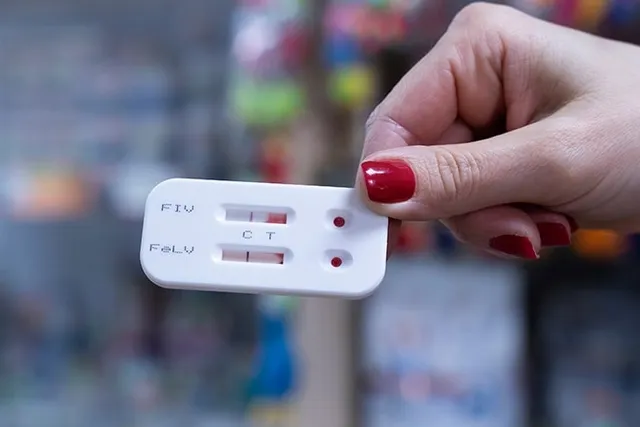
There is currently no cure for FIV in cats. When you get a new cat, your veterinarian should test your new addition for FIV. The most common way to check for this viral infection is to test for feline leukemia. The test is commonly called the feline leukemia and FIV SNAP test. It is run on a small sample of blood mixed with a conjugate, using an ELISA or Enzyme-Linked Immunosorbent Assay test. If your cat is negative, your veterinarian should recheck it 2 to 6 months later, as that is the virus's incubation period. Positive tests should be confirmed by either sending a sample to an animal laboratory, such as IDEXX or Antech, or by repeating the sample on a different manufacturer's test. Routine physical exams and preventative care visits are essential for all cats, but they're especially important for cats with FIV. If your kitty is asymptomatic, visits every six months will likely be sufficient. Your cat should be seen immediately if it has any signs of illness. Because many cats with FIV have gingivitis or stomatitis lesions in their mouths, your veterinarian will want to pay particularly close attention to your cat's mouth. Stomatitis is a severe inflammatory condition often considered an overreaction of the cat's immune system. If your cat is healthy enough, they should usually have annual or semi-annual dental cleanings under anesthesia. Your veterinarian will record and monitor your cat's weight, among other parameters. Weight loss is often one of the first signs detected in cats with worsening cases of FIV. Since there is no cure for FIV, treatments are often aimed at supportive care. Antiviral therapy is sometimes utilized, especially for symptomatic cats, such as Zidovudine (AZT). Unfortunately, this medication does not appear to improve survival times in cats. A mainstay of managing an FIV-positive cat is reducing their risk of exposure to potential illnesses. General recommendations include:
- Keeping affected cats indoors.
- Spaying or neutering cats to reduce the risk of roaming.
- Limit bringing new cats into the household.
- Don't feed raw diets, undercooked foods, or unpasteurized dairy.
- To reduce the risk of exposure to parasites, keep your kitty on flea and tick preventative products, even when it is kept indoors.


Frequently Asked Questions (FAQ)
What Should You Feed a Fiv-Positive Cat?
FIV-positive cats should eat balanced cat food appropriate for their life stage or consider other health issues, such as food allergies. These cats should not eat raw, unpasteurized, or undercooked foods, which could increase their risk of exposure to pathogenic bacteria, parasites, and other microorganisms.
Can a Cat With FIV Live with Other Pets?
FIV is not contagious to other species, so as long as your animals get along, they should be fine together. If you have other cats, they can live with other kitties, but you should ensure they don't fight and have ample space to minimize the possibility of conflict.
Conclusion
It can be pretty scary to learn your cat has an incurable virus, but many cats live full lives. You should reduce their risk of exposure to other illnesses and conflict with other cats. Routine wellness care is also essential to monitor your cat's health.
Sources
Featured Image Credit: RJ22, Shutterstock
Expert cat care, straight to your inbox
News, insights, and useful advice, delivered to you.

No spam — unsubscribe anytime.
By signing up, you agree to our Terms & Conditions and Privacy & Cookies Policy.
How useful was this post?
Click a star to rate. You can leave written feedback afterwards. (We read all feedback.)
Dr. Samantha Devine DVM (Veterinarian)
Samantha Devine is a practicing veterinarian who loves to share her experience with animal species and their health. Whether it's a guinea pig question or a pressing matter about something your cat ingested, she strives to provide clear answers. She is passionate about preventative care and firmly believes in the old adage, "An ounce of prevention is worth a pound of cure."
Dr. Devine has been practicing veterinary medicine for over 12 years and has spent a great deal of that time writing online to educate pet owners. In addition to general practice small animal medicine, she has worked with horses. zoo animals and aquatic species. She enjoys all aspects of preventative medicine, from nutrition to vaccines.
Dr. Devine received her degree from the Virginia Maryland Regional College of Veterinary Medicine.