How to Help Animal Shelters: 10 Ways to Consider
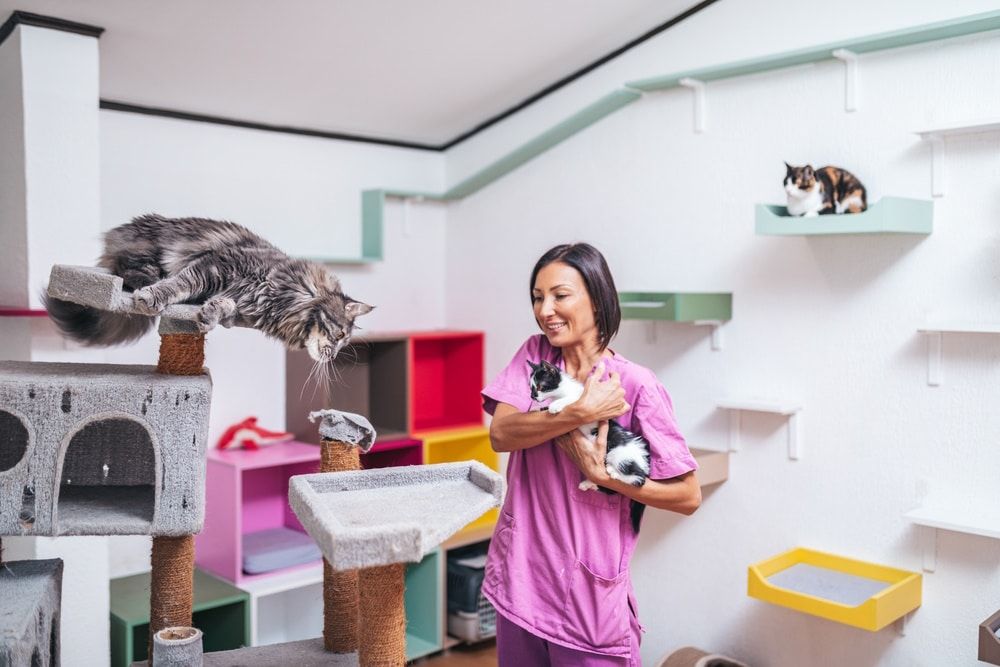
Animal shelters play a vital role in providing care, compassion, and a second chance to countless furry friends. Cats, dogs, rabbits, ferrets, guinea pigs: they have all found sanctuary in animal shelters. Whether you're an animal lover looking to make a positive impact on your community or considering adopting a new pet companion, there are various ways to support your local shelters.
In this article, we'll look at 10 meaningful ways to contribute to the well-being of shelter animals and the longevity of the organizations that care for them.

The 10 Ways You Can Help Animal Shelters
1. Adopt, Don't Shop
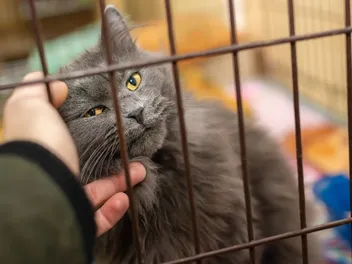
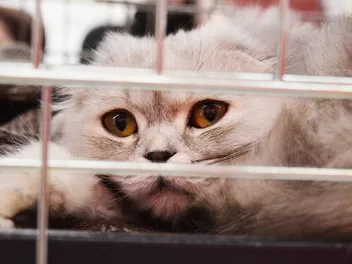
The most direct way to support animal shelters is by adopting a pet, particularly cats and dogs, which are the most represented animals at shelters. Choose adoption over purchasing from breeders or pet stores. By giving a home to a shelter animal, you not only save a life but also make room for another animal in need.

2. Volunteer Your Time
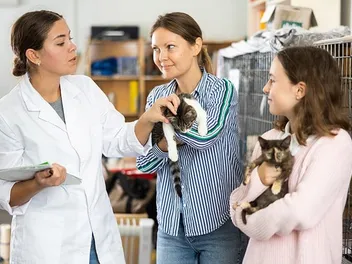
Offer your time and skills by volunteering at your local animal shelter. Whether it's walking dogs, playing with cats, cleaning kennels, assisting with administrative tasks, or organizing adoption events, a contribution of your time can make a significant difference in the lives of shelter animals.
3. Foster a Pet
Fostering is a valuable service for animal shelters, providing safe and loving temporary homes for animals awaiting adoption. Fostering helps socialize pets, assess their behavior, and free up space in the shelter for other animals in need. It's a rewarding and important way to make a direct impact on an individual animal's life.

4. Donate Supplies
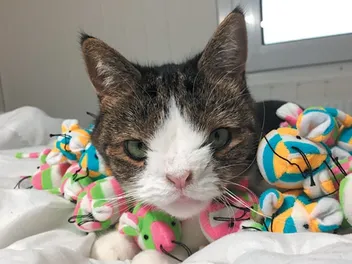
Shelters often have limited resources, and donations of essential supplies are always appreciated. Items such as blankets, pet food, toys, grooming supplies, and cleaning supplies contribute to the well-being and happiness of shelter animals and make the job of shelter staff easier. Check with your local shelter for their specific needs; they may need different items at different times of the year.
5. Organize Fundraisers
Help raise funds for your local animal shelter by organizing events or fundraisers. This could include charity walks, bake sales, car washes, online campaigns, or partnering with local businesses for donation drives. The funds raised can go towards veterinary care, facility improvements, staff salaries, and educational programs.

6. Advocate for Spaying and Neutering
Support the prevention of pet overpopulation by advocating for spaying and neutering. Encourage responsible pet ownership in your community and educate others about the importance of these procedures to reduce the number of animals entering shelters. We all love puppies and kittens, but too often they grow up only to end up in a shelter without a forever family.
7. Promote Adoption Events
Spread the word about adoption events hosted by your local shelter. Share information on social media, community boards at libraries and grocery stores, and through word of mouth. Increased visibility can lead to more adoptions and help find loving homes for shelter animals.

8. Educate the Community
Be an advocate for responsible pet ownership and animal welfare. Educate your community on topics such as proper pet care, the benefits of adopting from shelters, spaying and neutering, and the importance of microchipping. Well-informed communities are more likely to support local shelters and are a source of volunteers like you.
9. Offer Professional Services
If you have professional skills that could benefit the shelter, consider offering your services pro bono (for free). This could include photography for pet profiles, computer repair, construction, graphic design for promotional materials, accounting and money management advice, or legal advice for shelter-related matters. Almost every professional skill could be useful to animal shelter staff members somehow.

10. Become a Shelter Ambassador
Be a voice for your local animal shelter by becoming an ambassador in your community. Share success stories, volunteer experiences, and information about upcoming events. Being a vocal supporter can inspire others to get involved and contribute to the welfare of shelter animals.
Conclusion
Supporting animal shelters goes beyond adoption, and there are numerous ways to make a positive impact. Whether through volunteering, fostering, fundraising, or advocating for responsible pet ownership, your efforts can contribute to the well-being of shelter animals and help create a more compassionate community.
Featured Image Credit: hedgehog94, Shutterstock
Expert cat care, straight to your inbox
News, insights, and useful advice, delivered to you.

No spam — unsubscribe anytime.
By signing up, you agree to our Terms & Conditions and Privacy & Cookies Policy.
How useful was this post?
Click a star to rate. You can leave written feedback afterwards. (We read all feedback.)

Nicole is a lover of all animals, especially of the feline variety. She's mom to four, three fur babies and a human baby. She and her husband, John, live on a large forest property down in New Zealand.
Their beautiful Burmese cat Baby (who is now 17 years old) was their first child, though he is now called Baby Cat since their human baby joined the party in 2022. The dogs Rosa and Mac also love cats, but the whole family agrees that King Baby Cat is enough cat for this household.
Nicole is the Director of Content Management at Catster and Pangolia. With a Bachelor's degree in Education and years of online experience, she shares her pet knowledge and the knowledge of other professionals with the world, aiming to improve pets and pet parents' lives.