Kika USA Cat Food Review 2026: Our Expert’s Opinion

Our Final Verdict
A healthy cat is a beautiful cat. Okay, that might be a bit of a stretch, but your cat’s skin and coat are indeed a window into their overall health.
Skin is the body’s largest organ, and signs of poor health and nutritional deficits often show up here before larger problems develop. So when a food supports a lustrous coat and healthy skin, it’s usually good for your cat’s overall health as well.
That’s the approach Kika USA has taken with their cat food. Their wet and dry food formulas are uniquely designed to meet the demands of the largest organ, using high-protein, high-omega formulas that support not only skin and coat health, but also the immune and digestive systems. Because, in the end, it’s all connected to your kitties' overall health.
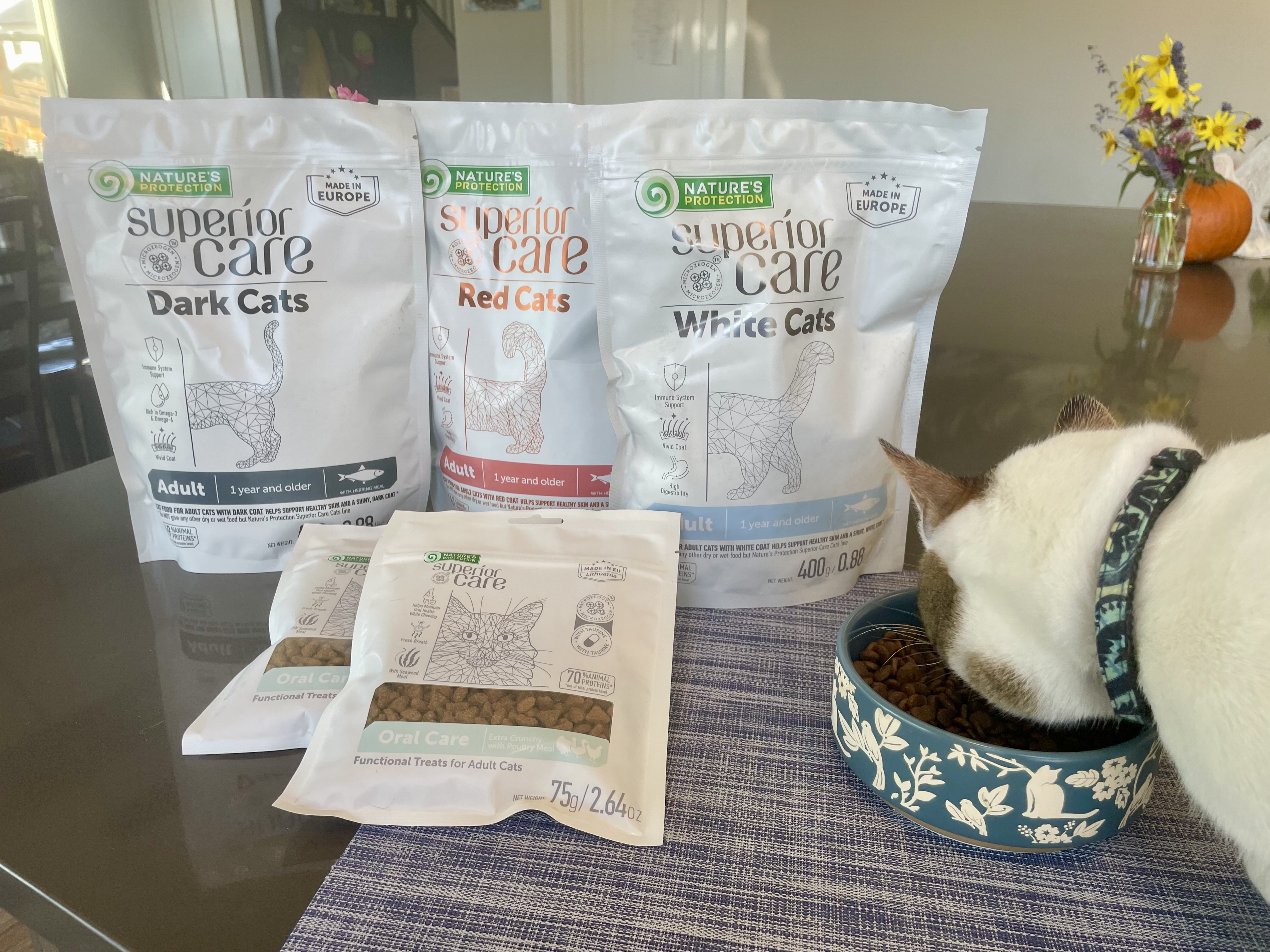
I had a chance to try Kika USA’s dry food options, including their White Cats formula—with the help of my white cat, Makoa—and their wet food toppers. Keep reading to find out if these unique coat-specific diets are the key to your cat's health and beauty.

Why So Many Cats Struggle with Coat Health and Why It’s So Important
Did you know that your cat’s skin accounts for about a quarter of their body weight? With that in mind, it should be no surprise that your cat’s skin uses an incredible amount of the nutrients they consume, especially protein. In fact, fur is composed of approximately 95% protein, and hair growth and skin renewal can account for roughly 25 to 30% of daily protein requirements.1 Dietary fats are equally important, as essential fatty acids help maintain the skin’s protective barrier and support a soft, supple coat.
Because of this, if your cat isn’t getting enough protein, omega fatty acids, and other essential nutrients in their diet, it is often the skin that shows the first signs. A dull, brittle coat, excessive shedding, flaky skin, or hair loss may signal nutritional deficiencies.
The larger problem? Many cat foods on the market don’t provide enough protein to meet the needs of the skin and coat, as well as the rest of their body. And even fewer foods provide enough quality fatty acids.

How Kika USA Is Different
Kika USA grew from a family business started in Lithuania in 1991 by a passionate group of cat and dog show groomers and breeders. They knew how important nutrition is in building a strong, healthy, lustrous coat, and they brought that knowledge to their line of specialty cat and dog foods that would eventually make their way to the US.
These diets prioritize high amounts of quality animal protein, omega fatty acids, and other unique nutrients proven to support skin and coat health. Uniquely, Kika USA offers specific dry food formulas for different coat colors. Their White Cats, Dark Cats, and Red Cats formulas are made with the same base ingredients, but with special attention to specific amino acids and superfoods, including L-tyrosine, L-cysteine, L-tryptophan, dried carrots, and flaxseed.
Together, these ingredients support overall coat health while specific recipe tweaks help maintain coat pigment and reduce staining.
Which Cats Is Kika USA Best Suited For?
Kika USA is best suited for adult cats over one year old who might benefit from extra support for healthy skin and coat.
The dry food comes in recipes for red, dark, and white coats, making this brand especially useful for cats struggling with pigmentation issues, dullness, and staining.
The wet food range is primarily designed as a supplemental topper for adult cats, adding variety and moisture to regular meals, rather than a complete diet. There is also a kitten formula topper for immune support in younger cats.


Kika USA Cat Food Product Specs (the boring bits)
Dry Food Ingredients
Kika USA’s dry cat food formulas feature herring meal as their primary ingredient, providing a concentrated source of animal protein to support muscle maintenance, healthy skin, and coat condition. Poultry fat and salmon oil supply dietary fats, including omega fatty acids that help maintain a soft, glossy coat. Dried eggs offer additional animal-based protein, while ingredients such as flaxseed contribute beneficial fatty acids.
The recipes also include taurine, an essential nutrient for feline heart and eye health, alongside vitamins, minerals, and biotin to support overall wellness.
The majority of the ingredients in Kika’s recipes are great, but there are some less desirable additions. Pea and potato protein boost the formulas’ overall protein content but provide less species-appropriate nutrition than animal sources. Potatoes and peas in whole form also feature prominently, meaning plant-based ingredients play a substantial role.
Dry Food Formulas
Although Kika USA offers separate dry food formulas for red, dark, and white-coated cats, their ingredient lists are remarkably similar. All three feature herring meal as the primary protein, alongside poultry fat, salmon oil, plant-based proteins, and essential vitamins and minerals.
The main differences lie in a few additions and minor variations in guaranteed nutrient levels. The red formula uniquely includes dried carrots, while both the red and dark formulas contain supplemental L-tyrosine, L-cysteine, and L-tryptophan—amino acids involved in various physiological processes, including pigmentation. Studies have shown that insufficient dietary L-tyrosine can cause black cats' fur to turn reddish-brown, while higher dietary concentrations can help maintain black pigmentation.2
The dark and white formulas guarantee slightly more crude protein than the red formula, while the white formula has marginally less crude fat.
Wet Food Toppers
Kika USA’s wet food offers adult cats two seafood-based options: tuna and tuna with shrimp. Both feature tuna as the primary ingredient, providing animal-based protein, while the shrimp formula adds another seafood source with unique micronutrients. The recipes also include tuna extract, a small amount of rice, and added ingredients such as taurine and vitamins, depending on the formula.
Their high moisture content can help supplement a cat’s daily water intake, while the soft texture and seafood flavors may appeal to picky eaters. Marketed as supplemental toppers, these products are designed to add variety to an existing diet rather than replace a complete and balanced food.
For kittens, Kika USA also offers a tuna-and-sea-bass kitten formula with added vitamin E, vitamin C, and zinc to support a growing cat’s nutritional needs.
Supplements
Kika USA also offers a few supplements that are worth mentioning. These products focus on targeted mineral support for different life stages.
There are three formulas, including a puppy and kitten supplement for bone strength, joint health, and detox, an adult performance formula focused on bone strength and muscle recovery, and a senior formula targeting bone health, neuromuscular balance, and healthy aging.
Where to Find Kika USA
Kika USA products are available directly through the official Kika USA website, which offers its full range of cat food formulas, wet-food toppers, supplements, and treats. You can also shop online through Petco, Chewy, Amazon, and Walmart.
For in-person shopping, Kika USA is stocked at select Petco stores and grooming salons, though availability varies by location.


Our Experience with Kika USA Cat Food
This isn’t my first encounter with Kika USA. I recently had the opportunity to try their Superior Care White Dogs Grain-Free Small Breed Dog Food, and while my Dalmatian mix was a little larger and "spottier" than their intended clientele, she still enjoyed it. And it is now my friend’s go-to food for her Maltese. So I was very excited to get the opportunity to try the brand’s cat food recipes.
I received bags of the White Cats, Dark Cats, and Red Cats dry food formulas, each of the wet food topper recipes, and their MZG System supplement.
I started my product testing with a deep dive into their recipes’ ingredients. Mostly, I wanted to know if there really was a difference between the three coat color options. As I mentioned in the product breakdown above, there actually are some slight differences.
The Dark and Red formulas have added amino acids proven to affect pigmentation, while the white formula lacks these. The Red formula also contains carrots, though I didn’t find any research supporting carrots or beta-carotene influencing pigmentation in cats.
All three formulas contain ingredients to support overall coat health, and compared to the average cat food, they all have high amounts of protein and omega fatty acids. While I am not a huge fan of the inclusion of pea protein, potatoes, or peas, I was happy to see herring meal listed as the first ingredient, as this provides a natural source of those omega fatty acids and plenty of species-appropriate protein.
The wet food options are also made from a fish base, in this case tuna, with some key added ingredients.Taurine ensures cats get enough of this essential amino acid, while added sodium aluminosilicate helps detoxify the gut.
Once I was satisfied that the ingredients were up to snuff, it was time to let Makoa conduct his product tests.
I’m not sure what specifically it is about this dry food, but Makoa really does seem to love it! True, he is a glutton and has never met a food he didn’t like, but he seems especially excited about this dry food, even without the toppers, and attacked all three dry formulas with enthusiasm.
Currently, I am feeding only the White Cats variety, in the hope that it will help improve his tear stains – so far, so good!
Not surprisingly, Makoa is also a big fan of the wet food toppers. I mix a little in with his dinner each night, and he just gobbles it all up. I love that they add moisture and some fun new flavors to his meals, as well as extra protein.
I have also been using the MZG System supplement that came with my review package. This mineral-based supplement is marketed as supporting healthy bones, joints, and teeth, as well as aiding in detoxification.
Makoa happily eats the supplement mixed into his food, and I am hopeful that it will also help to keep his tears clear through those detoxing effects.
Overall, I am a fan of this food. While the differences in formulas might be slight, the ingredients alone are worth the buy. The focus on skin- and coat-supporting ingredients makes them a great option for cats struggling with dull fur, dandruff, and other common coat problems.


Frequently Asked Questions (FAQ)
Can Kika USA wet food be fed as a complete meal?
Kika USA's wet foods are marketed as toppers, meaning they don’t contain everything needed to be a complete meal. They make a great addition to the company’s dry food or your dry food of choice.
What is the main protein source in Kika USA dry cat food?
Herring meal is the primary ingredient in Kika USA's dry formulas, providing concentrated animal protein. Poultry fat, salmon oil, and eggs contribute additional nutrients.
Does Kika USA cat food improve coat color?
Kika USA offers dry formulas tailored to red, dark, and white coats. Their ingredients include nutrients involved in coat health and pigmentation. Each contains protein and omega fatty acids to support healthy skin and lustrous fur, but specific color-enhancing benefits aren't conclusively established.


Conclusion
If your cat’s coat is a bit lackluster, the problem may be more than skin deep. The right nutrition is key to providing the protein, omegas, and nutrients your cat needs not just for a healthy coat, but overall health.
Kika USA dry food, wet food toppers, and supplements put skin and coat health first, knowing everything else will follow. Their coat-color-specific formulas offer key amino acids for pigmentation and detoxing, while their base ingredients offer the protein and fats your cat craves and needs to thrive.

Expert cat care, straight to your inbox
Vet-reviewed advice, behavior tips, and the best of Catster. Free, and you can unsubscribe anytime.
By signing up, you agree to our Terms & Conditions and Privacy & Cookies Policy.
Sara Seitz is a professional freelance writer with decades of experience specializing in the pet industry. With a Bachelor of Science in Biology from CSU in Fort Collins, Colorado, with an emphasis on animal behavior, she is also a certified dog trainer. After college, Sara spent 5 years as the general manager of a successful dog daycare and pet boarding facility. She is passionate about pet nutrition and finding products that help owners give their furry and feathered family members the best care possible. The Seitz family includes Ragz the Dalmatian mix, Papyrus the Chihuahua, Mickey the Red-Bellied parrot, and a revolving door of foster pets.
Join the conversation
Ask a question, share your story, or send private feedback.