What Do Cats Need in Their Diet? 6 Vet Verified Essential Nutrients

In this article
Cat owners want their beloved felines to live a long, happy life, and that long and happy life starts with nutrition. Cats are obligate carnivores, meaning they require nutrients found in animal meat to thrive. A critical aspect of being a responsible cat owner is ensuring your cat receives all necessary nutrients through the cat food you feed, and knowing what to avoid is also crucial for your cat’s overall well-being.
Let’s dive into the six essential nutrients your cat needs to be healthy to ensure you are providing all necessary components for optimum health.

The 6 Essential Nutrients Your Cat Needs in Their Diet
1. Animal Protein
Protein is an important source of energy for cats, and felines require more protein compared to other animals. Dietary protein enables a cat to develop and maintain healthy skin, fur, muscle, tendons, ligaments, cartilage, nails, hormones, enzymes, antibodies, and more.
Cats need animal protein rather than plant protein due to the amino acids that animal protein provides. A cat’s digestive tract breaks protein down into amino acids, or building blocks, and there are 11 essential amino acids cats need in their cat food derived from meat and other animal tissues:
How Much Protein Does My Cat Need?
According to The Association of American Feed Control Officials (AAFCO), the mandated amount of crude protein in adult cat food should be a minimum of 26% for dry kibble—the minimum for growth and reproduction is 30%.1
Cat Calorie Calculator
Recommended Daily Calories

Our recommended product
Smalls Fresh Bird Human-Grade Cat Food
The exact amount of calories an individual animal needs to maintain a healthy weight is variable and influenced by many factors including genetics, age, breed, and activity level. This tool is meant to be used only as a guideline for healthy individuals and does not substitute veterinary advice
2. Fats
Fats are energy-rich nutrients for cats, store the fat soluble vitamins and make up part of nerve cells. Essential omega-3 and omega-6 fatty acids are also an important part of your cat’s diet and are essential for skin and coat health, healing wounds, and helping reduce inflammation.
Cats receive these essential fats through animal fat found in cat foods. Additional fatty sources may be added to cat food, for example, in the form of fish oil, beef fat, or olive oil.
How Much Fat Does My Cat Need?
According to AAFCO, your cat requires a minimum of 9% fat for dry kibble. Higher levels of fat may be more appropriate for active and healthy cats. Fat content is typically fed at the minimum requirements for cats who need to lose weight.2
3. Carbohydrates
For many animals, carbohydrates are essential energy sources; however, not so much for cats because they have adapted to getting most of their energy from protein and fat. Carbs should not be significant in cat food. A small amount is acceptable (although not really necessary), as cats are capable of digesting a small amount to be used for energy.
A diet high in carbs should be avoided, as too many carbs are unnatural for cats and can sometimes lead to weight gain, which increases the risk of diabetes.
How Many Carbs Does My Cat Need?
In an ideal world, cats should receive only a minimal portion of their calories from carbohydrates. Dry kibble has more carbs in order to maintain the kibble matter’s form; however, wet cat food contains fewer carbs and is ideal for feeding a cat in need of fewer carbs in their diet.
That said, a high carbohydrate won’t hurt your cat, as long as their weight is maintained. Note that some controversy surrounds the topic of just how much carbohydrates should be in cat food. Some cats do just fine with eating dry kibble their entire lives, which has much more carb content than wet food. Other cats seem to do better with a low carb content. The answer ultimately is up to your individual cat, but a general consensus is to watch your cat’s weight and feed some wet food alongside the dry.

4. Water
All mammals need water for survival, and your cat is no exception. Water is essential for almost every metabolic function, and a cat's body is mostly made up of water. Being originally a desert dwelling animal, some cats do not drink a lot of water. They can get their water from food or drinking from a bowl or fountain. Cats love running water, so try a fountain water bowl if you think your cat isn’t drinking enough.
How Much Water Does My Cat Need?
A normal, healthy adult cat should drink around 4 ounces of water per 5 pounds of body weight daily, which includes what they receive from their food and water bowl. Of course, this amount depends on your cat’s individual health and needs. Drinking more or less water than usual can be a sign of underlying illnesses, so seek vet advice if you notice any changes in drinking habits (or your pet seems unwell for any reason).
5. Vitamins
Vitamins contain carbon and are responsible for normal feline body functions. Cats cannot adequately produce particular vitamins that are critical to their health, such as niacin, vitamin A, and vitamin D. They must obtain them from animal tissues, which is another reason animal protein is essential for cats.
Vitamins are naturally found in the ingredients in cat food. In addition to animal tissue, vitamins are found in veggies, fruits, vegetable oils, grains, and seeds.
Cat food should include these essential vitamins:
Do Cats Require Vitamin Supplements?
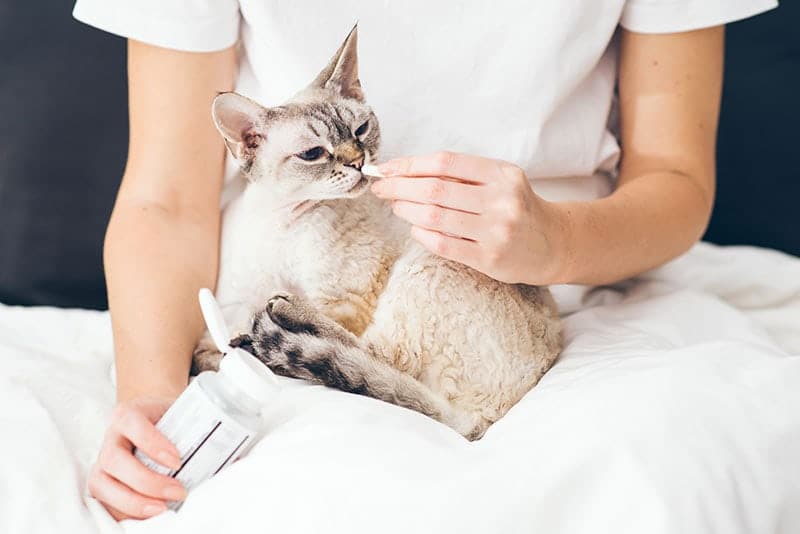
A healthy cat eating a complete and balanced diet does not require vitamin supplements. A veterinarian will determine if vitamin supplements are needed, as adding vitamin supplements on your own may be dangerous for your cat.

Image Credit: New Africa, Shutterstock
6. Minerals
Minerals are essential for all-around normal body function. These inorganic compounds (meaning they do not contain carbon) can come from both animal and plant food sources. However, in order for cat food to be 100% complete and balanced, manufacturers often need to add mineral supplements to the formula.
As long as the cat food you’re feeding is deemed 100% complete and balanced by AAFCO’s nutritional guidelines, no mineral supplements are needed.
Particular minerals are required in cat food:
How to Choose the Best Cat Food
It’s vital only to buy cat food labeled by AAFCO as 100% complete and balanced. If a premium cat food is within your budget these will generally contain better ingredients and natural preservatives.
Protein is vital in a cat’s diet, and quality protein should be listed first, meaning the food consists mostly of that ingredient. Pet food labels list the ingredients in accordance with the order of weight, starting with the heaviest amount and then descending from there.

- NO MESS - The 360° tray on this cat food and water bowl set has a raised design to catch and contain stray crumbs and drips. Protect your indoors and floors from wet and messy meals!
- WHISKER FRIENDLY - Shallow and wide metal containers with flat bottoms ensure your kitty can enjoy mealtime free from whisker fatigue!
- CHEW-SAFE MATERIALS - Kittens and cats love chewing on silicone and soft rubber - but it's a choking hazard. Our cat feeding station materials are anti-chew for a 100% safe feeding frenzy!
Feeding your cat a high-quality diet is important for keeping them healthy and happy. But it goes beyond the food you choose; the dishes they use also matter. The Hepper NomNom Cat Bowl is our favorite for its unique, five-star design that protects from whisker fatigue and promotes good posture which also aids in better digestion. As an added bonus, it’s beautifully crafted and offers a modern take on the traditional cat bowl that fits seamlessly with all home stylings. Learn more about the NomNom by clicking here.
At Catster, we’ve admired Hepper for many years and decided to take a controlling ownership interest so that we could benefit from the outstanding designs of this cool cat company!
Frequently Asked Questions (FAQ)
What Cat Foods Have All the Necessary Nutrients?
The best way to ensure your kitty is receiving all necessary nutrients is to feed them cat food that is complete and balanced per AAFCO's nutritional standards, which will be stated on the label. This means that the food contains all the necessary nutrients and in the correct ratios to ensure all dietary needs are being met, there is no need to add supplements unless your veterinarian recommends it.
If you're wondering about what's safe for your cat to eat, are interested in supplements or have general questions about your feline's nutrition and diet, you should speak to a vet directly.
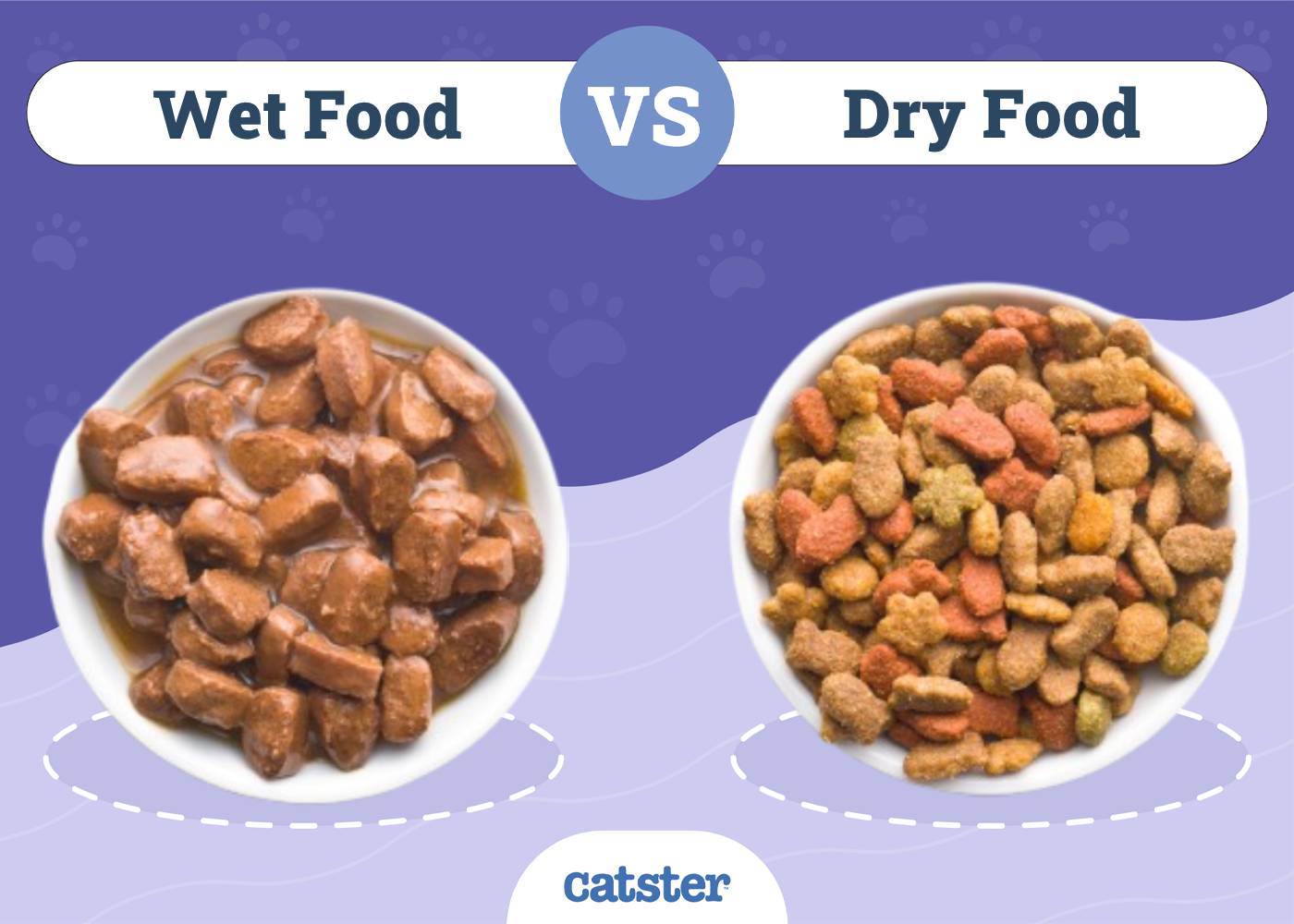
Which Is Better for Providing Essential Nutrients: Dry or Wet Cat Food?
Some cat owners scratch their heads, wondering if they should feed dry kibble or wet canned cat food. One important aspect to know is the difference in water content between the two. Wet food contains roughly 70% to 75% water, whereas dry kibble contains only 10%. You also have the choice of semi-moist cat food containing roughly 35% water.
Another aspect to consider is the carbohydrate content. Dry kibble contains more carbs than wet food. As we’ve established, cats do not require many carbs and are mostly dependent on protein fats, like their ancestors in the wild.
The fact is that most cat food provides all necessary nutrients, whether canned or dry; however, your cat’s weight, overall health, and budget all play a factor in what’s right for your cat. Wet food is generally more expensive, and if you feed your cat free-range, you cannot leave wet food out for long before it spoils.
The best course of action is to consult a veterinarian on what to feed your particular cat, as your vet will take into consideration your cat’s weight, activity levels, age, and overall health of your cat.
Conclusion
As you can see, cats require specific nutrients in their daily diets to be healthy and live their best lives. Most cat food on the market today, whether dry or wet, contains all the necessary nutrients, but it’s crucial to look for foods with a complete and balanced statement on their label to ensure this information. If you’re ever in doubt about what to feed your cat, it’s best to enlist the advice of your veterinarian about what to feed.
See Also:
My Cat Won't Eat – Causes, What to Feed Them & When to Worry
8 Vet-Approved Food Sources of Magnesium for Cats
Sources
https://www.petmd.com/cat/nutrition/cat-nutrition-what-makes-nutritional-cat-food
https://www.petmd.com/cat/nutrition/do-cats-need-high-protein-cat-food
https://vetnutrition.tufts.edu/2018/12/cats-are-not-small-dogs-unique-nutritional-needs-of-cats/
https://www.petmd.com/cat/nutrition/wet-cat-food-vs-dry-cat-food-which-better
Featured Image Credit: Elizabett, Shutterstock

Expert cat care, straight to your inbox
Vet-reviewed advice, behavior tips, and the best of Catster. Free, and you can unsubscribe anytime.
By signing up, you agree to our Terms & Conditions and Privacy & Cookies Policy.
Rachel Giordano is a Pensacola, Florida-based musician and writer. She lives with her partner and their two dogs, Sophie, a Boston Terrier, and Aero, a Border Collie/Sheltie mix. Rachel holds a Bachelor of Arts degree in communication and loves writing about all types of cat breeds. When she’s not writing about cats, she loves to write suspense/thriller novels. A musician by night and writer by day, she enjoys sharing her knowledge of the needs and requirements of our furry friends.
Join the conversation
Ask a question, share your story, or send private feedback.