Can Cats Eat Slugs? Vet-Reviewed Risks & Precautions


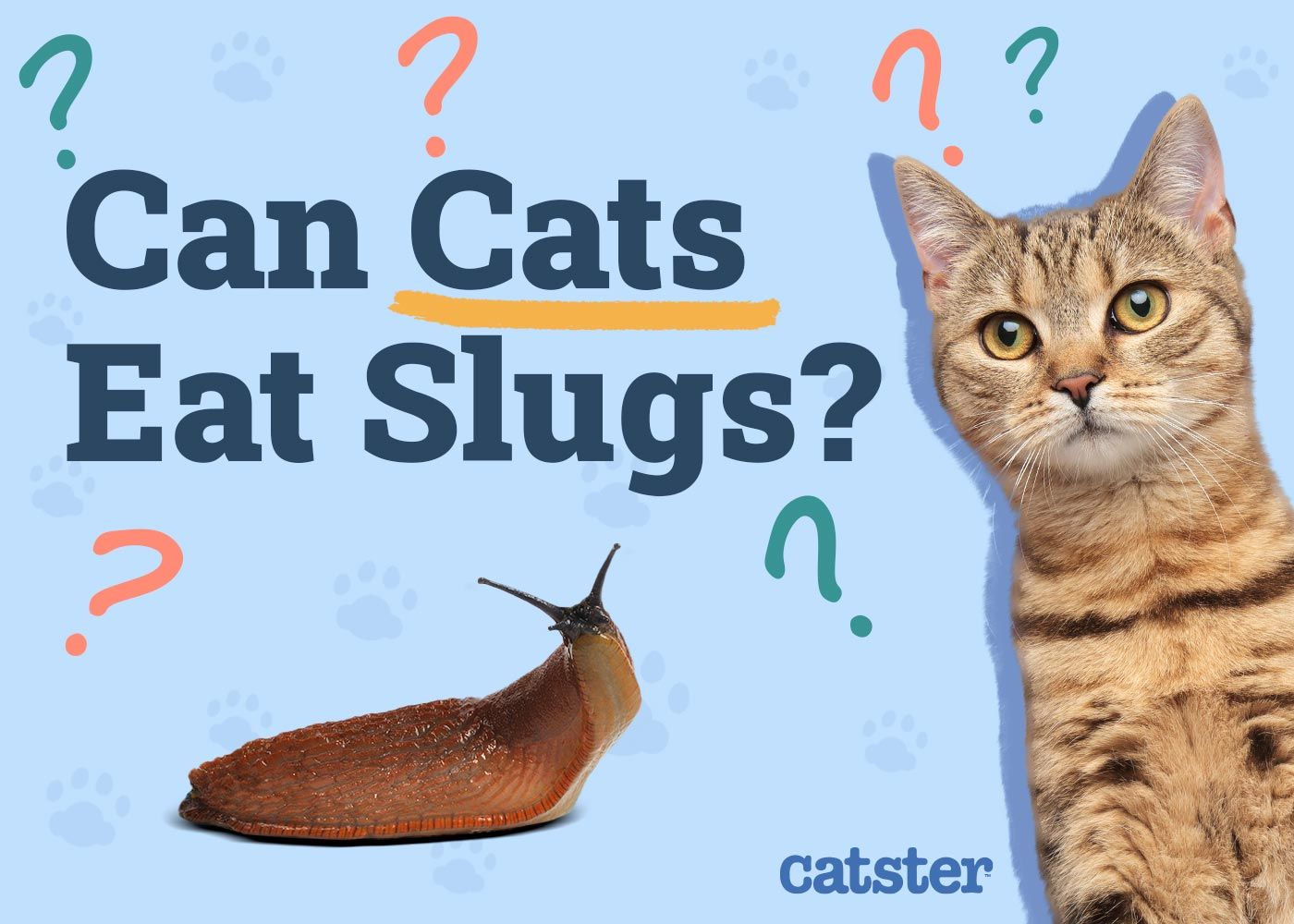
Cool, damp weather is the best time for slugs to come out of hiding. Because cats are hunters, they decide to take matters into their own hands when they notice a sluggish blob on one of your outdoor plants.
Usually, this involves playing with the slug or chomping down on one for a mid-morning snack.
Slugs are a notorious enemy of home gardeners since they like to eat precious plants. Sometimes, they can even be a nuisance for cat owners. They can’t kill cats outwardly. However, slugs can harm your cat in other ways. Let’s look at why this is and how to keep your cat away from these mysterious mollusks.

What Happens If My Cat Eats a Slug?
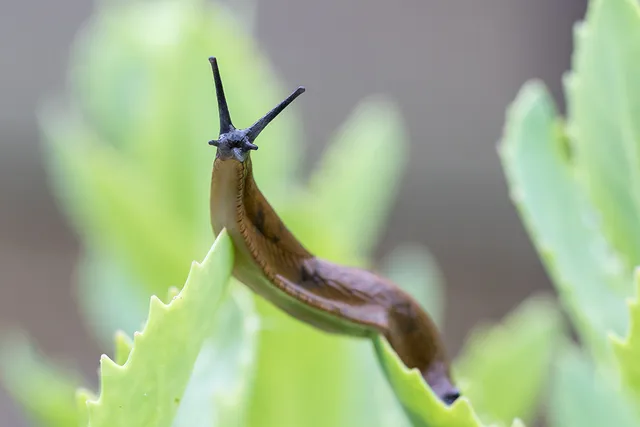
Before we begin, are you sure it was a slug your cat ate? There is a difference between a slug and a snail. Snails have shells, and slugs do not. In any case, be sure you know which one your cat ate.
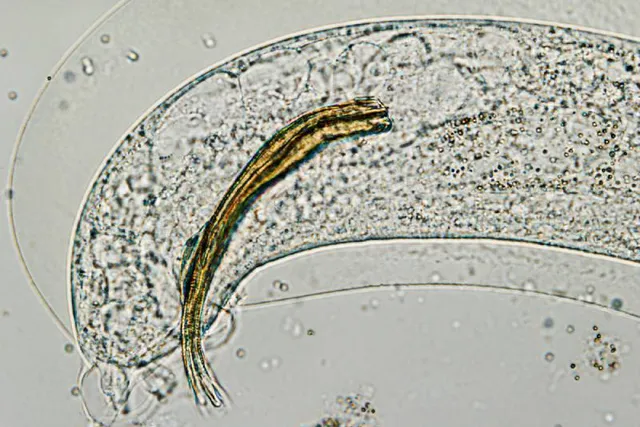
Slugs are not poisonous to cats. Some exotic slug species can be toxic, but you won’t find any of those in your backyard garden. However, slugs can carry the parasite responsible for lungworms. If your cat eats a slug, there’s a chance they can contract the parasite.
Lungworm is a parasitic disease that can cause severe respiratory problems like coughing and shortness of breath. It can also cause emphysema, fluid build-up in the lungs, pneumonia, and weight loss in more severe cases.
There are several lungworm parasites, but the two most common in cats are Capillaria aerophila and Aelurostrongylus abstrusus. Cats that roam outdoors are at a higher risk of contracting this disease.
If your cat eats a slug, do not panic! Call your veterinarian and ask if lungworm is an issue in your area. Your veterinarian will inform you if you need to bring your kitty in for an examination and treatment.
How Do I Know If My Cat has Lungworm?
It’s possible your cat won’t have visible symptoms, so it’s hard to tell initially that your cat has lungworm. If you’re concerned that your cat has this parasite, monitor for these symptoms:
- Persistent coughing
- Increased breathing rates
- Labored breathing
- Nasal discharge
If your cat has difficulty breathing, you should seek veterinary help immediately.
Treatment is possible through prescribed medications. Your veterinarian will want to perform chest x-rays, a fecal examination for eggs, and blood work, and will want to listen to your cat’s lungs.
The chance of your cat dying from a lungworm infection is small since the infection doesn’t last long. Sometimes, cats cough up the worms or excrete them out through their feces. The parasite is more common in kittens than adult cats since kittens have smaller respiratory tracts and immature immune systems.
Cats, Slug Pellets, and Pesticides
Home gardeners often put out slug pellets to kill or deter slugs in their garden. These pellets contain iron(III) phosphate, methiocarb, and metaldehyde. They’re designed to dehydrate snails by preventing the production of slime. These ingredients are all toxic to pets and even humans.
Some curious cats may want to eat slug pellets which are of more concern than eating a slimy slug.
The main ingredient that is of high toxicity to cats is metaldehyde. Signs of metaldehyde poisoning are considered “shake and bake” because of the tremors, seizures, and elevated body temperatures that occur when a pet consumes this dangerous chemical.
Unfortunately, there’s no way to tell if a slug ingested a slug pellet. These poisons take a few days to kick in after a slug has consumed them. During that time, a cat can eat the slug.
Another danger that slugs present to cats is pesticides. Slugs eat plants that could be treated with weed killers and pesticides. When cats eat a slug that’s consumed treated plant matter, your cat absorbs these chemicals.
Is Slug Slime Toxic to Cats?
Did your cat decide to taste the slug by giving it a lick? Yuck! Slug slime poses the same harm that eating a slug does. If the slug is infected, the slime can infect your cat.
Sometimes the slime likes to stick to the cat's paws and fur. Cleaning the slime off your cat is tough. You need to let it dry first, then wash it as best you can with a non-toxic baby wipe or washcloth. The rest can be brushed out.

Preventing Your Cat from Eating Slugs
It’s hard to keep a cat from attacking creatures that encourage the hunting instinct. The best way to prevent your cat from eating slugs is to keep your cat indoors. Cats like to get themselves into some slimy situations. It’s challenging to keep tabs on your cat when it’s creeping around the great outdoors.
If you’re a home gardener, avoid using pesticides and other poisons if slugs are prevalent in your area. Instead, opt for more natural slug repellents that are better for the environment, like copper wiring, lava rock, and seaweed.
There are tons of natural options for slug repellents, so try something else if one doesn’t work for you.
A delicious, meaty treat could reduce your cat’s desire to hunt something. Try adding some variety to your cat’s diet with moisture-rich foods to discourage slug eating.
Include more mental stimulation through rigorous amounts of playtime and exercise. Try to mimic “the hunt” as much as possible. This will not only redirect the behavior, but you’ll build a better relationship with your kitty!
If you want to let your cat outside, consider leash-training them so you can take it on walks!
Final Thoughts
Bugs, spiders, and mollusks are always a long shot since some are healthy for your cat, and some are dangerous. Your cat wants to hunt these creepy crawlies since cats are curious creatures. It’s hard to keep them from their natural instincts. Redirecting the behavior as much as possible and using natural repellents in your garden are your best bet to keeping your cat safe from slugs.
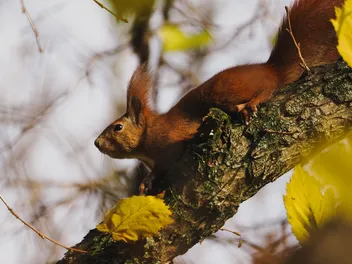
Featured Image Credit: GoranH, Pixabay
Expert cat care, straight to your inbox
News, insights, and useful advice, delivered to you.

No spam — unsubscribe anytime.
By signing up, you agree to our Terms & Conditions and Privacy & Cookies Policy.
How useful was this post?
Click a star to rate. You can leave written feedback afterwards. (We read all feedback.)
Christian started writing for a local newspaper as a teenager, and he's been involved in the publishing industry for most of his adult life. Combining his love of writing with a passion for animals, he is currently the Director of Editorial at Pangolia and the Editor-in-Chief at Catster.
Christian lives in the Philippines with his wife, son, and four rescue cats: Trixie, Chloe, Sparky, and Chopper.