Can Cats Eat Seafood? Vet Approved Facts & Health Guidelines

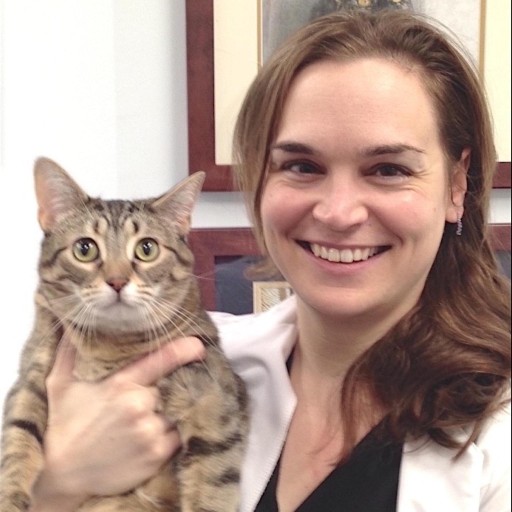
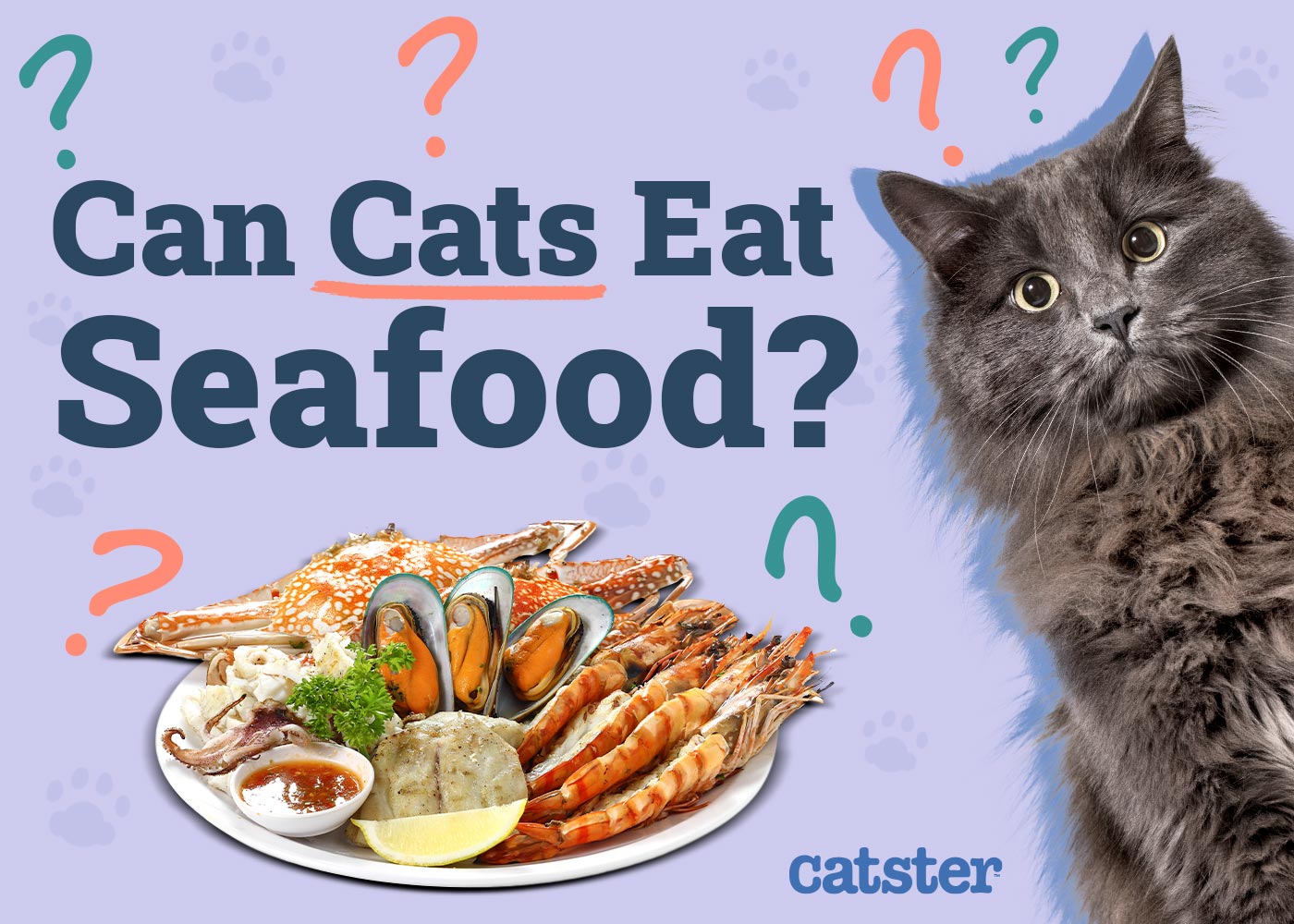
It's a popular belief that cats love fish, even though fish are not a natural part of a feline’s diet. Some cats don’t care for fish at all, while other kitties are always trying to snag a piece of tuna off their owners’ plates. But should cats be eating fish and other seafood? Is it good for felines to consume? The short answer is that cats can eat seafood occasionally, but serious considerations must be made.

Is Cooked Seafood Safe for Cats?
When thoroughly cooked and properly prepared, cats can safely eat a small amount of seafood like fish occasionally. Fish should never be a large part of any feline’s diet because it is not nutritionally complete and other potential problems could arise if they eat too much.
Here are a few important points to keep in mind:
Since seafood is not a natural part of a cat’s diet, your feline does not need to consume it to maintain good health. However, a small amount of fish in the diet can provide a fair source of protein and fatty acids. Keep in mind that protein and fatty acids can be sourced from all kinds of other foods that are healthier for cats, such as chicken, turkey, and even eggs. It is therefore better to ask a veterinarian for advice before adding seafood to your cat's diet.
Is Raw Fish Safe for Cats?
Ra fish might be safe for human consumption when prepared properly, but it is not a good option for a cat. First, raw fish can cause your kitty gastrointestinal discomfort. Second, raw fish contains a compound called thiaminase, which breaks down the thiamine and vitamin D in a cat's body. This can lead to thiamine deficiency, which can result in signs like:
- Impaired vision
- Ataxia
- Tremors
- Seizures
If left untreated, a thiamine deficiency can result in neurological disorders that could ultimately lead to death. Therefore, it’s important to avoid a deficiency as much as possible, and a good way to do that is to avoid letting your cat eat raw fish.
Raw fish also contains high amounts of omega fatty acids, which if consumed in large quantities can potentially oxidize in the body and cause a vitamin E deficiency. This is why the AAFCO recommends supplementation of vitamin E when felines consume fish oil. Finally, raw fish can contain parasites and bacteria that cause illness. Two common types of bacteria to be aware of are Listeria and Salmonella. When consumed, these bacteria cause what we refer to as food poisoning, and it affects cats just like it does humans.

Can Cats Eat Shellfish?
Shellfish is safe for cats to consume, but it should be an occasional treat and nothing more. Felines should never consume raw shellfish for the same reasons that they should not consume any other kind of raw fish.
Suitable cooked shellfish options to consider include:
Most cats seem to love eating shellfish as much as they do other types of fish, so don’t be surprised if they’re sitting nearby while you enjoy a plate of shrimp pasta.
Should Cats Eat Canned Tuna?
The answer to this question depends on the type of canned tuna that you intend to feed your beloved kitty. If it's tuna canned in water, it can be offered to your cat like any other fish, but keep problems like mercury levels in mind. If it’s tuna canned in brine, don’t feed it to your cat. The sodium content that is transferred to the tuna from the brine could potentially cause electrolyte imbalances in the brain and body.
Tuna canned in oil should be off-limits because it's rich and could cause digestive problems that are not comfortable for your cat.
Should Cats Eat Commercial Food With Fish or Fish Oil in It?
Yes, cats can eat commercial foods that contain fish and fish oil in the ingredients. These foods are specially formulated to include any supplements necessary to balance the vitamins and minerals and ensure that deficiencies do not develop. Other foods, like chicken and peas, help round out the diet and ensure that your cat gets adequate nutrition.

How to Prepare Fresh Seafood for a Cat
If you want to feed a small piece of fish or shellfish to your cat as an occasional snack, treat, or meal supplement, it’s a good idea to prepare the food yourself so you know exactly what’s in it. Certain prepackaged fish and fish that comes from a restaurant can contain ingredients like garlic and onions, which are toxic to cats. Preparing fish for your cat is easy because there is no need for any fancy prep steps.
All you must do is cook the fresh or thawed frozen fish in a small amount of water (this will help steam it and enable you to avoid using oil), and then let it cool before serving it. Don’t add any salt, pepper, or other ingredients before, during, or after cooking the fish. Once cool, give your kitty just a bite or two, and put the rest of the fish in the fridge or freezer to offer as a treat later.
Final Thoughts
Cats can eat small amounts of seafood occasionally as snacks or treats, but it should not make up most of any feline’s diet, especially in the long term. Feeding your cat commercial food that includes fish or fish oil is an exception, though it’s always a good idea to check with a veterinarian first and make sure you don’t need to supplement the diet to ensure proper health for your cat.
See Also:
Sources
https://oehha.ca.gov/media/downloads/fish/fact-sheet/hgfactsnontechnical.pdf
https://www.epa.gov/pcbs/learn-about-polychlorinated-biphenyls
https://vetspecialists.co.uk/fact-sheets-post/thiamine-deficiency-vitamin-b1-fact-sheet/
https://www.vetwest.com.au/pet-library/feeding-top-5-foods-you-should-never-feed-to-your-cat/
Featured Image Credit: Okssi, Shutterstock

Expert cat care, straight to your inbox
Vet-reviewed advice, behavior tips, and the best of Catster. Free, and you can unsubscribe anytime.
By signing up, you agree to our Terms & Conditions and Privacy & Cookies Policy.
Rachael has been a freelance writer since 2000, in which time she has had an opportunity to research and write about many different topics while working to master the art of fusing high-quality content with effective content marketing strategies. She is an artist at heart and loves to read, paint, and make jewelry in her spare time. As a vegan, Rachael is obsessed with helping animals in need both in her community and anywhere in the world where she feels she can make a difference. Animals also happen to be her favorite topic to write about! She lives off the grid in Hawaii with her husband, her garden, and her rescue animals including 5 dogs, a cat, a goat, and dozens of chickens.
Join the conversation
Ask a question, share your story, or send private feedback.