What Is a Kitten Mill? How They Work, Where They Exist & FAQ


In this article
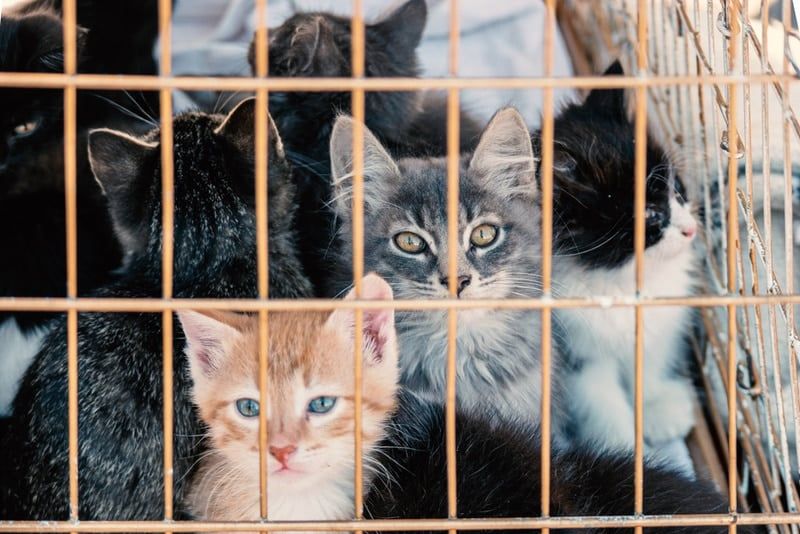
You've likely heard about puppy mills, but did you know that kitten mills exist, too? Sadly, several investigations have uncovered cats and kittens living in unsanitary, hazardous conditions. Kitten mills are facilities intended for mass breeding. Overbreeding, poor sanitation, a lack of veterinary care, and caging are typical in kitten mills.
Of course, it's animal cruelty, yet so many kitten mills fly under the radar for years. Read on if you're curious about how and why kitten mills operate. We'll discuss how to identify kitten mills so you won't inadvertently support them.

How Do Kitten Mills Work?
Kitten mills have one purpose and one purpose only: to make money. The health of the cats and kittens is disregarded to maintain low overhead costs and maximize profits. The kittens produced in the factories are often sold to pet stores without health checks or vaccination records proving they’re healthy.
Kitten factory animals are usually kept in deplorable conditions and suffer from malnourishment, injuries, and untreated illnesses. They may have worms, fleas, respiratory infections, or other unaddressed diseases.
Mother cats are kept in cages for years and bred repeatedly until they can no longer reproduce. As a result, it's not uncommon for the cats to never see the light of day or have room to move freely.
Kitten mill kitties are not given any positive socialization with humans or other animals, potentially resulting in "misbehavior" because they don't know any better. As a result, the kittens can become aggressive and defensive adult cats and may be surrendered to local shelters when their humans can't handle their poor behavior.

Where Do Kitten Mills Exist?
There is no single location for kitten mills. They, unfortunately, exist all over the world. They have been discovered throughout North America and other well-established countries with strict animal cruelty laws.
In 2008, the Canadian province of Quebec was known as the "Puppy Mill Capital of North America." By 2011, the province introduced new animal welfare regulations to crack down on puppy and kitten mills.
In 2015, the Companion Animal Protection Society (CAPS) investigated a kitten mill in Nebraska 1. The investigators found a shocking situation, and the mill was closed. The woman running the mill was fined just $5,000 and put on a one-year probation, but she still has her breeding license.
In 2016, an Australian kitten mill was raided, and the man operating it was charged $32,000 2. The conditions the kittens were in were so deplorable that 30 of the 72 Bengals that were seized had to be euthanized.

Frequently Asked Questions
What's the Difference Between a Kitten Mill and a Cat Breeder?
A cat breeder works with carefully selected mates to produce kittens with specific qualities and characteristics. Responsible breeders have a very high standard of care for the animals they breed.
Kitten mills, on the other hand, breed animals strictly for profit. Queens are bred continuously, and there is no standard of care since they breed cats without vetting them to ensure they're healthy. The goal is to sell as many kittens as they can.
How Will I Know if I'm Buying a Kitten From a Kitten Mill?
Buying a kitten from marketplace websites puts you at risk of adopting a kitten mill kitty. While many of the breeders that use the websites are responsible and legitimate, just as many may not be. No guidelines or code of ethics exist on these sites, so anyone can go on them to post advertisements.
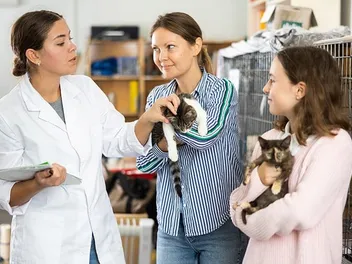
If you find a kitten you'd like to adopt on such a site, thoroughly vet the breeder before committing to adopting their pet. Ensure the breeder lets you visit their home and provides health and vaccination records for their cats.
When you view the facility, the mother, and any available kittens, look around thoroughly and ask yourself:
- Do the kittens seem healthy and happy?
- Is there enough space in the facility for the cats to roam?
- Is there clean water and food available?
- Are any of the cats injured?
- Is the facility clean?
- Do the animals look well cared for (e.g., is their fur matted or nails overgrown)?
- Do the prices seem too good to be true?
- Does the breeder provide veterinary and vaccination records?
- Does the breeder provide genetic testing reports?
It's best to avoid marketplace sites and find a breeder through referrals from your veterinarian or trusted friends and family. Reputable breeders have websites and national or regional breed clubs for referrals. The TICA Breeder Listing is another excellent place to start your search.
What Can I Do if I Believe I've Stumbled Upon a Kitten Mill?

If you have evidence of cruelty or neglect, contact your local animal control agency or police department. Animal cruelty laws vary by state and country, so it's best to alert the authorities and let them determine the best course of action. After you've made a report, get a case number and contact information for the folks involved in your case. This will allow you to follow up with the investigators if necessary.
Conclusion
Kitten and puppy mills are disgusting examples of animal cruelty. Though laws in many states and provinces prohibit the facilities from operating, many still fly under the radar for years. The first step to eradicating animal mills is education.
The more people know about the conditions the poor animals are in, the more likely they'll be to research the breeders they're buying from. Now that you know how horrendous kitten mills are, you can do your part by sharing this article with your friends and family members so they can educate themselves, too.
Sources
Featured Image Credit: stock-enjoy, Shutterstock
Expert cat care, straight to your inbox
News, insights, and useful advice, delivered to you.

No spam — unsubscribe anytime.
By signing up, you agree to our Terms & Conditions and Privacy & Cookies Policy.
How useful was this post?
Click a star to rate. You can leave written feedback afterwards. (We read all feedback.)
For Chantelle, writing and animals are the two driving forces in her life. Growing up on the Canadian prairies surrounded by pets, she now shares her home with five cats, two guinea pigs, and a bearded dragon. Chantelle, her husband, and their child pride themselves on being dedicated pet parent, even spending a fortune on wall-mounted cat shelves to provide their cats with an indoor jungle gym. When she's not snuggling with her cats or photographing their humorous moments, Chantelle is exploring the Rocky Mountains, rewatching her favorite Netflix series, and reading up on various random subjects.