Ear Pinna in Cats: Vet-Reviewed Info, Facts & FAQ (With Infographic)


In this article
Though a cat's pointy ears may be just another adorable feature that makes us love them, their ears are highly specialized and fine-tuned to operate at a much higher level than our own.
The pinna is an essential part of your cat's ear anatomy. It is a diverse structure that captures, focuses, and localizes sound. Read on to learn more about the pinnae and how they work.

How Does a Cat's Ear Pinna Work? Cat Ear Anatomy Diagram

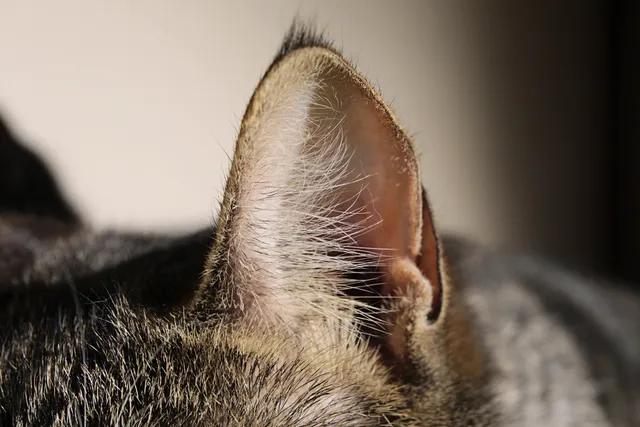
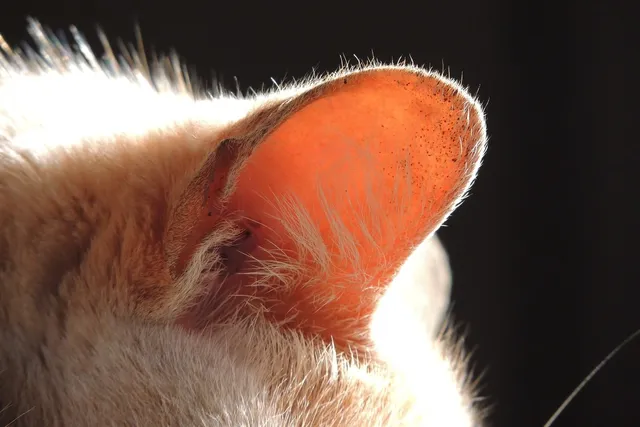
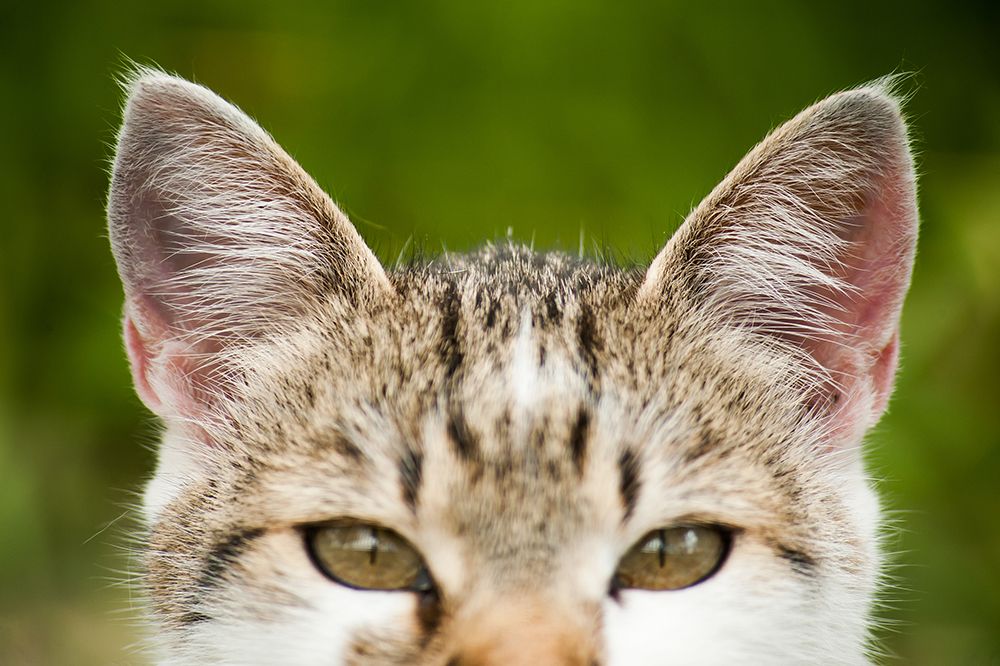
The cat's ear pinna, or ear flap, is the visible portion of the outer ear. It is made of cartilage, covered in skin and fur, and sits upright in most cats, with the exception of a few breeds whose ears are folded over like the Scottish Fold.
The pinna plays a critical role in the feline auditory system. The unique shape is designed to capture sound waves funneling through the ear canal and to the eardrum. What's especially unique for cats is that their pinnae are mobile and can move independently of one another, something you're likely to have seen before if you've owned cats for any length of time.
Think of them as a highly sophisticated satellite dish, rotating up to 180 degrees to find and identify the sources of sounds. The position of the pinna is also an important part of feline body language, helping cats communicate what they are thinking and feeling.
What Are Henry's Pockets? Do They Have a Purpose?

The Henry's pocket is the flap of skin on the outer part of your cat's ear. No one knows for certain the purpose these little pockets serve, though there are several theories. One suggests that the skin flap assists with sound location. Another theory is that it can enhance sounds.
Of course, it may be that there's absolutely no function to the pocket at all. One thing that you want to remember with Henry’s pockets is that ticks and fleas love this cozier little area, so check them to ensure your cat does not have them hiding there.
How Does a Cat's Ear Pinna Compare to a Human’s?

The aforementioned main difference between a cat’s ear pinna and a human’s is the ability to rotate. This ability allows them to hear sounds we might not be able to because of the structure of our ear pinnas.
Not only does the rotation allow for more advanced hearing ability, but it also allows cats to express themselves. Have you ever seen a cat that looked a bit scared? Their ears might be bent back a bit. What about a cat who was on the defense? Their ears are almost flat against the back of their heads. While some humans can wiggle their ears using the six muscles we have in our outer ear, we can hardly rely on them to express emotions.
Cats can also move the ear pinna independently from the other with ease. Have you ever tried to wiggle just one of your ears? If you can, you are part of the 22% of people who can do this. People who can wiggle both their ears are slightly rarer—only 18% have this ability.

What Are the Causes of Cat Ear Pinna Problems?
While the outer ear is quite exceptional, they are prone to some health problems:
1. Otitis Externa
Otitis external (often referred to as an ear infection) is any condition that causes inflammation of the external ear canal and it may also affect the pinna. One or both ears may be affected. It can be caused by many things including ear mites and allergies, but cats with an unusual ear shape such as Scottish Folds are at higher risk of ear infections.
If you are concerned about the health and well-being of your pet, seek veterinary advice for the best course of action.
2. Feline Solar Dermatitis
Feline solar dermatitis is a skin disease caused by excess sun exposure that occurs most often in white cats, or cats with white ears. The pinnae are the most commonly affected areas, but the nose and eyelids may also be susceptible. This disease can sometimes progress into squamous cell carcinoma.

3. Folded Ear Tips
Folded ear tips can sometimes be inherited from the parents. It can also be caused by glucocorticoid therapy or solar radiation damage.
4. Ear Hematomas
Ear hematomas are a collection of blood in the ear flap and are typically self-induced injuries caused by constant scratching or head shaking due to things like inflammation, allergies, and parasites. They can also be caused by other trauma to the pinna such as fight wounds.
5. Cauliflower Ear
Cauliflower ear is a wrinkled scarring of the pinna, most commonly secondary to ear hematomas, though it can also occur due to other conditions, such as infections and wounds.

6. Pinnal Vasculitis
Pinnal vasculitis is very rare in cats but can have numerous causes, including drugs, vaccines, food sensitivities, insect bites, and infectious organisms.
7. Frostbite
Frostbite of the pinnae occurs due to damage from extreme cold. It is more common in cats that are left outside and are poorly adapted to cold weather, particularly in wet or windy conditions. When the temperature drops below 32°F (0°C), the blood vessels close to the skin begin to narrow. This constriction preserves core body temperature by diverting the blood away from the colder body parts. Though this is a protective mechanism, it ultimately reduces blood flow to critically low levels, causing severe damage to the skin and tissues.

Frequently Asked Questions
How can cats move their ears so much?
Humans have just six muscles in our pinna, while cats have 32. This unique anatomy is what allows them to rotate their ears 180 degrees, providing them the opportunity to pick up sounds and their locations more accurately.

Should I regularly clean my cat's ears?
Most cats have healthy and clean ears that don't require regular intervention from their owners. However, if you notice any discharge, odor, or inflammation when examining your pet's ears, we recommend speaking to your vet. They can determine the underlying cause of your cat's ear issues and may recommend cleaning them as part of the treatment plan.
If you are concerned or have questions about your cat's health, you can also speak to a vet from the comfort of your own home to help make a plan. They can determine when an in-clinic vet visit should be made.
Conclusion
A cat's ear pinna is part of their outer ear. It plays an integral part in how the ear functions, helping cats focus and localize sounds while directing noises toward the middle ear. The pinna can be affected by several medical conditions, ranging from mild to severe, so it's important to make a point of checking your cat's ears occasionally to catch any issues before they develop into something more serious.
Sources
Featured Image Credit: effective stock photos, Shutterstock
Expert cat care, straight to your inbox
News, insights, and useful advice, delivered to you.

No spam — unsubscribe anytime.
By signing up, you agree to our Terms & Conditions and Privacy & Cookies Policy.
How useful was this post?
Click a star to rate. You can leave written feedback afterwards. (We read all feedback.)
Nicole is a lover of all animals, especially of the feline variety. She's mom to four, three fur babies and a human baby. She and her husband, John, live on a large forest property down in New Zealand.
Their beautiful Burmese cat Baby (who is now 17 years old) was their first child, though he is now called Baby Cat since their human baby joined the party in 2022. The dogs Rosa and Mac also love cats, but the whole family agrees that King Baby Cat is enough cat for this household.
Nicole is the Director of Content Management at Catster and Pangolia. With a Bachelor's degree in Education and years of online experience, she shares her pet knowledge and the knowledge of other professionals with the world, aiming to improve pets and pet parents' lives.