What Type of Litter Is Best for Cats? 9 Vet Approved Choices

In this article
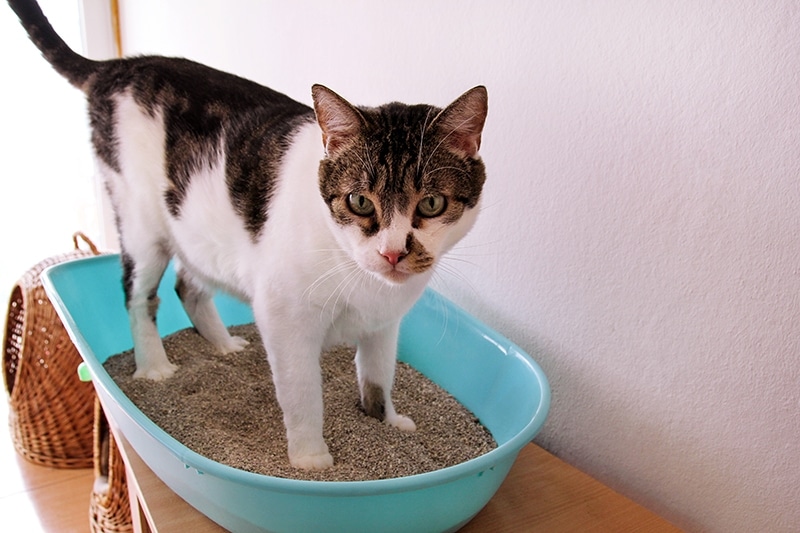
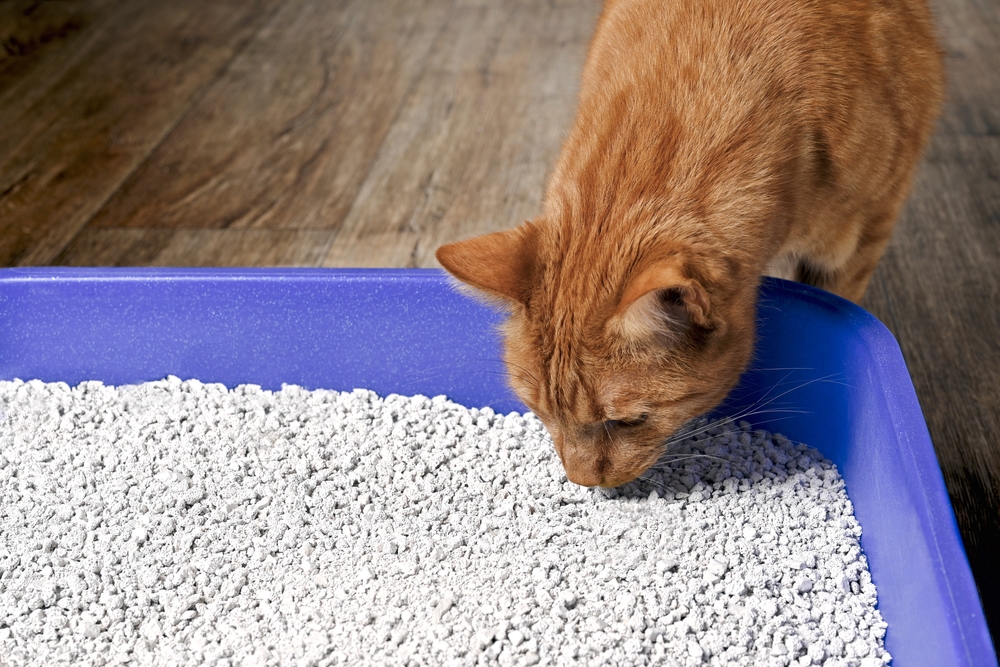
Litter box duty is the least favorite daily job of every cat parent, and it’s important to find the right type of litter. But what is the best litter for cats? Well, it comes down to your cat’s needs. Cats are particular, and if you get a litter they don’t like because of its scent or texture, you run the risk of them not using their litter box and doing their business somewhere else in your home.
Before buying cat litter, consider whether your cat is sensitive to scents. Also, consider your cat's age because some types, such as clumping clay litter, aren’t recommended for kittens. If your cat has respiratory issues, you should look for brands that are low in dust, such as paper or tofu litter. We know picking only one option can be overwhelming, so we will discuss the different litter types and help you choose the best one for you and your cat.

What To Do About Litter Box Odors?
As all cat owners can attest, litter boxes can have a very pungent smell. Apart from having the right cat litter, regularly cleaning the litter box and having it in a well-ventilated area, using a litter additive or deodorizer can significantly help combat litter box odors. An enzyme cleaner works wonders for pet messes and odors making it a great addition to your kitty cleaning routine.
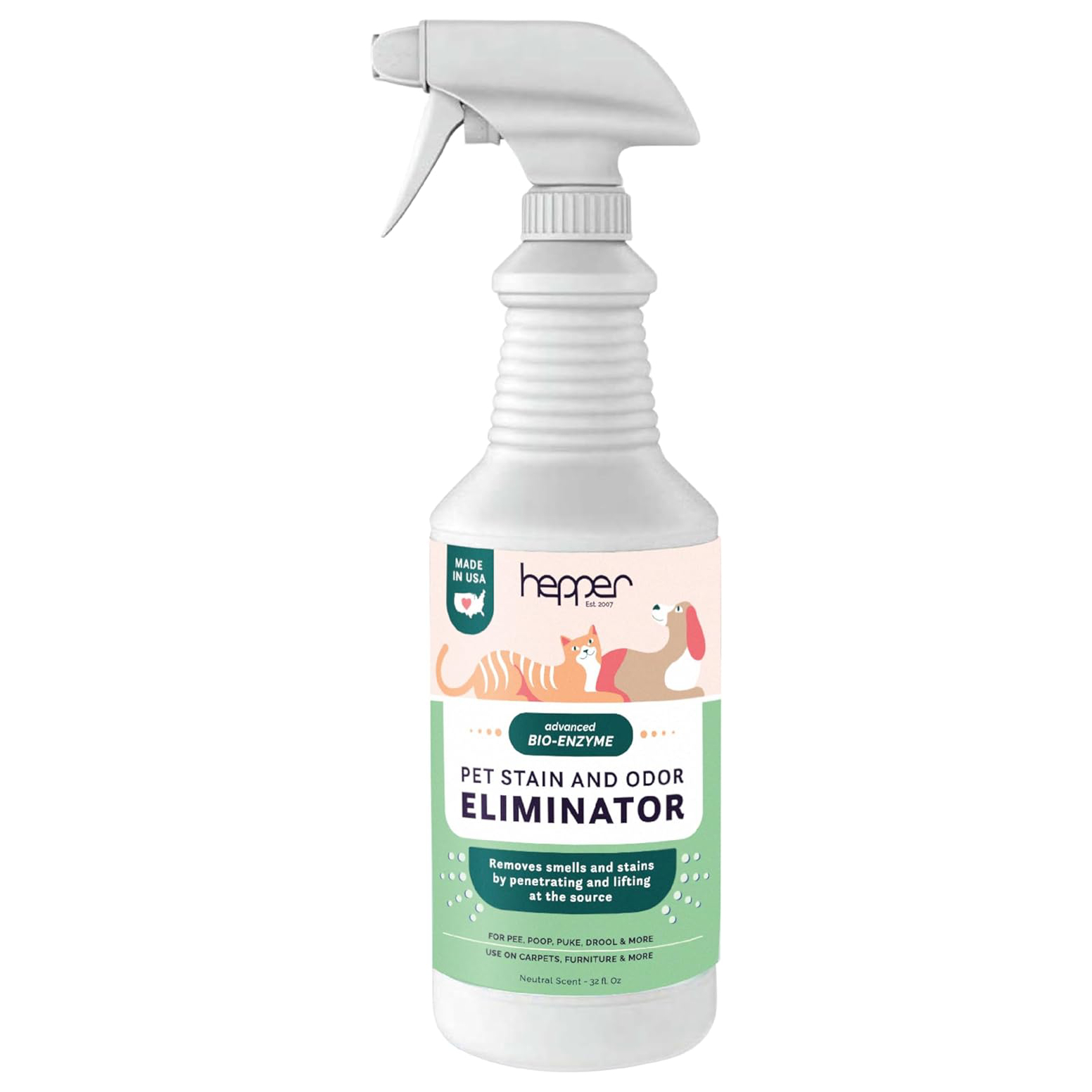
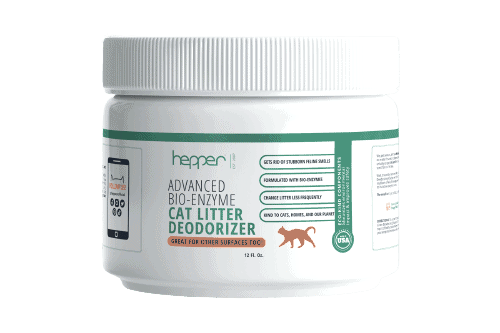
Combating tough cat litter smells is an ongoing battle for pet parents but luckily, there are products out there designed to help! Two products that significantly reduce odors are the Hepper Litter Additive and the Hepper Enzyme Spray.
| Image | Product | Details | |
|---|---|---|---|
|
Hepper Advanced Bio-Enzyme Pet Stain & Odor Eliminator Spray |
|
Check Price |
|
Advanced Bio-Enzyme Cat Litter Deodorizer |
|
Check Price |
At Catster, we’ve admired Hepper for many years and decided to take a controlling ownership interest so that we could benefit from the outstanding designs of this cool cat company!
How Are Cat Litters Classified?
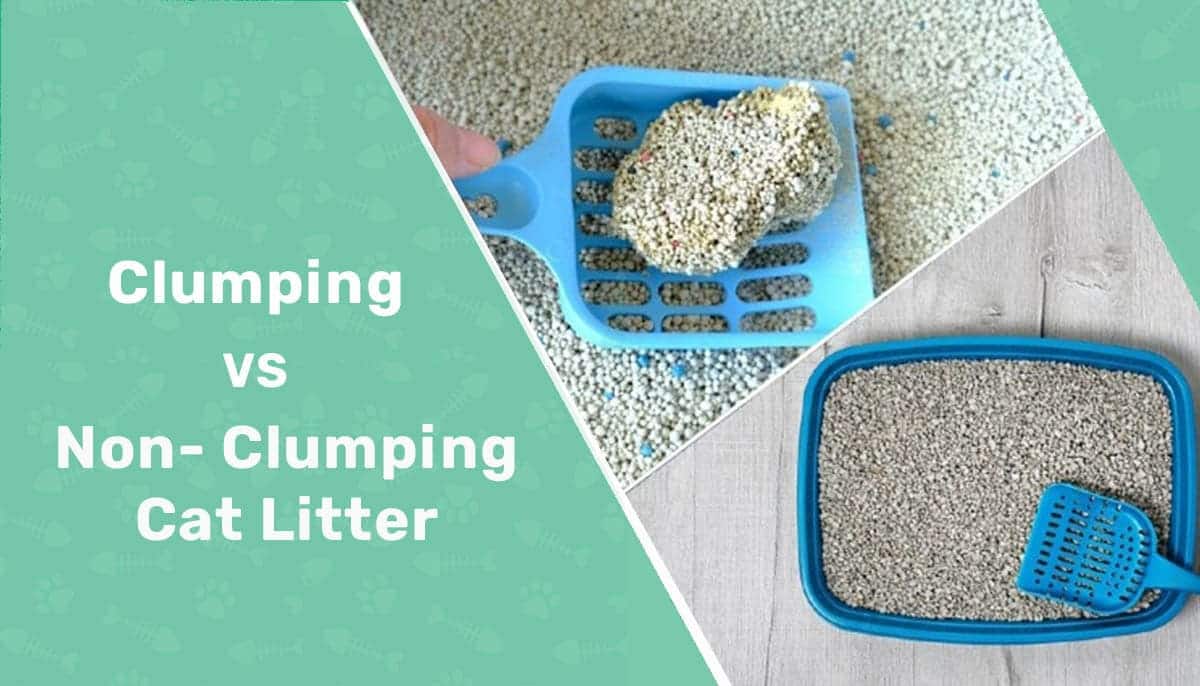
Some types of cat litter use materials such as clay, pine, silica crystals, wheat, walnut, paper, corn, tofu, and grass. Of all the types, cat litter can be classified into two main classes: clumping and non-clumping.
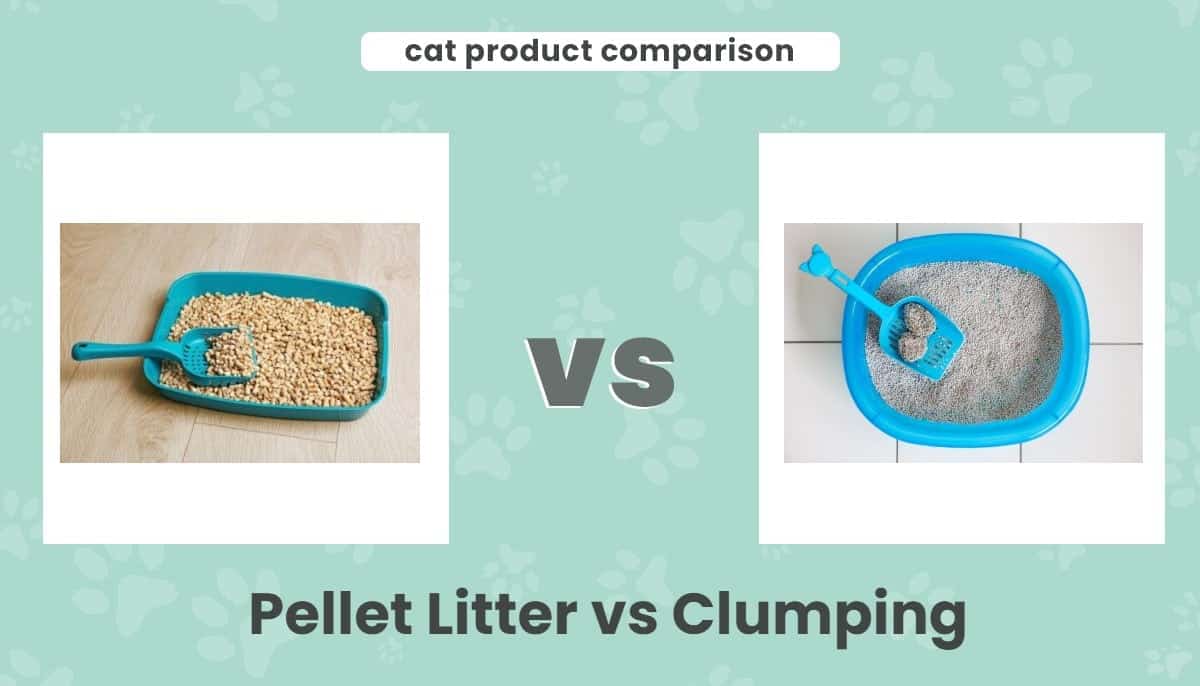
Clumping cat litter forms clumps when moisture from urine or poop makes contact with it. People enjoy this type because it is easier to clean and requires less work because the clumps can be scooped out without pouring out and replacing all the litter. Unfortunately, it’s not ideal for kittens, as they are more likely to ingest a larger amount through grooming and play, which could be problematic for their tiny digestive tracts.
Non-clumping litter is safe for all cats, but because it doesn’t clump, it doesn’t control the odor as well, and requires regular cleaning. You’ll need to replace all the litter and wash the bottom of the litter box because the urine seeps to the base. However, non-clumping litter is more affordable.

Top 9 Types of Cat Litter
1. Clay Litter

| Clumping or non-clumping: | Both |
| Biodegradable: | No |
| Cost: | Low |
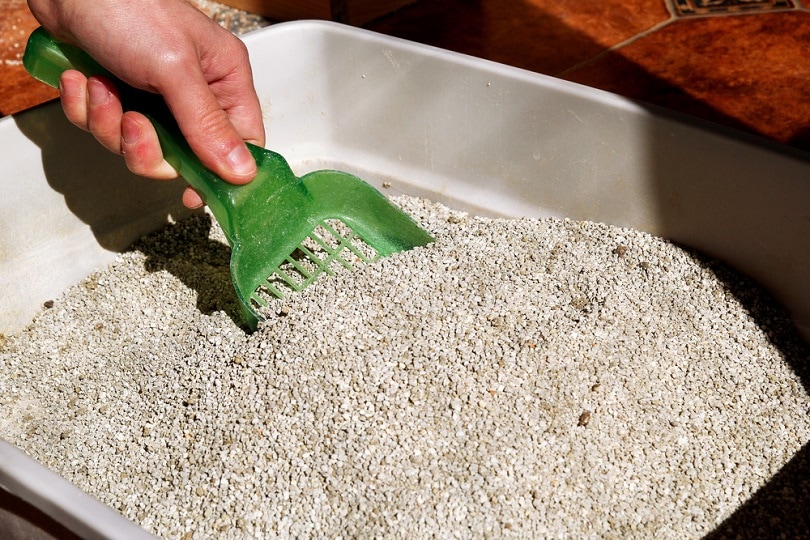
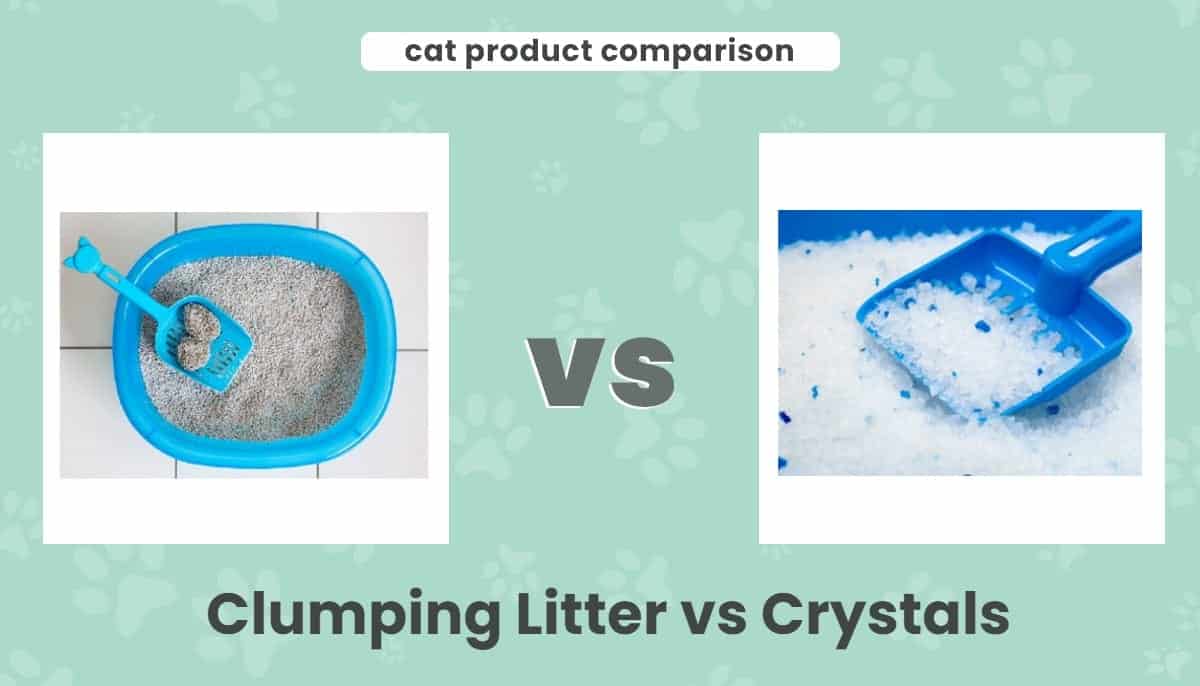
As the most common type used, you’ve likely seen or used clay litter before at some point in your life. It is used in many homes because it is widely available, cheap, and offers variety. You can choose between scented and unscented clay litter and clumping and non-clumping types.
The downside is that it can be dusty and can get on your cat’s paws when they enter their litter box. When they get out, they might track the dust all over your home. It also isn’t the most environmentally friendly litter option, and is quite heavy.
If you select a clay cat litter, look for a clumping low-dust type. However, if you have a kitten, go for the non-clumping option because it is dangerous for them to ingest clumping litter, and kittens are much more likely to nibble their litter out of curiosity than adult cats.
2. Pine Pellet Cat Litter

| Clumping or non-clumping: | Non-clumping |
| Biodegradable: | Yes |
| Cost: | Low |
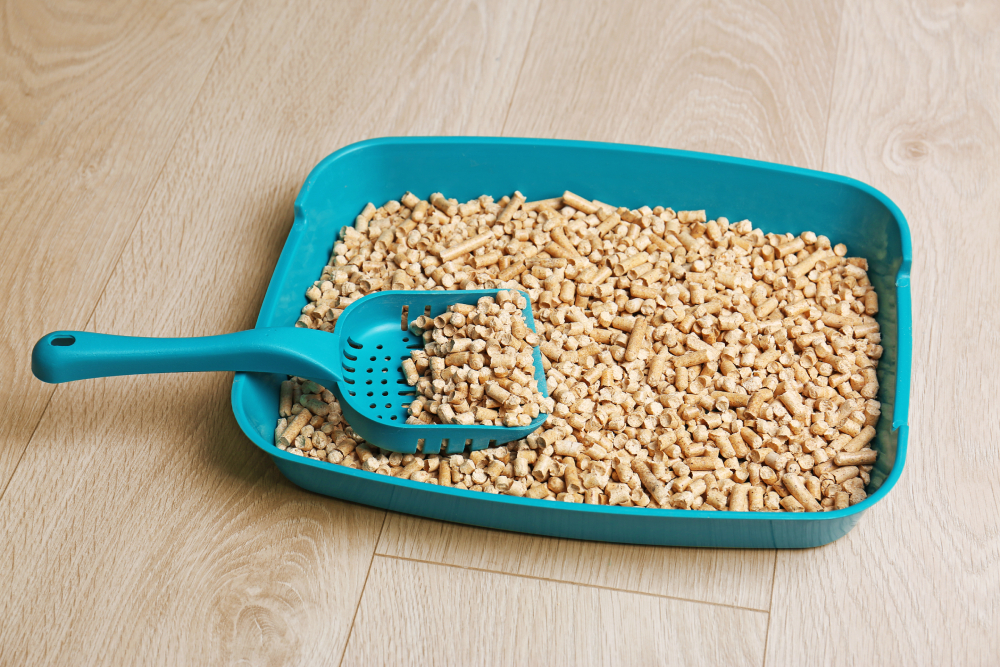
If you’re looking for an eco-friendly and non-toxic option, pine pellet litter is a good one. Although it is in pellet form, it is highly absorbent and prevents urine from running straight down to the base of the litter box.
Although it is a natural and unscented option, it has a woodsy smell that can be overbearing for some cats, especially if they’re sensitive to scents. However, some cats might be drawn to the woodsy smell; it just depends on the cat.
Pine pellet cat litter isn’t a great option for cats with nail injuries or sensitive paws because the pellets aren’t as comfortable to walk on as other types.
3. Silica Crystal Litter

| Clumping or non-clumping: | Most are non-clumping |
| Biodegradable: | No |
| Cost: | High |
Silica litter is safe for cats, but is the least environmentally friendly option because it is mined from quartz sand, and it isn’t biodegradable. However, this type of cat litter is great at controlling odor. It doesn’t clump, but it absorbs liquid and dehydrates solids, allowing you to scoop out the poop without much mess. Because of that, it is great at controlling odors. You’ll also need to stir the litter every day.
Silica litter is marketed to absorb moisture for up to a month, so it doesn’t need to be changed often. Although it is more expensive than other options, it will outlast a bag of the same size of clay litter. It is also a low-dust option for cats (or owners) with respiratory issues. Last but not least, silica litter is inorganic, so you don’t have to worry about it becoming moldy.
4. Wheat Cat Litter

| Clumping or non-clumping: | Clumping |
| Biodegradable: | Yes |
| Cost: | Low |
For a softer alternative, wheat cat litter is natural and flushable*. This litter is free of dyes, chemicals, and fragrances and is biodegradable. Although it has a soft texture, it isn’t particularly dusty. However, it does track to some degree. It contains enzymes that combat odor-causing bacteria and does well at neutralizing odors. Wheat cat litter clumps, so you can scoop waste out with ease.
Like most other natural litters, it is susceptible to mold and can attract insects, which isn’t ideal. Although it’s perfume-free, it has a natural scent, which may repel your cat or entice them to nibble at it. Keep an eye on your cat when introducing this litter to them for the first time, and discourage them from ingesting it.
5. Walnut Cat Litter

| Clumping or non-clumping: | Both |
| Biodegradable: | Yes |
| Cost: | Low |
Walnut cat litter is available in clumping and non-clumping varieties. It has a granular appearance because it is made from the shell of the walnut, which has been crushed down. It has a similar look and feel to clay litter, and if you’re transitioning your cat from clay litter to something biodegradable, it is a good option to try.
Because of the material the litter is made from, it is lightweight, making it easier to carry and clean out. Your cat may also like how easy it is to move about to cover their waste.
It does a decent job at odor control and is low in dust. However, it can track and make a mess in your home and become moldy if not changed regularly enough. It has a dark appearance, which can make spotting your cat’s waste a little tricker. However, some owners may appreciate this feature because it disguises their waste.
6. Corn Cat Litter

| Clumping or non-clumping: | Clumping |
| Biodegradable: | Yes |
| Cost: | High |
Corn litter is another popular option that is environmentally friendly and soft on your cat’s paws. It clumps well, isn’t as dusty as clay litter, and controls the odor from your cat’s waste. If your cat isn’t sensitive to scents and you like fragranced litter, it may work best for you and your cat because there are scented and unscented varieties to pick from.
If you’ve been having trouble getting your cat to use their litter box, corn litter contains attractants, which emit a scent that is appealing to cats and may draw them to their litter box.
Unfortunately, corn litter isn’t immune to mold growth, and although most brands claim their litter is safe from aflatoxins, the litter does come with this risk. Thankfully, aflatoxins are only deadly if ingested, and since most cats don’t eat their litter, they should be safe even if it does develop.
7. Paper Litter

| Clumping or non-clumping: | Non-clumping |
| Biodegradable: | Yes |
| Cost: | Low |
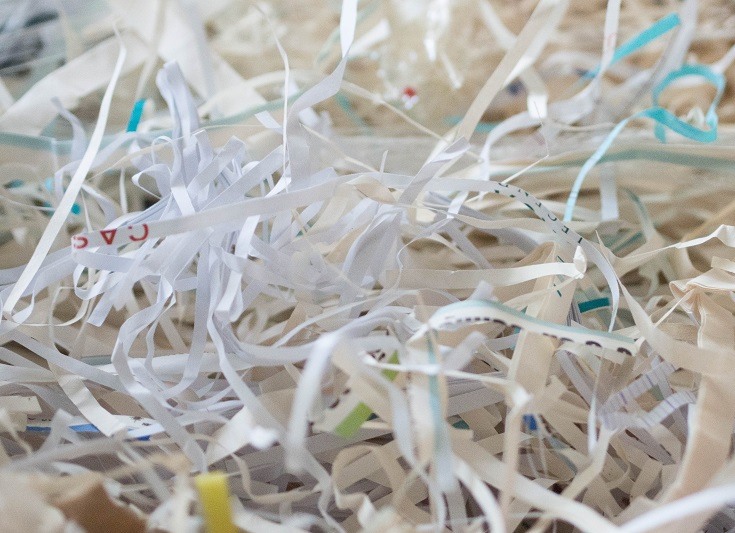
Paper litter is made from recycled paper and is most commonly sold in pellet form. It is one of the best options on the market for cats with respiratory issues or those recovering from surgeries because it has one of the lowest dust contents of all the litter types. It is also a step in the right direction towards sustainable living. being environmentally friendly and biodegradable.
Paper litter is also an affordable option, but it has disadvantages. Paper litter is non-clumping and, therefore, needs to be changed often. As the pellets become saturated with urine and waste, the litter can become mushy and hard to clean out the litter box. It also doesn’t control odors as well as other litter types, but there are brands with deodorizers.
8. Tofu Litter

| Clumping or non-clumping: | Clumping |
| Biodegradable: | Yes |
| Cost: | High |
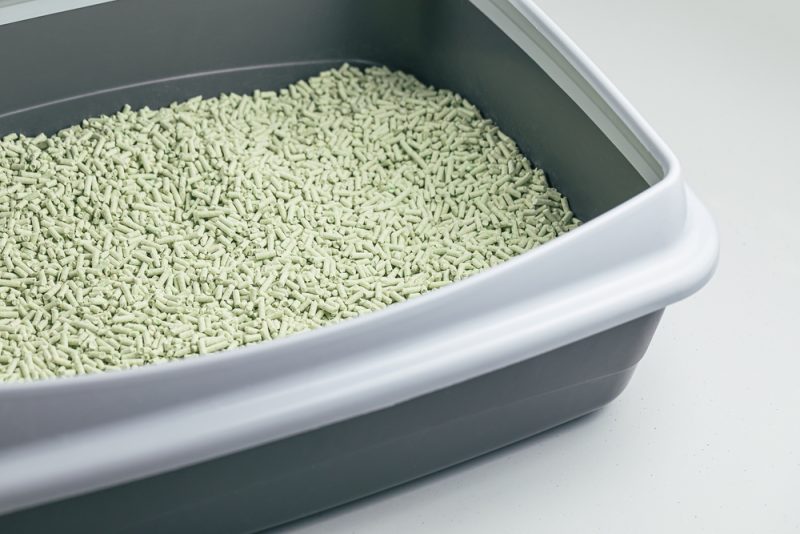
For something a little different, because it is still relatively new to the market, you can try tofu litter. It is made from soybean fiber, so it is another natural option. One of the exciting features of this litter is that it is biodegradable and safe to flush down your toilet*.
It is also a very low dust option, which is essential for cats and family members with respiratory issues. It comes in large pellets, and it’s not a litter that your cat will track around your home easily, except for a few pellets here and there that may have been kicked out of the litter box.
Because tofu litter is clumping, it is easy to clean, and you’ll just need to scoop out the clumps each day and flush them down the toilet. It’s also a long-lasting option. However, because it is organic, it is susceptible to mold if you don’t store it according to its care instructions.
9. Grass Cat Litter
| Clumping or non-clumping: | Clumping |
| Biodegradable: | Yes |
| Cost: | High |
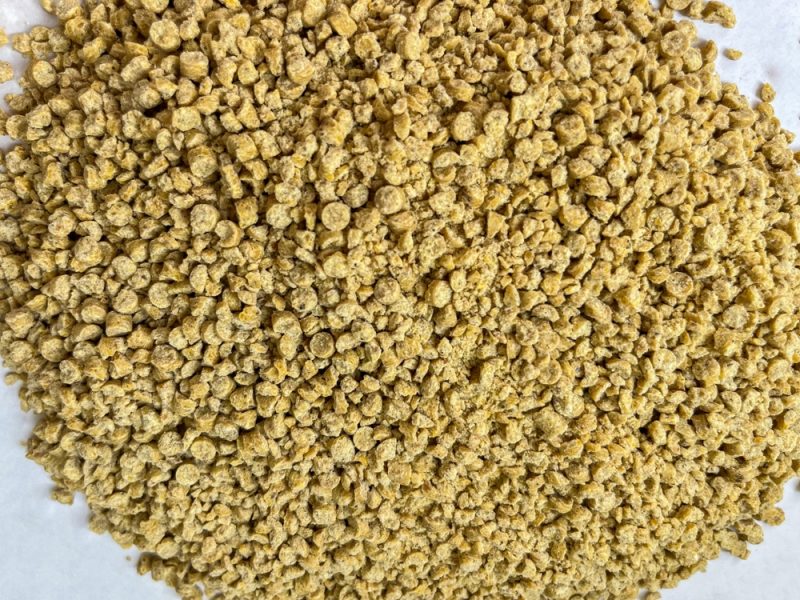
The texture and appearance of grass litter may surprise you; rather than filling your cat’s litter box with grass clippings, it resembles corn litter. It’s made up of dried grass seeds that clump immediately when they come into contact with urine and waste, which traps bacteria and odors.
The texture is also soft on paws, which might be more inviting to your cat than pellet litter types. Grass litter doesn’t contain fragrances or perfumes that can irritate sensitive cats and is a low-dust option.
It uses a renewable material and is biodegradable. However, grass litter is one of the newer types on the market, so it isn’t as widely available and is sold at a higher price than many other options.
*Check that your pipes/drainage system can cope with flushing this material. May be unsuitable for arrow pipes or septic tanks etc.

What Type of Litter Is Best?

As you’ve seen above, different types of cat litter appeal to different cats and their owners, so the best litter comes down to your cat’s likes and needs, and what your priorities are. If your cat likes soft litter, wheat, corn, and grass litter are some of the best options. If your cat has a respiratory issue, look for low-dust options such as wheat and paper litter.
You can choose between clumping, non-clumping, or low-tracking litter. However, it is vital to keep their litter box clean since a dirty litter box is unhygienic and may cause your cat to avoid using it altogether.
We recommend choosing a litter low in dust and free from strong perfumes, chemical preservatives, and sodium bentonite, as they can irritate your cat and cause sinus and gastrointestinal issues.
Conclusion
Remember, all cats are different, and what appeals to one cat may not appeal to another. There are various litter types on the market, including clay, pine, silica crystals, wheat, walnut, corn, paper, tofu, and grass. They’re also classified as clumping or non-clumping litter. You can also select scented or unscented litter, low dust, biodegradable, low-tracking, and good odor control options.
See Also:
Sources
Featured Image Credit: New Africa, Shutterstock

Expert cat care, straight to your inbox
Vet-reviewed advice, behavior tips, and the best of Catster. Free, and you can unsubscribe anytime.
By signing up, you agree to our Terms & Conditions and Privacy & Cookies Policy.
Keri-Beth is a freelance writer from South Africa who loves writing about cats. She's very passionate about pet care and has spent quite a bit of time volunteering at animal shelters. Keri-Beth currently has two dogs: Benji, the Golden Cocker Spaniel, and Gracie, the Boerboel.
Keri-Beth's favorite hobbies include photography and camping. She lives with her husband, who is a professional drummer.
Join the conversation
Ask a question, share your story, or send private feedback.