Responsible Pet Owners Month: 2026 Update & How to Celebrate It
In this article
February is a month filled with love and affection, not just because of Valentine's Day. It's also when we celebrate Responsible Pet Owners Month. This annual event emphasizes the importance of responsible pet ownership, focusing on all pets, including our beloved feline friends.

What Is Responsible Pet Owners Month?
Responsible Pet Owners Month is observed every year in February. The event is all about promoting responsible pet ownership and encouraging pet owners to understand and fulfill their pets' needs effectively. It's a month dedicated to celebrating the bond between pets and their owners while highlighting the responsibilities that come with owning a pet.

History of Responsible Pet Owners Month
While the precise origin of Responsible Pet Owners Month remains unclear, it's evident that its core principles align with numerous other pet-focused observances. Renowned organizations such as the American Kennel Club (AKC) and the American Society for the Prevention of Cruelty to Animals (ASPCA) each sponsor events promoting responsible pet ownership and animal welfare. Additionally, the American Veterinary Medical Association (AVMA) uses February to bring attention to Pet Dental Health.
In the month of February, we celebrate Responsible Pet Owners Month, which serves as a comprehensive umbrella covering various aspects of pet care. This special time prompts us to reflect on how we meet the needs of our beloved cats and other pets in our care. It's an opportunity to assess their dietary requirements, ensuring they receive nourishing, high-quality food in appropriate portions.
Moreover, it's a month to consider their exercise and socialization needs, as well as ensuring they have proper identification in case they ever become lost. Let us use this month to prioritize the well-being of our furry companions and provide them with the love and care they deserve.
Most importantly, one of the most critical practices encouraged during this month is regular veterinary visits, not just for emergencies, but routine check-ups at least once a year. By diligently observing these aspects of pet ownership, we can ensure a happier and more serene life for our cats. Together, as we celebrate Responsible Pet Owners Month, we strive to make the majority of pet-owner relationships loving, joyful, and harmonious.

The 10 Ways to Celebrate Responsible Pet Owners Month
1. Educate Yourself
Use this month as an opportunity to learn more about your cat's needs. Take the time to read up on their specific dietary requirements, so you can ensure they are getting the right nutrients for optimal health. Additionally, dive deeper into understanding their behavior to better respond to their needs and create a harmonious environment.
Lastly, equip yourself with knowledge about common health issues that may arise, so you can identify any potential problems early on.

2. Schedule a Vet Visit
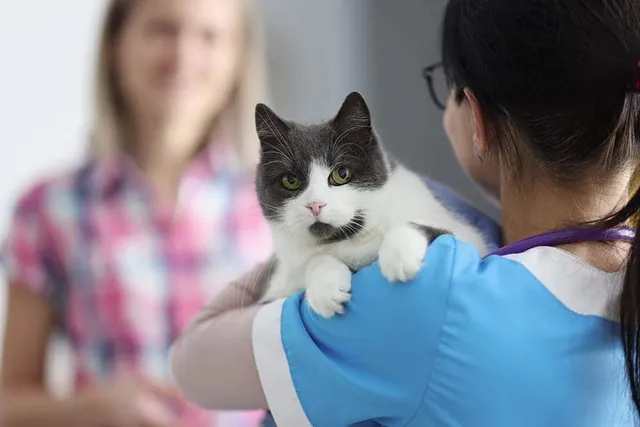
Regular check-ups are crucial for your cat's overall well-being. If it's been a while since their last visit, now might be a good time to schedule one. During the visit, the veterinarian can perform a comprehensive examination to assess your cat's health, address any concerns, and provide necessary preventive care such as vaccinations or parasite control.
3. Revisit Your Pet's Diet
Are you providing a balanced and nutritious diet for your furry friend? Consult with a vet to ensure you're feeding your cat the right food in the right amounts. They can guide you in selecting high-quality cat food that meets your pet's specific nutritional needs, taking into account factors such as age, breed, activity level, and any underlying health conditions. Making sure your cat receives proper nutrition is vital for maintaining good health and preventing potential health issues.
4. Spend Quality Time Together
Bonding with your cat is not only enjoyable but also beneficial for both of you. Set aside dedicated time to engage in activities that your cat loves. This could involve playing interactive games, teaching them new tricks, or simply cuddling and providing them with affection. Having a play session for your cat can also provide mental stimulation and physical exercise, contributing to their overall well-being.

5. Promote Responsible Pet Ownership
Utilize your social media platforms to raise awareness and share valuable tips on responsible cat ownership. Spread the word about Responsible Pet Owners Month and encourage others to prioritize the well-being of their cats and other pets. Discuss topics such as the importance of spaying/neutering, proper identification, regular veterinary care, and the significance of adoption from reputable sources.
By promoting responsible pet ownership, you can help create a community that prioritizes the welfare of animals and fosters loving and responsible pet relationships.
6. Regular Grooming
Keeping your cat well-groomed is not just about looking good but also about maintaining good health. Regular bathing, brushing, nail trimming, and ear cleaning can help prevent skin conditions, infections, and other health problems. Additionally, grooming sessions can serve as a bonding activity and an opportunity to check for any unusual signs such as lumps, parasites, or inflammation.
7. Provide Mental Stimulation
Just like humans, cats need mental stimulation to stay happy and healthy. Use puzzle toys, training sessions, or interactive games to keep your cat's mind sharp. This not only provides entertainment but also helps reduce behavior problems related to boredom or anxiety.

8. Secure Your Home
Make sure your home is a safe environment for your cat. Keep toxic foods, plants, and chemicals out of reach. Secure loose wires or small objects that could be a choking hazard. If your cat spends time outdoors, ensure your yard is securely fenced and free of harmful objects.
9. Travel Safely
When traveling with your cat, ensure they are safe and comfortable. Use appropriate carriers or seat belts for car travel, and never leave your pet alone in a hot car. Make sure your cat is well-behaved and comfortable when using public transportation or visiting public places.
10. Respect Their Space
Just like humans, cats need their own space where they can retreat and relax. Set up a comfortable area in your home with their bed, toys, and water. Respect this space and teach others in the household to do the same. This helps reinforce your cat's sense of security and reduces stress.

The 10 Signs You're a Responsible Cat Owner
There's more to being a cat owner than adorable playtimes and furry cuddles. Responsibly caring for a cat is a commitment of time, resources, and love. Here are 10 sure-fire signs that you're doing it right. Let's dive in!
- Regular Vet Visits: You prioritize your cat's health by ensuring regular veterinary check-ups. This helps in early detection and prevention of potential health issues.
- Balanced Diet: You provide a diet that is nutritionally balanced and appropriate for your cat's age, breed, and health status, supporting their overall well-being.
- Quality Time: You spend meaningful time with your cat, partaking in activities they enjoy, which fosters a strong bond and contributes to their happiness.
- Grooming and Cleanliness: You ensure that your cat is groomed regularly, and their living area is kept clean, promoting their hygiene and comfort.
- Training and Boundaries: You train your cat and establish clear boundaries, which helps in managing their behavior and ensuring their safety.
- Identification Measures: Your cat is microchipped and/or wears a collar with identification tags, enabling easy identification if they were to get lost.
- Behavioral Awareness: You are attentive to your cat's body language and behavior, promptly noticing any changes that might indicate distress or illness.
- Regular Exercise: Your cat receives regular exercise suitable for their age and breed, promoting their physical health and mental stimulation.
- Emergency Plans: You have plans in place for your cat's care in case of an emergency, ensuring their safety and well-being under all circumstances.
- Love and Affection: You regularly show love and affection to your cat, enhancing their emotional well-being and reinforcing your bond with them.
If you answered "Yes!" to all or even some of these questions, you're likely either a responsible cat owner already, or well on your way!

Conclusion
Being a responsible pet owner is a rewarding task that requires commitment, patience, and lots of love. This Responsible Pet Owners Month, let's reaffirm our commitment to our beloved pets’ happiness and well-being. Our partners and spouses aren't the only ones who deserve love in February.
Featured Image Credit: Veronika Homchis, Unsplash
Expert cat care, straight to your inbox
News, insights, and useful advice, delivered to you.

No spam — unsubscribe anytime.
By signing up, you agree to our Terms & Conditions and Privacy & Cookies Policy.
How useful was this post?
Click a star to rate. You can leave written feedback afterwards. (We read all feedback.)

Christian started writing for a local newspaper as a teenager, and he's been involved in the publishing industry for most of his adult life. Combining his love of writing with a passion for animals, he is currently the Director of Editorial at Pangolia and the Editor-in-Chief at Catster.
Christian lives in the Philippines with his wife, son, and four rescue cats: Trixie, Chloe, Sparky, and Chopper.