10 Reasons to Take a Pet First Aid Course: Vet Approved Advice

In this article
As much as we love our pets, it sometimes feels like we have furry toddlers in our homes. They get into things that they shouldn’t, eat stuff that can hurt them, and play with things that could injure them. These are all compelling reasons to take a pet first aid course.
Unsurprisingly, many of the principles and procedures are similar to what you should do for a human, but there are specific differences. A class can give you valuable information for everyone in your home. Let’s get into why you should take a pet first aid course.

The 10 Reasons to Take a Pet First Aid Course
1. Classes Are Affordably Priced
Taking a course couldn’t be easier. For example, the American Red Cross offers an online class that teaches you the basics of getting certified. You’ll learn how to check your pet’s vital signs and more. It’ll be the best money you’ve ever spent on your animal companion while giving you peace of mind from the knowledge it will bring you.

2. You Can Minimize Complications
Time is often a critical factor in emergencies. The information in a pet first aid course can give you everything you need to act promptly and minimize complications in case of an accident or emergency. Simple techniques, such as safely restraining your pet, can make a big difference and minimize complications and further injury.
3. You Could Help Someone Else's Pet
The knowledge you get from a first aid course can come in handy for other pets too. You can help a friend or neighbor with an issue with the training you’ve received. We hope you’ll never have to put the training you received to use, but it’s undoubtedly comforting knowing what to do if needed.

4. You'll Be Prepared for Most Situations
The knowledge you carry is your assurance of being prepared to act. Precious minutes are often lost during an accident because people don’t know what to do—they panic. You’ll likely find that your training will step up to the plate quickly if something unfortunate happens. Inevitably, accidents tend to happen on weekends, holidays, and nights when your regular vet isn’t available.
If you ever find yourself needing to talk to a vet but they aren't available, you can always schedule an online vet session to have personalized advice for your pet.
5. You Can Handle the Minor Stuff
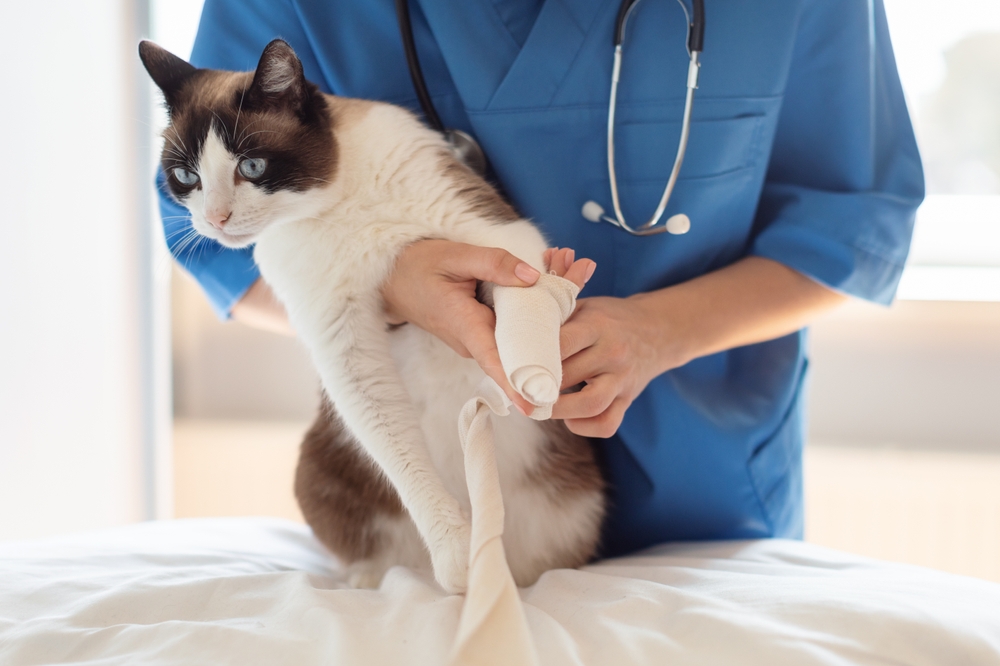
Pets aren’t all that different from kids. They get minor bruises and scrapes that need attention but don’t necessarily warrant a visit to the doctor. Taking a pet first aid course can give you the training you need to handle the small stuff. You can treat your pet at home and avoid undue stress for both of you.

6. You and Your Furry BFF Can Go Off the Beaten Path
Taking a course is like having a first aid kit with you. That means you and your pet can go to different places off the beaten path. You can take your dog on a hike at a park in the country, knowing you can handle minor mishaps or do some triage if your pet needs to go to the vet.
7. You Have the Upper Hand at Prevention
Taking a pet first aid course opens your eyes to signs of an issue that you may not have noticed before learning about them. Prevention is always the best treatment for health problems. It can make recovery easier and quicker. This training can alert you to the little things before they become major medical conditions. Knowledge is indeed power.

8. Credentials Can Help Your Pet Sitter Resume
Taking a first aid course makes sense if you're a pet sitter or dog walker. It’s an excellent selling point when advertising your business to potential clients. It also opens up the services you can provide, such as giving meds. It’ll tick off all the items on our list for you as a service provider.
9. It'll Help Keep Yourself Calm
A course can help you see a situation clearly with the understanding that comes from knowledge. The unknown factors often trigger panic. You’ll likely find that you can approach these situations more calmly by knowing what to do and recognizing the degree of severity. You’ll probably also help keep everyone else composed.

10. Your Pet Deserves It
Of course, the best reason for taking a course is for your pet. It’s the added assurance of prompt medical attention that minimizes stress and speeds recovery. Your animal companion does so much to make you happy with affection and unconditional love. It’s a small gesture that says a lot about your relationship with your animal companion.
What to Put in Your Pet’s First Aid Kit
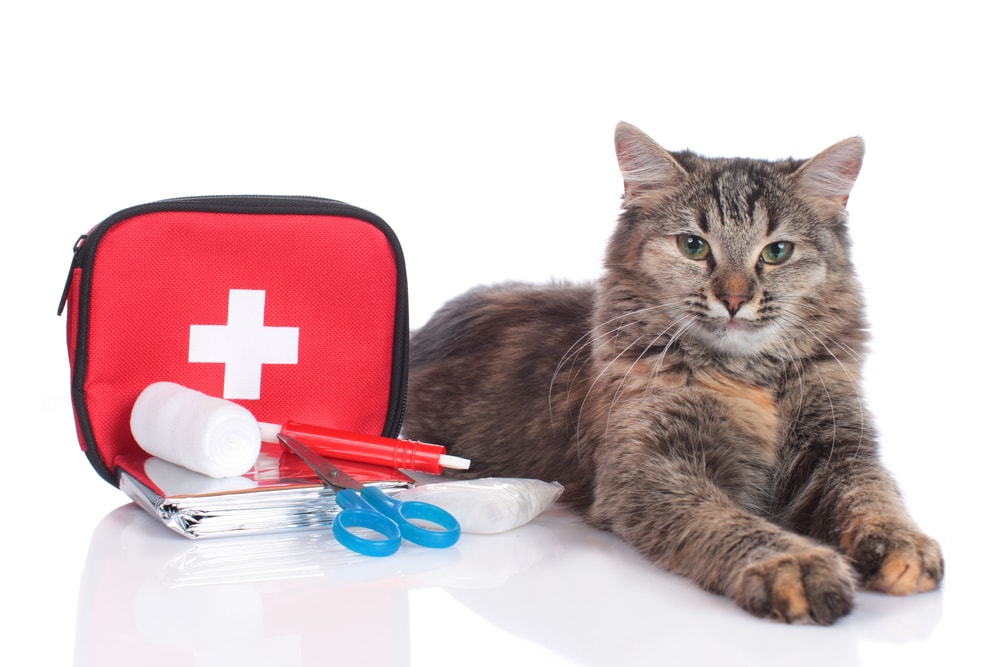
The course gives you the information, but putting it to use means having a stocked first aid kit. There are certain items that you shouldn’t use, such as activated charcoal or hydrogen peroxide, unless instructed by a veterinarian. Nevertheless, it’s good to have them on hand. We recommend checking the expiration date of replaceable things occasionally. Your kits should include the following:
- Activated charcoal
- Adhesive tape
- Copy of your pet's medical history with vaccinations
- Cotton balls
- Digital thermometer
- Disposable gloves
- Emergency contact information
- Eye droppers and syringes
- Hydrogen peroxide
- Magnifying glass with light
- Non-stick bandages
- Saline solution
- Scissors
- Gauze
- Soft muzzle
- Towels
- Tweezers

Conclusion
You can think of a pet first aid course like insurance: You hope you’ll never need to use the training you’ve received, but you’ll be glad you have it if something happens. You can’t prevent every accident or injury; cats will always be curious, and dogs will eat anything they find. Knowing what to do is a vital part of pet ownership, and being prepared for an emergency may be the best gift you can give your furry best friend.
See also:
Sources
Featured Image Credit: Dora Zett, Shutterstock

Expert cat care, straight to your inbox
Vet-reviewed advice, behavior tips, and the best of Catster. Free, and you can unsubscribe anytime.
By signing up, you agree to our Terms & Conditions and Privacy & Cookies Policy.
Chris has been a science-focused pet writer since 2009, specializing in health and the environment. She lives with her husband Norm and three amazing cats in the land of 10,000 lakes. When she's not writing about cats, Chris also enjoys boating and sampling wine. She has her WSET 1 and 2 certifications and is currently pursuing her Certified Wine Specialist Award (CSW).
Join the conversation
Ask a question, share your story, or send private feedback.