Get

In Your Inbox

Catster is reader-supported. When you buy via links on our site, we may earn an affiliate commission at no cost to you. Learn more.

Palliative Care for Cats: 6 Things You Should Know (Vet-Verified)

Share

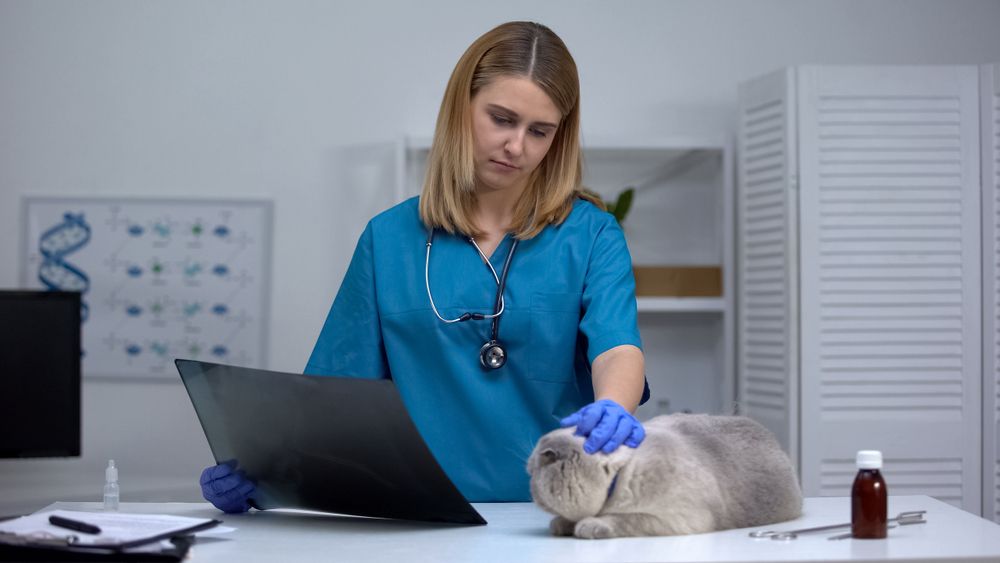
Vet touching a terminally-ill cat

If you’ve recently received the unfortunate news that your beloved cat has developed a terminal or life-altering condition, your mind is undoubtedly full of more questions than you can count. Your vet may have mentioned the possibility of palliative care or care that is delivered as your feline companion nears the end of their life.

Typically, palliative care is intended for cats who have been diagnosed with a terminal or life-limiting condition. If palliative care is an option you are considering for your pet, there are some factors you should know before making a decision. In this article, we’ll examine six things you should know before providing palliative care for your cat.

divider 2 cats

The 6 Things You Should Know About Palliative Care for Cats

1. There Are Different Palliative Care Plans

There isn’t a one-size-fits-all approach to palliative care. To form the best plan for your cat’s needs, the first step is to make an appointment with your vet. There, you can discuss the course of your cat’s condition and how their quality of life will be altered.

This step is essential for providing insight into your cat’s disease and progression and allowing you to have a say in their palliative care plan. Some factors to consider when deciding on a palliative care plan are your family’s needs, your goals for your cat’s care, and the disease itself.

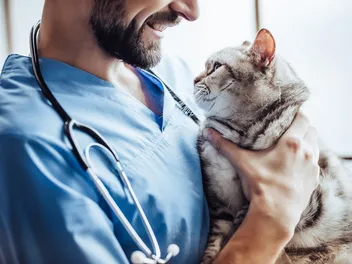
vet holding a senior cat
Image Credit: Alive Rodnova, Shutterstock

2. There’s A Difference Between Palliative Care and Hospice Care

Some people confuse palliative care with hospice care. The confusion is understandable, as both forms of care are typically offered to cats who don’t have very long to live. However, the difference between them is when they become an option for your cat.

Palliative care is for cats experiencing any condition that impacts their quality of life, including acute and chronic conditions. It can also be offered to cats that need end-of-life care. On the other hand, hospice is generally provided to cats with 6 months or less to live.

Understanding the difference between palliative and hospice care can help you make a more informed decision regarding your cat’s care.


3. Pain Management Is a Priority

When embarking on a palliative care plan for your cat, keep their comfort at the forefront of your mind. Many life-impacting conditions can cause your cat significant pain without intervention, so providing your cat with the care they need is essential.

If you notice signs that your cat is experiencing pain, talk to your vet about how you can help them live as comfortably as possible.

Common signs of pain in cats include:
  • Lack of appetite
  • Hunched posture
  • Change in behavior or temperament
  • Aggression
  • Hiding
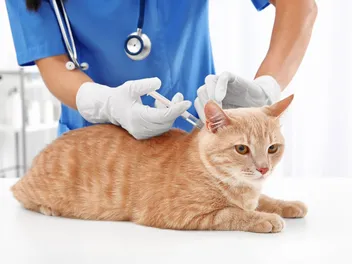
cat getting a shot from a vet
Image Credit: Kachalkina Veronika_Shutterstock

4. Multiple Care Methods May Be Recommended

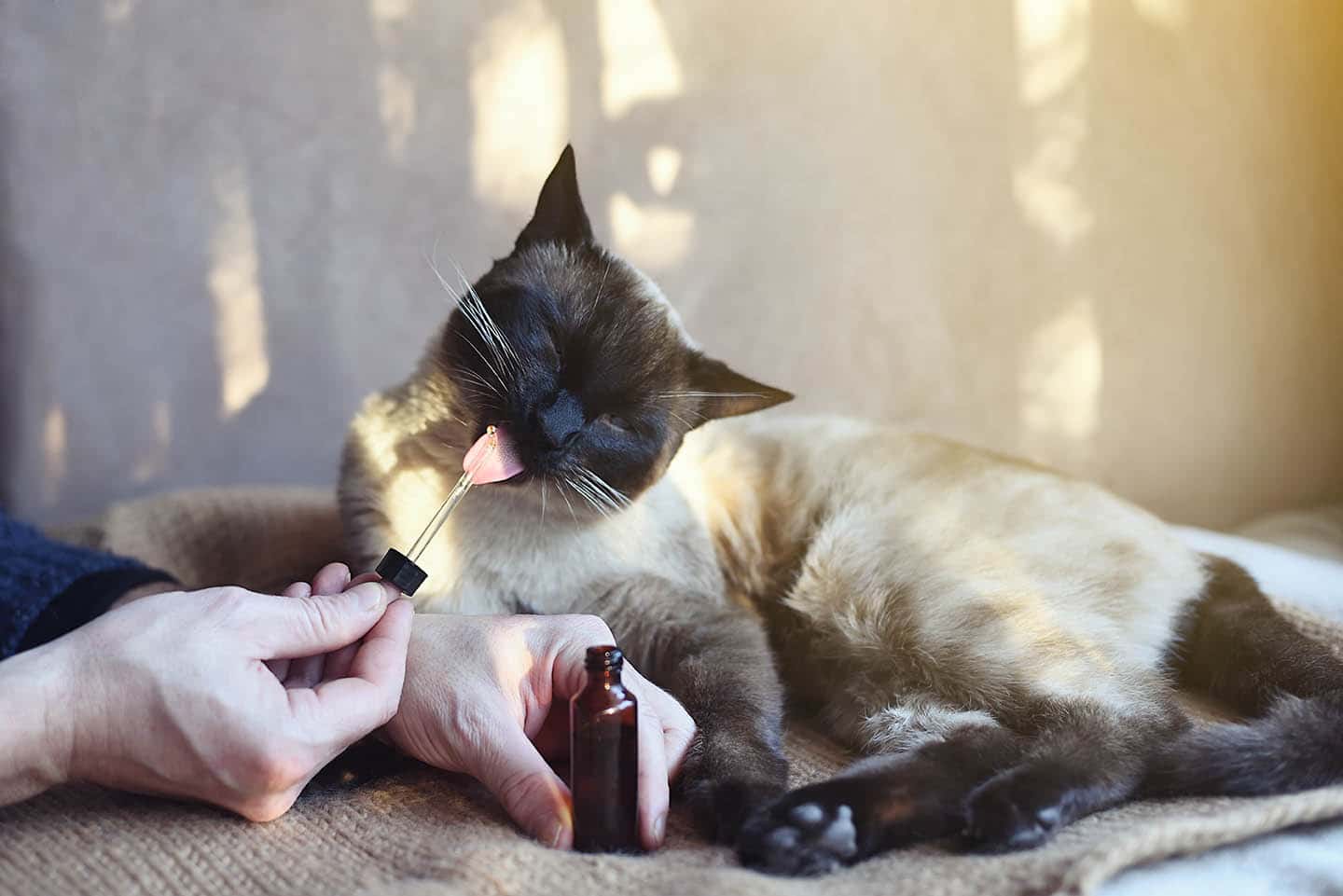
To help your cat manage pain, your vet may recommend several forms of medication or nutritional supplements. However, they may also suggest some nonpharmacologic therapies to supplement the pain management methods.

Some additional therapies your vet may recommend include:
  • Acupuncture
  • Massage
  • Therapeutic laser
  • Physical therapy

Some therapies may reduce pain depending on your cat’s condition. However, you should never sign your cat up for the therapies without first consulting your vet.

If you need to speak with a vet but can't get to one, head over to PangoVet. It's an online service where you can talk to a vet online and get the advice you need for your pet — all at an affordable price!

Preventative wellness PGV mention keep cat healthy Preventative wellness PGV mention keep cat healthy mobile

5. You’ll Need to Adjust Your Home to Suit Your Cat’s Needs

Palliative care involves more than just the treatments you provide for your cat. You should also consider which modifications need to be made to your cat’s environment to ensure their comfort and safety.

By altering your home, you can maximize your cat’s mobility while minimizing their chances of injury. Examples of modifications that you may need to consider include:

  • Adding non-skid floor surfaces, such as with interlocking sponge floor tiles
  • Using elevated food and water dishes to reduce back pain
  • Restricting access to stairs
  • Purchasing extra soft or orthopedic bedding
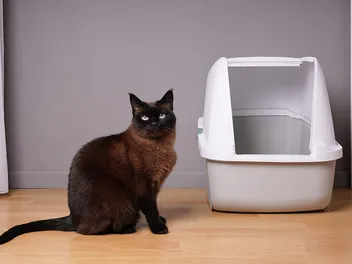
  • Providing a litter box with low walls or no walls at all
  • Using ramps so your cat can safely access higher spots
cat eating on elevated feeding station
Image Credit: Elayne Massaini, Shutterstock

6. Some Common Conditions Can Lead to Palliative Care

Although many acute or chronic conditions can lead to palliative care, there are several conditions that commonly lead to palliative care. Some of these include:

  • Degenerative joint disease: This attacks the connective tissue in your cat’s joints, thus decreasing mobility and making motion more painful.
  • Neurological disease: Conditions such as lumbosacral disease or disc disease can negatively impact the nervous system.
  • Dermatological disease: The secondary effects of dermatological conditions can lead to infections and a decreased quality of life.
  • Visceral disease: Complications of the internal organs can be a challenge to manage and may require advanced treatment.
  • Persistent postoperative pain: Surgery complications can cause pain and other issues, requiring pain management care.
  • Cancer: Cats often require palliative care in the later stages of cancer.

divider 2 cats

Conclusion

Managing your cat’s care while they experience a painful or life-altering condition can be challenging and traumatic. Although getting answers to your pressing questions may reduce your concerns, it can also help you process and deal with your cat’s condition.

As difficult as this can be, never forget that you have a veterinarian in your corner who can help you form the best palliative care plan for your cat.


Featured Image Credit: Motortion Films, Shutterstock

Want content like this delivered to you?

Sign Up For Our Newsletter

News, insights, expert advice, and everything cat

* By submitting, you agree to our Terms & Conditions and Privacy & Cookies Policy.


How useful was this post?

Click on a star to rate (you can leave written feedback after clicking submit)

Help us improve Catster for pet parents!

Your feedback really matters.

What did you like about this post? Also how can we improve it?

Join the conversation

2 Responses

  1. Although my cat was diagnosed with two medical conditions, one terminal, I never felt I had a good grasp of what to expect, whether she was in pain, and what I could do about it, and how to face and manage the end of life. This idea of palliative care sounds really good and helpful in addressing these issues. Although she had good vet care, these concerns were never really dealt with.

    1. Hi Carol.
      We are so sorry to hear you went through such a difficult time managing your beloved cat's terminal illness without the full support and clarity you needed. It is incredibly stressful to face a pet's end-of-life care without a good grasp of pain management and prognosis.
      The idea of dedicated palliative and hospice care has become a much more recognized and valued part of veterinary medicine precisely because of the concerns you described. It focuses intensely on maximizing comfort and maintaining a good quality of life during a terminal diagnosis.
      It's completely understandable that this concept resonates with you. We hope that sharing your experience helps highlight the essential need for quality-of-life discussions in pet care.
      You may find this article helpful as it discusses planning for end-of-life:
      https://www.catster.com/felines-weekly/why-euthanasia-is-a-gift/
      We truly appreciate you sharing your experience.

Leave a Reply

You’re very welcome to leave a comment or question. Please know that all comments must meet our community guidelines, and your email address will NOT be published. Let’s have a positive and constructive conversation.


Talk With A Vet Online

Peace of mind,
anywhere, anytime

Affordable vet advice

Why Chicken Bones Are More Dangerous for Cats Than Most Parents Realize

Chicken bones seem harmless enough, but for cats, they can cause serious damage quickly. Whether your cat swiped a piece off the counter...

Fantastic Pet Pantries and Where to Find Them

Let’s face it: times are really tough right now, and those of us in the 99% are struggling with the cost of just...

Ask Dr. Paola – Help! My Cat Refuses to Drink Water! (April 13, 2026)

Welcome to our “Ask Dr. Paola” series, where every Monday we bring expert advice straight from Dr. Paola Cuevas (MVZ) to help our...

Why Healthy Cats Still Vomit Sometimes (And How to Respond)

A cat that just vomited needs a specific kind of care, and the feeding decisions you make in the next few hours actually...

More related

8 Cat Christmas Photo Ideas for the Purrfect Holiday Photoshoot

The holiday season is all about spreading cheer and showing love and appreciation to family and friends. Sending out Christmas cards can be...

8 Best Unique Cat Beds in 2026 – Reviews & Top Picks

There are all kinds of crazy contraptions around on the web specially made for your kitty counterparts. If you’re sick of the standard...

4-Month-Old Kitten: Things to Expect & Plan For (Vet Reviewed)

At 4 months old, your feline has likely gotten used to being at your home and away from their mother and siblings. You’ve...

100+ Egyptian Cat Names: Ideas for Enlightened & Divine Cats

One quick search of ancient Egypt, and you’ll quickly realize how important cats are to Egyptian history. The ancient Egyptians are said to...

Keep reading

Do Devon Rex Cats Shed a Lot? Vet-Verified Tips to Reduce Cat Hair & FAQ

The Devon Rex cat, with its pixie-like appearance and charming personality, is an increasingly popular breed of feline. While these cats are known for their curly hair, endearing nature, and playful antics, one of the most common questions prospective owners...

woman brushing calico tortoiseshell Devon Rex

Can Cats Eat Pine Needles? Vet-Approved Risks & Alternatives

If you want to celebrate Christmas with a beautiful pine tree in your house, but you also own a cat or two, you know how tricky this can be. Beyond the usual hazards of your cat vs. the Christmas tree,...

Can Cats Eat Pine Needles

8 Types of Cat Food: Vet-Reviewed Nutrition Facts & Advice

Deciding what to feed your cat isn’t as simple as it used to be. The pet food industry is experiencing explosive growth, and new manufacturers are frequently entering the market. If you’re unsure where to begin, you’ve come to the...

top view of a cream maine coon cat eating dry and wet pet food from feeding dish

Can Cats Eat Roses? Vet-Reviewed Safety Facts & Information

Have you ever walked into your rose garden and caught your cat nibbling on rose petals? Or perhaps you’ve found them snacking on your beautiful bouquet in your kitchen, and you’re worried about whether or not roses are safe for...

Can Cats Eat Roses

Will Cats Get Along With Ferrets? How They Can Coexist

If you are a cat parent but want to introduce a ferret into your family, you’re probably wondering if the two will get along. These animals are similar and have complementary temperaments, which is why they can technically get along....

Cats and ferret get along

Why Do Cats Act Weird When Scratching the Base of Their Tail? 10 Vet-Reviewed Reasons

It’s not uncommon for cats to act weird when you scratch the base of their tail. This area is quite sensitive, and cats respond one way or another. Additionally, a tail that sticks straight upright into the air is referred...

young cat breathing heavily

Do Cats Like Eucalyptus Scent? What You Should Know!

Cats have an acute sense of smell that they rely on for communication and gathering information about their surroundings. It’s no secret that cats are biased toward some smells, like their food and the rotisserie chicken that’s about to be...

eucalyptus

How Much Attention Does a Cat Need? Vet-Reviewed Facts

While cats are often perceived as independent pets, they still require daily attention from their owners. Most cats need at least 20-30 minutes of undivided attention a day. However, the amount of attention can vary and depends on several different...

cat sleeping in owner's arms

Love Cats? So Do We! Join the Catster Community

Stay informed with expert pet care insights delivered straight to your inbox! Discover professional guidance on animal behavior, feeding tips, trusted product picks, and much more.


Sign up for the Catster Email Newsletter

Stay informed with expert pet care insights delivered straight to your inbox! Discover professional guidance on animal behavior, feeding tips, trusted product picks, and much more.