My Cat Isn’t Affectionate Anymore: 7 Vet-Reviewed Possible Reasons

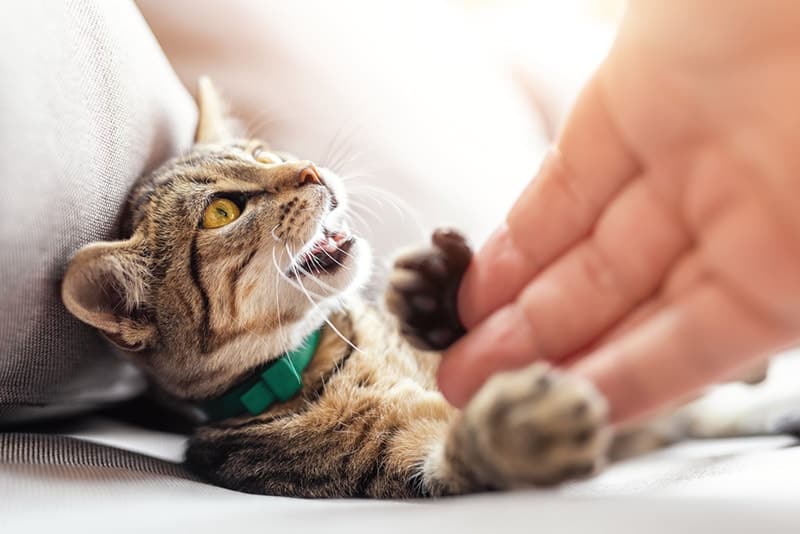
If your cat has suddenly stopped being affectionate, it can be unsettling. However, it likely isn’t because of anything you did. Cats can be sensitive creatures and may react negatively to things that we don’t even realize happened, changing their behaviors due to stress or anxiety. Health issues of all sorts, as well as pain, can also cause changes in behavior, including your cat’s affection levels.
Below, we’ll dive into these reasons and others that may make your cat less affectionate than before.

The 7 Possible Reasons Why Your Cat Isn’t Affectionate Anymore
1. Health Issues

Cats are very good at hiding their illnesses. In the wild, any sign of illness may have led to attacks from predators, so cats evolved to hide their illnesses as much as possible. Still, they may exhibit some subtle behavioral changes, such as no longer being very affectionate.
Pain can lead to a decrease in affection. Pets and cuddling can cause pain for cats with certain health issues, so they may avoid people altogether. All sorts of health issues fall into this category, such as digestive problems, dental issues, and arthritis.
If your cat shows a sudden change in their behavior, we highly recommend making a vet appointment either in person or online.
2. Aging
As cats age, they tend to be less active and playful and spend more time resting. This might result in acting less affectionate. Kittens are exceptionally active and bond very closely with their owners. However, as they age, they naturally don’t need as much attention as they once did. Your kitten may have been very cuddly, but they may not grow up to be very cuddly. This is a normal part of their development and nothing to be worried about.
Often, adult cats prefer quieter, more relaxed environments. Their energy levels may decrease, and they may spend more time lounging around. This isn’t necessarily anything to be worried about, especially if your vet has given them a clean bill of health.
3. Stress or Anxiety
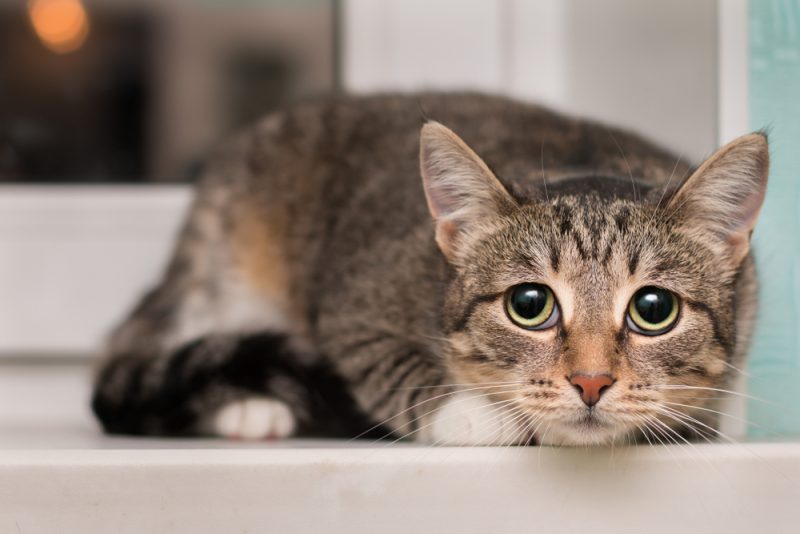
Cats can experience stress due to changes in their environment. If anything causes them stress or anxiety, they may withdraw and hide, which can make them less likely to be affectionate. Big things can disturb your feline and make them stressed. New pets and moving home fall into this category. However, your feline may also be affected by other “smaller” changes, such as loud noises, a change in litter or food, or renovations in your house.
Ensure a calm and stable environment if you can. However, sometimes, stressful events must just be waited out.
4. Traumatic Events
Sometimes, it isn’t a stressful situation that causes a change in behavior. It may be a single event that happened to make a big impact on your feline. If your cat was in your lap and something scared them, they may avoid your lap. It only takes one traumatic event for cats to suddenly be wary of something they’ve been doing for years.
Rebuilding trust takes time and patience. Cats may avoid the scary thing for some time and then suddenly be okay. Some positive reinforcement training may help cats “get over” the traumatic event by filling them with positive feelings. However, it’s important to do this slowly, as you don’t want to stress your cat out even more.
5. Changes in Routine

Cats thrive on routine and familiarity. Disruptions in their daily routine can unsettle your cat, even if it’s something as small as getting home an hour later than normal. Changes in feeding times, sleeping arrangements, and play schedules can all lead to changes in their behaviors.
If your cat is experiencing these changes, you may want to reconsider the changes if possible. If you have to change your cat’s routine, try to do it slowly to prevent as much anxiety as possible. If this isn’t possible, then you’ll often just have to wait until your cat gets used to the new routine.
6. Socialization
Cats must be socialized as kittens to be accepting of people. If a kitten has no contact with humans during their socialization period, which is between 2 and seven 7 of age, they may have trouble being affectionate later in life. It’s important to have contact with your future kitten as early as possible. Otherwise, the kitten may not be properly socialized.
Socializing kittens can take a lot of work, but it is important for the cat to be well-behaved as an adult. Cats that aren’t socialized may also be more prone to fear and stress, which can make them less affectionate over time.
Adult cats tend to get “less” socialized as they get older and more set in their ways. Therefore, don’t assume that your kitten will continue to be accepting and cuddly with everyone as they get older. Adult cats tend to be more fearful.
7. Seasonal Changes

Cats may also shift as the seasons change. The lighting levels can affect the way your cat spends their day. Your cat may prefer to be outdoors if the weather is good, which can be perceived as a lack of affection toward you, for example. However, these changes aren’t often extreme. Instead, you may only notice that your feline sleeps more or is more active, both of which may lead to your cat paying less attention to you or acting less affectionate.

Conclusion
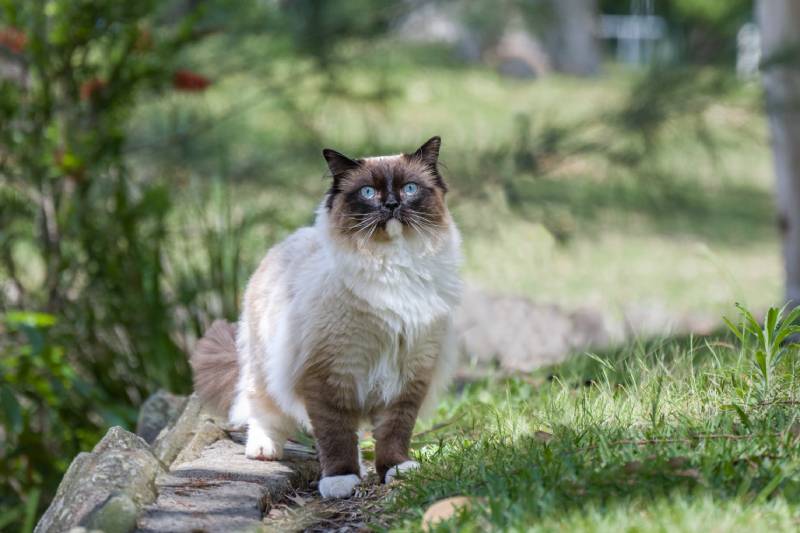
Individual cats vary widely in affection levels depending on factors such as their socialization as kittens or whether they have been neutered. Some breeds are exceptionally affectionate, like Ragdolls. However, others may not be very affectionate at all. Just because your cat belongs to a certain breed doesn’t necessarily mean they will be exceptionally affectionate. Previous experiences, age, and the type of socialization will have a big impact on your cat’s relationship with humans.
If your cat suddenly has a change of personality, you should seek out an appointment with your vet. Many health issues can cause behavioral problems, so these are important to rule out first and foremost.
See Also:
Featured Image Credit: Gorloff-KV, Shutterstock

Expert cat care, straight to your inbox
Vet-reviewed advice, behavior tips, and the best of Catster. Free, and you can unsubscribe anytime.
By signing up, you agree to our Terms & Conditions and Privacy & Cookies Policy.
Kristin is passionate about helping pet parents create a fulfilling life with their pets by informing them on the latest scientific research and helping them choose the best products for their pets. She currently resides in Tennessee with four dogs, three cats, two fish, and a lizard, though she has dreams of owning chickens one-day!
Join the conversation
Ask a question, share your story, or send private feedback.