Fading Kitten Syndrome: Our Vet Explains Symptoms, Causes & Treatments

In this article
Having a litter of kittens is always an exciting time. Whether it is a long-planned litter or just an accident, it is thrilling to see new life born and grow. But sadly, not every kitten born will make it through to adulthood. Watching a young kitten fade away is a tragic thing, but thankfully there are some things we can do to make it less likely to happen.

What Is Fading Kitten Syndrome?
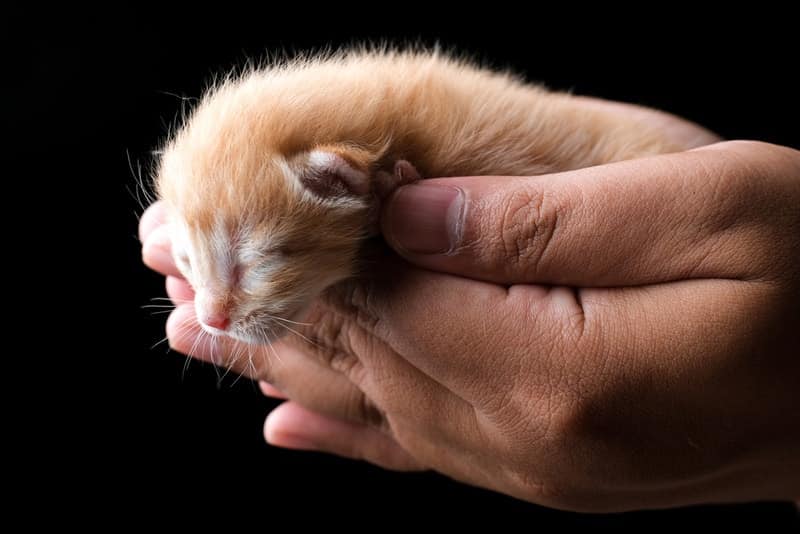
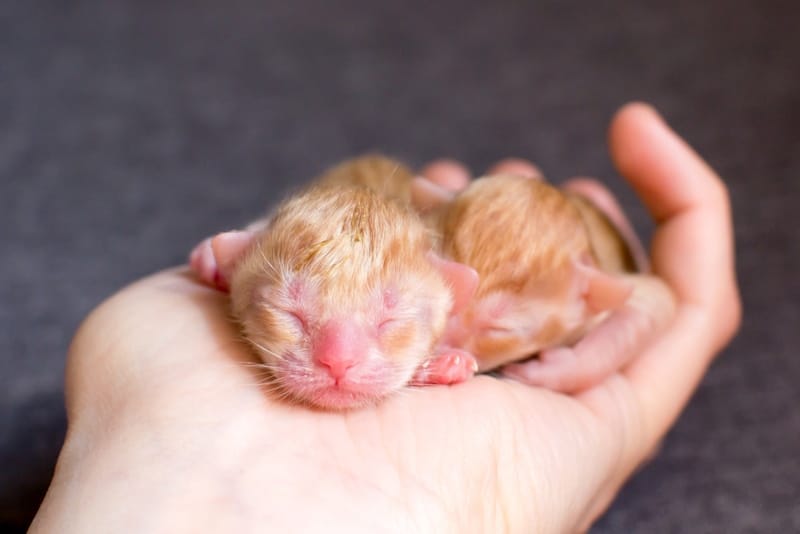
“Fading Kitten Syndrome” describes what happens when kittens slowly become weaker and then pass away, usually in the first few weeks of life. It is not a disease, just a description of what happens, and can be caused by several different things.
What Are the Symptoms of Fading Kitten Syndrome?
Kittens may fade very quickly (over hours) or more slowly, over days or weeks.
In the early stages, you may notice that they are quieter than normal, and not moving around as much; they may spend time away from the other kittens in the litter. Occasionally they will mew more, especially if they are not being fed enough. They may feel cooler to touch than other kittens in the litter, and their skin may not be as elastic due to dehydration.
As time goes on, they will become thinner and weaker. They may not respond as much when you pick them up, or when their mother licks them. They may not suckle from their mother, or take milk from a bottle or syringe.
In the late stages, they will become completely unresponsive and feel cold to touch. They may also develop tremors, or even full seizures, due to their blood sugar levels dropping. If you feel their heartbeat with your finger, it may be slow (less than 200 beats per minute) and weak. Eventually, they will pass away.
If your pet is showing these signs, we suggest you speak to a vet.
What Causes Fading Kitten Syndrome?
There are many different reasons why kittens may pass away in the first few weeks of life. Sometimes, there is more than one problem present, and it can be difficult to work out the exact cause.
1. Neglect by the Mother
The most common reason why kittens pass away in the first few weeks of life is that their mothers are not looking after them properly.
Queens (mother cats) have several things that they need to do in order to keep their kittens healthy, including:
Very sadly, sometimes queens will deliberately leave kittens to die, or even eat them themselves. This normally happens when the queen becomes stressed for some reason. This might be because they are ill themselves, or because they are anxious or scared because of what is going on around them.
2. Birth Defects
Some kittens that pass away at a young age will have been born with health problems. It may only be one kitten in the litter that is affected, or several, depending on the specific problem.
Sometimes these conditions can be obvious from the outside – signs include being small at birth, or having a cleft palate, or a deformed head or chest. Sometimes, however, there are no signs of illness from the outside, and it can only be found by tests run by a veterinarian, or on post-mortem examination (a pet autopsy).
3. Infections
Newborn kittens do not have a fully functioning immune system and are very prone to developing infections. These infections are sometimes contagious, meaning that they can pass between kittens, and several of them may become sick.
4. Viruses
Common viruses such as “cat flu” (Herpesvirus and Calicivirus) can be fatal in very young kittens. Other more serious infections such as Panleukopenia, Feline Leukemia Virus, and Feline Coronavirus may also lead to fading and eventual death. Usually, these viruses are caught either from the queen or from other cats in the house, but humans can also bring virus particles into the home on their clothes.
5. Bacteria
Kittens may get infections from the bacteria that naturally live in the world around them, or from those that are present in their guts. The bacteria often enter their body through their umbilical cord, or via any cuts or grazes that occur as they are being born. Viral infections can also lead to bacterial infections, as the kitten’s immune system is distracted fighting off the virus, allowing the bacteria to enter.
Bacterial infections in young kittens can lead rapidly to sepsis and death, meaning that they often “fade” quickly if this happens.
6. Parasites
It is less common for young kittens to be affected by parasites, but they can catch worms or other parasites such as giardia from their mothers. In adult cats these parasites usually cause relatively mild symptoms, but in young kittens, they can lead to fading and death.
7. Neonatal Isoerythrolysis
This is an unusual condition seen mostly in pedigree cats, where antibodies from the mother start attacking the kitten’s red blood cells. It happens when a mother and kitten have different blood types. Affected kittens will fade and then pass away.
8. Unknown Causes
There are some cases of fading kitten syndrome where it is not possible to determine why they have faded, even if they are examined by a veterinarian or have a post-mortem examination done.
How Can I Treat Fading Kitten Syndrome?
If you suspect that one of your kittens may be fading, you should seek urgent treatment from a veterinarian, as sadly the kitten can get sicker and pass away very quickly.
While you are on the way to the vet, keep the kitten warm. You can do this by placing them on a heat source such as a hot water bottle wrapped in a towel, or by tucking them inside your clothing so they can be warmed by your own body heat.
Sadly, even with intensive treatment, many kittens that begin to fade will still pass away. If you do lose a kitten, and you are concerned that the other kittens in the litter may be affected, speak to your veterinarian about the option of a post-mortem examination. Finding out what has caused one kitten to pass away may help to save the lives of the other kittens.
How Can I Prevent Fading Kitten Syndrome?
Some cases of fading kitten syndrome cannot be prevented, but there are some things that you can do to reduce your kittens’ risk.
Reduce Stress
The most important thing to keep the kittens healthy is to keep the mother happy! Make sure she has a bed for the kittens in a quiet, out-of-the-way part of the house, with food, water, and a litter tray nearby so she can get everything she needs. Avoid any strange humans, dogs, or cats coming into the house as this may cause extra stress.
Provide Heat Sources
Kittens are prone to becoming cold, especially in the first few weeks of life. Their bed should be in a warm room away from any drafts or cold surfaces. It may be helpful to provide them with an extra heat source so they can keep warm more easily when mum is off taking care of herself. You can get purpose-made heat lamps, but a hot water bottle or microwavable pad, wrapped in a towel to make sure the kittens do not burn themselves, can be just as effective.
Monitor Feeding

It is important to make sure the kittens are eating enough food. Hungry kittens will often mew, or move around seeking their mother to suckle. With practice, you may be able to feel when their stomachs are full. You can also weigh the kittens each day on a set of digital kitchen scales – they should gain a little weight each day. If they are not, this could be a sign that they are beginning to fade.
Practice Good Hygiene
A few simple things here can make a big difference.
Vaccinations
The queen can pass on antibodies to her kittens to reduce their risk of becoming sick. If she is up-to-date with her vaccinations before she becomes pregnant, this will help to protect the kittens from the cat flu viruses, Panleukopenia, and Feline Leukemia Virus.
Worming
Certain worms can pass from mother to kittens while she is pregnant, or when she is feeding them. There are pregnancy-safe wormers available, and mother cats should be wormed regularly both during pregnancy and when feeding the kittens. Speak to your veterinarian about which wormers are safe to use.
Blood Typing
If you are breeding deliberately, you can check the mother and father’s blood types before breeding, to make sure they are compatible and remove the risk of neonatal isoerythrolysis.
Conclusion
Fading kitten syndrome can be caused by a variety of things. Some can't be prevented, but most of them can by making sure the mother kitten is healthy and free from stress, and that you are providing everything her and the kittens need. If you have a kitten that you suspect is fading, it's important to get it to the vet as soon as possible.
Related Reads:
Swimmer Syndrome in Cats: Our Vet Explains Causes, Signs & Treatments
Single Kitten Syndrome: What Is It? Vet-Reviewed Facts & Myths
Featured Image Credit: Quangpraha, Pixabay

Expert cat care, straight to your inbox
Vet-reviewed advice, behavior tips, and the best of Catster. Free, and you can unsubscribe anytime.
By signing up, you agree to our Terms & Conditions and Privacy & Cookies Policy.
Dr. Joanna Woodnutt BVM BVS (Veterinarian)
Joanna is an experienced veterinarian working in the UK. She has written about pets and their health for many blogs, pet magazines and pet websites and loves to help readers understand their pets through her writing.
She has started her own freelance company so she can help more pet parents than just the one standing in front of her in a consultation room.
She enjoys teaching and educating clients, so a career in writing, public education and pet health is the perfect combination for her.
Join the conversation
Ask a question, share your story, or send private feedback.