10 Flea and Tick Diseases in Cats: Vet-Verified Facts & FAQ


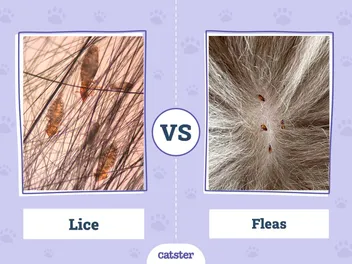
Living with cats means you will, at some point, have to deal with fleas and potentially ticks. Although we often talk about them in the same breath, they are quite different. Fleas are smaller and have six legs while ticks tend to be much bigger and have eight legs.
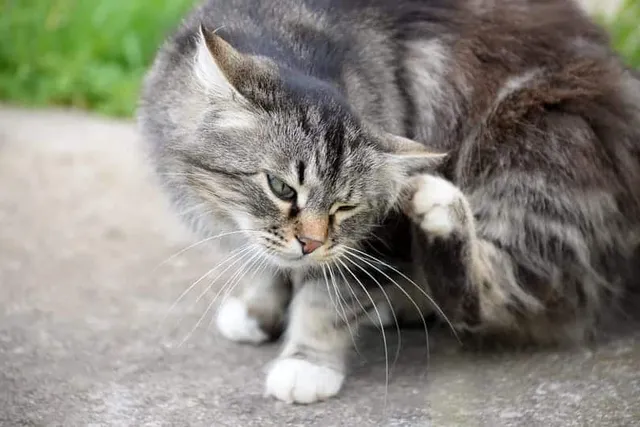
Both, however, can pierce the skin of cats, humans, and other animals, generally to eat blood. They also leave saliva and other secretions behind. The bites of fleas and ticks can cause irritation, which leads to scratching and can cause skin and coat-related conditions. However, several other diseases are also caused by these parasitic insects.
Below, we look at some flea and tick diseases in cats, including what you can do to avoid them and the most likely treatments.

The 10 Flea and Tick Diseases in Cats
1. Flea Allergy
Also called flea-allergic dermatitis, a flea allergy is an allergy to the saliva of the flea. When the flea pierces the skin, it leaves saliva in the wound site. In some cats, this leads to hypersensitivity at the bite site, causing the cat to scratch and bite at the area.
It only takes one or two fleas to cause the reaction, so it can be very difficult to determine if this is the cause with some cats.
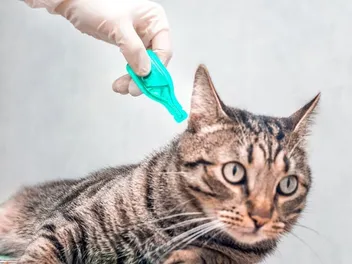
Treatment means preventing flea bites on your cat, typically using flea medication from a vet. Sometimes medication to help with the itching will also be prescribed.

2. Tapeworms
If your cat ingests a flea that is infected with tapeworms this can pass on to the cat during grooming and ingestion of fleas.
Tapeworm infection may be evident by examining your cat’s behind. Proglottids, which are egg packets that look like small grains of rice, are sometimes found in this region, and can even be mobile. Sometimes worms are not seen, and instead diagnosed through fecal testing. Other cats may show signs of itchy butts, such as scooting on the floor, or overgrooming their perineum.
Infested cats can appear normal, while some may suffer weight loss and poor coat health. Treatment involves the administering of an appropriate deworming medication.
3. Bartonella Infection
Cat scratch disease is caused by the bacteria Bartonella henselae. The bacteria are transferred to the cat most often following a flea bite. Cat scratch disease can, in rare cases, be passed on from cats to humans following a scratch or bite, though some anecdotal evidence suggests humans may also contract it directly from infected fleas.
Many cats do not show any signs of cat scratch fever and it does not require any treatment. Rarely, they may develop fever, inappetance, lethargy, and potentially other issues.
In these cases, cats might need antibiotic therapy to help treat the disease.

4. Tularemia
Tularemia is caused by the bacteria Francisella tularensis and may also be known as rabbit fever. Ingesting infected tissue can spread the disease, as can bites of infected ticks or fleas. It is not widespread, but can cause severe illness including fever, lymphadenopathy, and even organ failure.
5. Anemia
Anemia can be caused in very young cats by a large number of fleas. As fleas feed on their blood, their young body may not have enough reserves to replace what is lost, and kittens, in particular, are vulnerable to extreme flea infestations in this manner.
Typical signs of anemia include a loss of appetite, lethargy, and pale skin. Treatment includes appropriate flea medications from a vet. If the anemia is allowed to develop too far, the cat might require a blood transfusion.
6. Cytauxzoonosis
Cytauxzoonosis is a parasitic disease that is passed on to cats by specific ticks. The tick must bite the cat to transmit the disease as it cannot be transmitted by ingesting the insect. The disease was first reported in the 1970s and although rare, it is spreading.
Diagnosis is difficult because signs of the disease are very similar to those of other diseases and include lethargy, a change in appetite, breathing difficulty, and pale gums. Initial signs appear after approximately ten days, and the disease can spread and worsen quickly, potentially proving fatal two or three days after the fever emerges.
If the disease is recognized, the cat will likely be taken to the hospital where it will receive a variety of treatments including blood transfusion, IV fluids, and drugs. Just over half of cats that are identified as having cytauxzoonosis survive, so prompt treatment is essential.
7. Anaplasmosis
Anaplasmosis is another disease caused by the bite of ticks. The Ixodes scapularis tick, which generally lives on deer, has to be attached to the cat for at least 24 hours for the infection to transmit. Lethargy, loss of appetite, and fever are the most common signs associated with this condition, and because these are common to a lot of conditions it makes the diagnosis of anaplasmosis challenging.
Treatment involves the giving of antibiotics and prevention is better than cure.

8. Lyme Disease
It is theoretically possible that a cat can contract Lyme disease after being bitten by an infected tick. The black-legged tick, which commonly lives on deer and is found in the eastern U.S. is the main culprit. However, while cats can theoretically contract Lyme disease, there are no known cases of it occurring outside laboratories.
If a cat does develop Lyme disease and does not get treatment quickly enough, it is thought it can lead to heart, kidney, joint, and neurological problems, similar to other species. However little clinical research exists to prove this hypothesis.
9. Hemotropic Mycoplasma
Fleas can carry microscopic bacteria that infect red cells, and in turn, lead to immune-mediated anemia, as the feline host tries to rid itself of infected cells. The cat can experience fever, lethargy, and other clinical signs once infected, though this can vary depending on the type of mycoplasma that has been acquired. The old name for this parasite was hemobartonella. Veterinary treatment is often required, though some cats may show few to no clinical signs.

10. Skin Infections
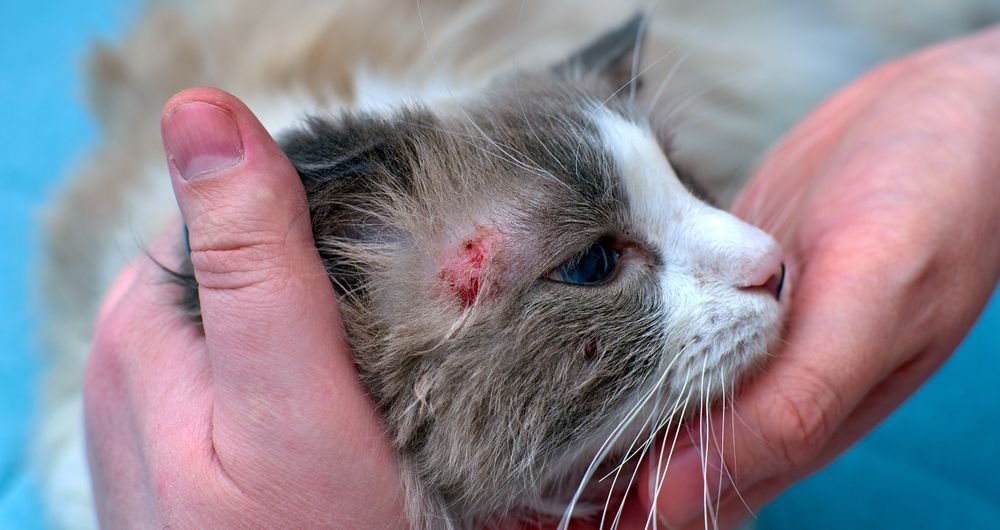
Where cuts and open sores exist, there is a chance of infection. Infections occur when bacteria on the skin surface contaminate the bite wounds. This can happen if a cat is immunosuppressed or otherwise unhealthy, or if a cat is particularly bothered by a skin bite, leading to frequent itching or otherwise damaging the skin.
Ensure the site is cleaned properly and apply any ointment given by your vet. If an infection has taken hold, your cat may be given antibiotics to help overcome it.

Frequently Asked Questions (FAQ)
How Do I Prevent Fleas and Ticks?
Prevention is better than cure when it comes to flea and tick diseases in cats. If you can stop your cat from being infested with fleas, it is much less likely to suffer any of the problems above. Use anti-flea and preventative treatments and shampoos. Try and prevent your cat from coming into contact with wild animals, which may also be vectors of such diseases.
Brush outdoor cats regularly, and keep an eye out for the insects themselves, while brushing.
What Do I Do if My Cat Has Fleas?
If you do spot fleas, speak to your vet who will be able to recommend the best flea products for your cat. They will consider the age and development of the fleas themselves, as well as any conditions or illnesses your cat has that might prevent the use of certain medications.
What Do I Do if My Cat Has Ticks?
Regularly brush your cat and while brushing look for ticks on your cat’s body. If you find one, use a specially designed tick remover according to instructions, to remove the tick. If you are not sure how to do this, bring your cat to your vet, to allow them to do this. Any mouthparts left behind can cause ongoing issues for your cat, so full removal is essential.
Conclusion
Ticks and fleas are a nuisance for owners but can also potentially be quite dangerous for cats. They can cause several diseases and conditions, ranging from irritated skin to anemia. Try to prevent your cat from becoming infected in the first place, but if you do spot signs of these insects, consult a vet to determine the best way to get rid of them and to discuss any potential health problems.
Fast action is important for some of the more serious conditions.
Sources
https://www.petmd.com/cat/conditions/infectious-parasitic/6-types-tick-borne-disease-cats
https://vcahospitals.com/know-your-pet/allergy-flea-allergy-in-cats
https://www.petmd.com/cat/conditions/infectious-parasitic/cat-scratch-fever-cats
https://www.petmd.com/cat/conditions/infectious-parasitic/anaplasmosis-cats
Featured Image Credit: eremeevdv, Shutterstock
Expert cat care, straight to your inbox
News, insights, and useful advice, delivered to you.

No spam — unsubscribe anytime.
By signing up, you agree to our Terms & Conditions and Privacy & Cookies Policy.
How useful was this post?
Click a star to rate. You can leave written feedback afterwards. (We read all feedback.)
Matt is a freelance writer from the UK. He lives with his partner and daughter, as well as one dog and two cats.
A data analyst by trade, Matt moved from numbers to words more than 15 years ago and has been writing content ever since. Having volunteered at a local animal sanctuary, he has a lot of experience with different breeds of cats, dogs and horses. He currently shares his home with his partner and daughter, as well as a rescue dog from Macedonia (which might be an Akita cross) and two cats. Matt has also kept bearded dragons, a variety of birds, fish, guinea pigs, hamsters, mice, and rats. His daughter has adopted the same passion for animals, keeping and breeding snakes.
A geek at heart, Matt is a member of a local board gaming group that meets weekly, and regularly forces his family to “enjoy” board games with him at home.