Can Cats Eat Turkey? Vet-Reviewed Nutrition Facts & FAQ


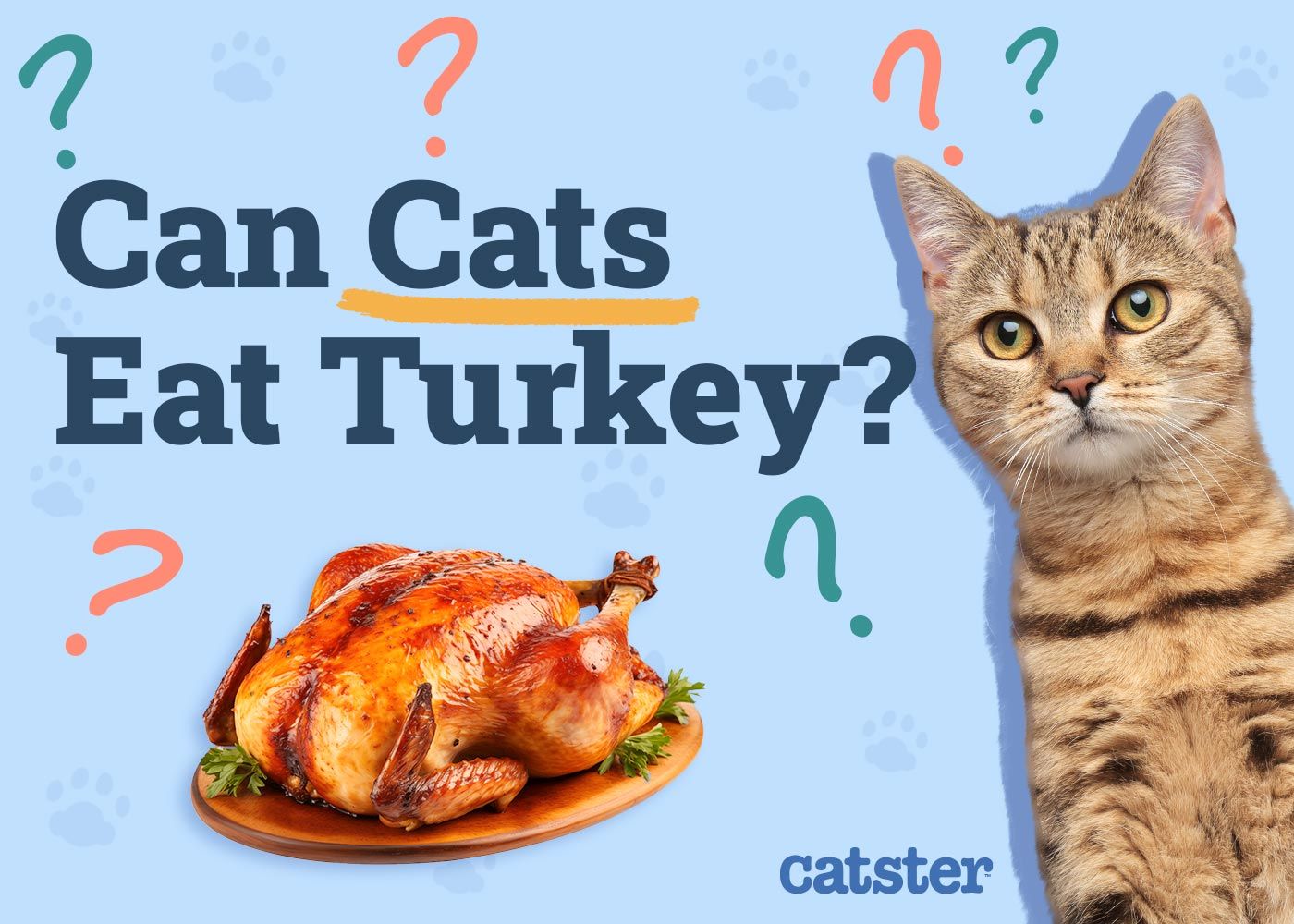
Turkey is often touted as a fantastic low-fat protein source for people. It's tasty and packed with nutrients, including magnesium, potassium, and tons of B vitamins. But is it safe for cats to eat? Turkey is safe for cats to consume, and it's often included in commercial pet foods. There's nothing to worry about if your cat eats a few bites of plain turkey; when properly prepared, it can make a fantastic homemade snack for cats.
However, cats should only be allowed turkey as an occasional treat to prevent weight gain, which can lead to the development of quality-of-life diminishing conditions such as diabetes and heart disease. Also, they should only be given turkey prepared without harmful ingredients such as garlic and onions.

Can I Share My Turkey Dinner With My Cat?
Feeding cats human food, like turkey pot pie or turkey stroganoff, is not a great idea. They almost always contain ingredients that are either unhealthy or toxic to cats. Human food has too much salt, sugar, and dairy products.
Dairy products aren't toxic to cats but can cause gastrointestinal upset, and most cats are lactose intolerant. Human food is high in calories and sugar, which can lead to weight gain. Cats carrying extra pounds live shorter lives than those who maintain healthy weights. And many human dishes feature seasonings such as garlic and onions that are toxic to cats.

What Should I Do if My Cat Eats My Turkey Pot Pie?
If your cat steals a bite or two of a turkey dish, there's probably nothing to worry about. Make sure your cat can't secretly scarf down anymore and survey the damage to determine how much they ate. Determine if there was anything in the dish that could be potentially toxic to your pet.
Look at the ingredient list if you were eating a product that came ready to eat. If you make the meal from scratch, think about all the ingredients. Evaluate each ingredient for its potential to harm your pet. Contact your veterinarian if you discover your pet has eaten a toxic ingredient or if they begin showing signs of illness such as weakness, diarrhea, or vomiting. Due to the potential for serious health problems, it's best to avoid giving cats human food.
What About Deep Fried and Rotisserie Turkeys?
Neither of these options qualifies as feline health foods. When served with the skin, deep-fried turkey contains far too much fat for cats to consume regularly. Rotisserie preparations are relatively high in sodium.
Also, deli meats are usually high in salt and frequently contain preservatives such as sodium nitrates, which aren't great for humans or cats. But your companion will probably be fine if they enjoy a few small bites of deep-fried turkey or deli meat. Just remember to remove the skin before serving cooked turkey to your cat, and never allow your pet to nibble on bones since they can cause obstructions and injure your pet's mouth.
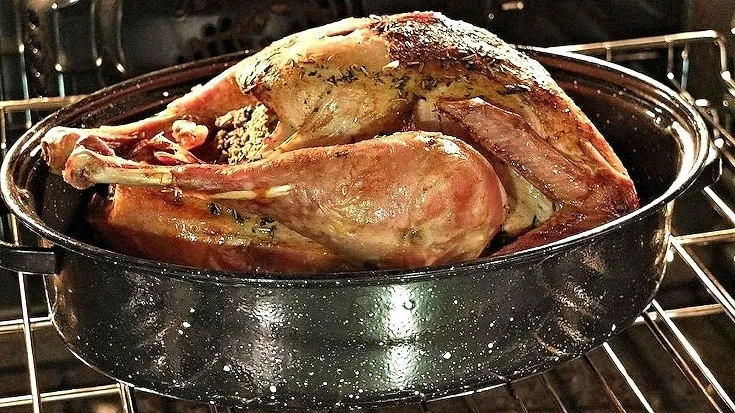
But I Thought Cats Could Eat Turkey!
You're right! They can, but only if it's prepared in a feline-friendly way! Cats can safely have a bit of plain baked turkey if it's free of gravy and other toppings. There are several ways to make tasty (and healthy) turkey treats for your cat.
Baked Turkey
To make a yummy treat for your cat, throw a small portion of turkey in the oven and let it bake until done. You can set the temperature to 325 ºF and cook for about 13 minutes per pound.
Avoid adding seasonings such as salt, sugar, onions, or garlic. Cook until the meat is no longer pink, or better yet, use a thermometer to ensure the turkey has reached an appropriate temperature (165ºF).
It’s best to remove the skin before serving turkey to your cat; it's high in fat, which can cause digestive problems. Debone the meat to prevent injuries, and chop it into feline-friendly serving sizes before allowing your cat to dig in.
Ground Turkey
If you have low-fat ground turkey at home, there are a few easy ways to serve it to your cat. Ground turkey is high in fat, so limit the amount you give your pet. Look for products with the lowest possible fat percentage, usually around 10%.
Make a tiny patty with plain ground turkey without salt, pepper, or other seasonings. Throw the mini-patty into a frying pan and cook until the center is no longer pink. Avoid using butter or oil during cooking to keep the fat content under control. Put the cooked meat on a paper towel to allow the residual fat to drain, and give it to your buddy once it cools off.

- NO MESS - The 360° tray on this cat food and water bowl set has a raised design to catch and contain stray crumbs and drips. Protect your indoors and floors from wet and messy meals!
- WHISKER FRIENDLY - Shallow and wide metal containers with flat bottoms ensure your kitty can enjoy mealtime free from whisker fatigue!
- CHEW-SAFE MATERIALS - Kittens and cats love chewing on silicone and soft rubber - but it's a choking hazard. Our cat feeding station materials are anti-chew for a 100% safe feeding frenzy!
Learning about what your cat can and cannot eat is a crucial part of keeping them happy and healthy! Choosing a bowl to serve cat-friendly foods in is another important decision pet owners face. Satisfy the specific needs of your cat with the innovative design of the Hepper NomNom Cat Bowl. Learn why it’s our (and our cats!) favorite food and water dish here.
At Catster, we’ve admired Hepper for many years and decided to take a controlling ownership interest so that we could benefit from the outstanding designs of this cool cat company!
Conclusion
Turkey is acceptable for cats to eat. It's a tasty, low-calorie, high-protein meat packed with nutrients like potassium, magnesium, and B vitamins. But cats should only eat turkey prepared in feline-friendly ways, and it shouldn’t contain broth, salt, onions, or other seasonings.
Plain-baked turkey is the healthiest option for cats, but it should only be served as an occasional treat. Your cat will benefit more from regularly eating well-balanced cat food that contains all the protein (including turkey), fat, vitamins, and minerals required to live a healthy life.
See also:
Sources
Featured Image Credit: Alexander Prokopenko, Shutterstock
Expert cat care, straight to your inbox
News, insights, and useful advice, delivered to you.

No spam — unsubscribe anytime.
By signing up, you agree to our Terms & Conditions and Privacy & Cookies Policy.
How useful was this post?
Click a star to rate. You can leave written feedback afterwards. (We read all feedback.)
Lorre Luther is a writer who is firmly convinced that cats are smarter than humans. She left her law career in the United States and moved to the Netherlands to follow her dream of becoming a writer. Lorre currently lives in Rotterdam, she enjoys traveling and greatly appreciates the beauty of nature. Lorre has a spot for animals and admires the intelligence of cats.