Birman Cat vs Himalayan Cat: Notable Differences (With Pictures)


In this article
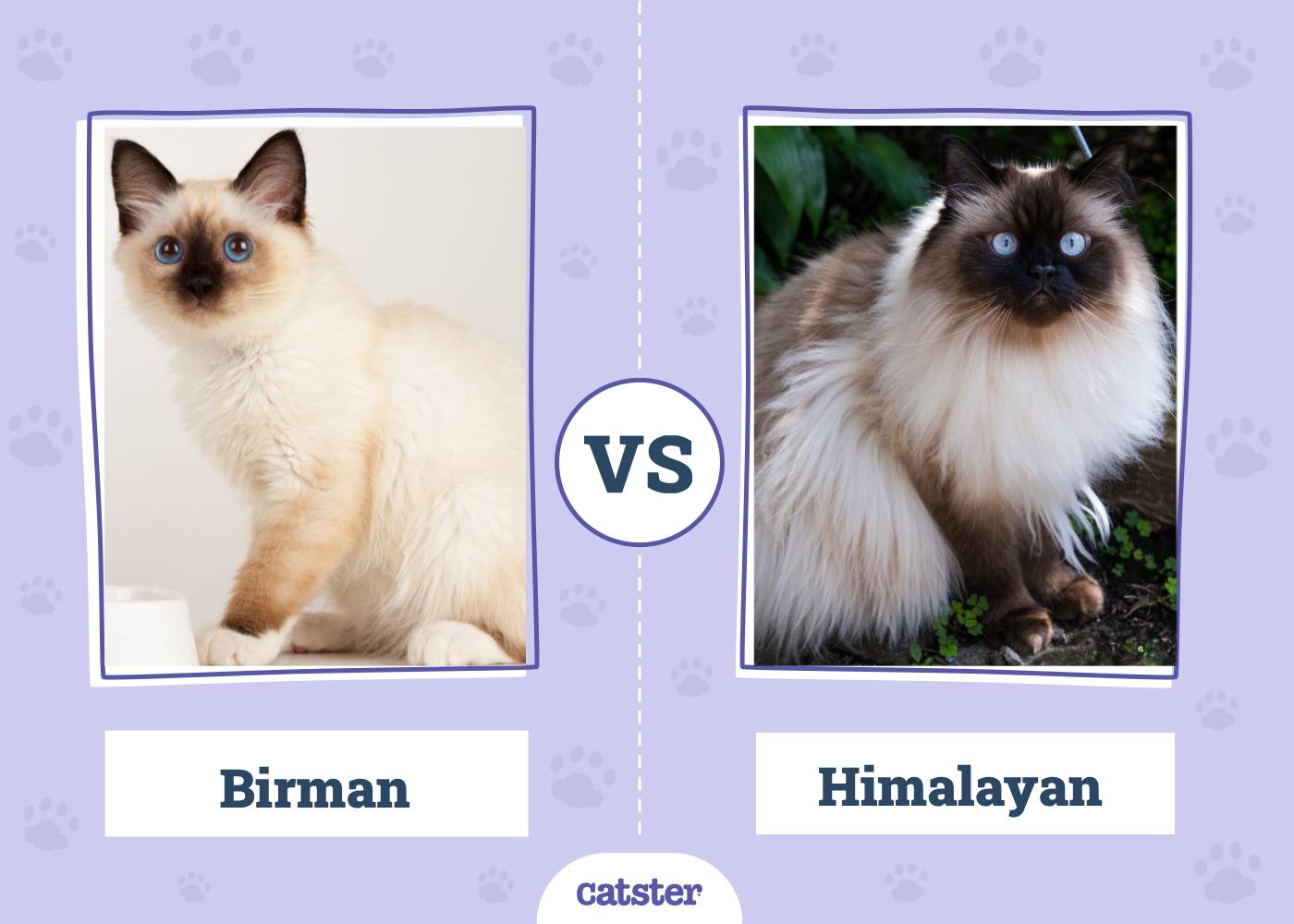
The Birman cat and the Himalayan cat are both beautiful breeds that, at first glance, look quite similar. Both of these cats have long, beautiful coats and stunning blue eyes.
While the Himalayan comes with a lengthy history, not as much is known about the origins of the Birman, though there are many speculations about their origins. They are said to originate from Burma, now known as Myanmar, making their way to France in the early 1900s.
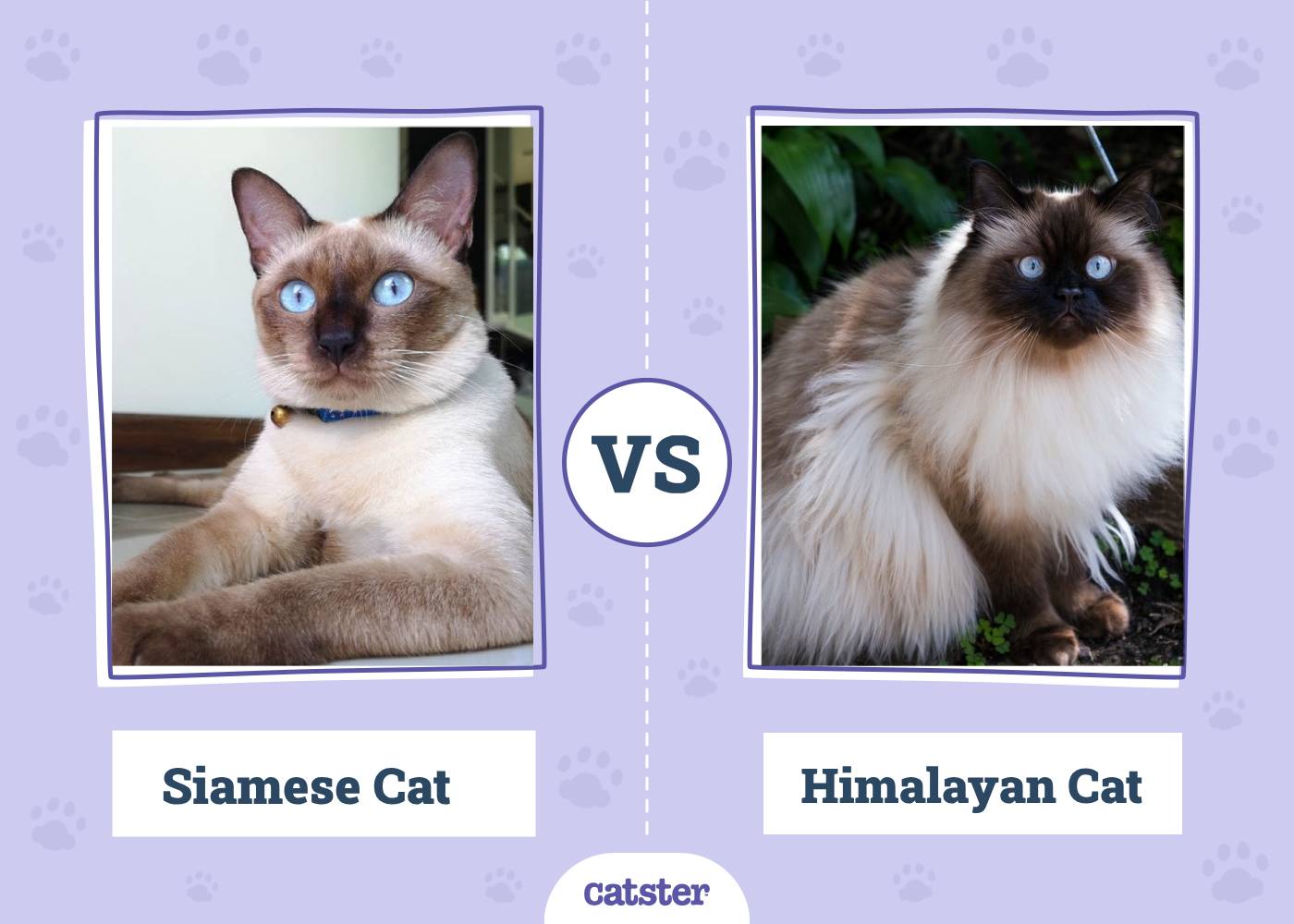
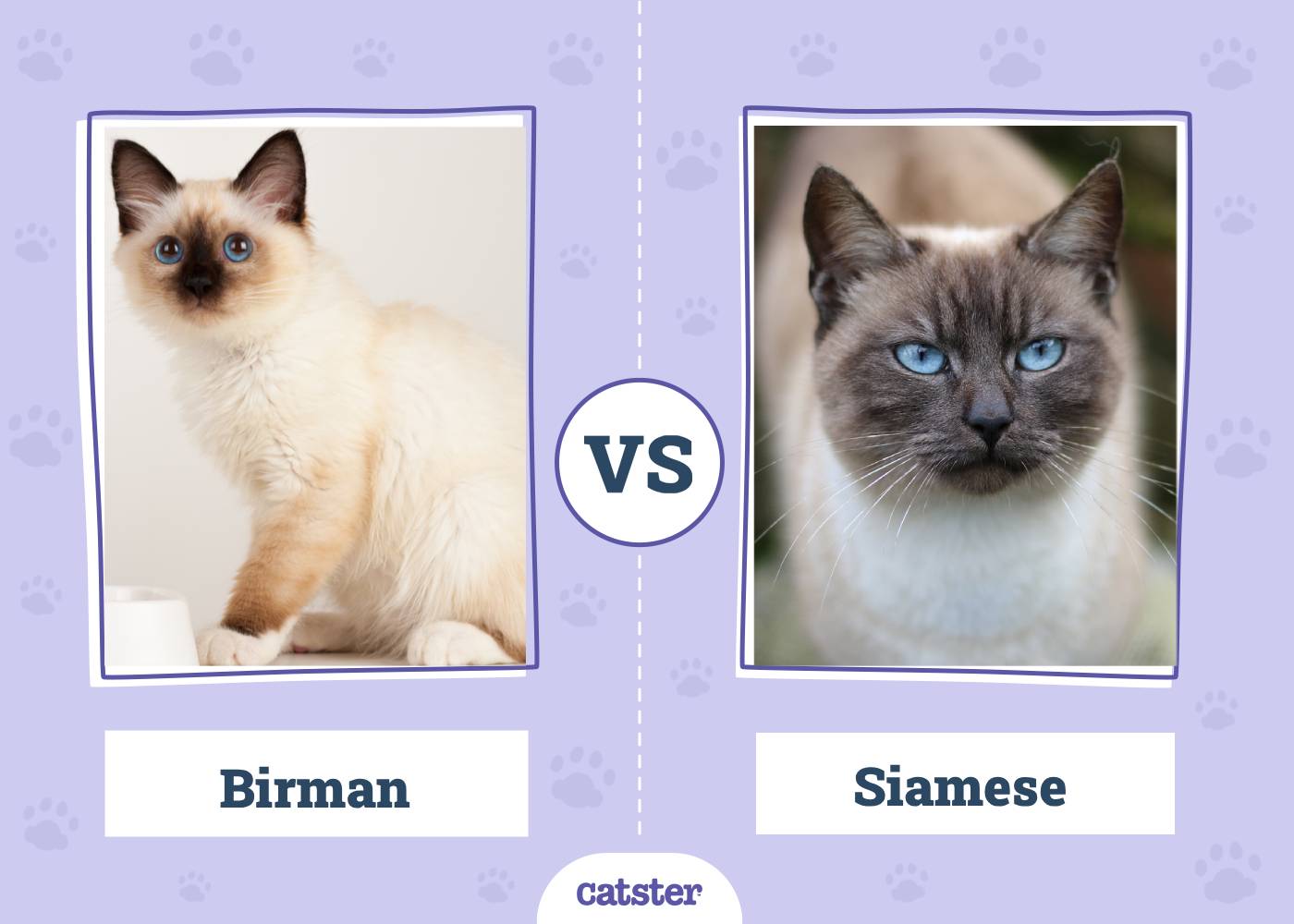
The Himalayan is placed in the Persian category in terms of breed recognition with some national cat registries. It is believed that both breeds share a genetic history with the Siamese. Here we will go over all the similarities and differences between the two cat breeds to help you determine which is more suitable for you.

Visual Differences

At a Glance
Birman Overview

History
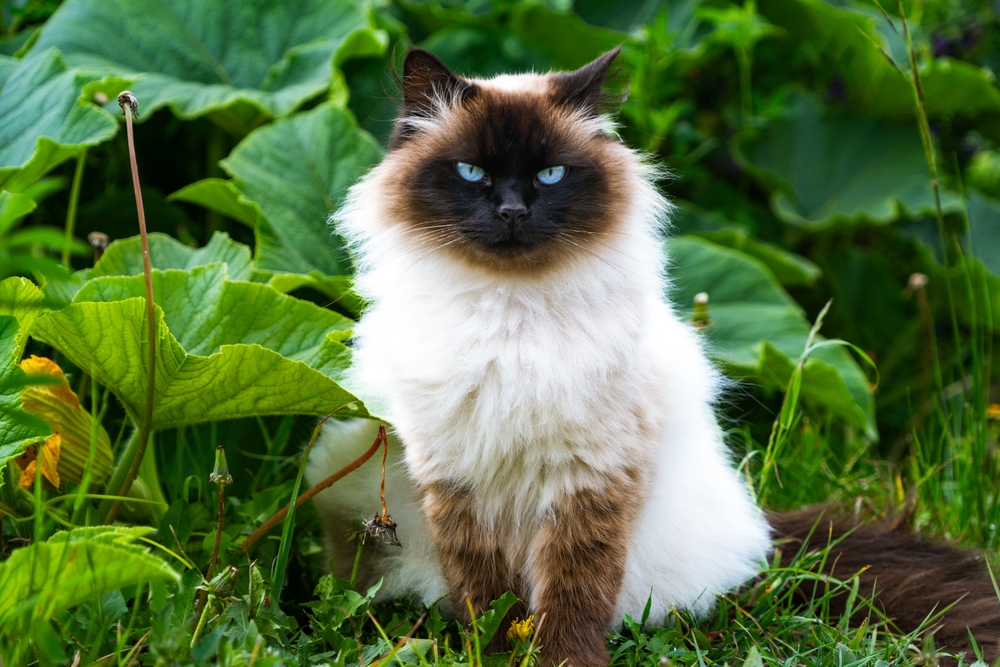
The Birman is also called the “Sacred Cat of Burma,” but there is no clear record of the Birman breed’s origin. It has been claimed that this breed originated as the companions of temple priests in Northern Burma on the Mount of Lugh, though these accounts are considered legend rather than documented history. There are many stories of how this cat made its way into France, where it was first recognized by the Cat Club de France in 1925.
It wasn’t until 1966 that it was recognized in England by the Governing Council of the Cat Fancy, or GCCF, and then the following year by the United States into the Cat Fanciers’ Association (CFA) in 1967. The Birman is also recognized by the Canadian Cat Association (CCA) and the International Cat Association, or TICA as of 1979
Appearance
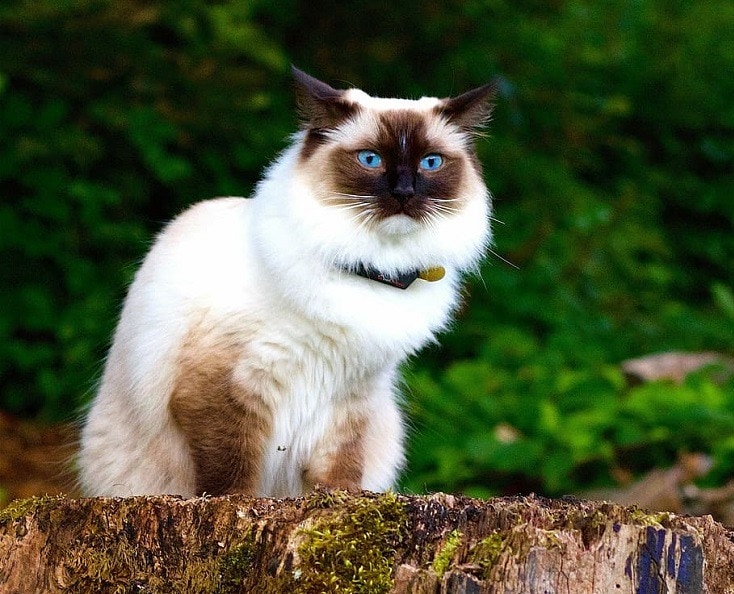
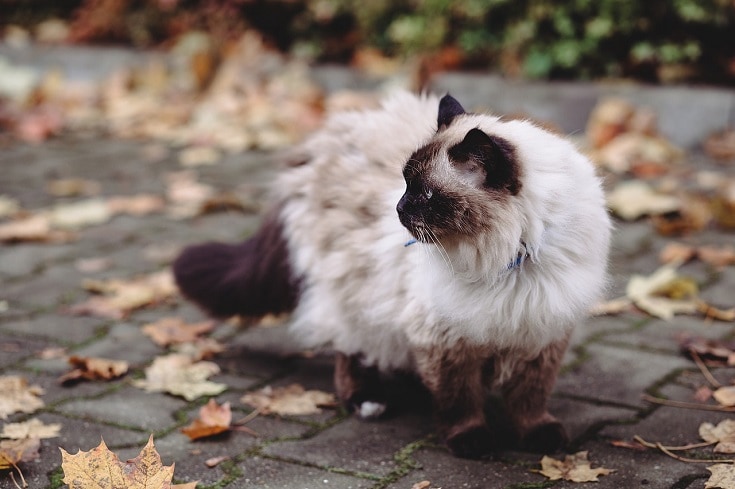
Birman cats have medium to long-length fur that is soft, silky, and does not mat as easily as some other long-haired cats due to the lack of a dense undercoat. They typically stand around 9 to 11 inches in height and weigh anywhere between 6 and 12 pounds, with males being the larger of the two. They come in colorpoint patterns with distinctive white “gloves” on all four feet. They have moderately built bodies with medium-length legs. This breed has stunning blue eyes, and the white feet are a defining breed standard.

Color Varieties:
- Seal
- Blue
- Lilac
- Chocolate
- Red
- Cream
- Tortoiseshell
Personality
The Birman cat is known for being gentle, friendly, and affectionate. They are typically very easygoing and do well in most households, especially if they are properly socialized. They are not a very active breed, but that doesn’t mean they aren’t playful, especially when they are young, but they remain playful throughout life. This breed is very even-tempered and loves nothing more than lap snuggles with their favorite people.

Health
Birman cats are a healthy and hearty breed. They are not considered brachycephalic like Persians and Himalayans, so they do not have the associated health conditions that brachycephalic breeds tend to suffer from. Birman cats are not widely known for breed-specific health conditions, though rare inherited conditions such as hypertrophic cardiomyopathy have been reported. Still, they can be susceptible to conditions commonly observed in domesticated cats, such as kidney disease, eye conditions, and dental disease. Overall, the Birman is a healthy, long-lived breed with regular check-ups and preventative care.
Grooming
Birman cats have long, silky hair but do not have high-maintenance grooming needs like other long-haired breeds. It is recommended to brush a Birman cat one to two times per week to keep their hair in the best condition.
Make sure you provide a proper scratching post for claw maintenance and trim their nails as needed. It is important to check their ears regularly to ensure they are clear of any dirt or debris.

Suitable For:
Birman cats can make lovely family pets and are well-suited for most households, provided they are kept indoors. These cats are affectionate, friendly, gentle, and have a curious nature. They love to be kept company by their beloved family members and typically gravitate toward one individual. Birman cats can do great with young children, provided they are supervised around little ones who are taught how to gently handle a cat.
Himalayan Overview

History
It is most commonly said that the Himalayan breed began at Harvard University in the 1930s. Researcher, Clyde Keeler, along with the help of Virginia Cobb, conducted a study by combining Persian cat traits with those of the Siamese. Clyde Keeler’s research was picked up again in the 1950s when people were looking for long-haired cats that had the striking blue eyes and colorpoint markings of Siamese cats.
The Cat Fanciers’ Association considers the Himalayan a colorpoint variation of the Persian cat breed rather than a separate breed altogether. The name “Himalayan” was given to this breed due to the coloration of the Himalayan rabbit and other animals in that region.
Appearance
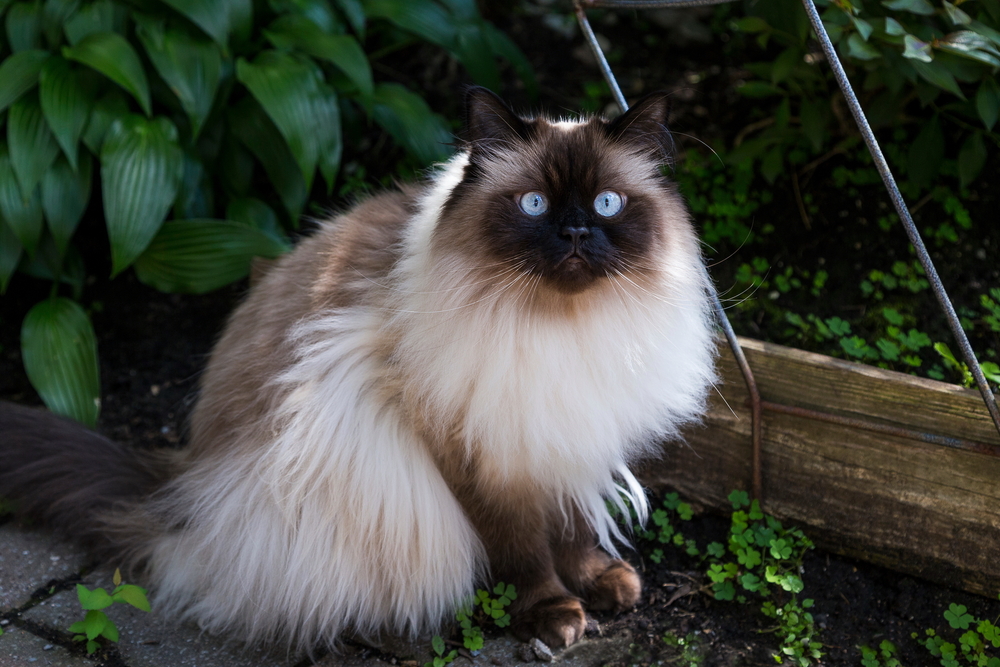
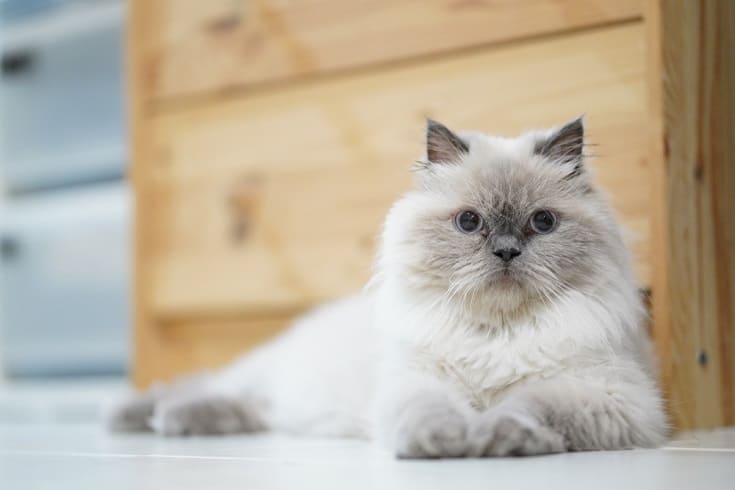
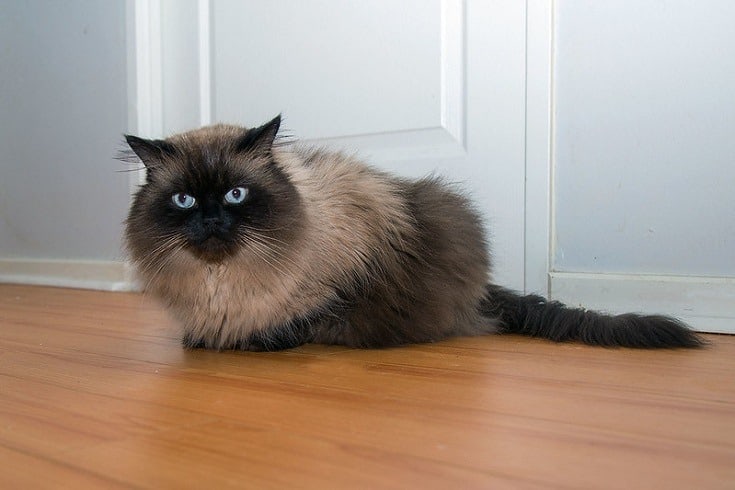
Himalayans are beautiful cats that reach between 10 and 12 inches in height and typically weigh somewhere between 7 and 12 pounds, with males typically being larger. They are heavily boned with shorter tails and small ears. Their heads are round with large, vibrant, blue eyes. They have flat faces in some individuals, and their bodies are short and thick with thick legs and a shorter, thicker neck. Himalayans come in two facial types: Peke-face (extreme brachycephalic) and Doll-face (moderate facial structure). Himalayans have long, silky fur, and white coloration can vary; their overall color resembles the Siamese.

Color Varieties:
- Chocolate
- Seal
- Lilac
- Flame
- Cream
Personality
Himalayans are an intelligent and devoted cat breed. They will love lounging on their beloved owner’s lap for long periods. They can be quite playful, but overall, they are snuggly little couch potatoes. These cats can be needy of attention and will want to stay close to their owners, soaking up all the love they can get and giving it back in return. Some individuals may be more prone to attach to one person in the household and may be more aloof to others. They are only suited for indoor living and thrive in the company of their family.
Himalayans can get along fine with dogs, other cats, and other pets in the household, but display some jealous tendencies, and some individuals may not enjoy sharing their time with you with other pets. Overall, they do great with families with children as long as they are introduced early and properly handled.
Health
Himalayans are considered a brachycephalic breed, particularly the Peke-face variety, and because of this, they are prone to breathing difficulties, dental malocclusions, and certain eye conditions such as excessive tearing and corneal exposure. They are also genetically predisposed to polycystic kidney disease, or PKD.
Since Himalayans aren’t the most active breed, they can be prone to obesity if they are not fed a proper diet that is designed to fit their age and activity level. Before purchasing a Himalayan, it is important to locate a reputable breeder who has the proper health testing completed and provides health guarantees to ensure they are producing the healthiest, highest standards for the breed.
Grooming
Himalayans are long-haired with a thick double coat that can mat easily. It is a good idea to keep a Himalayan brushed daily. This will not only help you spend time bonding with your cat, but it will help control excess shedding, potential hairballs, and keep their coat free from mats. They can be bathed semi-frequently to help keep control of oils.
Make sure to check their ears regularly to ensure there are no signs of infection or debris that need to be cleaned. Providing a scratching post will help keep their claws properly trimmed. You can opt for the occasional nail trimming, but it’s best to get them accustomed to this during kittenhood.

Suitable For:
Himalayan cats are suitable for families or individuals who are looking for an affectionate, loving, and devoted feline companion. These cats can adapt well to other pets as long as proper introductions take place. They may display attention-seeking or possessive behaviors, as they do seek out the attention of their beloved owners.
Key Differences Between the Birman and Himalayan
The Birman and Himalayan differ slightly in both appearance and temperament. Both breeds have soft, pointed coats and beautiful blue eyes, and it can be difficult to distinguish the two if you aren’t as savvy on purebred cats.
Appearance
The Birman has a more traditional face, while the Himalayan has either a moderate (Doll-face) or flat (Peke-face) Persian-type face. The Himalayan’s coat is longer than the Birman’s and denser, so it tends to mat and tangle more easily. The Birman cat’s coat is medium to long and silky, and is less high-maintenance in terms of grooming.
Size
Himalayans get slightly larger than the Birman, but in both breeds, males are larger than females.
Health
Since Himalayans are brachycephalic, especially the Peke-face variety, they tend to have more issues with breathing, dental malocclusions, and eye problems. They are also prone to the common genetic health conditions of the Persian breed, such as PKD. Overall, Birmans do not have widely recognized breed-specific health conditions to note and are an overall healthy breed that can suffer from typical health conditions found in most domesticated cats.
Personality
Birman and Himalayans are similar in personality. Birmans tend to be a bit more social than Himalayans and are more likely to take to the entire family rather than one person in the home. Himalayans tend to be less outgoing, but both breeds are well known for being calm, affectionate, and devoted companions.
Which Breed Is Right For You?

Both the Himalayan and the Birman cats are stunning cats with long, pointed coats and vibrant blue eyes. While they are relatively similar in overall looks and personality traits, there are some key differences to consider. Himalayans are prone to more genetic health conditions compared to the Birman, and they tend to be a little more reserved and take to one person, while the Birman is more social and outgoing with the family.
Choosing which breed is right for you is going to come down to your personal preference and how you would like your new cat to fit into your household. Make sure to do your research when locating a breeder. You will want to find someone reputable who completes the necessary health testing and is committed to the wellbeing of their breed.
Cats are a wonderful, lifelong commitment that should be taken very seriously. Regardless of whether you choose the Birman or the Himalayan, you are on your way to a lifetime of love and snuggles.
See also:
Featured Image Credit: Left - Patrik Slezak, Shutterstock | Right - Anne Richard, Shutterstock

Expert cat care, straight to your inbox
Vet-reviewed advice, behavior tips, and the best of Catster. Free, and you can unsubscribe anytime.
By signing up, you agree to our Terms & Conditions and Privacy & Cookies Policy.
Lindsey and her husband enjoy traveling the US with their kids and photographing wildlife. Her passion is to educate others on the importance of proper animal care, with an emphasis on reptiles and exotics since their care requirements can be much more complex. She is also a huge advocate for bully breeds. She feels most at home in the forest either on horseback or in hiking boots.
Join the conversation
Ask a question, share your story, or send private feedback.