Are Siberian Cats Hypoallergenic? Breed Facts & Allergy Tips


In this article
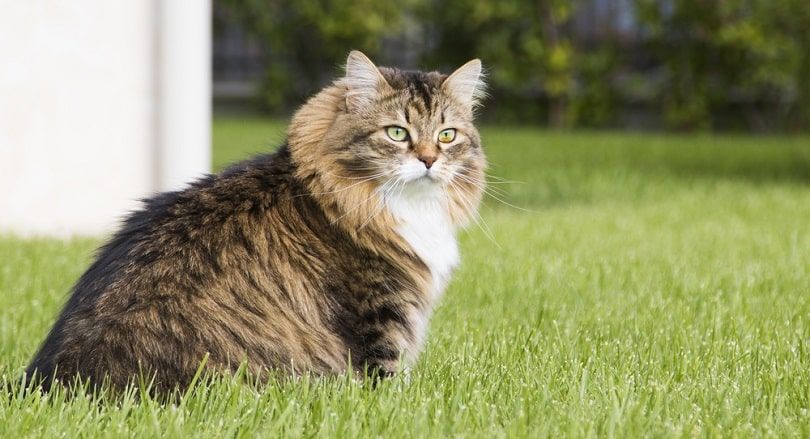
The Siberian cat, also known as the Siberian Forest Cat, is considered Russia’s national cat. This ancient, natural breed is known for its thick, triple-layered coat that becomes even denser in cold weather.
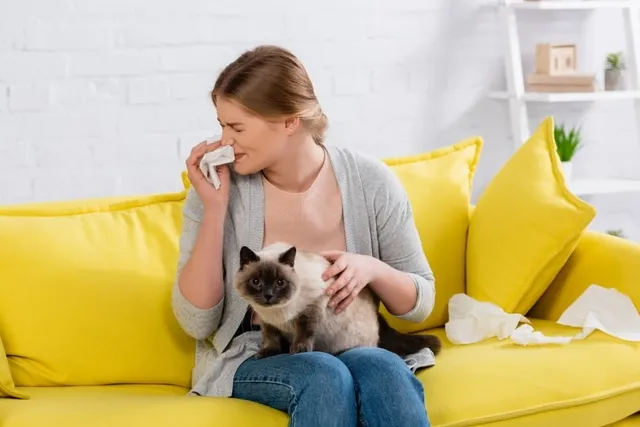
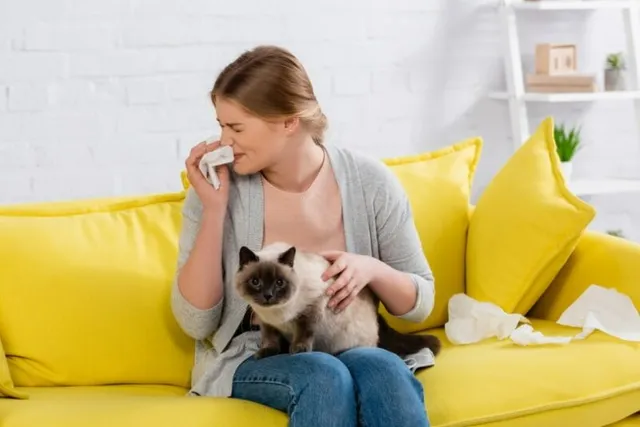
Because Siberians are often described as “hypoallergenic,” many allergy sufferers wonder whether they might be a safer choice. However, no cat breed is truly allergy-free, and there is currently no strong scientific evidence proving that Siberian cats consistently produce lower levels of Fel d 1, the primary protein responsible for cat allergies. Individual reactions vary, but no breed can be guaranteed to cause.1

Siberian Cats' Physical Attributes
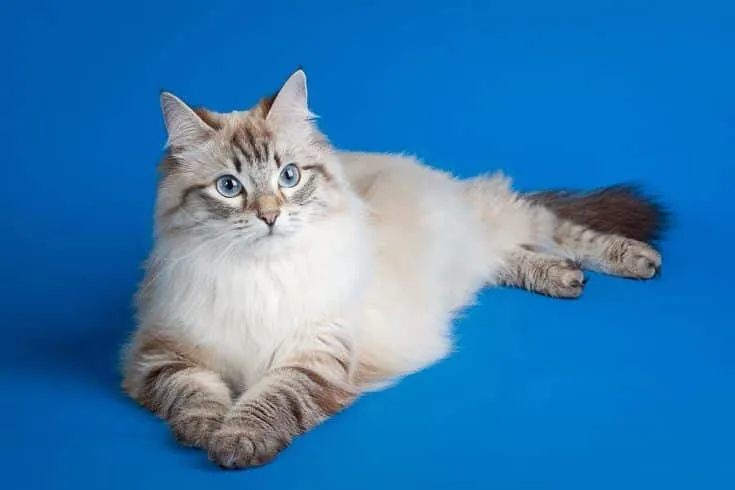
In terms of size, Siberian cats are medium to large cats. They are well-muscled and athletic. Their eyes can be blue, gold, or green, and some have differently colored eyes. Their legs are medium length, with the hind legs slightly longer than the front legs.
They have a triple coat that is water-resistant, and baths are rarely needed. The coat thickens before cold weather arrives and varies in texture from soft to coarse. They shed their coat seasonally, and grooming frequency might need to increase during these times.
Siberian cats come in almost all colors and patterns. As with all cat breeds, the males are slightly bigger than the females.

What Causes Cat Allergies?
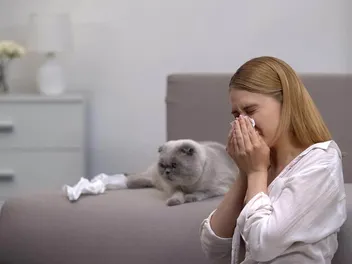
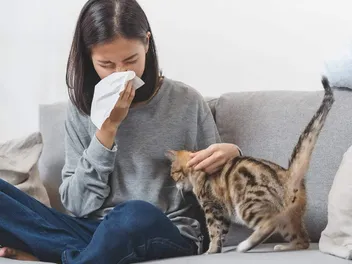
Is a member of your family experiencing allergies around your Siberian? Cat allergies are not caused by fur itself, but by proteins that cats naturally produce. The main allergen is Fel d 1, a small protein primarily produced in the salivary and sebaceous (skin) glands.
When a cat grooms, saliva containing Fel d 1 spreads onto the coat. As the saliva dries, the allergen becomes attached to fur and microscopic skin flakes (dander), which can then become airborne and easily inhaled. This is why people may experience symptoms even without directly touching the cat, because allergens are carried on dander and hair, and they can accumulate in carpets, furniture, bedding, and clothing.
How to Know If You Are Allergic to a Siberian Cat
1. Visit Your Doctor
Before getting the Siberian in your home, you should visit your doctor or allergist and speak to them about the severity of your allergies and your management options. Doing this early helps you determine what is specifically causing the allergic reaction.
2. Spend Time With the Cat
Some breeders allow you to hang around with the Siberian cat for a couple of hours before you fully commit to taking them home. This process lets you know if the cat is healthy, if they trigger the hypersensitivity, and whether the cat is a good fit.
Tips to Reduce Allergies
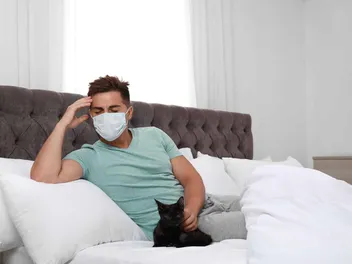
There are several methods that you can also incorporate into your routine to reduce the occurrence of allergic reactions. Remember to wear a disposable face mask or get a non-allergic person to do this for you.
1. Regular Grooming
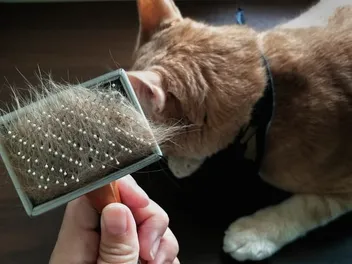
Siberian cats shed twice a year. During the other periods, they may have loose hairs, which eventually shed on your floor or carpet. Ensure you brush your cat frequently to keep the loose strands to a minimum.

- Only Natural Pet Shampoo - Our vegan, plant-based formulation is made with safe and natural pH-balanced ingredients to moisturize and soothe skin, leaving a fresh, soft and glossy coat to turn heads
- No Soap - A cat and dog wash free from soaps, glutens, dyes, DEA, sulfates and phthalates means it's a hypoallergenic dog shampoo for itchy skin / cat shampoo for itchy skin made with only good stuff
- Colloidal Oatmeal - Formula soothes and nourishes dry, irritated skin, providing itchy skin relief for dogs and cats alike. Trust us - they'll thank you with lots of licks!
Although there is no such thing as a completely hypoallergenic pet, regular bathing can help reduce the amount of dander allergens in their fur and the air. We recommend Hepper's Oatmeal Pet Shampoo for this task. Click here to order yours today
At Catster, we’ve admired Hepper for many years and decided to take a controlling ownership interest so that we could benefit from the outstanding designs of this cool cat company!
2. Regular Housecleaning
A thorough vacuum and sweeping session will reduce fur and dander in your home. It also clears up the air in your home, so there are no floating fur hairs. It's best to invest in a good vacuum cleaner with a HEPA filter designed for pet hair.

3. Limit Interaction Between Pet and Affected Individuals
If you can, reduce the interaction or cuddles between your Siberian cat and the person experiencing the allergies.
4. Proper Handwashing
Immediately after handling or cuddling your cat. If you are hypersensitive to the fur or saliva, scrub up periodically during the day to prevent allergens from coming into contact with your nose or eyes.

5. Have a Pet-Free Room
Ensure your Siberian doesn’t enter certain parts of the house, especially your bedroom. That way you can have a good rest without worrying about cat hair or dander.
6. Proper Research
There are so many breeds of cats worldwide. Each new day, breeders develop improved varieties that have become popular with families. Before getting a cat, find out if you or anyone in the family is allergic. You can also consult breeders or vets to find the best pets to keep for allergy sufferers.
Siberian Cats as Pets

These breeds of cats are very favorable for children. They are calm and easygoing and enjoy the company of their owners, dogs, and other animals. Siberian cats are very affectionate and playful. As low-allergy cats, they are easier to manage than other varieties and are ideal for families.
Summary
Siberian cats are affectionate, intelligent, and adaptable companions. However, they are not truly hypoallergenic. Although some individuals may trigger milder allergic reactions, all Siberians still produce the Fel d 1 protein that causes most cat allergies.
If you or a family member has allergies, it’s important to consult your doctor before adopting and to spend time with the specific cat whenever possible. With proper research and environmental management, some allergy sufferers may successfully live with a Siberian, but results vary from person to person.
Featured Image Credit: Massimo Cattaneo, Shutterstock
Expert cat care, straight to your inbox
News, insights, and useful advice, delivered to you.

No spam — unsubscribe anytime.
By signing up, you agree to our Terms & Conditions and Privacy & Cookies Policy.
How useful was this post?
Click a star to rate. You can leave written feedback afterwards. (We read all feedback.)
Christian started writing for a local newspaper as a teenager, and he's been involved in the publishing industry for most of his adult life. Combining his love of writing with a passion for animals, he is currently the Director of Editorial at Pangolia and the Editor-in-Chief at Catster.
Christian lives in the Philippines with his wife, son, and four rescue cats: Trixie, Chloe, Sparky, and Chopper.