Are Cats Cleaner Than Dogs? The Surprising Details
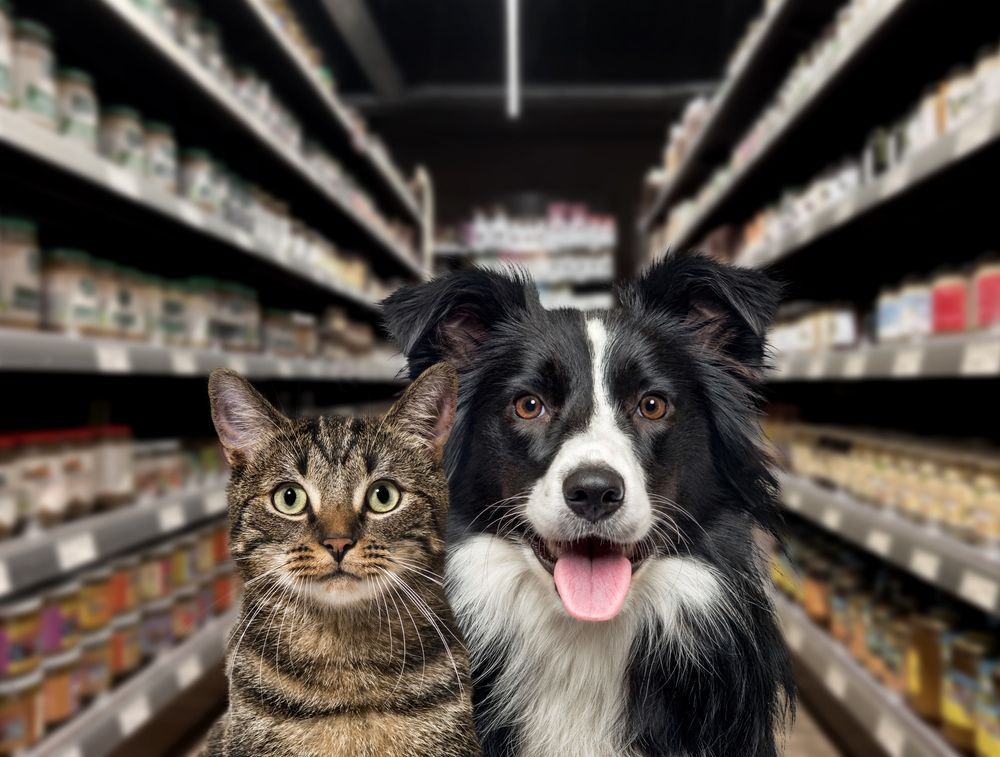
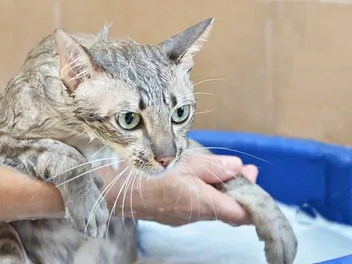
Cats are constantly grooming themselves; it’s as if it’s a favorite pastime for felines. Also, cats do not need bathing as often as dogs because house cats tend to stay indoors. In contrast, dogs constantly get into mischief when they go outside, such as rolling in something stinky or playing in a mud puddle (playing in a mud puddle would be beneath a cat!). So, are cats cleaner than dogs? Since cats have entirely different grooming habits, cats have the edge in terms of cleanliness.
In this post, we’ll dive deeper into a cat’s grooming habits and discuss why cats have the edge when it comes to cleanliness.

The 5 Ways the Cats Cleaner Than Dogs
We know that cats are extensive groomers, but dogs groom themselves too; however, dogs typically do not spend near the time cats do grooming. Dogs and cats also have different bathroom habits, and cat fur tends not to smell like dog fur. With all these differences, let’s explore even further.
1. Grooming

As we know, cats spend countless hours grooming themselves. In fact, according to the Cornell University College of Veterinary Medicine, cats spend roughly 30% to 50% of their daily time grooming themselves.1 In contrast, dogs do not really “groom” themselves, per se. Sure, dogs may lick themselves, but it’s generally not for the same reasons. When dogs lick themselves, it could be due to an itch, or maybe they have some type of skin allergy.
Dogs may lick their paws to remove dirt, and they typically clean their genital areas, but that’s about it in terms of grooming. In short, when a dog stinks or gets dirty, they rely on their humans for their hygienic needs.
A cat’s tongue is also much different from a dog’s. A cat’s tongue is equipped with hundreds of barbed-like papillae that feel like sandpaper. These white, keratin protein spines aid in lifting dirt, debris, dry skin, and loose hair from the fur, whereas a dog does not have this natural ability. This is another reason why dogs may smell as opposed to cats because cats are able to remove these particles that can cause odor.
2. Bathroom Habits

Of course, dogs do not use litter boxes to relieve themselves. They prefer a nice patch of grass for the duty or even concrete if grass isn’t available. However, dogs can be trained to potty outside, but sometimes, accidents may still occur inside.
House cats are different in that they prefer to use the bathroom in private in a litter box. They also prefer the litter box to be clean and in low-traffic areas. Cats may even relieve themselves outside the litter box if the box is not sanitary enough, which shows how picky they really are when it comes to their litter boxes.
But what about standing in the litter? Cats do prefer not to step in their own waste, which is one reason why they cover up the evidence with sand and litter. And you can bet that they will groom themselves after going potty to keep themselves clean after doing the deed.
However, a dog may have a slight upper hand regarding bathroom habits because they relieve themselves outdoors and typically do not bring any evidence back inside. You also must contend with litter box smells, but hey, that’s not the cat’s fault. As we mentioned, a cat will not use the litter box if it seems unsanitary, and it’s up to you to keep the litter box clean and odor-free.
3. Natural Odors

To better understand the difference between a cat’s natural odor and a dog’s, let us refer back to the cat’s amazing, barbed-like tongue. Cats can remove dirt, debris, hair, and dead skin from their bodies with the use of their brush-like tongue, whereas a dog needs regular brushing and the occasional bath to remove such things, which, if left unattended, odor will set in. In short, cats are much cleaner than dogs when it comes to natural odors.
4. Shedding

Both cats and dogs shed, but some cats and dogs may shed more than others, depending on the breed. Shedding is a natural and necessary process for both animals, and you can’t really use this aspect to determine who is cleaner here. However, the upper hand goes to cats because they keep their fur clean and shiny.
5. Dental Hygiene

Good dental hygiene is a detrimental part of both cats' and dogs' overall well-being, and they both should be addressed. Since cats constantly groom themselves, do they have good hygiene? How clean is a cat’s mouth? The truth is that cats have bacteria in their mouths just as much as dogs and humans. To put this in perspective, think about a cat’s litter box. Even though cats prefer a clean litter box, they still may step in feces or urine that will quickly be licked off during one of their many grooming sessions, which will end up in their mouths. In short, it’s a draw between cats and dogs in terms of dental hygiene and cleanliness.
Final Thoughts
When determining if cats are cleaner than dogs, the winner goes to cats simply because they spend more time grooming and cleaning themselves as opposed to dogs. However, both require assistance occasionally to keep them at their best, such as keeping up with dental hygiene and brushing the coat as needed.
An important note we want to make is if you notice an odor coming from your cat, a trip to the vet is necessary to rule out a possible medical condition, such as an infection.
Sources
Featured Image Credit: Eric Isselee, Shutterstock
Expert cat care, straight to your inbox
News, insights, and useful advice, delivered to you.

No spam — unsubscribe anytime.
By signing up, you agree to our Terms & Conditions and Privacy & Cookies Policy.
How useful was this post?
Click a star to rate. You can leave written feedback afterwards. (We read all feedback.)

Rachel Giordano is a Pensacola, Florida-based musician and writer. She lives with her partner and their two dogs, Sophie, a Boston Terrier, and Aero, a Border Collie/Sheltie mix. Rachel holds a Bachelor of Arts degree in communication and loves writing about all types of cat breeds. When she’s not writing about cats, she loves to write suspense/thriller novels. A musician by night and writer by day, she enjoys sharing her knowledge of the needs and requirements of our furry friends.