Cat Nose Spots (Lentigo): Vet-Reviewed Facts & FAQ


In this article
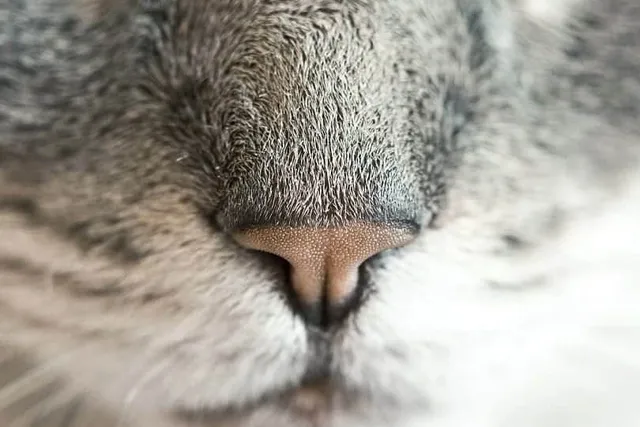
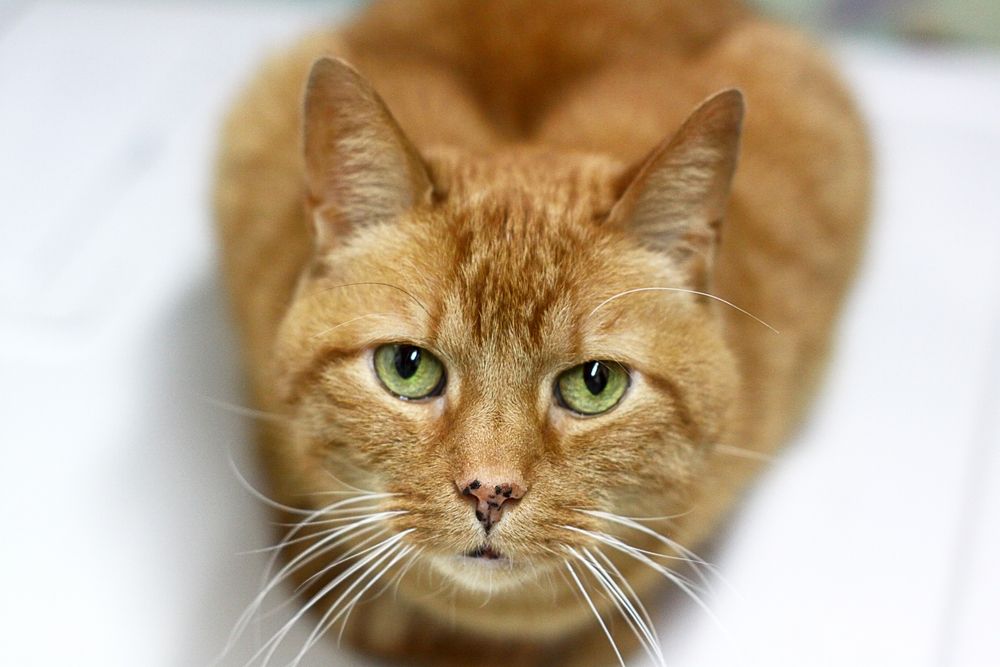
Few things in the world are cuter than the little freckles that you sometimes see on the noses and lips of cats. Have you ever noticed that you only see these spots on certain types of cats? Well, it turns out that there’s actually a name for these nose and lip spots: lentigo. Here’s everything you should know about lentigo in cats.

What Is Lentigo in Cats?
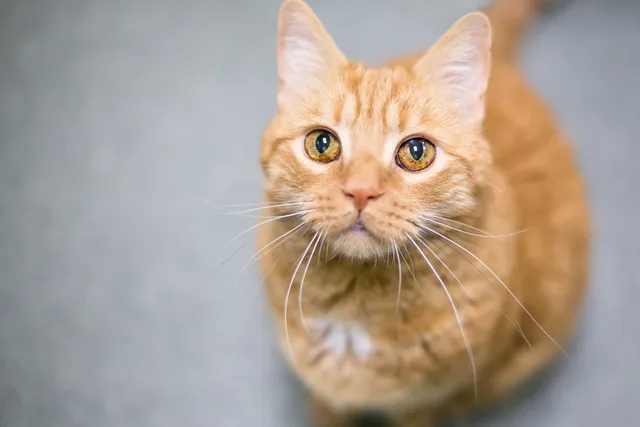
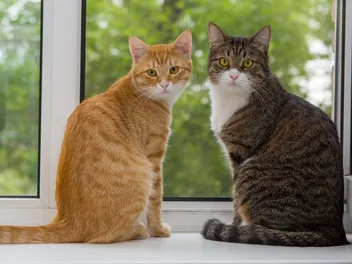
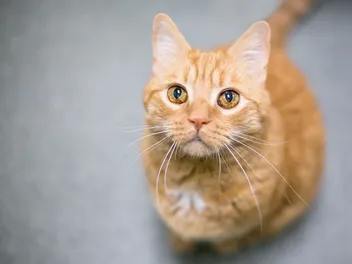
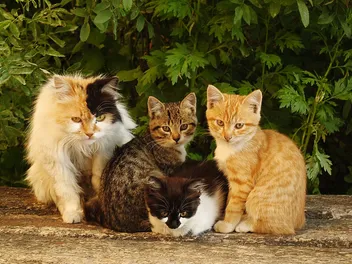
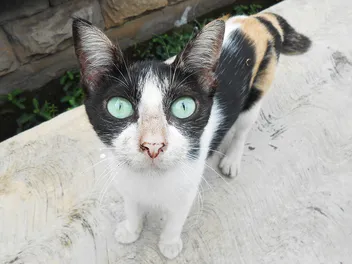
Lentigo is a skin condition that occurs primarily in orange cats, since calico, flame point, and tortoiseshell cats also have orange coat genetics, they can also develop lentigo spots. Although uncommon, lentigo in silver and cream-coated cats has been described.
This condition results in the appearance of freckles on the nose, eyelids, and lips. Typically, these spots are brown or black in color and flat. This is a genetic condition that results from excess melanin collecting in small areas, creating spots.
Technically, the word “lentigo” refers to a singular spot, while “lentigines” refers to multiple lentigo spots. The condition in cats is called Lentigo Simplex. The darker spots usually range from 1-9mm and are well defined, but if there are multiple spots they can join occasionally together to create larger patches. It is a cosmetic condition with no treatment necessary.

What Are the Signs of Lentigo in Cats?
Lentigo is easy to identify because the appearance of the freckles is pretty distinctive. The black or brown spots should not be painful, cracked, bleeding, ulcerated, or significantly raised from the skin. If your cat develops spots that have any of these problems, this can be indicative of a more serious problem and should be evaluated by a veterinarian. The skin around the spots should also be normal.
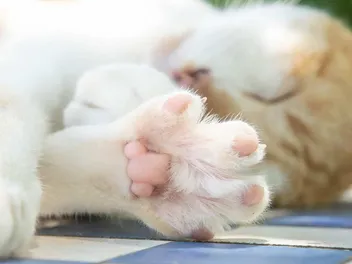
This condition may occur as early as 1 year of age, usually beginning with spots on the eyelids and lips. As the cat ages, the spots are likely to continue to appear on the eyelids and lips, as well as begin to appear on the nose. In some cases, the spots can also occur on the roof of the mouth, inside the ears, and on the foot pads.
What Are the Causes of Lentigo in Cats?
It’s unknown what causes lentigo or what makes some cats more likely to develop it. This condition is linked to genetics, but the exact cause of why melanin begins to collect in these small patches is unknown.
What is known is that lentigo is not associated with sun exposure, so this condition is not equivalent to freckles in humans. The spots should not grow, darken, or multiple simply because your cat has regular exposure to direct sunlight. If your cat seems to be developing changes in their spots or growing new spots after sun exposure, then you should have them evaluated by a veterinarian to rule out other conditions, like melanoma.
How Do I Care for a Cat With Lentigo?
The good news is that there’s absolutely nothing you need to do if your cat has lentigo. Lentigo in cats is not dangerous and in fact has no medical significance so there is no treatment necessary. If your cat has lentigo, then you simply get to enjoy the adorable freckles that are popping up on your cat’s face, only increasing their cuteness.

Frequently Asked Questions
Can lentigo cause cancer?
No, lentigo is not associated with any type of cancer and is considered medically insignificant. As previously mentioned, spots that are growing significantly larger, notably growing outward from the skin, are seemingly painful, or are developing a cracked, bleeding, or ulcerated appearance need to be evaluated by a veterinarian. There are a variety of cancers that cats can develop on their skin and around the mouth, nose, and eyes. It’s extremely important that unusual spots are evaluated by a vet to rule out cancer and other serious medical conditions.
Will my cat’s kittens have lentigo?
If you have a cat with lentigo that has a litter or fathers a litter of kittens, then there is a chance that the kittens with orange coat genes may develop lentigo as they age. Since the genetic mechanism of lentigo isn’t fully understood, there’s no guarantee that kittens will or won’t develop the spots. In some cases, cats may have lentigo even though their parents and littermates do not.

Can lentigo spots appear elsewhere on the body?
Yes. Since most cats have a lush coat that covers their whole body, you may never know if your cat has lentigo spots anywhere on their body other than around the face and head. Lentigo spots have been known to occur on the body of some cats, though. In at least one case, the spots were identified via biopsy to determine that they were lentigo and not another type of skin lesion. What made this case especially unusual was that the cat’s coat was silver in color.

Conclusion
Lentigo is an interesting condition that has no medical significance, but it can add to the charm and cuteness of your cat’s sweet face. There isn’t any reason that you should be concerned about the presence of lentigo on your cat, but if your cat has begun developing spots, it’s a good idea to have your vet take a look. It’s better to be safe than sorry when dealing with the appearance of new spots on the skin, especially if your cat hasn’t developed any lentigo spots previously.
Keep a close eye on your cat’s lentigo spots and skin for any changes that might indicate a problem, such as redness or soreness. They should not be painful or irritating to your cat. Lentigo is a benign condition that should be of no concern to you.
Sources
Featured Image Credit: Catherine Anne Thomas, Shutterstock
Expert cat care, straight to your inbox
News, insights, and useful advice, delivered to you.

No spam — unsubscribe anytime.
By signing up, you agree to our Terms & Conditions and Privacy & Cookies Policy.
How useful was this post?
Click a star to rate. You can leave written feedback afterwards. (We read all feedback.)
Brooke Billingsley, a former veterinary assistant for nine years, became a nurse in 2013. She lives in Arkansas with her boyfriend of five years, surrounded by her beloved pets: three dogs, two cats, five fish, and two snails. Brooke has a soft spot for special needs animals, caring for a three-legged senior dog and a widely known cat with acromegaly and cerebellar hypoplasia. She has developed a keen interest in fish keeping and is always learning how to provide the best environment for her aquatic pets. In addition to her passion for animals, Brooke enjoys gardening and maintains a vegetable garden during the summer. She stays active with yoga and received her 200-hour yoga teacher certification in 2020. Brooke also hosts a podcast that delves into folklore and myth, dedicating her spare time to research and writing. She embraces the philosophy that every day is an opportunity for learning and growth, continually working to acquire new skills and knowledge.