Get

In Your Inbox

Catster is reader-supported. When you buy via links on our site, we may earn an affiliate commission at no cost to you. Learn more.

Why Is My Kitten So Aggressive? 6 Likely Reasons & Vet-Approved Tips

Share

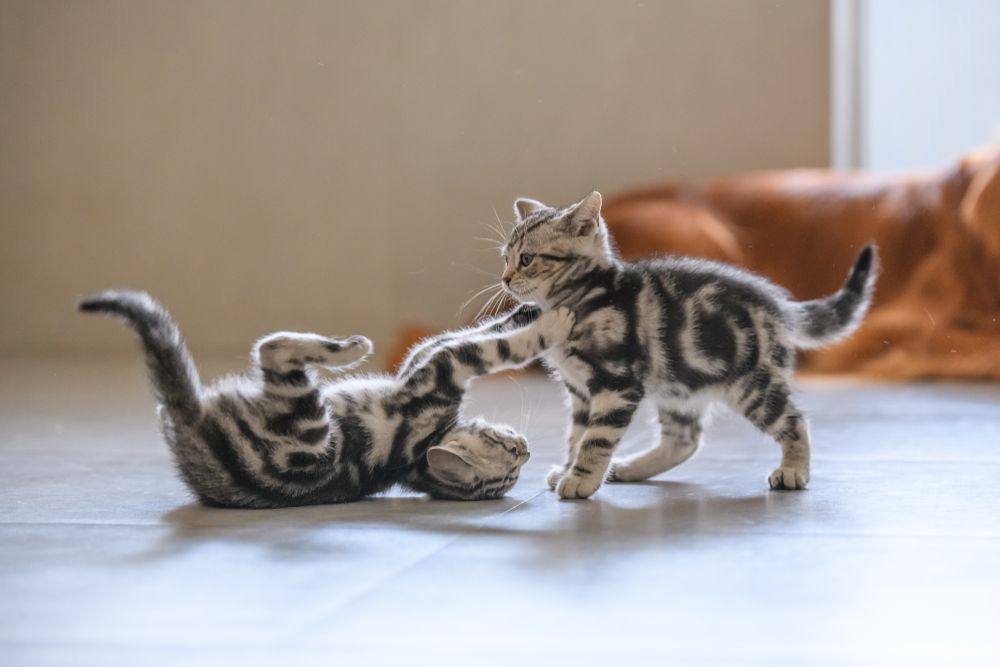
two kittens playing

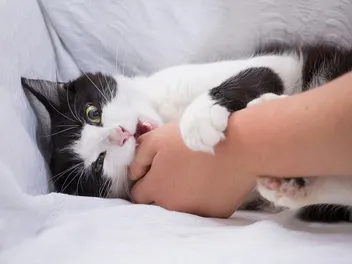
It’s not uncommon for new cat owners to be surprised by their kitten’s aggressive behavior. Kittens are wild creatures still learning about the world, and they’re unaware that their pouncing and bouncing can inflict pain. While it might seem cute and playful initially, it can quickly become a concern if it escalates. So why do some kittens act aggressively?

We’ll discuss six reasons your kitten might act aggressively and provide tips on managing the behavior.


divider 3 paws

The 6 Reasons Why Your Kitten is Aggressive

1. Play Aggression

Play aggression is one of the most common reasons for aggressive behavior in kittens. It occurs when kittens learn to stalk, pounce, and capture prey. Although it’s a natural part of their development, it can sometimes escalate into more aggressive actions.

To prevent play aggression from becoming problematic, provide your kitten with plenty of toys and engage in regular play sessions to help them burn off energy and satisfy their hunting instincts.

2 Grey Striped Kittens Playing on a Blanket with Toy
Image Credit: Pixabay

2. Overstimulation

Kittens can become overstimulated when they receive too much attention or are exposed to an overwhelming environment. When this happens, they may respond with aggression to cope.

If you want to get overstimulation under control, you should know that prevention is the key. Pay attention to your kitten’s body language and learn to recognize when they’ve had enough. Give them a quiet, calm space where they can retreat and avoid exposing them to excessive noise or other stressors.


3. Fear or Anxiety

Fear and anxiety can also cause aggressiveness in kittens. It can happen if they feel threatened or unsure of their environment. Therefore, providing a safe, secure space for your kitten to explore and acclimate is essential.

Avoid sudden movements, loud noises, or anything that might scare them. If you think fear or anxiety might be causing your kitten’s aggression, work on building their confidence through positive reinforcement and gradual exposure to new experiences.

scared kitten hiding
Image Credit: Khamidulin Sergey, Shutterstock

4. Territorial Behavior

As cats age, they may become territorial, which can manifest as aggression. This is particularly common in kittens who haven’t been socialized with other animals, such as those who were hand-raised.

To reduce the risk of territorial aggression, socialize your kitten with other pets and humans early on. Provide them with plenty of opportunities to explore and mark their territory on scratching posts and other designated areas.


5. Medical Issues

Aggressive behavior can sometimes be a sign of an underlying medical issue. Pain or discomfort can cause a kitten to lash out, even if they’re usually well-behaved. If your kitten’s aggression seems sudden or uncharacteristic, it’s essential to consult a veterinarian to rule out potential health problems.

They can recommend treatments or solutions that can help alleviate your kitten’s discomfort and reduce their aggressive tendencies.


6. Learned Behavior

Lastly, kittens may start acting aggressively if they’ve learned it from other cats or their previous experiences, perhaps it is even you who inadvertently is teaching them that aggression is acceptable. For example, if a kitten has been separated from their mother too early, they may not have learned the proper social skills.

In those cases, it’s crucial to be patient and consistent in your training efforts. Reward good behavior and gently discourage aggression by withdrawing when it occurs. Over time, your kitten should learn more appropriate ways to interact.


divider 3 paws

Tips for a Healthy Kitten Environment

Creating a healthy environment for your kitten prevents aggressive behavior and ensures their overall well-being. Here are some tips to help you provide a nurturing space for your feline friend:

  • Provide Plenty of Toys and Activities: Ensure your kitten has several toys and activities to stimulate them mentally and physically. This can curb aggressive behavior by channeling their energy into play and exploration.
  • Offer a Safe Space: Create an area where your kitten can go when they need some alone time. This can help reduce stress and anxiety, which can contribute to aggressive behavior.
  • Proper Socialization: The “kitten socialization window” is a critical developmental period in a kitten’s life, typically occurring between 2 to 7 weeks of age. Introducing your kitten to a variety of people and pets in a controlled and positive environment during this period is essential for fostering a well-adjusted and confident cat.
  • Desensitization: Gradual exposure to new experiences helps build their confidence and can prevent issues such as territorial behavior or fear-based aggression later in life.
  • Maintain a Consistent Routine: Establish a daily routine for feeding, playtime, and sleep. Consistency can help your kitten feel more secure, reducing the likelihood of aggressive behavior.
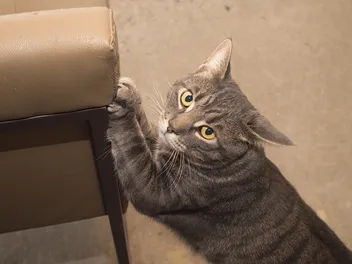
  • Opportunities to Express Natural Behavior: Provide scratching posts or pads for your kitten to satisfy their instinct to scratch. This can help prevent destructive behavior and reduce the chance of territorial aggression.

By implementing these tips and maintaining a healthy, stimulating environment for your kitten, you can reduce aggressive behavior and establish a strong, loving bond with your furry companion.

While some cats have no trouble getting in their daily dose of exercise via the zoomies, others require a bit more encouragement to get active. The innovative Hepper Hi-Lo Cat Scratcher offers a 3-position design that provides cats with a variety of levels to play on, each engaging their full body and muscles. The durable cardboard scratching pad is an enticing cat-friendly place to climb, stretch, and claw, fulfilling their instinctual need to scratch.

No products found.

If you are looking to improve your cat's health and increase their energy, check out the Hepper Hi-Lo Cat Scratcher.

At Catster, we’ve admired Hepper for many years, and decided to take a controlling ownership interest, so that we could benefit from the outstanding designs of this cool cat company!


divider 1 paws

Conclusion

Understanding the reasons behind your kitten’s aggressive behavior is the first step in addressing it. By providing a safe environment, appropriate socialization, and consistent training, you can help your kitten develop into a well-adjusted, loving companion.

Be very careful and analytical about your kitten’s behavior before you reinforce them with attention, treats, or toys, analyze your behavior as well, you are an important part of this equation. Remember that patience and persistence are vital, and don’t hesitate to seek professional help if you’re struggling to manage your kitten’s aggression.


Featured Image Credit: Chendongshan, Shutterstock

Want content like this delivered to you?

Sign Up For Our Newsletter

News, insights, expert advice, and everything cat

* By submitting, you agree to our Terms & Conditions and Privacy & Cookies Policy.


How useful was this post?

Click on a star to rate (you can leave written feedback after clicking submit)

Help us improve Catster for pet parents!

Your feedback really matters.

What did you like about this post? Also how can we improve it?

Join the conversation

Leave a Reply

You’re very welcome to leave a comment or question. Please know that all comments must meet our community guidelines, and your email address will NOT be published. Let’s have a positive and constructive conversation.


Catster's Digital Magazine is Back!

Vet-approved health & behavior advice

Real cat stories & community features

Your Cat Isn’t Picky – Their Nose Is Just Bored

If you’ve ever sighed while scraping uneaten cat food into the trash, you’re certainly not alone. Many cat owners know the routine: their...

Ask Dr. Paola – Help! My Kitten Won’t Use the Litter Box! (July 27, 2026)

Welcome to our “Ask Dr. Paola” series, where every Monday we bring expert advice straight from Dr. Paola Cuevas (MVZ) to help our...

Chatting with Petra Luna About CatCrazy, Cat Food Ingredients & The Secret of E-Beams | Chatty Cattys, Episode 28

In this episode of Catster’s Chatty Cattys podcast, Nicole and Dr. Karyn welcome back Petra Luna from CatCrazy to catch up on her...

According to Vets, Most Owners Miss These Signs That a Cat is Sick

Cats are famously good at hiding discomfort. It is not stubbornness or indifference; it’s a deeply ingrained survival instinct. In the wild, showing...

More related

Cat Hormones: How They Affect Male & Female Felines (Vet-Approved)

Like humans, cats’ hormones are constantly released by their endocrine system. They regulate a cat’s behavior, moods, and bodily functions. Cat hormones have...

10 Best Dry Cat Foods in the UK in 2026: Reviews & Top Picks

Whether you feed your cat a combination of wet and dry food or just dry food, getting the right kibble is important. It...

9 Best Stainless Steel Cat Bowls in 2026 – Reviews & Top Picks

Stainless steel products are a no-brainer in a house full of animals. This material doesn’t stain or scratch. Better yet, it’s naturally resistant...

Why Is My Cat Losing Weight? 10 Possible Reasons (Vet Answer)

If you have noticed that your cat is looking a little leaner than normal recently, then you might also be wondering why this...

Keep reading

Why Do Cats Like the Sun? 6 Reasons & Safety Tips

One of the funniest and quite fascinating habits of cats is their love of sunbathing. It is a great sight to see cats sprawled out in the sun or basking in the warmth of a sunny window. But why do...

cat stretching a rocky beach and a beautiful sunset over the ocean

Can Cats Eat Stink Bugs? Vet-Reviewed Facts & FAQ

Let’s be honest—sometimes, cats are just plain weird in their tastes. Though most cats won’t eat a bug twice after realizing how foul they taste, for some, the fascination never wavers. So can cats eat stunk bugs? Are stink bugs...

Can Cats Eat Stink Bugs

Do Persian Cats Shed? Vet-Verified Facts & Grooming Tips

If you have had your eye on the beautiful Persian cat, you may wonder a little about the grooming. After all, one of the best qualities about this cat is their long, lustrous fur. With coats like that, they are...

Persian cat and a pile of cat hair

Does Lemon Juice Kill Fleas on Cats? Vet-Verified Effectiveness & Safety Explained

Keeping our pets parasite-free is big business, with a projected 2026 global revenue of $3.68 billion.1 Fleas are quite the nuisance on several fronts. These pests can cause allergic reactions in pets while increasing the risk of secondary infections if...

lemon juice

Can Cats Eat Nutritional Yeast? Vet-Reviewed Facts & FAQ

Nutritional yeast is usually healthy for cats in moderation. Unlike baking yeast—which is highly dangerous to felines—nutritional yeast is deactivated yeast, which means it won’t ferment and rise in your cat’s stomach. Nutritional yeast is healthy in and of itself...

Can Cats Eat Nutritional Yeast

How to Get a Picky Cat to Eat: 9 Vet-Reviewed Tips

While many cats enjoy their food a bit too much and happily gobble up everything in sight, others are choosier regarding what they eat. Cats can be put off by something about their food, like its flavor or texture, but...

Tabby cat eating food from white bowl

Is Catnip Safe for Kittens? Vet-Reviewed Facts & FAQ

In a way, catnip is as much a treat for doting pet parents as it is for their feline family members. We may not get the same euphoric benefits, but it feels good to know we can offer an extra-satisfying...

Catster_Is Catnip Safe for Kittens

Can Cats Eat Green Beans? Vet-Verified Nutritional Guide

Being a cat owner comes with a unique set of challenges. Not only are cats a bit high-strung at times, but their diets are also different from those of dogs. Cats have one basic need when it comes to their...

Can Cats Eat Green Beans

Love Cats? So Do We! Join the Catster Community

Stay informed with expert pet care insights delivered straight to your inbox! Discover professional guidance on animal behavior, feeding tips, trusted product picks, and much more.


Sign up for the Catster Email Newsletter

Stay informed with expert pet care insights delivered straight to your inbox! Discover professional guidance on animal behavior, feeding tips, trusted product picks, and much more.