Get

In Your Inbox

Catster is reader-supported. When you buy via links on our site, we may earn an affiliate commission at no cost to you. Learn more.

Why Is My Cat So Staticky? 5 Common Reasons

combing fur of a maine coon cat

While you may not always be aware of it, your cat probably experiences static on a regular basis. Static electricity can be produced when any two surfaces rub together. Unfortunately, many things that cause static electricity are also things we love to do with our cats, like petting or brushing them. But don’t worry! This guide will help you understand why your cat is staticky and give you the tools that you need to prevent it from happening.

divider 1 paws

Top 5 Reasons That Your Cat Might Be Staticky

1. Dry Air

If you’ve noticed that your cat is more staticky during the winter, you’re not imagining things! When the air lacks humidity, static shocks occur more often. Your cat’s fur builds up an electric charge, and when you pet your cat, you add friction—and both you and your cat get shocked! Other environmental factors such as temperature and air pressure also affect static electricity build-up.

How to Fix It:
  • Since you can’t do anything about the arrival of winter, the easiest fix for static is to raise the humidity level inside your home. You can easily do this with a humidifier, and it’s also a good idea to use a hygrometer to measure and keep track of humidity levels and don’t over do it.
cat sitting on the windowsill
Image By: Kristi Blokhin, Shutterstock

2. Overbrushing

While we do recommend brushing your cat according to their needs, over-brushing can be a problem. Brushing and grooming your cat’s fur naturally creates friction, which in turn, creates a static charge. The more you brush, the more static electricity will be produced.

How to Fix It:
  • Misting the brush with water before brushing your cat will help neutralize the static charge. You could also try swapping to a brush with natural bristles instead of synthetic ones. Natural fibers tend to produce less static.

3. Too Clean

This one may sound weird, but if you clean your cat too often, especially during the spring and summer months, it’s likely that your cat doesn’t have enough of the natural sebum (skin oils) for a healthy coat. When their coat is clean and shiny, it naturally attracts static. Overbathing can also dry out your cat’s hair, and the reduced moisture adds to static.

How to Fix It:
  • Cats are good at self-grooming and staying clean. If your cat is visibly dirty or smells bad, by all means, give them a bath. The same applies if your vet has recommended it to treat skin problems. Otherwise, they shouldn’t need one very often. When you bathe your cat, use shampoos and conditioners designed specifically for cats, so they don’t strip their coat of natural oils.

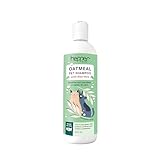
Hepper Oatmeal Shampoo
  • Only Natural Pet Shampoo - Our vegan, plant-based formulation is made with safe and natural...
  • No Soap - A cat and dog wash free from soaps, glutens, dyes, DEA, sulfates and phthalates means it's...
  • Colloidal Oatmeal - Formula soothes and nourishes dry, irritated skin, providing itchy skin relief...

There are lots of pet shampoos to choose from, but some are much better than others. We love these two options by Hepper made with all-natural ingredients that gently clean your pet's skin and coat. These pH-balanced formulas contains moisturizing aloe vera and colloidal oatmeal, and it's free of dyes, phthalates, sulfates, and other irritants. 
At Catster, we’ve admired Hepper for many years and decided to take a controlling ownership interest so that we could benefit from the outstanding designs of this cool cat company!


4. Your Cat’s Bedding Material

Blankets made from synthetic fibers, like polyester, can easily accumulate static charge. The more your cat rubs against the material, the more static accumulates.

How to Fix It:
  • Choose blankets made from natural fibers, like cotton or wool, whenever possible. Not only will they create less static, but they’re also made from sustainable materials, so both your cat and mother nature will appreciate it. Using pet-safe fabric softeners can provide the materials with some anti-static properties, too.

5. Your Cat’s Breed or Age

Some cat breeds are more prone to static than others. Long-haired breeds require more grooming, and they have more hair to build up electric charge. Older cats tend to have more brittle hair than younger ones, which can naturally increase static.

How to Fix It:
  • If you have noticed that your cat’s skin and hair are not looking as healthy as they once were, schedule a visit with your veterinarian. Conditions that result in dry, damaged skin or hair should be treated.

If you need to speak with a vet but can't get to one, head over to PangoVet. It's an online service where you can talk to a vet online and get the advice you need for your pet — all at an affordable price!


PangoVet_Mention-in-Content for PangoVet2 save money

divider 2 cats

Tips and Tricks for Cat Owners to Prevent Static

While some factors that increase static are out of your control such as the weather, there are a few things that you can do to make sure you’re not the cause of your cat getting shocked. The clothes we wear, the way we walk, and the shoes on our feet can all affect the amount of static we carry and then cause it to be discharged when we touch our cats.

You can try these tips and tricks to reduce your static load:
  • Wet Your Hands: Lightly wetting your hands before petting your cat will spare your cat a shock.
  • Use Moisturizer: Applying lotion and moisturizer to your hands to prevent dryness will also help avoid static buildup.
  • Wear natural fibers: Natural fibers such as cotton and wool produce less static than synthetic fibers.
  • Take off your shoes: The soles of your shoes may be increasing your static potential, so try going barefoot in the house before cuddling up to your cat.

divider 1 paws

Conclusion

Usually, the best solution for a staticky cat is to slightly increase the humidity level in your home. Avoiding dryness on your cat’s skin and hair will help, as will keeping your hands moist before petting your cat. The use of natural fibers in blankets and bedding will prevent static buildup, too. If you choose to use shampoos or sprays designed to reduce static, always make sure they are safe for use on cats.


Featured Image Credit: Summer 1810, Shutterstock

Want content like this delivered to you?

Sign Up For Our Newsletter

News, insights, expert advice, and everything cat

* By submitting, you agree to our Terms & Conditions and Privacy & Cookies Policy.

How useful was this post?

Click on a star to rate (you can leave written feedback after clicking submit)

Help us improve Catster for pet parents!

Your feedback really matters.

What did you like about this post? Also how can we improve it?

Join the conversation

Leave a Reply

You’re very welcome to leave a comment or question. Please know that all comments must meet our community guidelines, and your email address will NOT be published. Let’s have a positive and constructive conversation.

Talk With A Vet Online

Peace of mind,
anywhere, anytime

Affordable vet advice

How Many Toes Does A Cat Have? Vet-Verified Facts & Info

Cats have amazing paws. They use them for various activities, from sensing vibrations to spreading pheromones. So, how many toes does a cat...

Salt Lamps and Seizures: Another Home-Grown Lesson from Clutch

Hi, I’m Dr. Karyn! Read my introduction to learn more about me and meet my five hilarious cats: Clutch, Cyril, Alex, Zelda, and...

How Many Stray & Feral Cats Are There in the US? 2025 Facts

Appearing in over a third of U.S. homes, domestic cats are so well-accepted that most of us don’t realize that they become one...

How an Over-the-Counter Herpes Treatment is Helping Cure Feline Eye Infections

What do chickenpox, cold sores, and feline eye infections have in common? The answer is herpesvirus. But don’t worry, just because you’ve had...

More related

History of Black Cats: A Look at Their Past

Black cats are bewitching creatures with dark fur and mesmerizing eyes that seem to glow in the dark. While black cats are often...

Do Cats Dance? How to Teach Your Cat to Boogie

Cats often do funny and entertaining things that make us laugh. There are plenty of videos and memes on the Internet that show...

Can Cats Get Lice? Vet-Approved Facts & Treatment Tips

Lice are a common problem for most pet owners, especially if your pet enjoys the outdoors. They can cause skin disease and itchiness,...

Can a Feral Cat Be Domesticated? Vet-Reviewed Facts & Considerations

It’s difficult for an animal lover to walk or drive down the street only to find homeless cats roaming around. In some neighborhoods,...

Keep reading

How to Tell Whether a Male Cat Is Fixed: Vet-Verified Facts & Neuter Info

There is no centralized organization maintaining an accurate headcount of cats in shelters, so the best numbers we have for the total shelter cat population in the United States are estimates. According to the president and CEO of the Humane...

How to Detect and Prevent a Cat Attack: 4 Signs & Prevention Tips

We’ve all been there. You’re relaxed, petting your cat, when they suddenly turn and scratch, bite, or swat at you. It may seem unprovoked, but often, cats give subtle signs that they’re about to attack before it escalates. Below, learn...

cats fighting

Laser Declawing Your Cat – Vet-Reviewed Facts & Considerations

Veterinary professionals and reputable veterinary and animal welfare organizations, such as the American Veterinary Medical Association and the American Society for the Prevention of Cruelty to Animals, have released statements against cat declawing if done for the purpose of managing...

paw with long and sharp claws_RJ22_shutterstock

What Houseplants Are Poisonous to Cats? 15 Vet-Verified Toxic Types

Wondering what plant to get that won’t upset your cat? We’ve got you covered. This post lists 15 common houseplants that should be avoided by cat owners—usually. In some cases, cat owners can have a plant that is not necessarily...

a black cat with succulent plants

How Often Will a Feral Cat Move Her Kittens? Vet Approved Facts & FAQ

You may have seen your domestic mama cat move her kittens more than once, and the same behavior is common for feral mother cats. Feral cats will move their kittens for various reasons. If the mother cat is unsatisfied with...

kittens in the grass with their mother

15 Hazards That Could Hurt or Kill Your Cat & How to Avoid Them (Vet Reviewed)

When you are at home relaxing with your cat, you might be totally oblivious to all the hazards around the home. After all, we don’t foresee some events, making it difficult to navigate. While we could go on for hours...

vet wrapping cat's injured paw with bandage

Why Is My Cat Acting Weird? 5 Vet-Reviewed Reasons

Some cats display what many owners would consider odd or weird behavior regularly. Others settle into a routine and can be quite predictable. This predictability makes changes in behavior even more obvious. If your cat is showing sudden changes in...

a woman holding a cat on her lap

Can Cats Eat Octopus? Vet-Approved Nutritional Facts

Octopus is considered a delicacy around the world, and you might find yourself wondering if it’s okay to give your cat a piece. After all, we associate cats with seafood, so is safe for them? Octopus is indeed safe for...

Can Cats Eat Octopus

