Why Is My Cat Extra Clingy When I'm Pregnant? 4 Vet Verified Reasons


In this article
It is not uncommon for cats to act strangely around pregnant women. You may notice that your cat is extra clingy as your pregnancy progresses. What causes this? Can cats sense when you are pregnant? Many owners report that their animals, including cats, can detect when they are pregnant.
Likely, their keen sense of smell and ability to detect other changes during pregnancy clues them in. We could not find any scientific studies to confirm these theories, but there are many anecdotal reports. Let us take a closer look at some common reasons why your cat could be extra clingy when you’re pregnant.

The 4 Reasons Why Cats Get Clingy Around Pregnant Women
1. They Notice the Bump
Most women start to show between 16 and 20 weeks of pregnancy, which is the second trimester. At this point, it's common for cats to notice a change in your appearance. You may notice your cat staring at your belly or sniffing it.
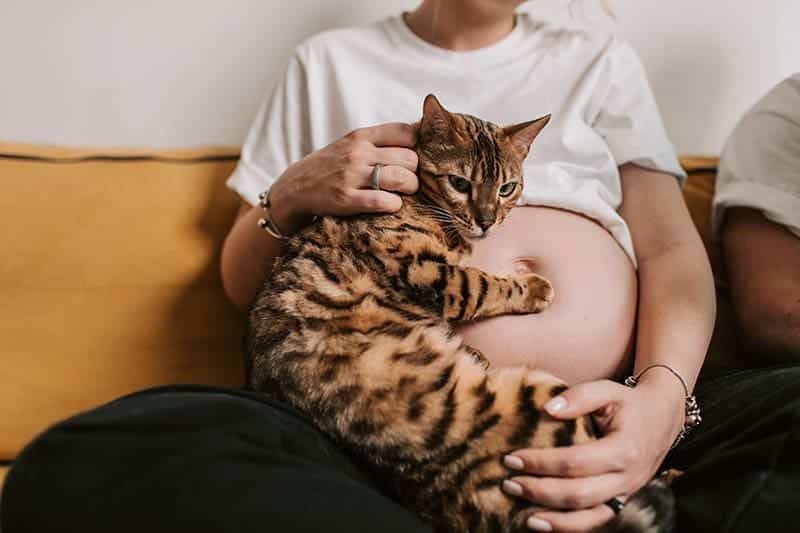
They may even place a paw on it for confirmation that it's still you. Cats seem to sense that something's changed but are unlikely to deduce why.

2. They Smell Hormonal Changes
A cat’s keen sense of smell is what could make this possible. Your hormonal levels change dramatically during pregnancy. You produce more progesterone, estrogen, and human chorionic gonadotropin (aka "hCG").
Pregnancy can affect your scent, but it is unknown if the hormone changes are perceptible by smell. Cats, who have up to 200 million odor sensors in their noses, can detect these changes, whereas humans have a mere 5 million.
3. You Get Warmer
When you become pregnant, your body's blood volume increases on average by 45%. Another change is that it raises your body temperature, usually only by 0.2 degrees Fahrenheit. A higher body temperature and blood volume could be one way cats detect pregnancy.
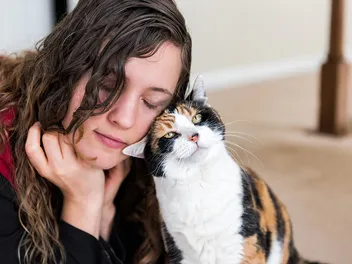
Cats love cuddling up with warm people. Your cat might lay down next to you, rub against your pregnant belly, or put their paws on it.

4. Other Noticeable Changes
Cats can sense changes in hormones and feel warmer bodies, but they may also notice changes in your appearance, behavior, body chemistry, or posture. This could give them clues about the significant changes your body is going through. Felines are skilled at sensing changes in your body language and can spot subtle differences in your movements or habits.

The 3 Tips to Prepare Your Cat to Meet the New Baby
Introducing your cat to your new baby doesn't have to be dramatic or upsetting. To make your transition smoother, there are a few things that you can try.
1. Make Changes Early
Slowly introduce new furniture and baby supplies to your house, as any sudden, drastic changes could distress your cat. It also helps to close doors and create barriers to rooms where you don’t want your cat to roam or sleep when the baby arrives. This will ensure they're not frustrated by the new baby.
Their sense of smell, as previously mentioned, is very important to cats; they like to smell and investigate new objects and, in turn, rub their scent onto them for territory marking. They typically do this by rubbing their cheeks on you or items in your house. Making gradual changes and giving your cat time to adjust is essential to avoid undue stress.

2. Pay Attention to Your Cat
New babies require their mother's attention, which was once directed toward your feline buddy. And like people, cats can become anxious or frustrated if they feel neglected. Signs of stress in cats can range from the subtle to the obvious.
Changes in their usual behavior, hiding more, withdrawing from affection, or seeking attention are common. Unfortunately, some behaviors are more troublesome, such as spraying in the home or stress-related cystitis. Reach out to your veterinarian for advice on how to help your cat.
3. Try Desensitization
Desensitization is another way to get your cat used to babies. One way to accomplish this is to play recordings of various baby sounds (i.e., cries, laughter, whimpers, etc.) to prepare them for real life when the baby arrives. If your baby suddenly makes these noises when they arrive home, it may cause anxiety and stress.
Introducing your cat to the baby's scent will help establish a bond with them when they arrive home. This can be done by letting the cat sniff the baby's blankets and outfits in the first few days at home.
Wrapping Things Up
Cats seem to be aware when you become pregnant, which may be due to various factors. They can sense changes in your appearance, smell, body temperature, and everyday habits. It can cause them to become extra clingy, which can last throughout your entire pregnancy.
Featured Image Credit: Vlada Karpovich, Pexels
Expert cat care, straight to your inbox
News, insights, and useful advice, delivered to you.

No spam — unsubscribe anytime.
By signing up, you agree to our Terms & Conditions and Privacy & Cookies Policy.
How useful was this post?
Click a star to rate. You can leave written feedback afterwards. (We read all feedback.)
Christian started writing for a local newspaper as a teenager, and he's been involved in the publishing industry for most of his adult life. Combining his love of writing with a passion for animals, he is currently the Director of Editorial at Pangolia and the Editor-in-Chief at Catster.
Christian lives in the Philippines with his wife, son, and four rescue cats: Trixie, Chloe, Sparky, and Chopper.