When Do Male Cats Start Spraying? Vet-Reviewed Facts & Tips



In this article
Male cat pee has a distinct odor, and when your male cat sprays outside the litter box, you know it without a doubt. In fact, both male and female cats spray, but males do it the most. For those with a new male kitten, you may be wondering when cats start spraying, or more specifically when male cats start spraying. Typically, a male cat reaches sexual maturity around 6 months of age, which is when the spraying will start. However, some male cats reach sexual maturity as early as 5 months or as late as 8 months.
Let’s explore the world of male cat spraying so you know what to expect and how to prevent or correct it.

What Is Spraying?
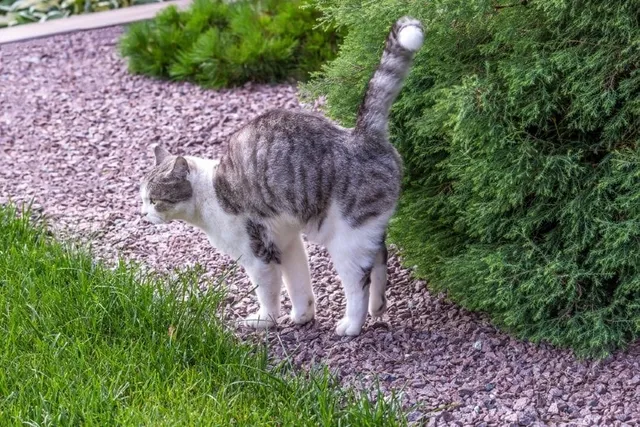
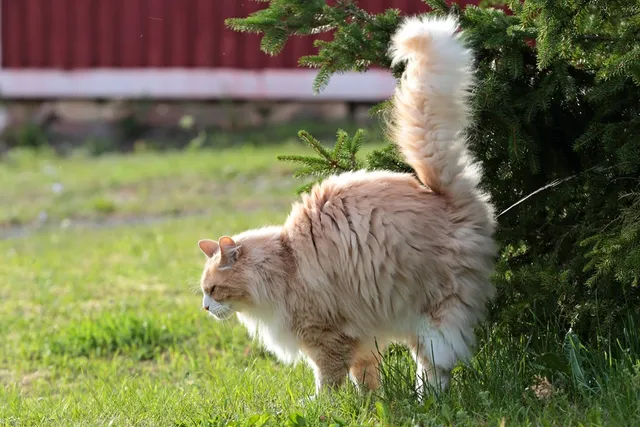
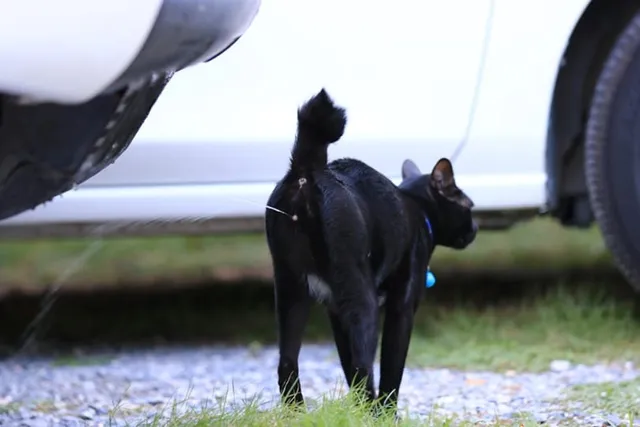
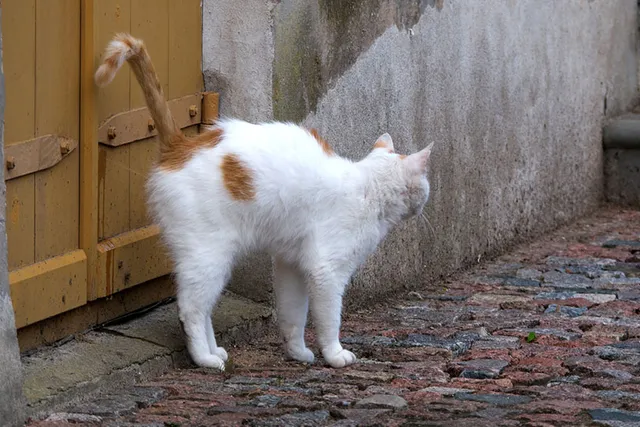
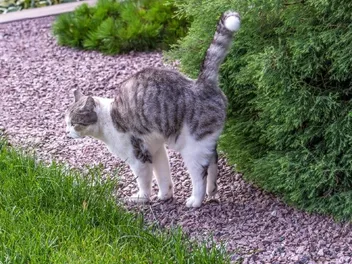
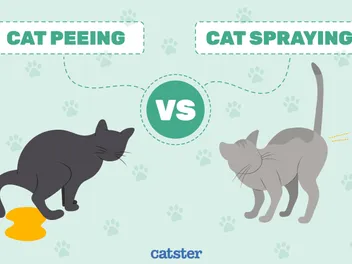
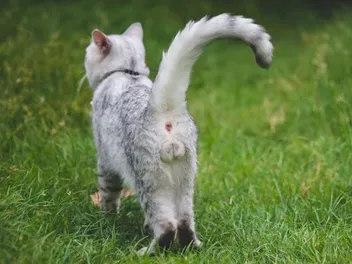
Spraying is not the same as your cat urinating in the litter box; instead, your cat will shoot a line of urine onto an object, such as a wall. The urine will be more pungent outside the litter box because it will be on a surface without any litter to absorb the smell. The cat will back up into the area, quiver the tail with little or no crouching, and let the urine fly.

Is My Cat Spraying or Urinating?
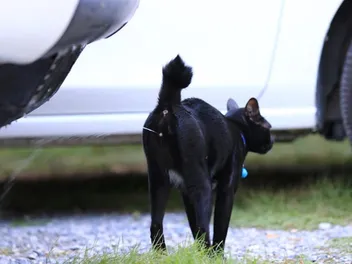
Spraying and inappropriate urination may seem like the same thing, but there are differences between the two. When a cat sprays, their posture and tail will be tall and erect. The cat may twitch their tail and make a treading motion with their back feet, before depositing a small amount onto a vertical surface.
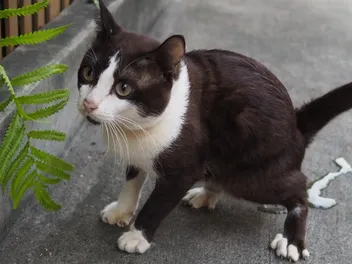
Cats urinate by squatting and passing urine onto a horizontal surface. Inappropriate urinating outside of a litter box can be a cause for alarm, such as a medical issue, which we’ll explain a little later.

The 4 Reasons Why Cats Spray
1. Marking Their Territory
Spraying is one way a cat will mark their territory, and this can be more common when you have more than one cat in the home. Territorial marking is more common in male cats and can also happen outside if a stray comes roaming around your yard. Spraying is a way for a cat to communicate to other cats that this is their space and they're claiming it, so back off! These occurrences can happen with both indoor and outdoor cats.

2. Stress or Anxiety
Some cats do not handle change very well, and if you’ve recently moved into a new home or recently adopted a new pet, your cat may spray because they are stressed. This may be as a coping mechanism or even as a displacement activity to make themselves feel more secure.
3. To Attract Mates
For a human, the smell of pee is not attractive in the least, but for cats, it signals a potential mate. This type of spraying is more common in outdoor cats rather than indoor cats and is typically common in intact males and females.

4. A Medical Issue
Approximately 30% of cats that spray may have an underlying medical issue, with Feline Lower Urinary Tract Disease (FLUTD), being the most common culprit. This disease affects the urethra and bladder, and the signs are pain and difficulty when urinating, frequent urination, and blood in the urine. If you notice any of these signs, it’s vital to take your cat to the vet for an examination and treatment.

How Do I Stop My Male Cat From Spraying?
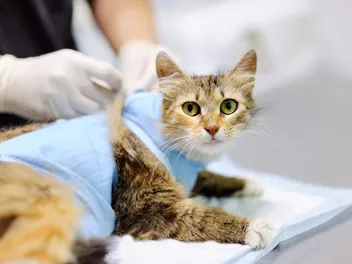
Neutering your male is one way to potentially stop them from spraying. Approximately 90% of intact males will show a significant decrease in spraying after castration. Much debate surrounds the topic of when to safely neuter your male, with the procedure often performed around 6 months of age. A veterinarian can help you decide when is the best time to neuter for the health and safety of your cat.
If you’re having a problem with strays poking around your yard, try closing the blinds so your cat can’t see them. You can also place citrus peels around your yard and flowerbeds to deter strays, as they hate the smell and will hopefully move on.
If you have more than one cat in the household, ensure you have the correct amount of litter boxes. A rule of thumb is to have one litter box per cat plus one extra. For example, if you have two cats, place three litter boxes in areas with little to no traffic. If you have three cats, you’ll need four litter boxes. Make sure the litter boxes are kept as clean as possible.

How to Keep Your Male Cat Safe and Healthy
It’s vital to keep up with regular checkups with a veterinarian at least once or twice a year. If you notice any issues, such as spraying indoors or urinating outside the litter box, take your cat in to ensure there’s no medical issue causing the problem.
Keep enough litter boxes in the home to accommodate all your cats plus one extra, and consult a vet regarding neutering your cat and when it’s safe to do so. Always feed a complete and balanced diet, and make sure your cat stays hydrated. Wet food has more water content and can help with hydration, either on its own or in combination with dry food; however, consult a vet first to choose the most appropriate diet for your cat.
Final Thoughts
Male cats that have not been neutered are most likely to spray, and this usually starts around sexual maturity at approximately 6 months of age. Castration can reduce spraying but neutered male cats (and females) can still spray.
If your cat has started spraying indoors, it may be a sign that they are feeling stressed or uncomfortable. Consult with your veterinarian so they can check for any underlying issues and help you resolve the problem.
Featured Image Credit: Elisa Putti, Shutterstock
Expert cat care, straight to your inbox
News, insights, and useful advice, delivered to you.

No spam — unsubscribe anytime.
By signing up, you agree to our Terms & Conditions and Privacy & Cookies Policy.
How useful was this post?
Click a star to rate. You can leave written feedback afterwards. (We read all feedback.)
Rachel Giordano is a Pensacola, Florida-based musician and writer. She lives with her partner and their two dogs, Sophie, a Boston Terrier, and Aero, a Border Collie/Sheltie mix. Rachel holds a Bachelor of Arts degree in communication and loves writing about all types of cat breeds. When she’s not writing about cats, she loves to write suspense/thriller novels. A musician by night and writer by day, she enjoys sharing her knowledge of the needs and requirements of our furry friends.