What Kind of Cat Breed Is Duchess from The Aristocats? Disney Felines Explained

In this article
The Aristocats struck the hearts of kids from all over. This film features a mother and her three kittens being abducted from a life of luxury and abandoned in an unfamiliar countryside. It’s certainly a film of adventure and hope.
In the film, Duchess is a cat of distinguished royalty and refinement. So, it is only fitting that she is a purebred, snow-white Turkish Angora cat with such poise and grace. Have you ever heard of the breed? If not, we have all the information about the movie and the cat below.

Duchess Is a Turkish Angora Cat
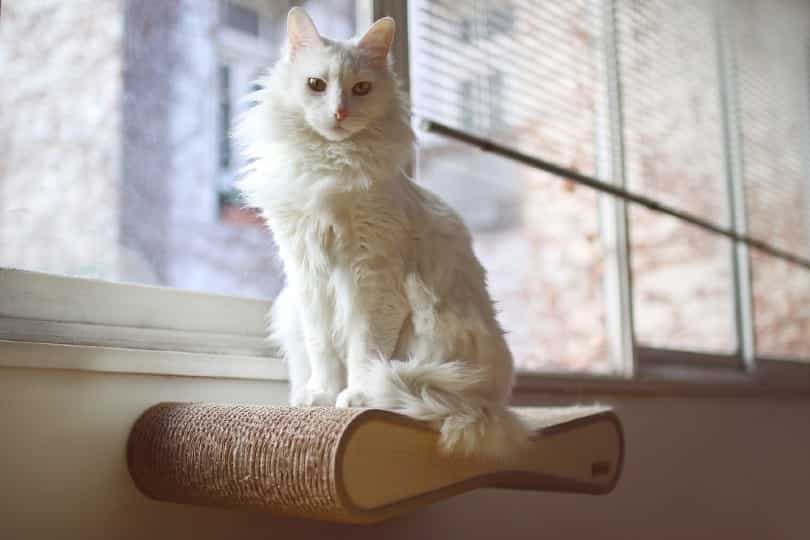
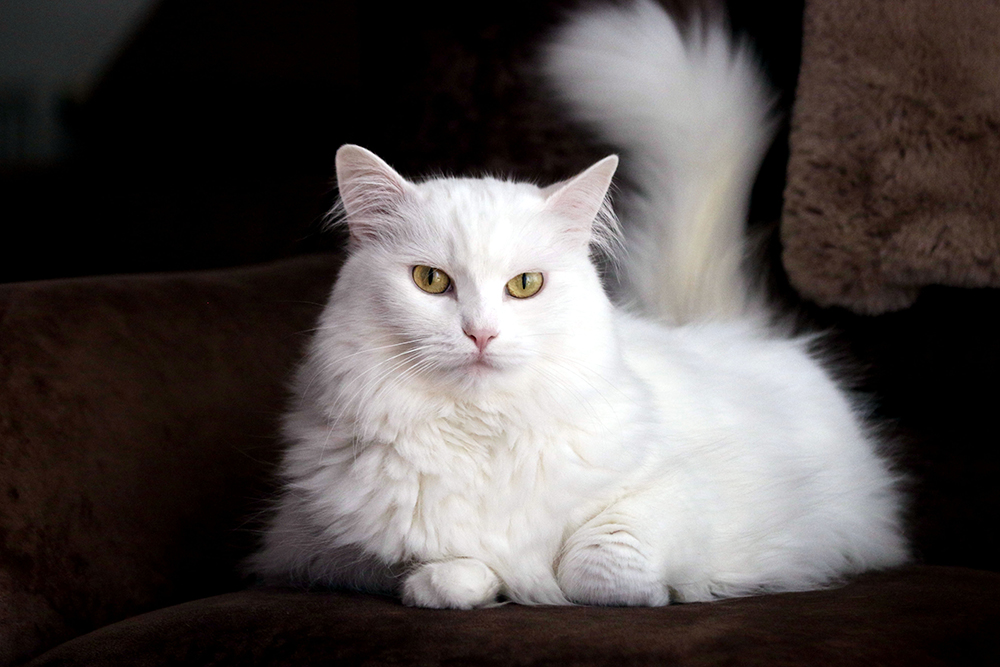
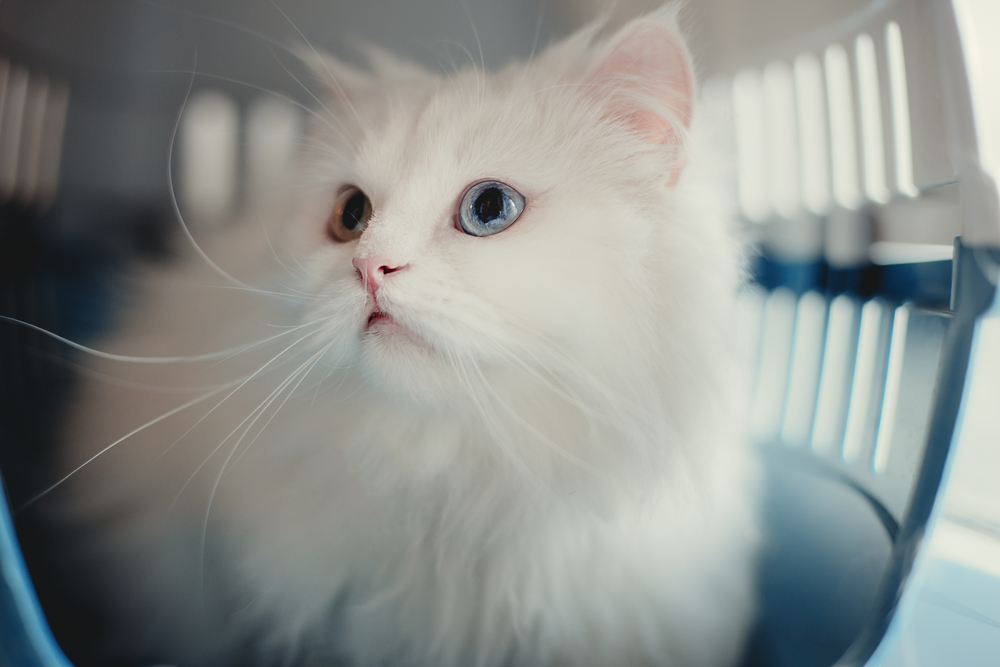
Duchess is depicted as the beautiful Turkish Angora—which is very fitting for the movie's overall vibe. Some of these purebreds are impeccably white, long-haired beauties with wide blue eyes, just like the Duchess we know and love.
It’s no wonder Disney chose such a stunning breed to play Duchess. These cats scream royalty with their regal appearance and affectionate demeanor.

About the Film
The Aristocats is about an elderly woman living with Duchess, her cat, and three of her kittens. Since Madam is advancing in age, she starts a will to ensure her beloved cats are taken care of after her passing. Edgar, her faithful butler, eavesdrops on her wishes while she meets with her lawyer. He hears that she plans to leave her massive fortune to none other than her three cats—and not him? He’s determined to rectify this!
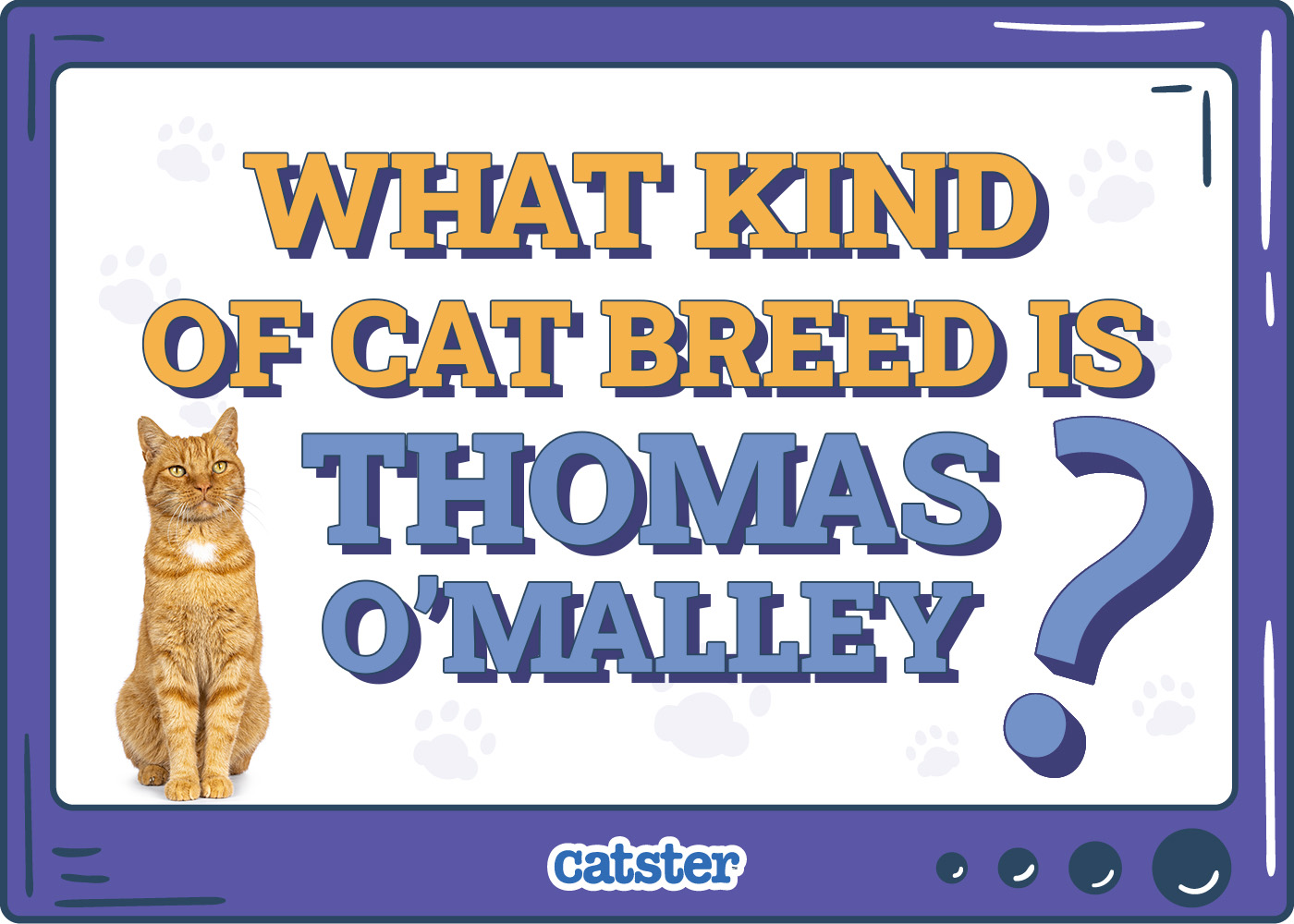
That night, he takes the bundle of kitties out in the countryside to release them far from home in hopes that he will receive her money instead. However, things don’t go exactly as he plans. Once Duchess and her kittens get their bearings, they run into Thomas O’Malley—a smooth-talking alley cat that teaches them street smarts. They run into a few speed bumps on their journey back home, but eventually, they make it.
It's the story of hope and adventure—experiencing life in a whole new way. The kittens get a real dose of what it's like to be out and about without a home, and Duchess finds love on the journey back home. In the end, they all wind up safe with Madam with a full family of their own.
The Role of Duchess
In the movie, Duchess is a calm, cool, and collected mother of three who teaches her children proper etiquette and manners. When she is thrown from a life of good fortune, she must adapt to keep her children safe.
Duchess’s Kittens
Duchess’ kittens are mixed breeds with vastly different personalities. Each one plays a role that makes this film a well-rounded, easy-to-love storyline you can watch again and again.
Marie
Marie looks just like her mother—beautiful blue eyes and long white hair. She is a sassy little princess with an optimistic approach to life.
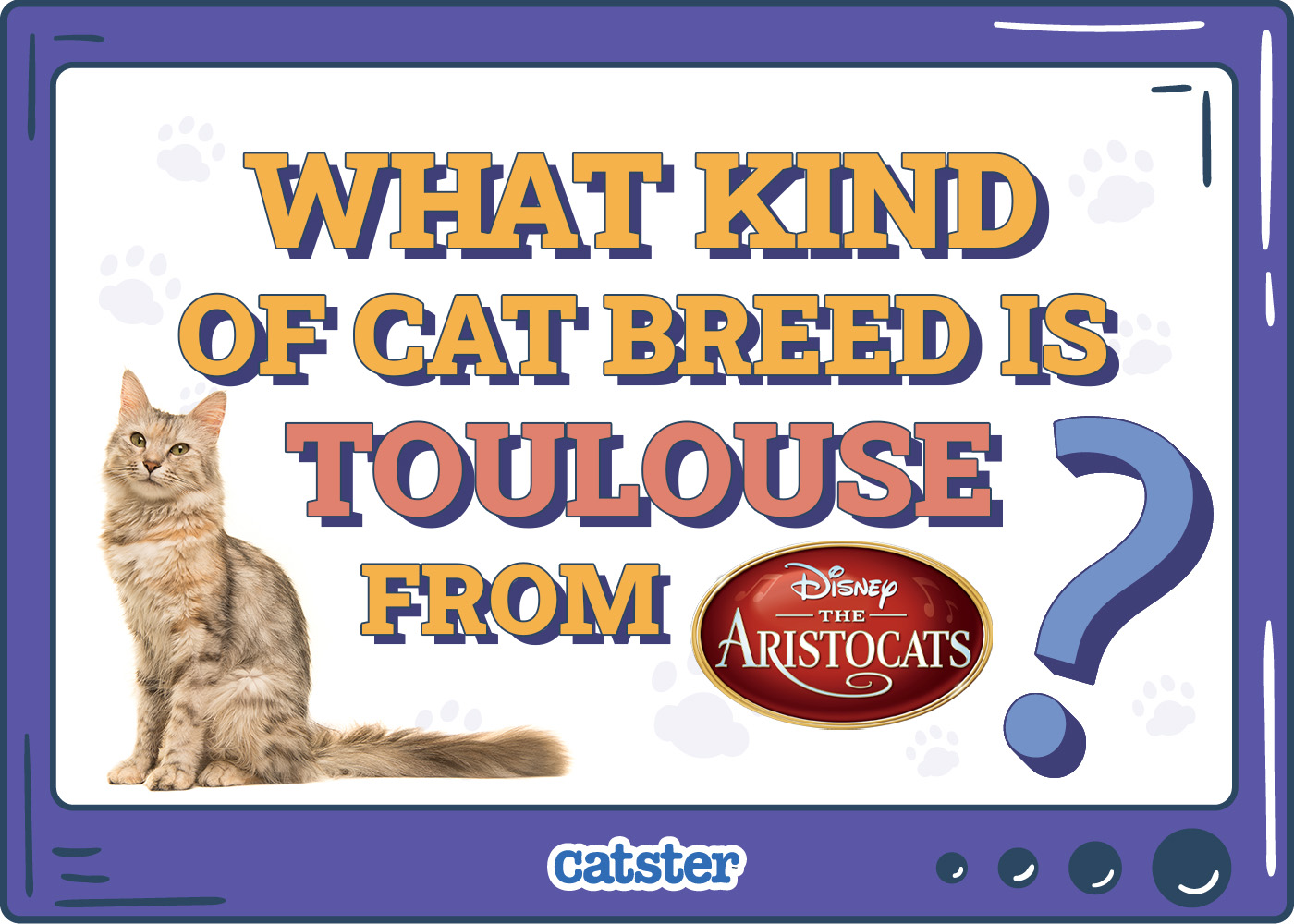
Toulouse
Toulouse is an adorable little orange kitty that resembles a mini version of Thomas O'Malley. He is a rough, tough little boy who isn't afraid of anything—or is he?
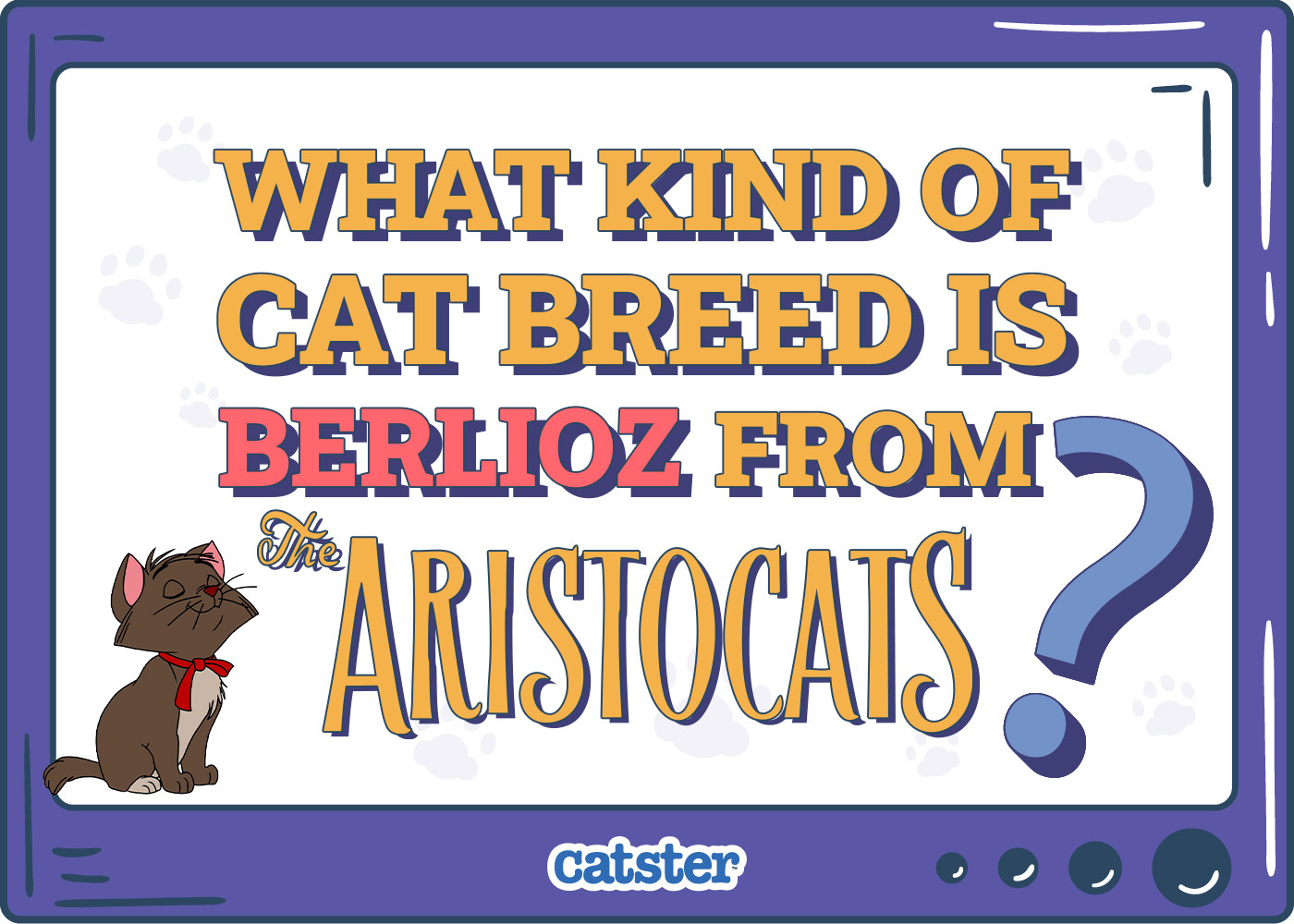
Berlioz
Berlioz is a black kitten who is mild-tempered and agreeable. He is a bit shy but warms up to each new character they encounter along the way.
About the Turkish Angora
Breed Overview
Height:
Weight:
Lifespan:
Colors:
Temperament:
The Turkish Angora came about sometime in the 17th century. They descended from the African wildcat, interestingly enough. So, they are a part of ancient breeds and are one of the only naturally occurring breeds today.
Appearance
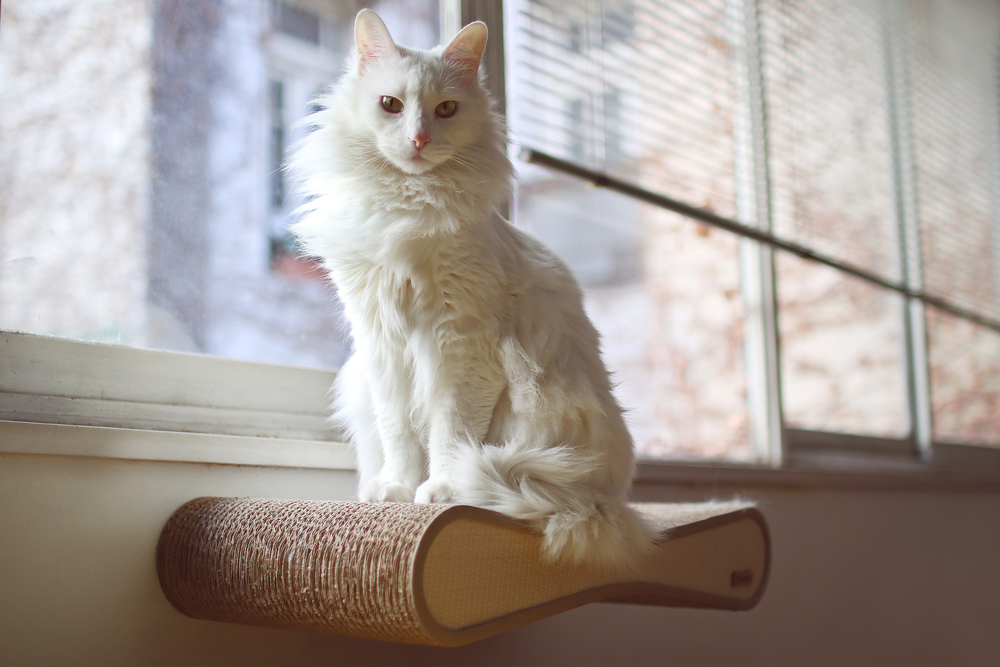
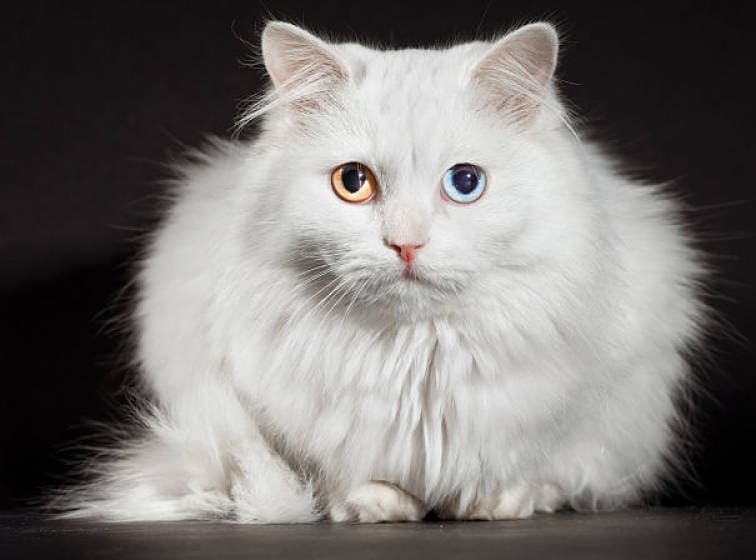
Classically, the Turkish Angora is a medium-haired kitty with a sound structure and quaint appearance. Often white in color, these beauties are elegant and soft. These delicate cats are often precise and dance-like in movement, often described as "ballerina-like."
While many are white with blue eyes, they can also have black, red, or silverish fur. Their eyes can range from blue to green, gold, or amber—and sometimes heterochromatic.
Personality
This is a brilliant feline breed with a graceful and affectionate nature. These cats can be inquisitive, and they're also very communicative. They will be highly vocal with their people, constantly interacting with family members.
This cat likes everyone in the home rather than picking a favorite. They also are an active breed, perfect for a family that is looking for a spunky cat that will love to play.
Diet
The Turkish Angora has no special dietary needs apart from other cats. However, feed them high-quality, protein-rich cat food for optimal health and a shiny coat. Some choose dry kibble, wet canned food, fresh food, or a combination of menu items for a well-rounded diet.
Exercise
A Turkish Angora needs about 15 minutes of exercise per day to stay happy. They will enjoy lots of exciting activities that many cats do, such as playing with catnip-filled toys, cat trees, cat exercise wheels, and otherwise.
Health
Turkish Angoras are typically very healthy cats with few health issues to mention. However, some of them can develop a heart condition called hypertrophic cardiomyopathy. This heart disease is common not just in the Turkish Angora but in many domestic cats across the board.
Conclusion
So now you know that the beloved cartoon cat Duchess was a Turkish Angora cat. Elegant and gorgeous, these cats are readily available and one of the oldest breeds known to man. Hopefully, you've learned some new and unique facts about this breed.
Remember, if you want to buy a Turkish Angora kitten, do so responsibly and ensure you secure a kitten from a reputable breeder.
See Als0:
Featured Image Credit: TheCats, Shutterstock

Expert cat care, straight to your inbox
Vet-reviewed advice, behavior tips, and the best of Catster. Free, and you can unsubscribe anytime.
By signing up, you agree to our Terms & Conditions and Privacy & Cookies Policy.
As a freelance dog writer and passionate pet enthusiast, Ashley Bates is pursuing studies in animal therapy. A mother to four human children and 23 animal companions, Ashley is dedicated to volunteering at shelters, advocating for animal rights, and rescuing animals in need. Her goal is to spread awareness, provide education, and offer entertainment about pets to reduce homelessness. Ashley's specialties include dogs and cats.
Join the conversation
Ask a question, share your story, or send private feedback.