What Is Cat Litter Made Of? Vet-Approved Types Explained (With Pictures)


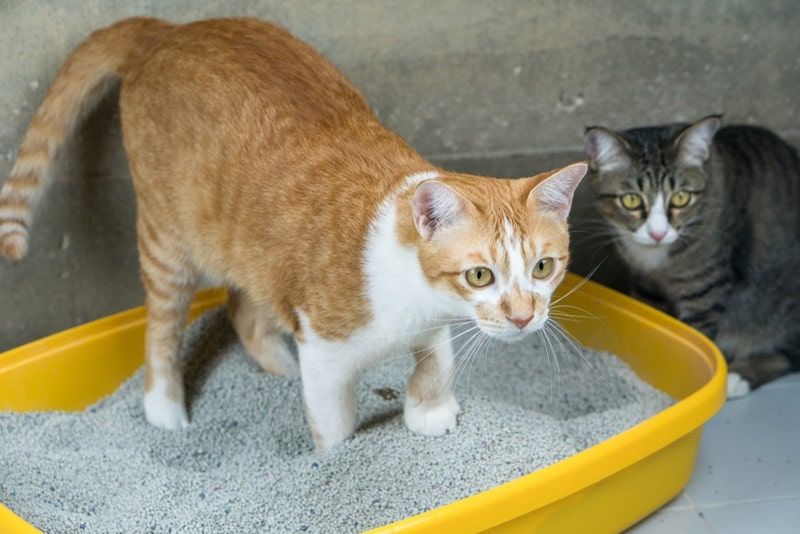
While cats make excellent pets who bring love and companionship into our lives, they have specific requirements, such as toys and cat litter. Choosing the right cat litter can take a bit of research.
Traditional products such as clay and silica gel litters are tried and true choices that have been around for a while, but there are also biodegradable options made from materials such as wood, paper, and tofu. So, what is cat litter made of? There isn't a simple answer to the question due to the variety of choices on the market, but you can keep reading to learn more about nine popular types of cat litter.

The 9 Types of Cat Litter
1. Clay Litter

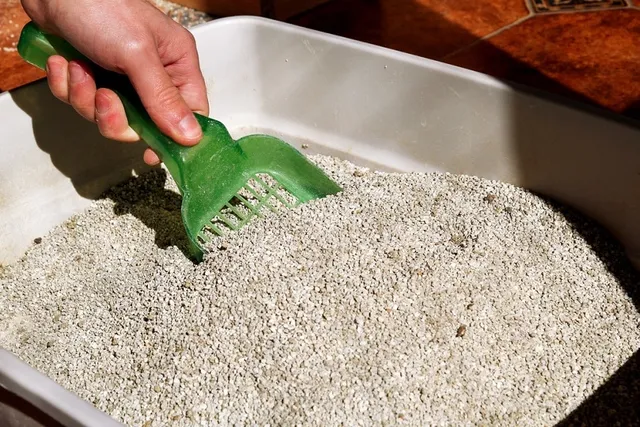
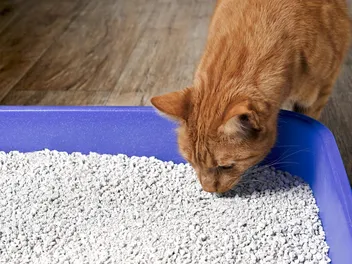
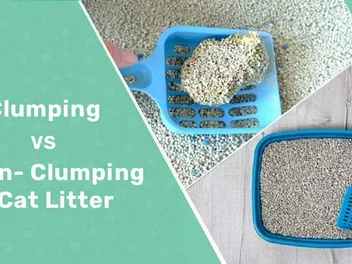
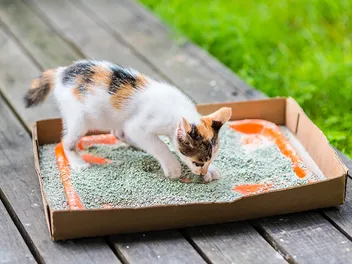
Clay litter comes in two varieties: clumping and non-clumping. Both are easy to find and affordable, and they typically do a nice job of absorbing urine and smells. When moisture hits clumping litter, hard clumps are formed, which you can scoop out so urine doesn't have to sit in your cat's litter box, which can go a long way toward keeping odors under control. With non-clumping options, changing the litter box and discarding the litter is the only natural way to get rid of accumulated urine.
Clay litter has a few drawbacks; it's often quite heavy, so it can be a challenge to carry. It also is a bit dusty. Cats can track clay litter through the house, making regular sweeping or vacuuming a necessity. Unfortunately, clay litter is not environmentally friendly since it’s not biodegradable.
2. Silica Gel Litter

Silica gel litter is a popular alternative to traditional clay options. These products usually weigh less than clay litter and are good at soaking up urine and trapping smells. The feces must be scooped out daily, and the remaining litter must be raked or stirred.
Silica gel litters typically produce less dust than clay and can be good choices if you or your cat have dust sensitivities, but they are often prone to tracking. Silica litters aren't biodegradable, so they may not be at the top of your list if environmental friendliness is one of your must-haves for cat litter. They’re also more expensive than clay litter.
3. Wheat Litter

Wheat litter delivers natural clumping action in non-toxic, environmentally friendly packages. They also provide natural odor control, but there are several scented products available as well.
Wheat weighs less than many of the other products on the market. They usually don't create much dust, and what tracing there is tends to be minimal. Some sources suggest that bugs may be attracted to the smell of wheat litter.
4. Tofu Litter

Tofu litter comes in pellets and typically has surprisingly good natural odor control, and it also naturally clumps to make it easy to keep smells under control. It can develop mold if exposed to moisture and improperly stored. It needs to be kept somewhere cool and dry.
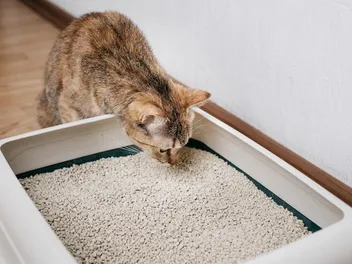
It's a plant-based, biodegradable option that also performs pretty well regarding tracking and dust production. It lasts for a reasonably long time, but it can be a bit on the expensive side.
5. Wood Litter

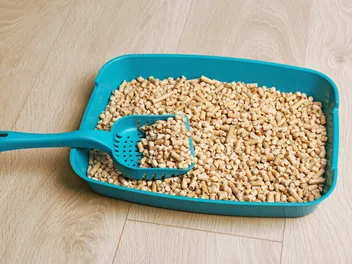
Wood litter generally comes in shavings and pellets. Both clumping and non-clumping products are available, and there are options featuring natural odor control and scented formulas, which we recommend avoiding.
Shaved products are incredibly soft, but they can be prone to tracking. Wood litter isn't terribly dusty and is a good choice for people and pets with allergies and sensitivities to dust. The wood can come from a variety of sources; some brands use wood sourced from sustainably managed forests, and others use reclaimed wood.
6. Corn Litter

Corn litter is a popular alternative to clay and silica products. It clumps like a charm, making it incredibly easy to scoop out urine. It also provides built-in odor control. It's non-toxic and biodegradable, so it may be worth considering if you're looking for an environmentally friendly product. While corn litters are usually excellent low-dust options, they are easy for cats to track around the house.
7. Pine Litter

Pine litter is available in clumping and non-clumping options and usually comes in pellets. It often has a strong scent, which some people and cats may find a bit too much, but it's also an effective natural odor minimizer. It doesn't produce much dust or track excessively. Some pets need time to adjust to the product's texture. It's biodegradable and often considered a more environmentally friendly than types. Many pet parents find this non-toxic option to be quite affordable as well.
8. Walnut Litter

Walnut litter is made of ground walnut shells, and there are clumping and non-clumping products available. The walnut shells provide natural odor protection, but scented products are available for those looking for something extra in the odor control department.
Walnut litters generally don't produce much dust and can be reasonably good for tracking. They’re eco-friendly choices since they're biodegradable and sustainable.
9. Paper Litter

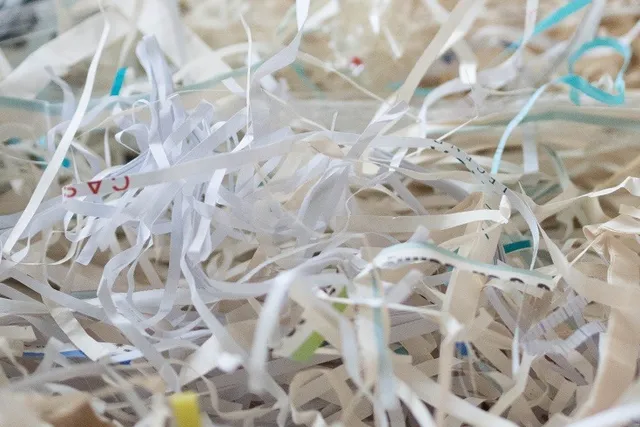
While paper products are often soft on cats' paws, they don't clump, so keeping the litter box smelling fresh sometimes requires extra effort. On the other hand, paper litters don't track much and produce less dust than other types.
Many brands are made from recycled paper. They're biodegradable and excellent options if you're looking for something sustainable. Odor control can sometimes be a challenge with paper litter, but scented products are available to help with the smell.

Cat Litter and the Environment
Pets have a substantial environmental impact through the food they eat, the waste they produce, and how their waste is disposed of. Cat litter in landfills has a steep environmental cost, given the number of companion cats and the amount of litter bought and disposed of by pet parents.
Clay and silica gel litters aren't biodegradable, so not only do they end up in landfills, but they sit there for a long time. Strip mining, which can lead to environmental erosion, is often used to source the clay in cat litter.
Quartz, which must be mined and is technically non-renewable, is needed to make silica products. Silica cat litter has a pretty high carbon footprint. Litter made from tofu and wheat breaks down naturally over time, and those made with products like reclaimed wood and recycled paper that give existing materials a new life typically have lighter environmental impacts than clay and silica products.

What's the Best Way to Transition to a New Cat Litter
Cats can be particular about their litter. Giving them time to adjust to new options is a good idea. One way to make the change is to mix the old and new products in the box and slowly lower the amount of the old litter while adding more of the new product until you end up with just the new litter.
Alternatively, you can buy a second litter box, fill it with the type you'd like to transition to and place it near your cat’s old litter box. If your cat starts using the new litter on their own, give them time to get comfortable before removing the old litter box.
Final Thoughts
Selecting the ideal litter depends on your cat’s preferences and your environmental concerns. Clay litter is easy to find and is available in clumping and non-clumping options. Silica products deliver exceptional odor control and generally don't require much attention to keep clean. However, clay and silica products aren't great for the environment or biodegradable.
Several biodegradable and sustainable products are made from wood, recycled paper, and soy. If you decide to switch your cat to another litter, make sure to transition slowly to give your buddy time to adjust.
Featured Image Credit: Anciens Huang, Shutterstock
Expert cat care, straight to your inbox
News, insights, and useful advice, delivered to you.

No spam — unsubscribe anytime.
By signing up, you agree to our Terms & Conditions and Privacy & Cookies Policy.
How useful was this post?
Click a star to rate. You can leave written feedback afterwards. (We read all feedback.)
Lorre Luther is a writer who is firmly convinced that cats are smarter than humans. She left her law career in the United States and moved to the Netherlands to follow her dream of becoming a writer. Lorre currently lives in Rotterdam, she enjoys traveling and greatly appreciates the beauty of nature. Lorre has a spot for animals and admires the intelligence of cats.