10 Types of Rex Cat Breeds (With Info & Pictures, Vet-Reviewed)


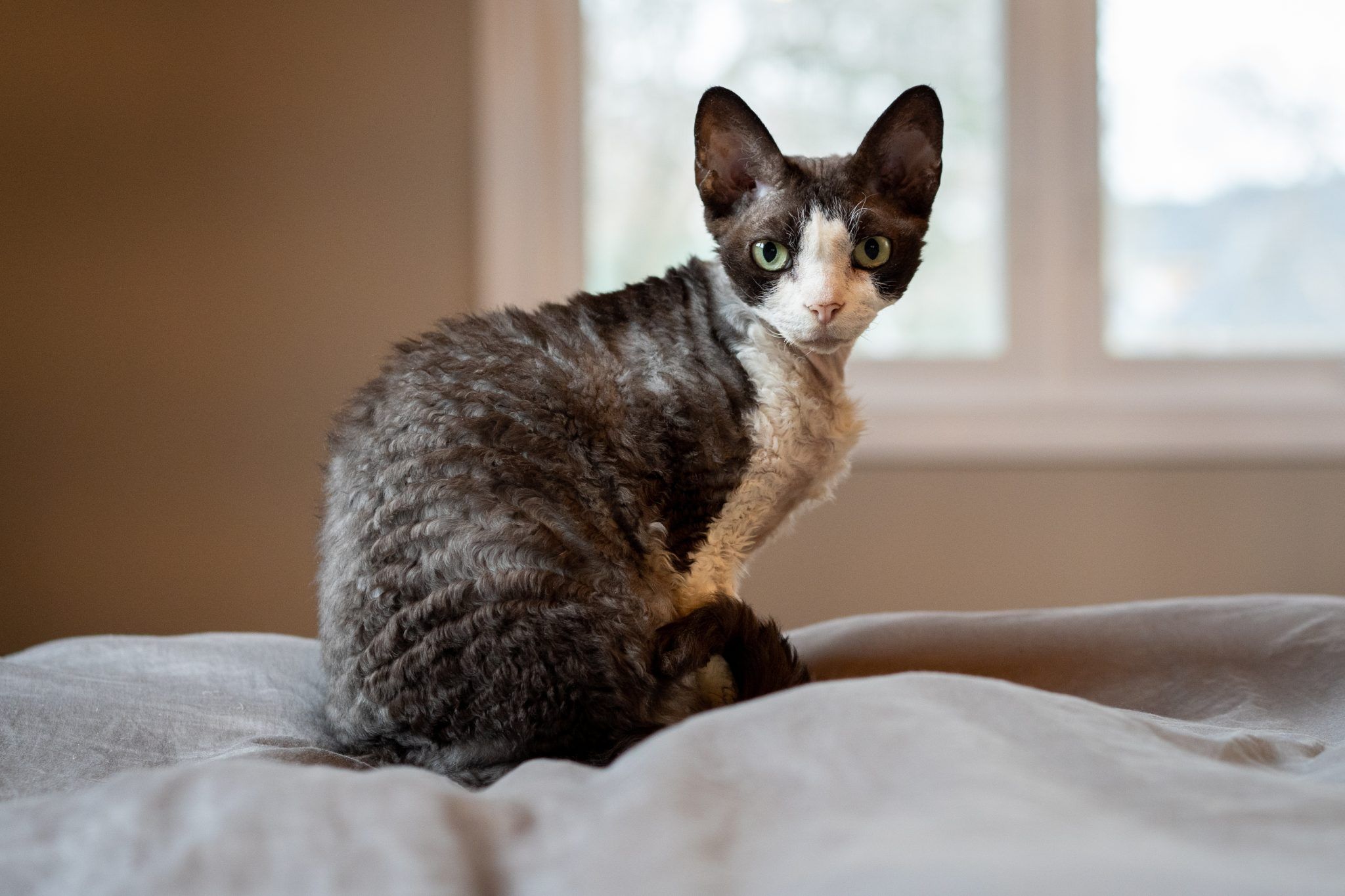
While most people think of cats with straight hair, that’s not always the case. Rex cats are known for their curly hair, and there are multiple types of Rex cats out there for you to check out. Some Rex cats have short hair, and some have long hair, but you can find them in all sorts of colors. They have a rich history and have found their place all over the world, so all that’s left is for you to check out the kitties and pick your favorite one!

The 10 Types of Rex Cats
1. Devon Rex

Breed Overview
Height:
Weight:
Lifespan:
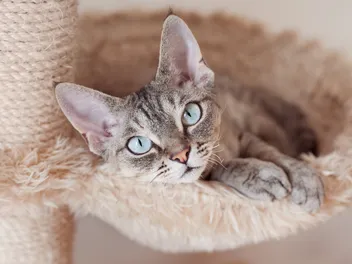
The Cat Fanciers Association only formally recognizes three Rex cat breeds, and the Devon Rex is one of those three breeds. The Devon Rex is a loving cat that gets along with everyone, including other pets and people, when properly socialised and introduced.
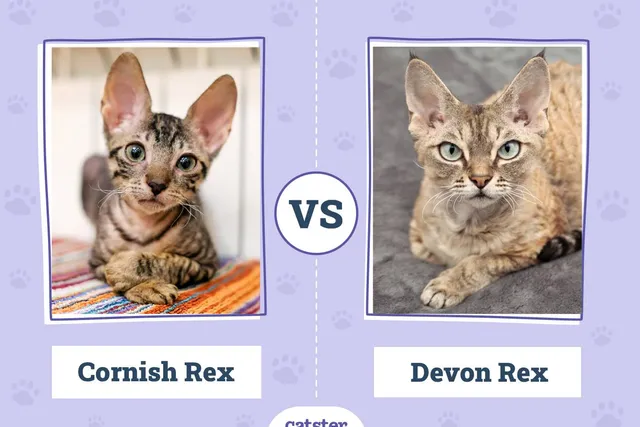
You can find Devon Rexes that are black, gray, red, white, or a combination of these colors, and they have short, curly coats. One of the most notable differences between the Devon Rex and other Rex cats on our list is their short muzzles.
2. Cornish Rex

Breed Overview
Height:
Weight:
Lifespan:
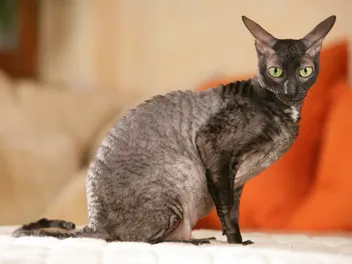
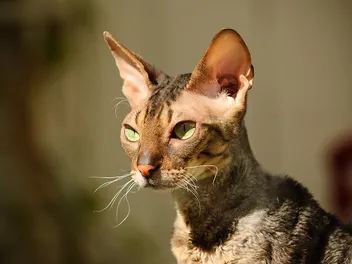
The Cornish Rex is another breed recognized by the CFA. They have large ears, wavy fur, and slender legs, even compared to other cat breeds. These cats are extremely energetic and intelligent, and they’re always looking for places to play.
They’re outstanding family pets that get along great with kids and other types of cats, when socialised from an early age and properly introduced. With short, curly hair, they have a unique appearance that makes them easy to pick out from different types of cats, even other Rex cats.
3. Selkirk Rex

Breed Overview
Height:
Weight:
Lifespan:
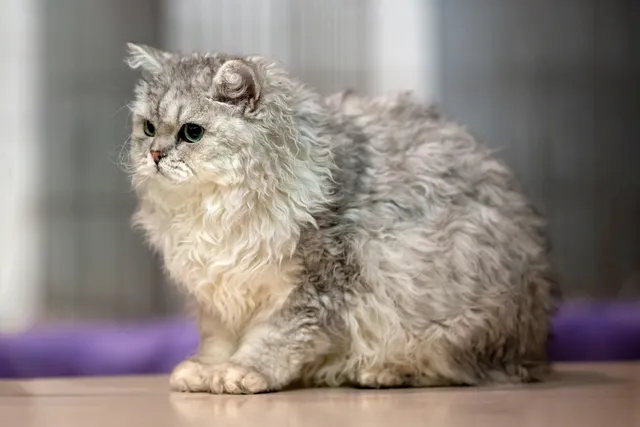
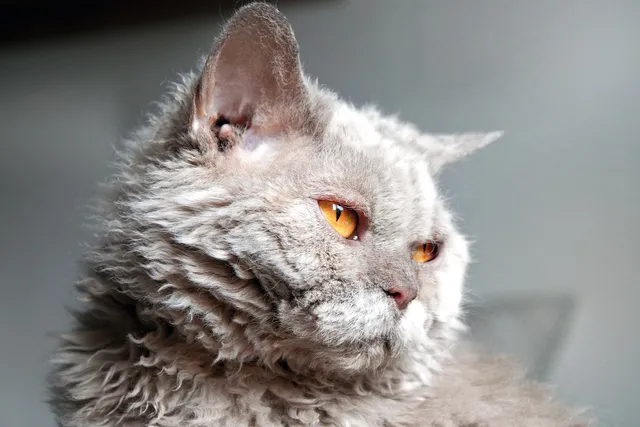
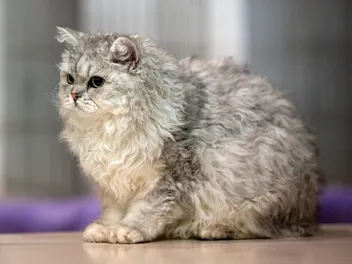
The Selkirk Rex is the last Rex cat breed on our list that the CFA recognizes. However, while the Devon and Cornish Rex have similar ancestry and appearance, the Selkirk Rex comes from a completely different line that traces its roots to Montana.
The Selkirk Cat has long, curly fur and is larger and heavier than the Devon and Cornish Rex, making it the outlier compared to the other two Cat Fancier Association-recognized Rex cats.
4. German Rex

Breed Overview
Height:
Weight:
Lifespan:
As the name implies, the German Rex gets its roots from Germany, and it’s the first Rex cat on our list that doesn’t enjoy CFA recognition. They’re a highly variable breed that comes in numerous colors and patterns, but their personalities are almost always loving and sociable.
Compared to other cats on our list, they’re low maintenance, making them the perfect companion if you don’t want to spend a bunch of time completing menial care tasks and just want a cat you can cuddle up with.
5. Tennessee Rex

Breed Overview
Height:
Weight:
Lifespan:
The Tennessee Rex (also called the T-Rex) is a newer breed that first appeared in 2004. A man named Franklin Wittenburg began taking care of a pregnant semi-feral cat, and when she gave birth, he noticed the unusual coat on some of her kittens. After testing by a feline geneticist, it was determined that the cat's soft, curly fur results from a natural mutation among the feral cat population in Tennessee. The International Cat Association (TICA) admitted the Tennessee Rex as a provisional new breed in 2009.
Though the fur texture, which includes a satiny, sparkly effect, is the same among all cats of this breed, they can be any color. In addition to their beautiful coats, these cats are known for their easygoing, loving temperament.
6. LaPerm Rex

Breed Overview
Height:
Weight:
Lifespan:
The LaPerm Rex is one of the smaller Rex cat breeds, with some only standing about 6 inches tall. There are a lot of variances with these cats, with some having short fur and others having long fur. You can find these cats in black, white, blue, cream, red, and more, and they come in many patterns.
But while there are differences between these cats, they are hard to come by due to low breeding numbers. It’s possible that one day, these cats might garner official recognition from more feline associations, but it seems likely that it’s a long way off. Currently, it’s recognized by TICA.
7. Tasman Rex Cat

Breed Overview
Height:
Weight:
Lifespan:
The Tasman Rex originally comes from Tasmania, Australia, and it’s unique in quite a few ways. They come in all sorts of colors, including calico. However, the signature feature for most Tasman Rex cats is their rounded head shape, which makes them easier to stand out compared to other breeds on our list.
They’re extremely loving and affectionate, quite rare to come by, but keep in mind that they do require a bit more time and attention compared to other Rex cat breeds on our list.
8. Ural Rex

Breed Overview
Height:
Weight:
Lifespan:
The Ural Rex has Russian origins, and they have thick fur that stands out all over the place. The Ural Rex simply looks fuzzy, and they often have striking color combinations. They’re intelligent, social, and loving toward everyone, and they may enjoy having other cats in the home when properly introduced.
They’re extremely playful and active cats, but they also can have an independent streak, so they don’t need non-stop attention from their owners.
9. Skookum Rex

Breed Overview
Height:
Weight:
Lifespan:
If you want a Rex cat that looks like a teddy bear, the Skookum Rex might be just what you’re looking for. They’re independent and energetic cats, so expect to have them zooming all around your house and entertaining themselves.
They want to explore their environment as much as possible, so you’ll want to have various toys for them to play with and to cycle through. They’re great cats, and if you have some time to give them but don’t want a cat constantly begging for more attention, they might be just what you’re looking for!
10. Oregon Rex Cat

Breed Overview
Height:
Weight:
Lifespan:
While the Oregon Rex makes this list, you’re not going to find an Oregon Rex to bring home. That’s because the breed is currently extinct, so you won’t be able to bring one home. While breeders have attempted to revive the breed, a lack of interest in the original breeds is what led to their extinction.
They were great family pets with large eyes and small ears, but they simply weren’t as popular as the other Rex cat breeds on our list.
Final Thoughts
Now that you know a little more about the different Rex cats on our list, all that’s left is for you to decide if one is right for you or if you want one at all! They’re extremely loving cats that typically get along great with families, and with a variety of appearances and personalities, there’s really a Rex cat for everyone.
Sources
Featured Image Credit: Heather Raithby Doyle, Shutterstock
Expert cat care, straight to your inbox
News, insights, and useful advice, delivered to you.

No spam — unsubscribe anytime.
By signing up, you agree to our Terms & Conditions and Privacy & Cookies Policy.
How useful was this post?
Click a star to rate. You can leave written feedback afterwards. (We read all feedback.)
Adam is a seasoned freelance writer and passionate animal lover who has dedicated years to rescuing countless animals. With a decade of experience as a freelance writer and an even longer history of animal rescue, he has honed his skills in both fields. Adam is also a proud father of three and thrives on challenges and new adventures.