Get

In Your Inbox

Catster is reader-supported. When you buy via links on our site, we may earn an affiliate commission at no cost to you. Learn more.

4 Home Remedies for a Spider Bite on Your Cat – Our Expert Guide

Share

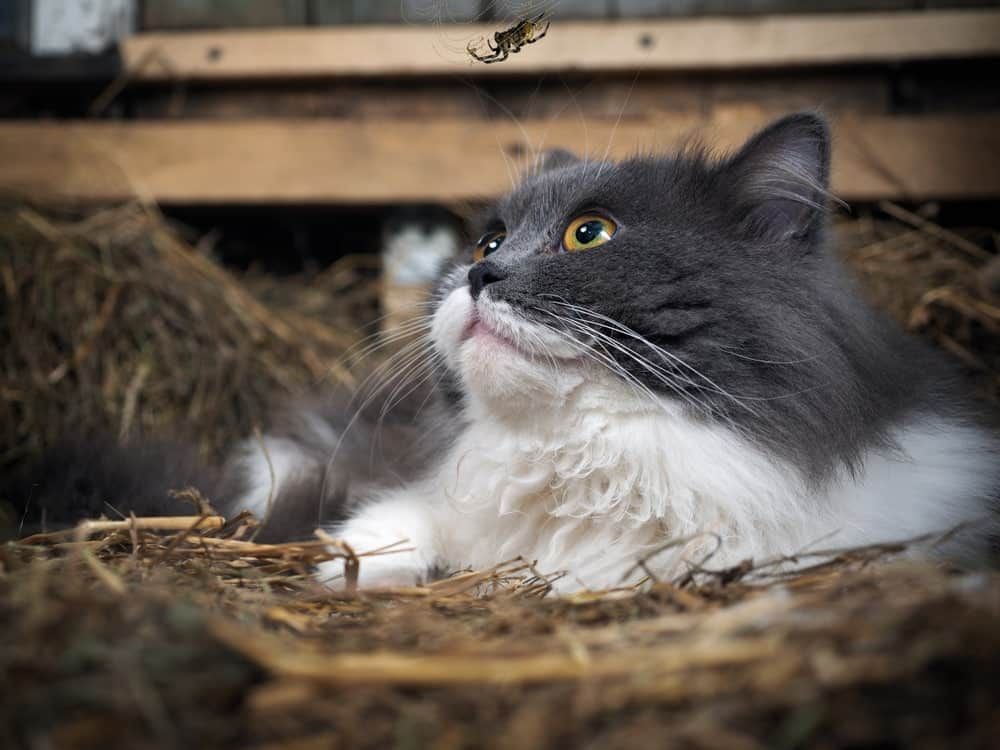
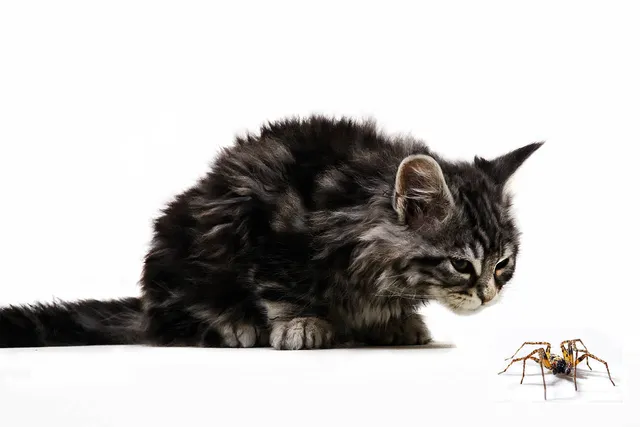
Cat Watches Spider

Some cats love to investigate anything and everything, which sometimes includes spiders! Spider bites can be serious, so while there are home remedies that you can use to soothe adverse reactions, we recommend taking your cat to the vet for a consultation. Spider bites can be deadly for cats, so it’s better to be over-cautious.

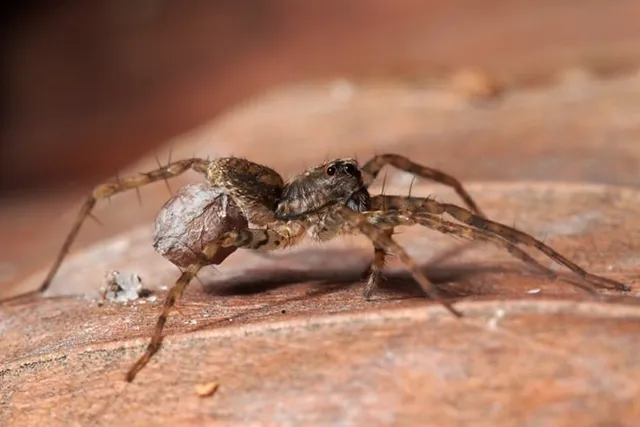
The good news is that most spider species in the U.S.A. can’t harm your cat, as their fangs are too short to do any damage. Your cat may get a bite, but it won’t cause any long-term harm. However, two types of spiders in the U.S.A. are venomous, and a bite from one of these can cause serious complications for your cat. These species are:

  • The Black Widow
  • The Brown Recluse (Fiddleback)

divider cat paw scratch oct 2024

What Should You Do if You Think a Spider Has Bitten Your Cat?

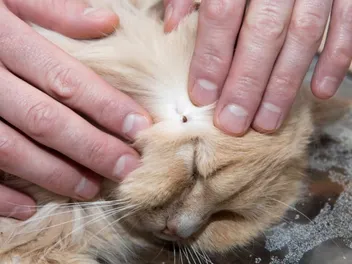
If you think your cat has been bitten by a spider, look for any of the following signs:
  • Swelling
  • Redness
  • Sores or bite marks
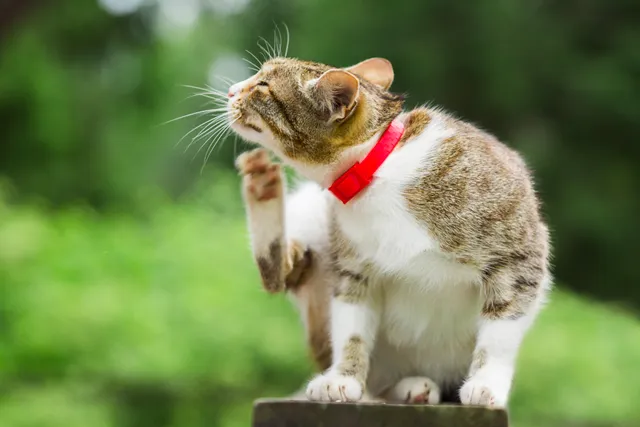
  • Intense scratching at the site of a bite
  • Fever
  • Drooling
  • Excitability
  • Chills
  • Vomiting
  • Muscle weakness
  • Joint pain
  • Labored breathing
  • Collapse
  • Tremors
  • Skin swelling
  • Diarrhea
  • Paralysis

Bear in mind that the signs of a spider bite often present a few hours after the bite itself. Call your veterinarian immediately, and tell them you think a spider has bitten your cat. If you saw the bite happen and the spider is still visible, collect the spider in a jar or take a photo. If the spider can be positively identified, it will be quicker and easier for your vet to decide which treatment is needed.

While waiting to take your cat to the vet, you can use the following home remedies.

The 4 Remedies for Spider Bites

1. Restrict Your Cat’s Movement 

Tabby cat eating from inside inside a cat carrier box
Image Credit: Oleg Batrak, Shutterstock

Allowing your cat to walk or run will increase their blood circulation, making the venom travel faster around their body. Place your cat in their carrier, or keep them in a small space where it’s harder for them to move around.


2. Keep the Bite Below Your Cat’s Heart Level 

Sick cat in animal hospital
Image Credit: Kachalkina Veronika, Shutterstock

This can also help slow the spread of the venom.


3. Wash the Site of the Spider Bite 

cat in bathtub
Image Credit: 135pixels, Shutterstock

Use cold water and soap or an antimicrobial spray if you have it. This can help reduce the risk of a secondary infection developing.


4. Apply a Cold Pack 

Woman putting ice cubes into pack
Image Credit by: New Africa, Shutterstock

Placing a cold pack on the bite, if your cat allows it, can numb the pain and help reduce swelling. The temperature reduction will also slow the circulation in that area, reducing the spread of the venom.


Treatment for Spider Bites 

The type of treatment your vet uses will depend on the species of spider that has bitten your cat. For any venomous spider, immediate veterinary care is critically important. Bites from a black widow spider can cause your cat’s diaphragm to become paralyzed. Your vet may administer an antivenin, intravenous fluids, pain medicine, or muscle relaxants.

Brown recluse spider bites can cause the tissue surrounding the bite to die off. This can leave a red wound with a pale ring surrounding it and itchiness and bruising. It can also cause nausea and a fever. Left without treatment, a deep tissue injury is likely. Your vet may use an antivenin and prescribe steroids to reduce any damage to tissues or remove dead tissue. Antibiotics may be used to prevent secondary infections. It can take up to a month for your cat to recover.

divider cat paw scratch oct 2024

How to Reduce the Chance of Spider Bites

If you’re concerned about your cat getting bitten by a spider, remember that most spiders can not harm your cat. Make sure to vacuum the corners of each room, both up high and down low, where spiders like to hang out. If you see cobwebs, try to remove them. Keep your cat away from areas of the house where spiders may be more likely, such as the basement or attic. If you have a woodpile, move it away from the house, and don’t allow your cat to follow when you collect wood, as spiders love woodpiles!

Some spiders like to hide in long grasses, so keep the lawn around your house as short as possible. If you spot multiple venomous spiders, there may be a nest nearby. We recommend calling in a pest control company that can remove the infestation for you.


Featured Image Credit By: Irina Kozorog, Shutterstock

Want content like this delivered to you?

Sign Up For Our Newsletter

News, insights, expert advice, and everything cat

* By submitting, you agree to our Terms & Conditions and Privacy & Cookies Policy.


How useful was this post?

Click on a star to rate (you can leave written feedback after clicking submit)

Help us improve Catster for pet parents!

Your feedback really matters.

What did you like about this post? Also how can we improve it?

Join the conversation

Leave a Reply

You’re very welcome to leave a comment or question. Please know that all comments must meet our community guidelines, and your email address will NOT be published. Let’s have a positive and constructive conversation.


Catster's Digital Magazine is Back!

Vet-approved health & behavior advice

Real cat stories & community features

Life Through Minnie’s Eyes: The Cat Behind the Comics

I used to volunteer at a small local cat shelter called Little Flower Rescue. I had actually met another cat, Sylvia, whom I...

The Original Space Invaders – Why Zero Respect for Personal Boundaries Is a Good Thing

Cats have a reputation for being independent, and in many ways they are. But anyone who has tried to work at a laptop...

How Cats Are Helping to Cure Cancer

When most people think about medical breakthroughs, they picture scientists in laboratories and clinical trials involving human patients. Few would imagine that the...

Ask Dr. Paola – My Cat Loves Eating Grass, But It Makes Her Vomit! (June 29, 2026)

Welcome to our “Ask Dr. Paola” series, where every Monday we bring expert advice straight from Dr. Paola Cuevas (MVZ) to help our...

More related

How Long Can a Cat Go Without Peeing? Vet Reviewed Facts & FAQ

As a living being, a healthy cat’s urinary system is always functioning and constantly producing urine. On average, healthy cats urinate two to...

Cat Strokes: Signs, Causes, Diagnosis, Care & FAQ (Vet Answer)

Although relatively rare, cats experience strokes. A stroke occurs when there is an abrupt interruption in the blood supply to your cat’s brain....

Cats’ Experience With Leash Training: Adventures, Challenges & More

I previously introduced you to Laura Kicey, a graphic designer, illustrator, photographer, and artist living in the Philadelphia suburbs with her partner and...

Why Do Cats Poop on Grass? 3 Vet-Reviewed Reasons & How to Stop It

Usually, cats are fastidious about burying their poop in loose earth, sand, or their litter tray. As pet owners, knowing about our four-legged...

Keep reading

Can Cats Eat Limes? Vet Approved Facts & FAQ

Our feelings about our pets have changed. Many people see themselves as parents instead of owners. That’s reflected in the fact that some manufacturers label their products as human-grade, although no legal framework for this term exists; it’s simply marketing....

Can Cats Eat Limes

How Do Cats Play with Humans? Vet-Reviewed Feline Behavior

Watching two cats play together can be a ton of fun because of the spirited and silly antics they get up to. However, these playful actions often don’t carry over to playtime with humans. It can be difficult to determine...

cat playing with owner

How to Clean Cat Eye Boogers? Vet-Approved Step-by-Step Guide

A thin layer of tears protects a cat’s eyeball, protecting the eye from any irritants or foreign bodies to keep vision clear. The overflow of tears can cause discharge or “eye boogers,” which come from the overproduction of tears or...

Eye discharge in old brown cat

Can Cats Eat Pepperoni? Vet-Reviewed Nutritional Facts & Safety Info

You might have left out a leftover pizza only to be interrupted by a phone call. When you come back, you find your cat chomping down on the pepperoni. Should you be worried? Can cats even eat pepperoni? We’ll look...

Can Cats Eat Pepperoni

Does Baking Soda Kill Fleas on Cats? Vet-Approved Effectiveness & FAQ

Baking soda is an effective and inexpensive home remedy for several problems, and you may have heard that baking soda can kill fleas on cats. The idea is that baking soda creates an environment that the fleas cannot survive in...

baking soda in a glass bowl

Why Does My Cat Want to Go Outside So Bad? 6 Vet Approved Reasons

If you can’t open a single door in your house without your cat trying to bolt, you know how stressful the constant escape attempts can become. But have you ever wondered why your cat constantly tries to flee to the...

Toyger cat outside

Why Is My Cat So Jumpy All of a Sudden? 8 Vet Reviewed Reasons 

It can be alarming to see your cat act jumpy all of a sudden, especially out of nowhere. Cats cannot tell us exactly how they feel, which is why cat owners should pay close attention to their cat’s body language....

scared British blue-point cat hiding under the bed

How Much Time Should You Spend With Your Cat? Vet-Approved Advice

We all have busy lives, so we’re constantly trying to carve out time to spend with our family and friends and still have quality alone time. When you own a cat or multiple cats, you need to spend time with...

young cat owner playing with her pet at home

Love Cats? So Do We! Join the Catster Community

Stay informed with expert pet care insights delivered straight to your inbox! Discover professional guidance on animal behavior, feeding tips, trusted product picks, and much more.


Sign up for the Catster Email Newsletter

Stay informed with expert pet care insights delivered straight to your inbox! Discover professional guidance on animal behavior, feeding tips, trusted product picks, and much more.