Nebelung Cat Health Problems: 6 Common Issues


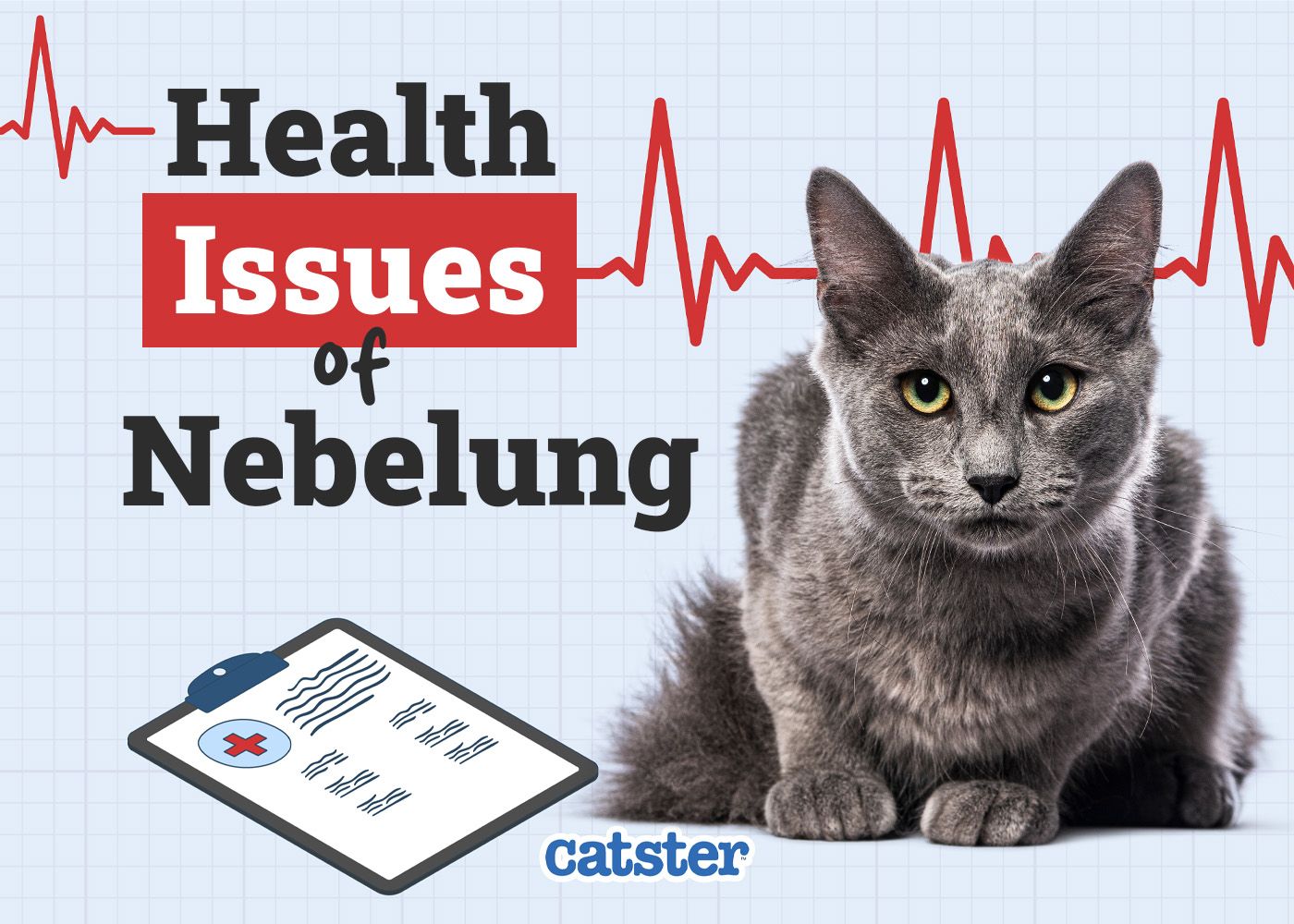
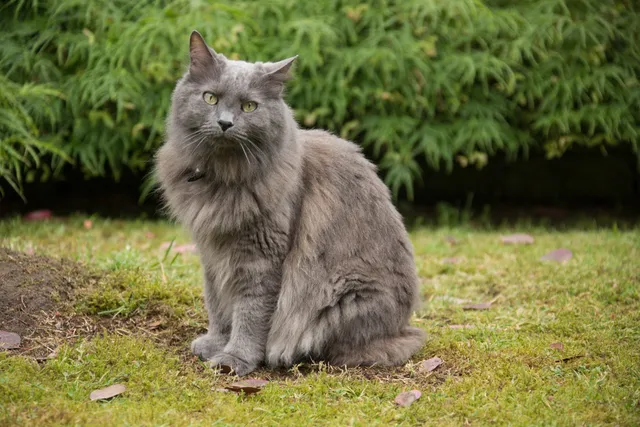
Nebelung cats are still a relatively rare breed. They have a very long lifespan of up to 18 years. But because they have only been around since the 1980s, there still isn’t a lot known about their overall health and any health conditions they are more prone to suffering from. Because of this, it can be hard to know what you might be getting into if you’re thinking about owning one.
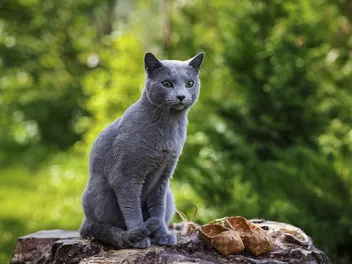
What we do know is that they are genetically related to Russian Blue cats and are sometimes called “Long-Haired Russian Blues”. That means that any health problem a Russian Blue cat could get, a Nebelung could potentially get it, too. Plus, they are cats, so any diseases that are common among cats, in general, can affect a Nebelung also. In this article, we’ll look at some of the potential health problems that may affect a Nebelung.

The 6 Nebelung Cat Health Problems
1. Bladder Stones
Bladder stones and other urinary tract diseases are commonly seen in Russian Blue cats. With that being said, it doesn’t necessarily mean that your Nebelung will have them, but it’s worth mentioning since Nebelungs are related to Russian Blues. In fact, a Russian Blue was used in the creation of the Nebelung breed, so Nebelungs and Russian Blues do share some DNA, so bladder stones are definitely worth mentioning.
Bladder stones are formations of minerals that develop in the bladder and can cause problems with urination. Signs of bladder stones include blood in your cat’s urine or straining to urinate. The condition can be painful, and in some cases, the stones can obstruct the urethra, and your cat won’t be able to urinate at all. If that happens, it’s an emergency situation, and your cat would need to see a vet immediately.

2. Dental Disease
Dental disease is one of the most common health problems seen in cats regardless of their breed, which means that your Nebelung is just as prone to having it as other cat breeds are. More than half of cats over 3 years old have some sort of dental disease, with the most common being gingivitis, periodontal disease, or tooth resorption.
If your Nebelung has dental disease, it may not be detectable just by looking at your cat. A veterinarian can confirm dental disease during a physical exam of your cat. Some cats with dental disease may express signs such as bad breath, trouble chewing food, pawing at the mouth, and excessive drooling, depending on how much the disease has progressed.
3. Feline Diabetes and Obesity
We’ve put these two together because although it’s still not 100% what causes diabetes in cats, obesity is one of the primary risk factors. With that being said, a Nebelung who is obese is not necessarily going to develop diabetes, and a cat that develops diabetes doesn’t have to be obese. We just listed them together because they are so closely linked.
Obesity is essentially when cats have excess body fat, and it is mostly caused by overeating. Nebelungs love to eat, a trait they get from the Russian Blue. It’s important to not overfeed your Nebelung and make sure that he gets plenty of exercise to prevent him from becoming overweight. In addition to diabetes, obesity in cats can lead the way to other health conditions such as bladder stones, arthritis, heart disease, cancer, and a shorter lifespan.
If your Nebelung cat is obese and you notice signs such as increased thirst and urination and weight loss even though your cat is eating, it could be that he has diabetes. If your cat does develop diabetes, you may have to treat him with insulin as well as put him on a special diet.

4. Kidney Disease
Kidney disease is much more common in older cats than in younger ones, but it can affect cats of all breeds. The kidneys serve the purpose of helping to filter and remove waste from your cat’s body, and in cats with kidney disease, the waste products will build up over time if the kidneys don’t function properly. This is also a disease that is slow-developing and may eventually result in kidney failure.
Signs of kidney disease include weight loss and a dull coat. Your cat may also drink more water and expel lower concentrations of urine in larger amounts. Causes of kidney disease and kidney failure include kidney stones, viral infections, kidney malformations, and kidney tumors, among others.
5. Hyperthyroidism
Hyperthyroidism is another common condition seen in Russian Blues, but it can affect all cats as they get older, which is why we listed it for Nebelungs. Hyperthyroidism is when the thyroid hormone is overproduced, which increases your cat’s metabolic rate. It can cause weight loss despite an increased appetite as well as restlessness and aggressiveness in cats as well.
Hyperthyroidism can also make a cat’s fur appear messy and unkempt, as well as develop vomiting, diarrhea, and anorexia. The disease can also cause secondary heart complications, including high blood pressure and thickening of the heart muscle, which can lead to a faster heartbeat. This condition is treatable but requires a vet diagnosis.

6. Skin Conditions
There are a variety of skin conditions that can affect cats of all breeds. These conditions have a variety of causes as well, including allergies, parasites such as fleas, ticks, mites, bacteria, a fungus, etc. All skin conditions look similar and may be characterized by scabs, patchy fur, redness, and inflammation, among other signs. Because they all look so similar, a vet may have to diagnose exactly what the condition is.
Conclusion
Although Nebelungs are relatively healthy cats, they can still be affected by conditions that affect other cats as well as their relatives, the Russian Blue, in particular. The best way to prevent health problems in Nebelungs is to have them regularly checked by a veterinarian to get on top of and treat any potential issues early on. That way, you can ensure that your Nebelung lives out his long lifespan.
Featured Photo Credit: Juice Flair, Shutterstock
Expert cat care, straight to your inbox
News, insights, and useful advice, delivered to you.

No spam — unsubscribe anytime.
By signing up, you agree to our Terms & Conditions and Privacy & Cookies Policy.
How useful was this post?
Click a star to rate. You can leave written feedback afterwards. (We read all feedback.)
Savannah started as a science teacher and is now a full-time freelance cat writer. She loves traveling, tending her garden, and writing about wildlife and nature. She's also the proud parent of a daughter, three cats (Thunder, Kittylina, and Bubba), a long-haired Chihuahua (Penny), and a turtle (Creek).