My Cat Killed a Bird: What to Do & Prevention Tips (Vet-Verified)


In this article
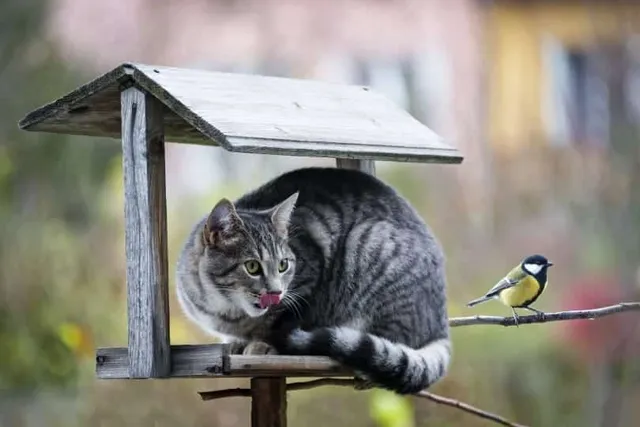
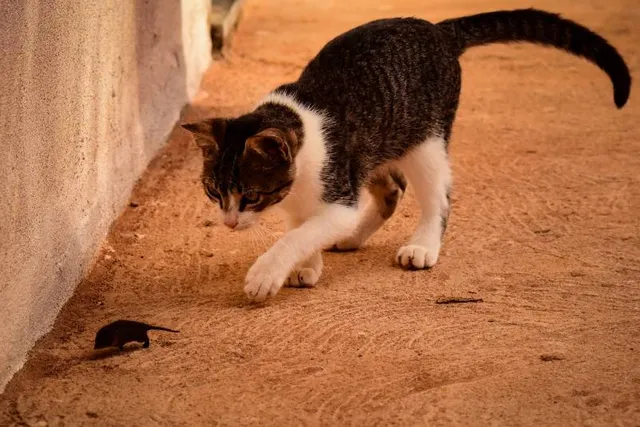
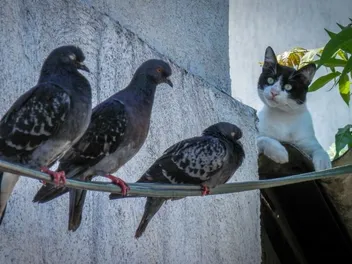
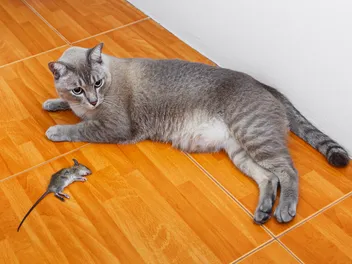
If you have an outdoor cat, chances are there will be a time that they bring you a dead bird. This experience is unpleasant and certainly not something you would like to repeat. So, what do you do now? First, you must dispose of the dead bird while observing proper health and safety precautions.
Then, watch over your cat to ensure they are not developing any signs of illness. Once both steps have been completed, you can take preventative measures to ensure it does not happen again.
Important Note: Outdoor domestic cats are a recognized threat to global biodiversity and have contributed to the extinction of 63 species of birds, mammals, and reptiles1. In the U.S. alone, outdoor cats kill approximately 2.4 billion birds each year. Although this number may seem overwhelming, it highlights the significant cumulative effect of millions of outdoor cats. Taking steps to prevent your cat from hunting birds is not only beneficial for wildlife but also for your cat’s safety and well-being.

How to Handle a Dead Bird
If you have a dead bird on your porch or in your house, your immediate impulse may be to pick it up and throw it outside. However, take a moment to think about your actions before disposing of the bird because there are some precautions that you should take.
Birds can carry infectious diseases, so it is vital to take care when handling them to prevent any transmission of illnesses. If you are unsure whether the bird is dead, prod at them with a stick before approaching. If the bird is alive, contact a Department of Natural Resources (DNR) -licensed wildlife rehabilitator.
If the bird is dead, pick it up with disposable gloves or an inverted plastic bag. While carrying the bird, be sure that the beak or claws do not puncture your gloves or other material you are using to transport the bird. You should not touch the bird with your bare hands. Check with your state health department or state wildlife agency for information about reporting dead birds in your area.
Place the bird inside a plastic bag and seal it tightly, then place the bag within a sealed bag. Dispose of the bird in your trash. As soon as possible, wash any object that came in contact with the bird. Wash your bare hands for at least 20 seconds as a safety measure.

Monitor Your Cat for Signs of Illness
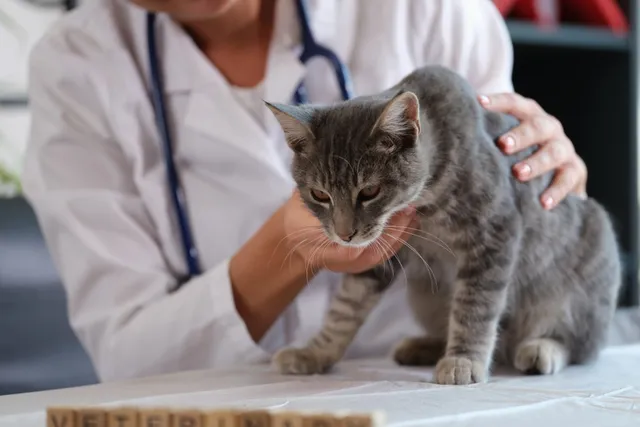
Now that the dead bird has been taken care of, you must pay close attention to your cat over the following days. There are infectious diseases that your cat could catch from having contact with a bird or their droppings.
Songbird fever (salmonellosis) is a condition that cats can develop after catching and eating a sick songbird or healthy bird that carries the bacterium. When infected with Salmonella, birds can pass the infection to your cat. This can lead to lethargy, fever, diarrhea (could be bloody), decreased appetite, vomiting, and abdominal pain. Infected cats may or may not develop signs of illness, but they can all pass Salmonella in their stool, posing a risk of infection to people.
Another growing concern is avian influenza A (H5N1), which has emerged as a threat to cats. Infection can occur through contact with wild birds or by eating raw meat from infected poultry, such as duck, turkey, or chicken. Early signs may include loss of appetite, lethargy, and fever, which can progress to severe respiratory and neurological signs.
If your outdoor cat starts showing signs of illness, contact your vet promptly.
Prevent Your Cat from Killing Birds
The most effective way to keep your cat from attacking birds is to keep them indoors. However, if this option is unavailable, you can limit access to the outdoor world with obstructions such as fencing, netting, or even a catio.
If your cat refuses to end their free-roaming privileges, put a brightly colored collar with a bell on them. The vivid color and the ringing bell will help birds spot your cat before they can pounce, and it should give them plenty of time to vacate the area.
Conclusion
No one wants to be surprised with dead birds (except our cats). While keeping your cat indoors is the only way to guarantee that they do not kill more birds, other methods, such as using a collar with a bell, can impede their hunting abilities. Whatever you decide, the birds will surely thank you!
Beyond protecting wildlife, preventing your cat from catching birds also helps safeguard both their health and ours. Birds can carry infectious diseases like songbird fever (salmonellosis) and avian influenza A (H5N1), both of which can cause serious illness in cats and humans. Keeping your cat indoors, supervising outdoor time, or taking preventive measures can reduce these risks while keeping both your cat and local wildlife safe.
Featured Image Credit: Kuttelvaserova Stuchelova, Shutterstock
Expert cat care, straight to your inbox
News, insights, and useful advice, delivered to you.

No spam — unsubscribe anytime.
By signing up, you agree to our Terms & Conditions and Privacy & Cookies Policy.
How useful was this post?
Click a star to rate. You can leave written feedback afterwards. (We read all feedback.)
Cats are Jordyn’s passion. Whenever she has the opportunity she loves to learn about animals and share her knowledge with everyone. She is devoted to her sassy tabby cat named Jack and works hard to buy him his favorite treats and toys. Discovering new ways to better care for her cat is always on her to-do list, and she is eager to help pet parents everywhere. In Jordyn's spare time, she loves to write, read, and take long walks. She has a creative spirit, which often helps her to come up with funny cat names.