9 Most Popular Cat Breeds From Thailand: Info, Pictures & Facts
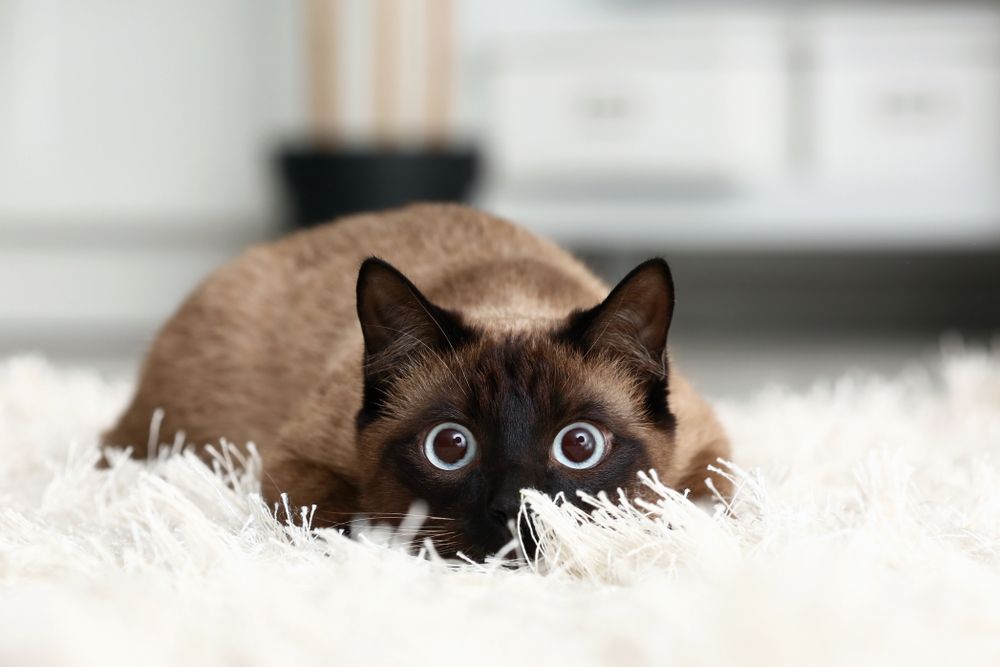
There are many cat breeds in Thailand, and several have spread around the world and gained recognition. Along with winning hearts with their stunning looks, these fascinating felines have also established themselves with Thai culture and beliefs.
In this article, we introduce you to Thailand's most popular cat breeds. While some are recognizable, we are confident that there are others that you have yet to meet and will adore due to their distinctive traits, endearing personalities, and interesting history.

How Are Cat Breeds From Thailand Classified?
There were once 23 kinds of native Thai cats, some of which were seen as bringing good luck and others as ominous omens, according to texts like the Tamra Maew, a book of cat lyrics penned by Buddhist monks more than 300 years ago.
Thai cats have gained popularity worldwide since King Rama V's reign, and many modern breeds may trace their ancestry to Thailand. Numerous international breeding initiatives assisted in developing recognizable traits, and some Thai breeds eventually obtained official recognition from cat breed organizations.
The 9 Popular Cat Breeds From Thailand
1. Thai Cat

Breed Overview
Temperament:
Weight:
Lifespan:
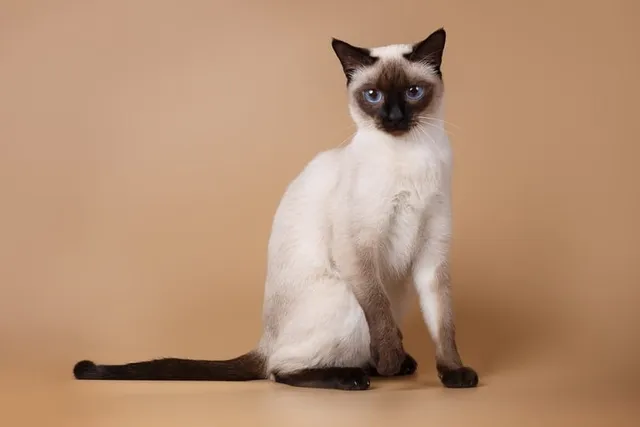
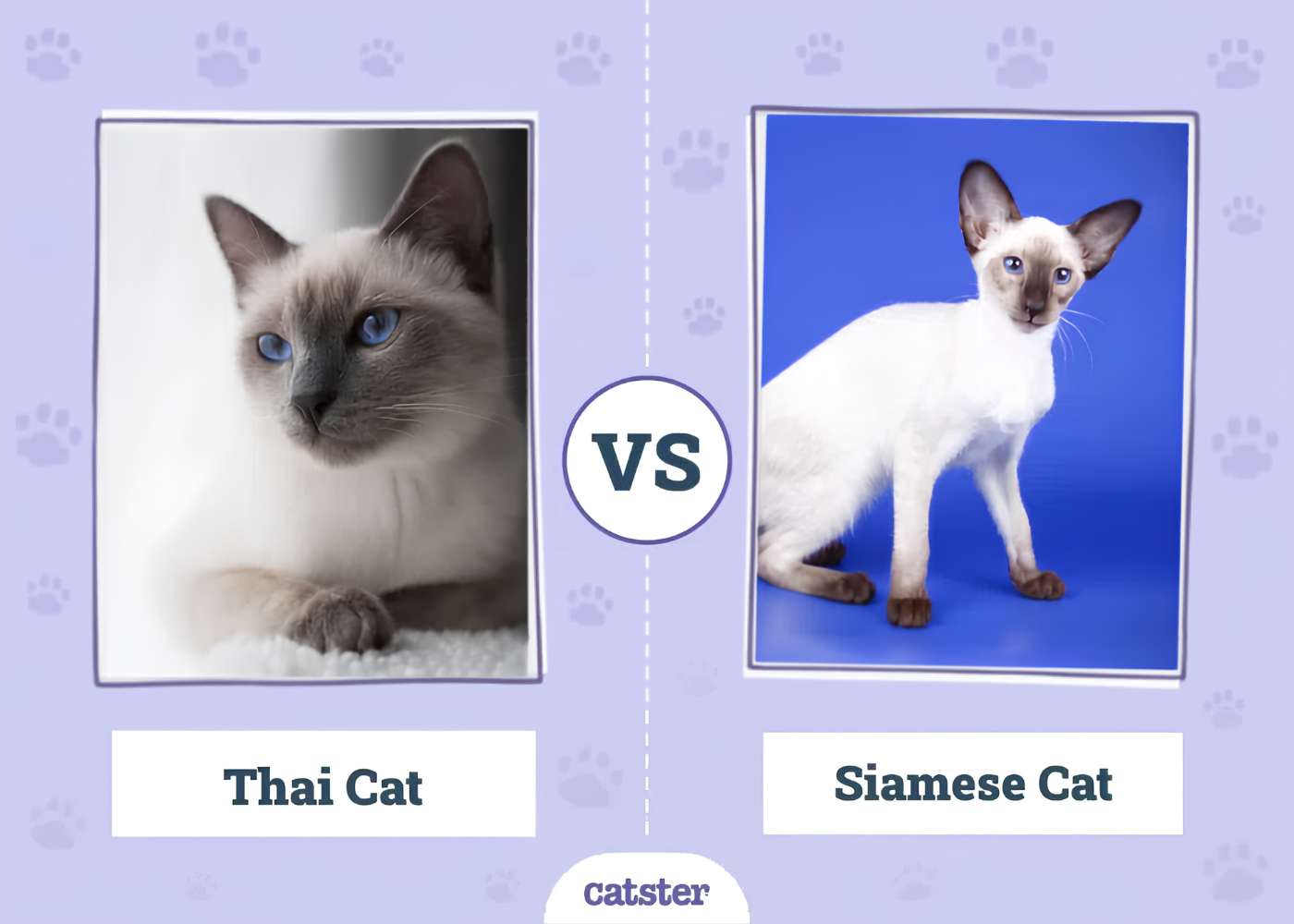
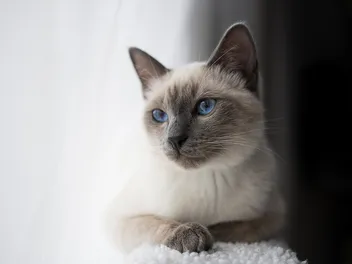
Thai cats are sometimes referred to as traditional Siamese. Wichienmaat is the breed's name in Thai, which means “moon diamond.” When Siamese cats arrived in the West, breeders immediately started highlighting some of their traits, which is why the Siamese and the Thai cats often get confused. They are an ancient breed with fuller cheeks and a less angular profile.
Some claim that Thais and Siamese have very similar personalities. They are both intelligent, inquisitive, and energetic breeds. Thai cats value their human relationships and dislike being left alone. They have a cute way of communicating by tapping their paw on your shoulder or leaping onto your shoulder and burying their face in yours.
2. Siamese Cat

Breed Overview
Temperament:
Weight:
Lifespan:
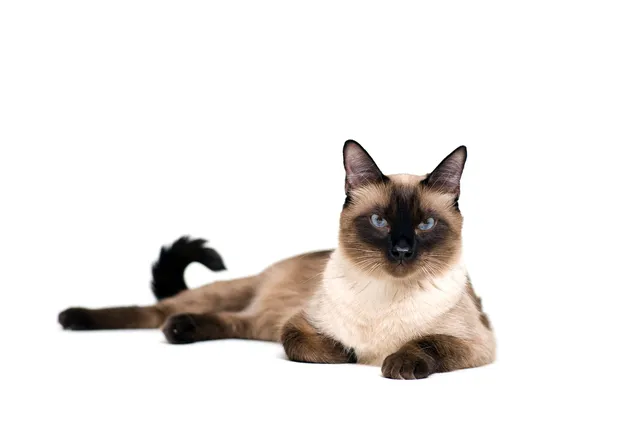
It was once only acceptable for royalty to keep a Siamese cat as a pet. According to legends, Siamese cats served as temple guardians, receiving lavish care and feedings while guarding the souls of influential people who had passed away. The once-regal cats delight their keepers with their exquisite appearance and playful personalities in present-day Thailand.
Siamese cats have a distinctive, high-contrast colorpoint pattern that makes them easy to identify. They are incredibly vibrant and intelligent, and if they aren't given daily stimulation, their inquisitive behavior may get them into trouble.
Siamese cats can make fantastic additions for families looking for an affectionate feline with a dynamic personality, particularly those with children and dogs. They become attached and shadow-like to their owners and demand playtime and affection.
3. Burmese Cat

Breed Overview
Temperament:
Weight:
Lifespan:
The Burmese cat is a domestic breed that originated in Thailand or Myanmar and was later developed in the United States and Britain. One female named Wong Mau, which was imported from Burma to America in 1930 and crossed with American Siamese, is the ancestor of most of today's Burmese.
Burmese cats are renowned for their gregarious demeanor and dog-like personality traits. Even though they are calm cats as adults, they often act like kittens and enjoy playing.
They appreciate any attention that they receive from their pet parents. Burmese cats have been called "Velcro cats" because they always like to stay with their owners, forming close relationships with them.
4. Korat

Breed Overview
Temperament:
Weight:
Lifespan:
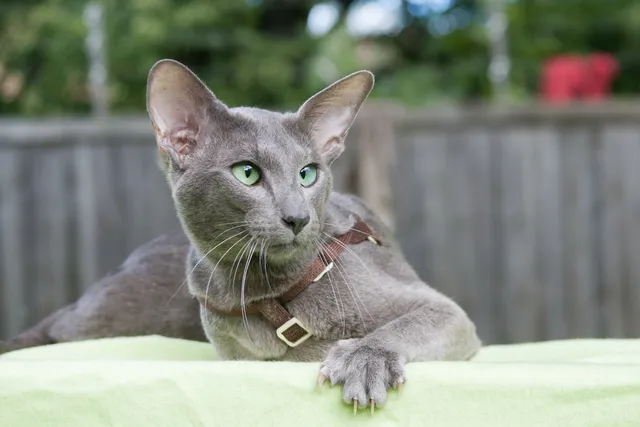
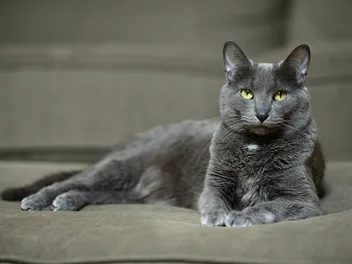
The Korat has roots in Phimai, Thailand, and is named after Nakhon Ratchasima Province, often referred to as "Korat" by Thais. They are called Si Sawat in Thailand, which means "color of the sawat seed." The Korat is also known as the "good luck cat" and was traditionally given in pairs to newlyweds or highly regarded individuals as a sign of luck.
Korats were never sold before the middle of the 20th century; instead, they were always given as presents. The unique coat color of the Korat is blue with a silver, shimmery look. The Thai people often refer to the color as "rain-cloud gray.”
These are intelligent, affectionate lap cats that form close relationships with their families. Compared to most cats, Korats are more relaxed and laidback but still love toys and interactions with their owners. They may be wary or distant among strangers, but they will always look for their family to keep them secure.
5. Khao Manee

Breed Overview
Temperament:
Weight:
Lifespan:
The Khao Manee cat, which translates to “white gem,” is a rare breed that was first discovered in Thailand and has a long history dating back hundreds of years. Despite the breed being popular in their native country, Western cat breeders have only recently gained access to these cats.
The Khao Manee’s short, smooth, all-white coat is their most prominent characteristic, with some exhibiting one blue and one green eye. A Khao Manee is known for their extroverted and cheerful nature, even with strangers, and would almost likely run to meet visitors with a smile.
The active, inquisitive, and possibly even mischievous behavior of this cat is all in good fun and balanced by their pleasant demeanor. These lively felines love interactive play and develop strong bonds with children and other pets.
6. Mekong Bobtail

Breed Overview
Temperament:
Weight:
Lifespan:
The Mekong Bobtail, formerly the Thai Bobtail, was initially named after Thailand, the place of origin of their ancestors, but the name is now after the Mekong River. Since they were given as gifts to the Russian Tsar, Mekong Bobtails are regarded as aristocratic or regal cats. They still have this air of royalty, and people often interpret them as lucky charms for their owners. The Mekong Bobtail is similar to the Siamese in that both have point coloring, but the former's bobbed tail makes them unique.
The calm and laidback nature of the Mekong Bobtail, similar to that of a dog, makes them good with young children. These cats are fantastic for homes with children and other pets since they are affectionate and devoted and love spending time with their owners and family.
7. Konja
Breed Overview
Temperament:
Weight:
Lifespan:
Due to their beautiful gait, similar to a lion's, Konja cats were once compared to the Singha, a mythical Thai lion. Thai people had a superstition that if they fed the cat, great fortune would come their way. The Konja cat is still a typical feature in Thai temples today.
The literature describes the original Konja as having a black tongue, eyes, teeth, and claws. However, modern scientists think a disease or parasite may have caused the characteristic. They were originally black with a white stripe under the chin and along the stomach, but today, they are often entirely black and sometimes confused with Bombay cats.
Not only are Konja cats beautiful, mysterious, and considered charming, but they are also intelligent, curious, affectionate, and make wonderful pets. They are the ideal family-oriented cat that enjoys playing and cuddling and will often follow their owners around the home.
The breed is a beautiful choice for families with small children since they are patient with kids and can tolerate their rough play. They are also emotionally sensitive to their owners, which makes them the perfect companion for singles or owners looking for a comfort companion.
8. Tonkinese Cat

Breed Overview
Temperament:
Weight:
Lifespan:
The Tonkinese cat is a mix of the Siamese and Burmese and often displays the best traits of both parents. With their pointed coat and sparkling, jewel-toned eyes, this beautiful feline won’t go unrecognized.
It is believed that natural pairings between Siamese and Burmese cats caused the cats to keep showing up in Thailand and the region once known as Burma. In the 1930s, one of the domestic cats called Wong Mau was brought to the United States, and she was the mother of the Burmese and Tonkinese breeds that still exist today. Breeder Milan Greer produced the first Siamese and Burmese breed in the 1950s. The Tonkin region in northern Vietnam is where the Tonkinese cats we know today got their name.
They are sociable, intelligent, playful, and highly affectionate. Tonkinese enjoy social interaction and tucking themselves into warm laps at night.
9. Suphalak

Breed Overview
Temperament:
Weight:
Lifespan:
The highly uncommon Suphalak cat originated in Thailand more than three centuries ago. Often, a breed disperses globally, with the United States being one of the final stops, but the first Suphalak outside of Thailand was born in the United States on September 15, 2015.
Despite being mistaken for Burmese or Havana Brown cats due to their stunning brown and copper coloring, the Suphalak is a breed of their own. You can expect the smart, people-oriented Suphalak to show you the same level of affection you give them.
They form strong bonds with their family members and are likely to be close to you all day. Some claim that they have a dog-like nature rather than acting like other cats. Suphalaks can only be found in Thailand and the United States.
As one of the rarest and priciest breeds, the Suphalak is a favorite target of dishonest breeders and cat thieves, so they should be kept indoors as often as possible.
Conclusion
Thailand has long been recognized as the birthplace of some of the world’s most amazing feline companions. They are all clearly loved for their distinct and gorgeous features and affectionate natures. They have also been intertwined with Thai culture and beliefs and have a rich history.
These cats continue to play a significant role in several Thai cultures today. Those fortunate enough to have a Thai cat as a family member will experience many years of joy and love.
Sources
Featured Image Credit: Aquarius Studio, Shutterstock
Expert cat care, straight to your inbox
News, insights, and useful advice, delivered to you.

No spam — unsubscribe anytime.
By signing up, you agree to our Terms & Conditions and Privacy & Cookies Policy.
How useful was this post?
Click a star to rate. You can leave written feedback afterwards. (We read all feedback.)

Christian started writing for a local newspaper as a teenager, and he's been involved in the publishing industry for most of his adult life. Combining his love of writing with a passion for animals, he is currently the Director of Editorial at Pangolia and the Editor-in-Chief at Catster.
Christian lives in the Philippines with his wife, son, and four rescue cats: Trixie, Chloe, Sparky, and Chopper.