How to Keep Cats Off Furniture Using Vinegar: 4 Vet Approved Steps


In this article
Cats are very persistent, and it can be challenging to keep them from doing what they want. Several commercial deterrents use dangerous chemicals that can harm your pet, and pheromone products are expensive and may not work. It’s also easy to stain most fabrics with chemical deterrents, so you will need to be careful about what you put on them.
We’ve compiled a step-by-step guide on how to keep cats off furniture with ordinary, inexpensive white vinegar. White vinegar is safe to use around cats and won’t affect their nervous system like many essential oils. It has no color and will not stain most fabrics, but the best part is that you probably have some around the house that you can use right now.

The 4 Steps for How to Keep Cats off Furniture
1. Gather the Ingredients
Our recipe will call for three ingredients: vinegar, water, and castile soap.
White Vinegar

White vinegar is the primary ingredient that can keep cats away from your furniture. It is a non-toxic natural cat repellent that’s also safe for any other animals in the home.
Castile Soap

Most household soaps are also natural cat repellants, but many contain harmful chemicals and fragrances you're better off avoiding. Castile soap is a plant-based soap made from olive oil. It also has no animal products or synthetic ingredients. It’s biodegradable, and you can purchase it as a bar or liquid. We recommend liquid castile soap for this recipe.
Water

Water allows you to reduce the strength of your formula by diluting it. If you feel the resulting formula is too strong, or your cats have too strong a reaction, adding water will weaken it. Only a tiny amount of water will reduce the range and strength of the odor significantly.
You may also want to weaken the formula if you are worried about staining the fabric. Remember that white vinegar and castile soap are powerful cleaners, and old furniture can hold a surprising amount of dirt that the formula can lift, potentially discoloring the fabric. Try the recipe in an inconspicuous area first and dilute it with water as necessary.
2. Mix the Ingredients
Here are the amounts of each ingredient.
Ingredients
- 8 oz white vinegar
- 8 oz castile soap
- 8 oz water
Instructions
- In a large mixing bowl, combine white vinegar, castile soap, and water
- Pour the solution into a 32-ounce spray bottle and shake vigorously
- Add more water as needed
3. Spray the Solution

With the solution in the spray bottle, you can spray it wherever you don’t want your cats to go. You will most likely need to spray the area once a day until your cat avoids it.
4. Tailor the Recipe
As we mentioned earlier, you should add more water if you notice the spray is discoloring your fabric. You can also reduce the amount of water you add if you feel it isn’t strong enough or you intend to use it outside. The scent will affect cats much less outdoors, and you will need to re-apply it more often.

Other Things You Can Try
1. Give Them Different Place to Rest
Purchase a cat bed that they can use to rest on instead of your furniture. Many companies design beds with cat comfort in mind, and you can provide them with a better choice to convince them to abandon your furniture.
Make sure there are plenty of high places your pet can sit. Cats like to sit in high places to survey the room, and the back of the sofa and chairs are ideal spots. Providing more high places around your home can reduce the time they spend on your furniture.

2. Use Pheromones
Try a commercial pheromone product like the ones from Feliway. Feliway and several other brands produce synthetic pheromones that closely resemble those naturally produced by cats. The pheromones can help calm your cats, and some can redirect your cat's scratching to the scratching post. The downside to this product is that it’s expensive and doesn’t work on all cats.
3. Get Your Cat a Scratching Post
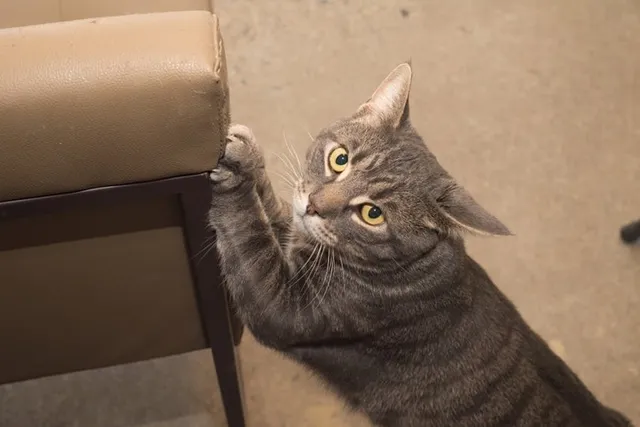
Make sure you have scratching posts your cat can use. If your cat likes to scratch your furniture, you should make sure there are plenty of scratching posts around the home. There are also different types of scratching posts, so try several types for the best chance of success.
The Hepper Hi-Lo Modern Cat Scratcher is a functional and stylish design that makes it the ultimate scratching spot for your cat – and a superhero in the battle against furniture destruction. Unlike most cat toys that end up being ignored, this one's a crowd-pleaser for both cats and their hoomans.
With its 3 configurations, thick textured cardboard, and solid birch plywood frame, it encourages your cat's natural scratching instincts, so they stay away from your precious furniture, rugs, and curtains, among all other things they shouldn't scratch. The Hi-Lo is like your home's mini guardian, keeping it safe while looking super sleek and trendy.
At Catster, we’ve admired Hepper for many years, and decided to take a controlling ownership interest, so that we could benefit from the outstanding designs of this cool cat company!
Summary
Vinegar is a fantastic way to keep cats off furniture and help keep strays from visiting your property. It’s completely safe and non-toxic, so you do not need to worry about poisoning your cat. It also helps deodorize the area and is an excellent cleaner. The only downside is its cleaning power can inadvertently stain old furniture by removing set-in dirt.
We hope you have enjoyed reading over our look into keeping your cat off furniture and will try out our repellant formula. If you have learned something new and think it can help others, please share this guide to keeping your cats off the furniture with vinegar on Facebook and Twitter.
See Also:
Featured Image Credit: New Africa, Shutterstock
Expert cat care, straight to your inbox
News, insights, and useful advice, delivered to you.

No spam — unsubscribe anytime.
By signing up, you agree to our Terms & Conditions and Privacy & Cookies Policy.
How useful was this post?
Click a star to rate. You can leave written feedback afterwards. (We read all feedback.)
Christian started writing for a local newspaper as a teenager, and he's been involved in the publishing industry for most of his adult life. Combining his love of writing with a passion for animals, he is currently the Director of Editorial at Pangolia and the Editor-in-Chief at Catster.
Christian lives in the Philippines with his wife, son, and four rescue cats: Trixie, Chloe, Sparky, and Chopper.