Human-Grade Cat Food: What Does It Mean? Facts & FAQ


In this article
Of all the food available for feeding your cat, human-grade cat food is probably one of the most confusing despite its popularity. It’s a cat food that’s made under FDA regulations for human consumption. However, the principle cannot be applied to pet food as it is to human food. Another issue is that some human-grade cat food brands aren’t as high quality as the label makes them sound.
To help clear the air and explain why not all human-grade cat food is healthy for your cat, this guide contains everything you need to know about the food. We'll also go over the various types of cat food and the pros and cons of the meals to help you determine whether it’s an option that you should try.

How Does It Work?
There are many not-so-healthy cat foods available on the market. Despite being affordable and meeting the Association of American Feed Control Officials (AAFCO) standards for feline nutrition, many low-quality brands aren’t as healthy as you might hope. Compared to regular cat food, human-grade cat food is healthier, though you have to check that the brand meets all the expected standards.
Human-grade cat food is made in facilities that are intended for human food, using ingredients that humans can eat. Fresh, whole foods and quality meats are often part of the recipes and are handled with all the care and attention that human food is granted.

AAFCO
The AAFCO is the guiding force when it comes to pet food. Although the organization is voluntary, it carefully regulates the nutritional contents of pet food and how it’s distributed. However, while the AAFCO ensures that pet food contains the nutrients that animals need, it doesn’t regulate the quality of the ingredients that are used. That is why many less-than-stellar pet food brands use fillers, additives, preservatives, and by-products in their recipes.
Regarding human-grade pet food, the AAFCO cautions pet owners about the claims of some companies. To be human-grade by the AAFCO definition, the food must be made with 100% human-edible ingredients and manufactured, packed, and stored in FDA-approved facilities.
If one of those characteristics isn’t met, even if the food isn’t stored correctly, it can’t be accurately called human grade. So, strictly by these terms, a pet's food will likely never be considered human-grade.
FDA and USDA Regulations
There aren’t any official FDA or USDA regulations for human-grade cat food, and the regulations refer to food made solely for humans. That makes many recipes claiming to be “human grade” slightly suspect.
Despite not meeting any regulations specific to pet food, pet food companies can still be considered human-grade. The facilities that make the pet food should meet all the criteria for human-grade standards, however. Many pet food brands prefer not to jump through all the hoops necessary to meet the standards due to the money and time costs.
What Are the Different Types of Human-Grade Cat Food?

Despite how fancy the name sounds, human-grade cat food is similar to regular cat food but meets FDA and USDA regulations. The companies that make human-grade cat food need to meet strict standards to be correctly labeled “human grade,” which includes making the food in facilities that meet human health and safety regulations.
Due to this, the type of “human-grade” cat food that can be made is similar to other recognizable brands that you find on the shelves in supermarkets. It also makes it difficult to tell whether a cat food formula is human-grade or just uses a few human-grade ingredients.
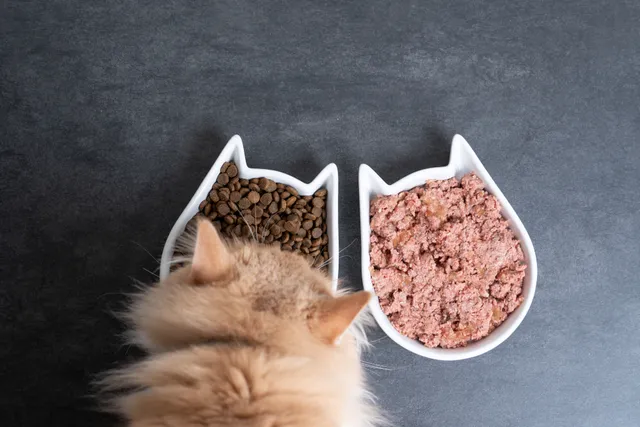
Dry Food
Since it's affordable, convenient, and long-lasting, dry food or kibble is one of the most popular types of pet food. Finding human-grade dry food or kibble can be difficult because the manufacturing process typically involves meat meals, additives, and by-products. Due to the high processing temperatures, many of the nutrients in the ingredients are destroyed, which is why less-healthy ingredients are often used to boost the nutritional content.
Slightly more expensive brands contain more suitable ingredients, and there are a few companies that live up to the human-grade claim. High-quality protein sources and whole foods are the essential ingredients to look for.
Dehydrated Food

Dehydrated cat food is processed at a low heat to remove the moisture in the food and requires you to add water before serving the meals. The manufacturing process preserves the food, giving it a similar shelf-life to dry food without losing nutrients to over-processing.
Human-grade dehydrated food is easier to find, albeit more expensive. The manufacturing process makes it easier to maintain the levels of nutrients needed in the recipe.
Freeze-dried Food
This process also dehydrates the food by freezing it and vacuuming out the moisture. The process is often combined with high pressure as a non-thermal pasteurization method to reduce the risk of bacterial contamination. Since the food is not thermally processed, the nutritional value of the ingredients is preserved.
The end result is a shelf-stable product. Human-grade freeze-dried food is more expensive than traditional kibble because of the higher-quality ingredients and the time-consuming manufacturing process.
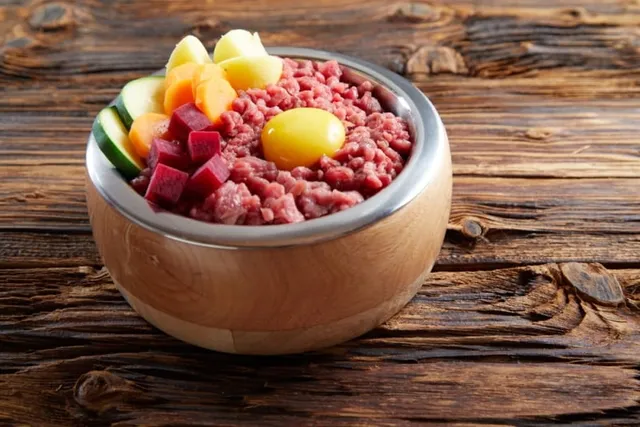
Fresh Food
Like dry food, fresh cat food is a popular way to feed cats. Although it doesn’t last nearly as long as kibble or dehydrated food and needs to be refrigerated after it’s opened, it has a higher moisture content. Human-grade fresh food helps manage your cat’s hydration and contains clearly labeled protein sources, broth, and water.
Treats

Your cat can’t live solely on treats, whether human-grade or otherwise, but they can be rewarded for good behavior or as healthy snacks during training sessions. When combined with a balanced meal plan, treats can boost your cat’s health and nutrition. Like other human-grade cat food, treats are made with the same high standards for health and safety.
Where Is It Used?
At first glance, human-grade cat food is used just like any other cat food: to provide a healthy, nutritional diet for our feline pets. With the focus on whole foods and high-quality meat ingredients, the recipes are considered to be healthier than most other cat foods. The human-grade standard can be preferable for pet owners who prefer to avoid the downsides of “feed-grade” cat food. If the product is manufactured, packaged, and stored under the strict standards that make it human-grade and contain the nutrients your cat needs, the cat food is considered suitable. However, this isn’t always the case.
Although human-grade cat food can be used to feed cats, it’s not always as high quality as you might expect. Being “human grade” doesn’t ensure the formula is healthy for your cat. There are a few caveats that you need to keep in mind so you use human-grade cat food for its intended purpose. First, you need to make sure the food meets AAFCO nutritional standards. Second, you must determine whether the food is entirely human-grade or contains ingredients that humans could eat.
If the cat food doesn’t meet AAFCO standards, it’s best to choose a different brand. There’s no point feeding your cat with better ingredients if the food doesn’t contain the right nutrients to be healthy. Your veterinarian can help you determine whether a cat food that claims to be human-grade contains the necessary nutrition and is not just taking advantage of a marketing gimmick.
Advantages of Human-Grade Cat Food

Perhaps the biggest selling point of human-grade cat food is that it’s healthier for your cat. Natural, high-quality ingredients that provide all the nutrients your cat needs are preferable to ingredients that aren’t as well-balanced.
It’s not just the healthiness of the food or the ingredients that make human-grade cat food so appealing. The quality of the food is important too. However, some products don’t meet quality standards; the brands that do ensure that your cat is eating only the best food available. Compared to commercial foods that rely on 4D meats (meat from dying, diseased, disabled, or deceased animals), human-grade alternatives are more ethical and tastier.
Disadvantages of Human-Grade Cat Food
One of the biggest disadvantages of human-grade cat food is its lack of official regulation. The claim relies solely on the brand's honesty in making the food and its ability to maintain food safety laws. It’s for this reason that the AAFCO cautions pet owners about trusting the “human-grade” label too much. Certain supposedly human-grade cat foods might not completely meet expectations.
Another issue is that human-grade cat food is usually more expensive. Since the ingredients must be edible for humans and meet necessary safety standards, the manufacturing costs are much higher than regular cat food. Because the food is of much higher quality, it has a much higher sale price.
Frequently Asked Questions
What Is the Difference Between Feed-Grade and Human-Grade Cat Food?

There are two types of cat food: feed grade and human grade. Human grade is becoming more popular due to a growing preference for feeding cats meals that don’t contain filler ingredients. However, most pet food is considered “feed grade,” which means it doesn’t meet FDA standards for human consumption.
While some feed-grade cat foods contain by-products, chemicals, fillers, and 4D meats, other brands are made with human-grade ingredients. However, they cannot be considered fully human-grade because the manufacturing or packing process does not meet all the quality and safety standards. Thus, the ingredients might be human-grade, but the final product is not.
Can Humans Eat Human-Grade Cat Food?
Under the strictest definition, human-grade cat food can be eaten by humans. However, not every recipe that claims to be human-grade meets regulations. A label saying, “made with human-grade ingredients,” doesn’t mean the food is human-grade. Unfortunately, parts of the manufacturing process might make the final product unsafe for human consumption. Also, labels that state that the recipe uses real ingredients do not mean it is human-grade, either.
To be entirely safe for humans to eat, the products must meet all of the high standards set by the FDA and the USDA for human food during the manufacturing process. Please do not try your cat’s food. The human-grade term in cat food indicates that the ingredients are food grade, not feed grade.
This is the difference between using high-quality, clearly identifiable meat from healthy animals that could also be intended for human consumption versus a meat by-product meal from who knows what part of an animal.
A Quick Reference Guide
| Human-Grade Cat Food | Feed-Grade Cat Food |
| Made with ingredients that are safe for humans to eat, such as whole foods and quality meat | Doesn’t meet human food safety standards |
| Manufactured in facilities that meet USDA specifications for food safety | Can contain meat meals, fillers, additives, preservatives, and unidentified by-products |
| More expensive than regular cat food | Sometimes contains 4D meats from dying, diseased, disabled, or deceased animals |
| High-quality options meet AAFCO standards for feline nutrition | Meets AAFCO standards for feline nutrition |
Conclusion
Human-grade cat food is one of the healthier ways to feed your cat, provided the company you choose does everything to ensure it meets human-grade standards. The formula must be made with high-quality ingredients and prepared, packed, and stored in facilities that pass USDA regulations for food safety.
We hope this guide has helped you understand the difference between human-grade and feed-grade food to determine whether it is an option you want to try.
Featured Image Credit: Smalls
Expert cat care, straight to your inbox
News, insights, and useful advice, delivered to you.

No spam — unsubscribe anytime.
By signing up, you agree to our Terms & Conditions and Privacy & Cookies Policy.
How useful was this post?
Click a star to rate. You can leave written feedback afterwards. (We read all feedback.)
Oliver (Ollie) Jones - A zoologist and freelance writer living in South Australia with his partner Alex, their dog Pepper, and their cat Steve. Ollie, originally from the USA, holds his master's degree in wildlife biology and moved to Australia to pursue his career and passion but has found a new love for working online and writing about animals of all types.